







For more specialty coffee knowledge, please follow: Front Street Coffee (Frontsteet Coffee)
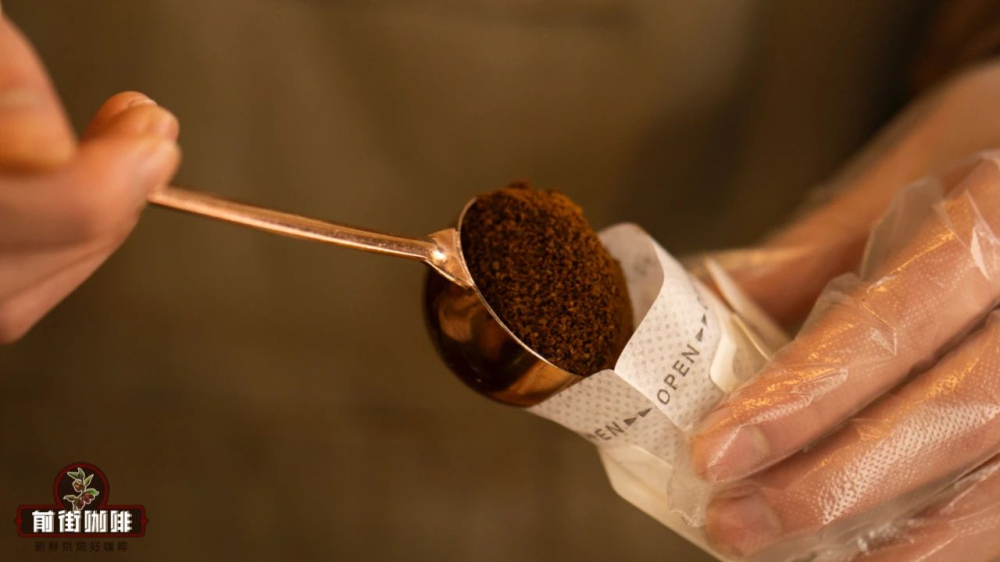
Fresh grinding has always been part of the ritual of brewing coffee, because only freshly ground coffee can ensure the flavor of the coffee is not lost. However, for some people, being able to quickly brew a delicious cup of coffee is even more important, and this is wheredrip bag coffeecomes in. Many people think that drinking drip bag coffee is not professional, but Front Street feels there is no need to think that way. After all, no matter what kind of food it is, if it is to be integrated into the masses, a quick and convenient method must be produced. Therefore, the appearance of drip bags is meant to allow everyone to drink specialty coffee without needing so many pour-over tools.
The Origin of Drip Bag Coffee
Drip bag coffee was invented and patented by the Japanese, because pour-over coffee is a very popular extraction method in Japan, but the production process is relatively complicated. Drip bag coffee can save these steps and allow quick brewing. In 1990, Japan's Yamanaka Sangyo Co., Ltd. applied the concept of tea bags to coffee and invented this kind of portable coffee bag that can be brewed quickly. At first, drip bag coffee could not stably bear the weight of the poured water, causing the coffee bag to lose balance. Later, in 1998, Daiki Shoji extended the cardboard on both sides of the drip bag. After the improvement, it formed today'sdrip bag coffeebag.
Drip Bag CoffeeRecommendations
Everyone knows that coffee from different origins presents different flavors and mouthfeels, so many friends need to understand the characteristics of the origin when choosing. FrontStreet Coffee hopes that drip bag coffee can also meet the needs of public tastes, so it has launched 10 Front Street drip bag coffees with different flavors and mouthfeels for everyone to choose from.
1. FrontStreet Coffee Ethiopia Red Cherry Natural
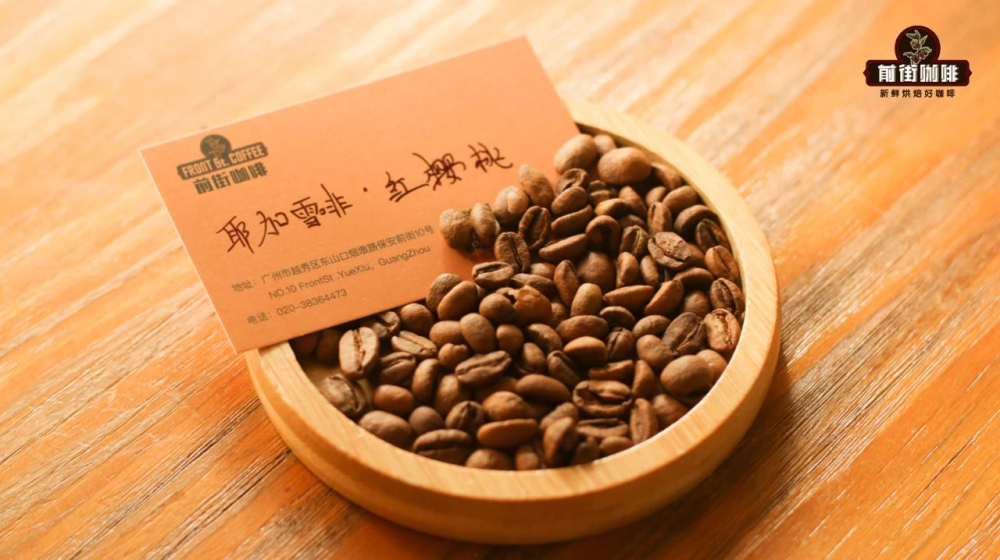
Region: Yirgacheffe
Altitude: 2000-2200m
Variety: Heirloom
Processing Method: Natural
Flavor: Tropical fruit, strawberry, berries, cream
This bean comes from Africa. The Red Cherry Project is a coffee quality improvement plan proposed by a Dutch green bean company, Menno Simons. Trabocca is the founder of the Dutch green bean trader Trabocca. Because Ethiopian coffee at the time varied greatly in quality, there was not much room for price increases, and coffee farmers' incomes were also very low. In order to substantively help them, Trabocca cooperated with local coffee farmers to launch the Red Cherry Project, solving the quality problem from the source. Through manual hand sorting, only fully ripe coffee cherries are picked, and they are purchased at a higher price. This can improve coffee farmers' requirements for quality and help them grow better-quality coffee.
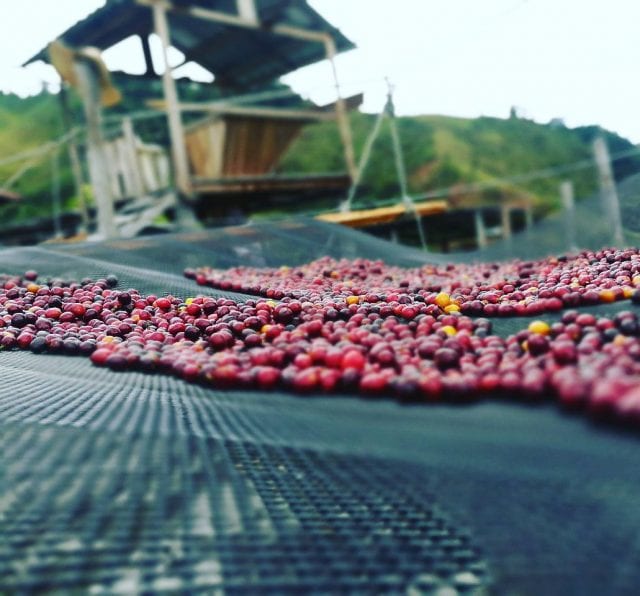
The natural processing method is a very old and traditional processing method. This natural Red Cherry is manually hand sorted to select fully ripe fruit, and the whole coffee cherries are placed on raised beds for natural drying. This can effectively avoid a muddy taste caused by spreading them on concrete ground. The coffee cherries slowly absorb flavor substances during drying. During the drying process, the cherries gradually lose moisture, and the coffee cherries dry into a dark brown color; then the coffee cherries are collected and stored. Front Street believes that coffee processed by the natural method has obvious fruit aroma, full acidity, and a mellow mouthfeel.
2. FrontStreet Coffee — Honduras Sherry
Region: Masaguara, Intibucá Department
Farm: Moca Farm
Altitude: 500-1700 meters
Variety: Caturra, Catuai, Pacas
Processing Method: Refined washed whisky sherry barrel fermentation
Flavor: Vanilla cream, fermented wine aroma, nuts, dark chocolate, maple sweetness
Whisky barrel fermented Sherry coffee was the hottest coffee in 2019, because it has a very intoxicating whisky aroma. This very special coffee surprises people, so the sales of Sherry at FrontStreet Coffee are very high, and many coffee fans have asked for drip bag coffee to be launched, showing just how popular it is. Honduras is located in Central America and has excellent altitude, abundant rainfall, and other natural conditions. Its coffee highlights nutty and tropical fruit flavors, with a complex, rich mouthfeel and moderate body. Sherry coffee beans are produced in Masaguara, a city in the southwestern Intibucá Department. On FrontStreet Coffee's bean list there is also another barrel-aged coffee bean from Moca Farm——Litchi Orchid.
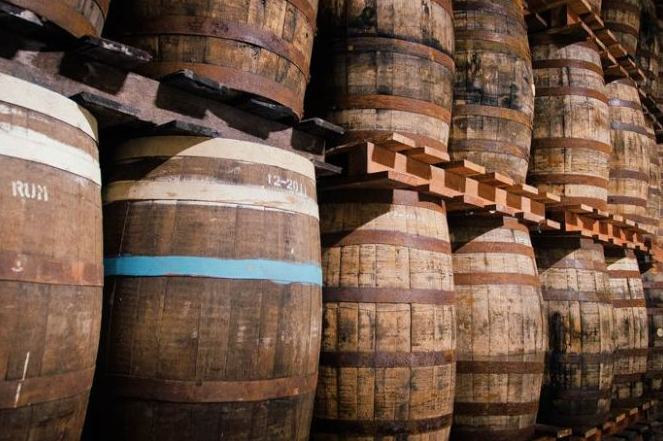
Because Sherry coffee beans use whisky barrels, the flavor of the whisky barrel is very intense. It smells of intoxicating wine aroma, enters the mouth with rich vanilla cream, and finishes with a lasting rum chocolate flavor. Freshly picked coffee cherries are first refined washed, then placed into sherry barrels for a long low-temperature fermentation lasting 30-40 days (at about 15-20℃), and finally the coffee beans are dried in the sun. Sherry barrels are barrels used by sherry wineries in the whisky industry for aging. The brewing process of sherry must go through the Solera System maturation process. This process refers to the process of blending and aging sherry from different years after fortification, and this is also the uniqueness that forms sherry flavor.
3. FrontStreet Coffee — Indonesia Golden Mandheling
Region: Gayo Mountain, Aceh, North Sumatra
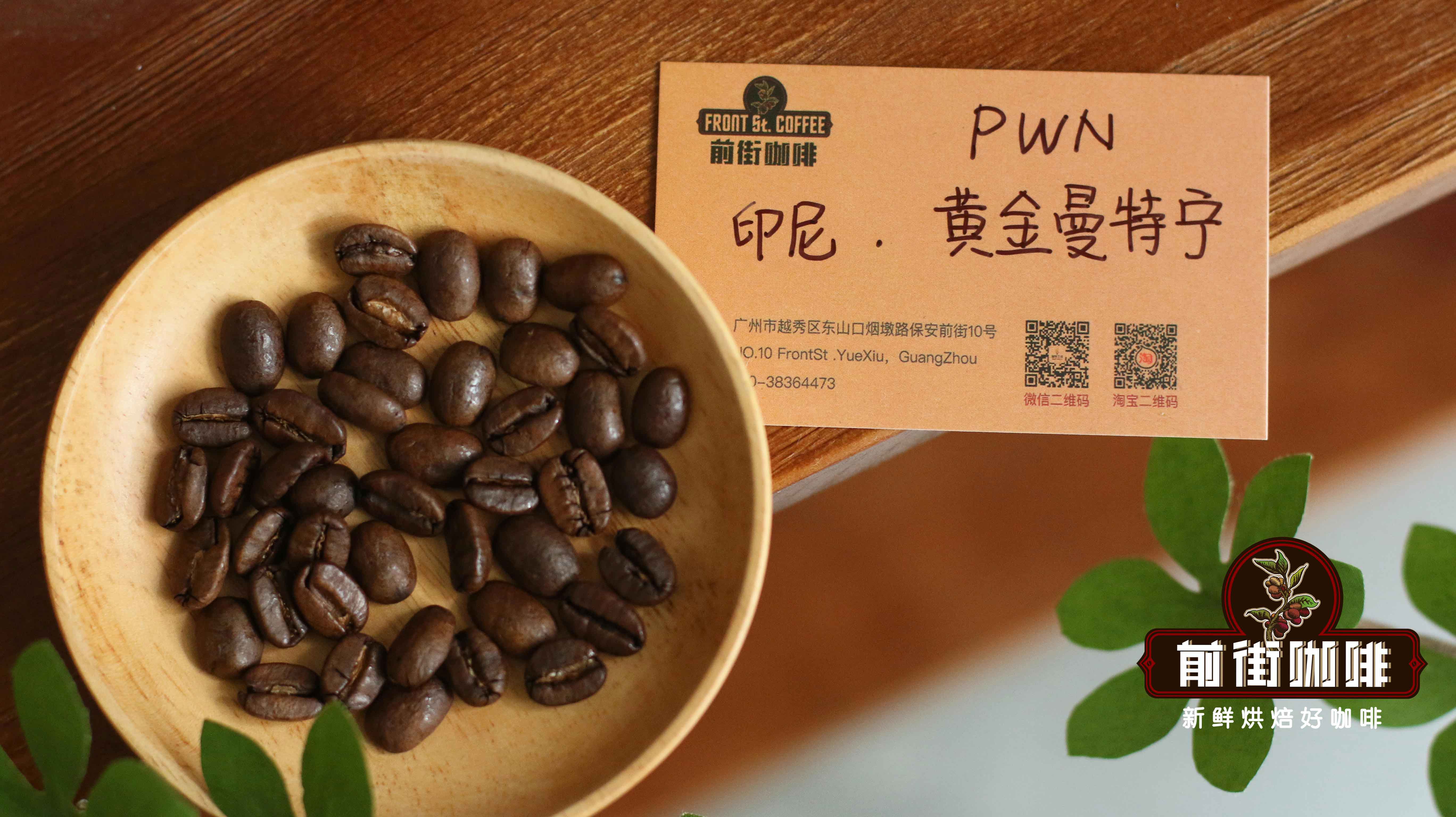
Company: PWN
Altitude: 1100-1600 meters
Variety: Ateng
Processing Method: Wet-hulled
Flavor: Herbal, caramel, dark chocolate, mellow and clean, high balance, long finish
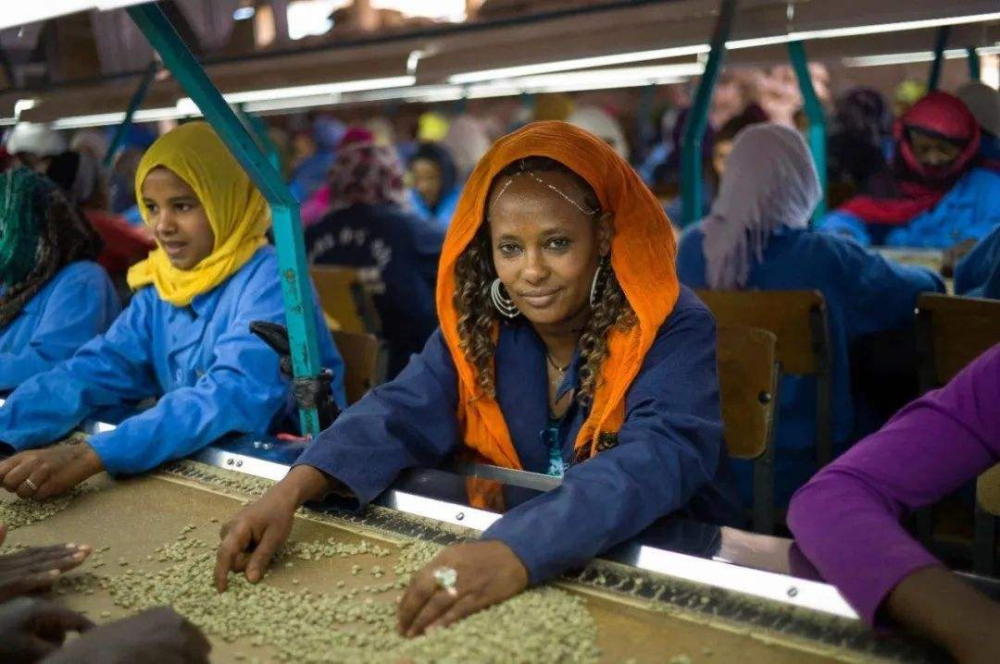
Mandheling is a famous Indonesian coffee. Because of its mellow mouthfeel and rich aroma, many friends who like mellow mouthfeel deeply love it. Golden Mandheling, on the basis of original Mandheling, has undergone a very strict screening system, which is what earned it such a great reputation and made it a famous Indonesian coffee brand. FrontStreet Coffee's Golden Mandheling comes from the famous Indonesian green bean company PWN. After purchasing Mandheling green beans, PWN first conducts one machine sorting, then a strict manual hand sorting stage. The entire screening process is carried out as many as 3 times. It mainly picks out defective beans and beans that are not plump, retaining green beans that are plump and uniform in appearance. Only such Mandheling can ultimately be classified as Golden Mandheling. Front Street believes that it is precisely this strict screening system, the method of selecting the best from the best, that ultimately created this fame. Compared with traditional Mandheling, Golden Mandheling is cleaner and more mellow in mouthfeel; in flavor it is richer and more complex.
Because Indonesia's local climate is very humid, with many rainy days, natural processing cannot be used, and the economy cannot support the high cost of washed processing. Due to various reasons, this wet-hulled method with strong local characteristics was developed. Wet-hulled processing means that during ordinary washed processing, the beans are dried in the sun with parchment for 2-3 days, until the moisture content reaches 20-24%, then the parchment is removed. This processing method also leads to a very high defect rate. FrontStreet Coffee feels that Indonesia's coffee industry is now developing very quickly. The reason wet-hulled processing is still retained is not only because of economic and climate issues, but more because wet-hulled processing has become synonymous with Indonesia and an image of a local specialty. However, there is now also natural Mandheling. FrontStreet Coffee has added this coffee bean. It belongs to a relatively niche series, not as popular as wet-hulled Mandheling, but it can also be a occasional change of taste.
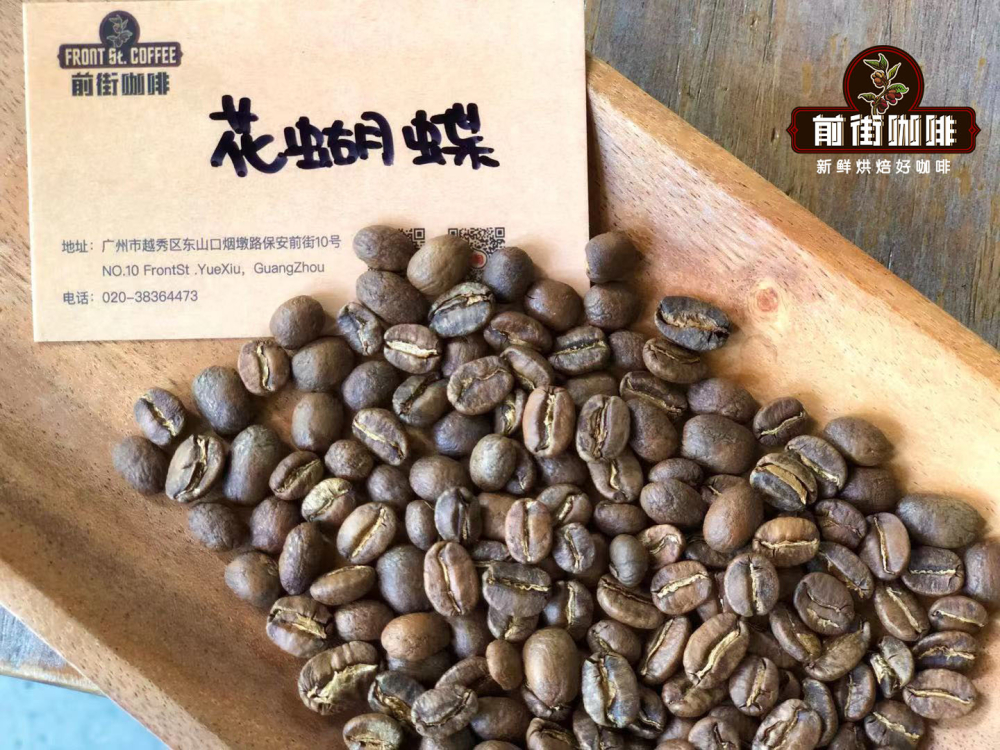
4. FrontStreet Coffee — Panama Butterfly
Region: Boquete
Altitude: 1600 meters
Variety: Caturra, Catuai, 70% Geisha
Processing Method: Washed
Flavor: Citrus, berries, tea aroma, jasmine
Panama is a country in Central America, bordering Costa Rica to the west and Colombia to the east, both of which are famous global specialty coffee producing countries. Panama is highly known in the coffee world because of Hacienda La Esmeralda's Geisha coffee. Panama's Geisha coffee is certainly famous, but Geisha is not the only thing worth pursuing. This Butterfly is different: Butterfly is blended with 70% Geisha coffee, as well as Catuai and Caturra, planted in the famous Baru Volcano area of Boquete. The coffee grows at an altitude of 1600 meters. The region has a microclimate, fertile volcanic soil, abundant rainfall, and a large temperature difference between day and night. Careful harvesting and fine processing give this coffee Geisha's floral aroma, citrus flavor, and gentle acidity. Even more pleasantly surprising is that with such excellent quality and conditions, the price is still very affordable, allowing people to experience Geisha flavor with very high cost performance. Some people may question that a Geisha blend is not single-origin coffee. Front Street gives an example here: Ethiopian coffee beans vary in size because Ethiopia has a complex mix of local coffee varieties, so they are grown and harvested mixed together. But as long as this mixed harvesting occurs within the same producing region, it can all be called single-origin coffee. Butterfly is the same. Front Street believes that beans like Ethiopian ones can be called natural blends, while Butterfly can be called a post blend.
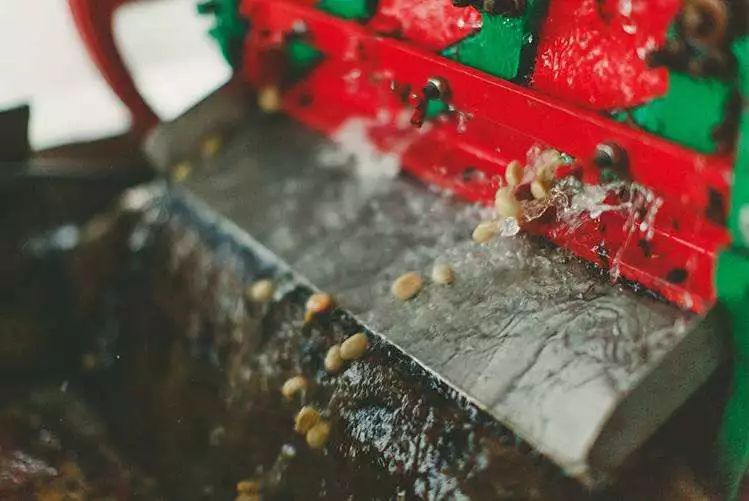
Washed processing first screens out coffee cherries of poor quality, then uses a machine to separate the skin and coffee seeds, leaving only coffee beans wrapped in parchment. At this time, the beans still have a layer of mucilage on the outside. The coffee beans are then placed in a tank for fermentation, about 18-36 hours in the tank, to ferment and break down the mucilage. Finally, people use tools back and forth, using water flow and friction between the beans, to wash the coffee beans until smooth.
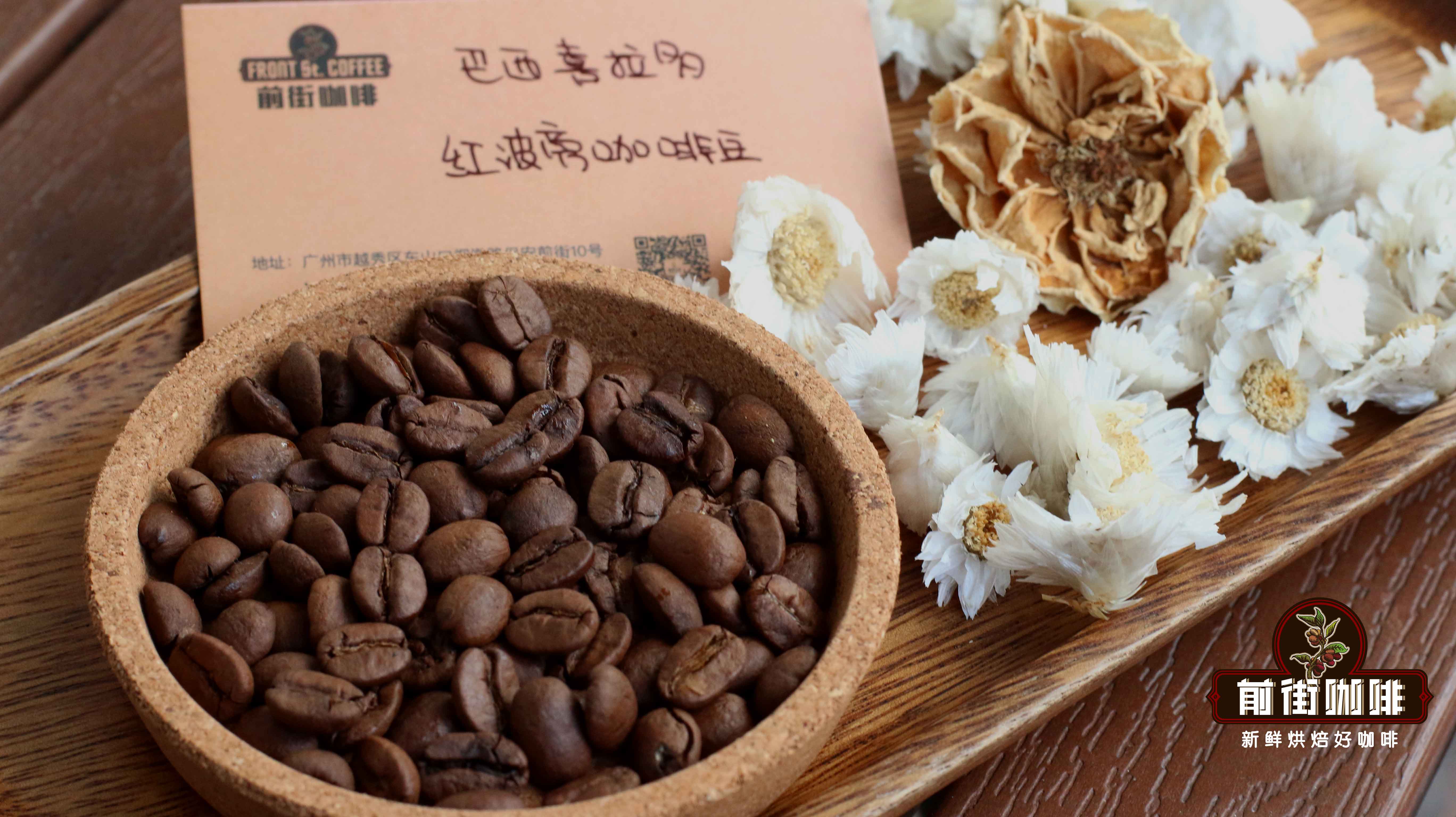
5. FrontStreet Coffee — Brazil Red Bourbon
Region: South Minas
Altitude: 1000 meters
Variety: Red Bourbon
Processing Method: Semi-dry
Flavor: Nuts, chocolate, cream, peanut, caramel
Brazilian coffee was introduced from French Guiana in 1720. Because Brazil was then a Portuguese colony, a Portuguese officer stationed in Brazil, in order to introduce coffee seedlings into Brazil, captured the heart of the governor of Guiana's wife and successfully brought coffee seeds into Brazil. Brazil became an ideal place for coffee to grow, and the producing region extended from the north all the way to São Paulo in the southeast. By 1845, Brazilian coffee beans already accounted for 45% of the world's total coffee beans. Brazil is currently the world's largest coffee exporting country. FrontStreet Coffee's Brazil has both staple beans and drip bags. As a coffee producing country, Brazil is an indispensable presence in classic coffee flavors. Front Street staple beans are the "face" of regional coffee beans, because their basic regional flavor is more recognizable, and they are also low-priced, highly cost-effective coffee beans.
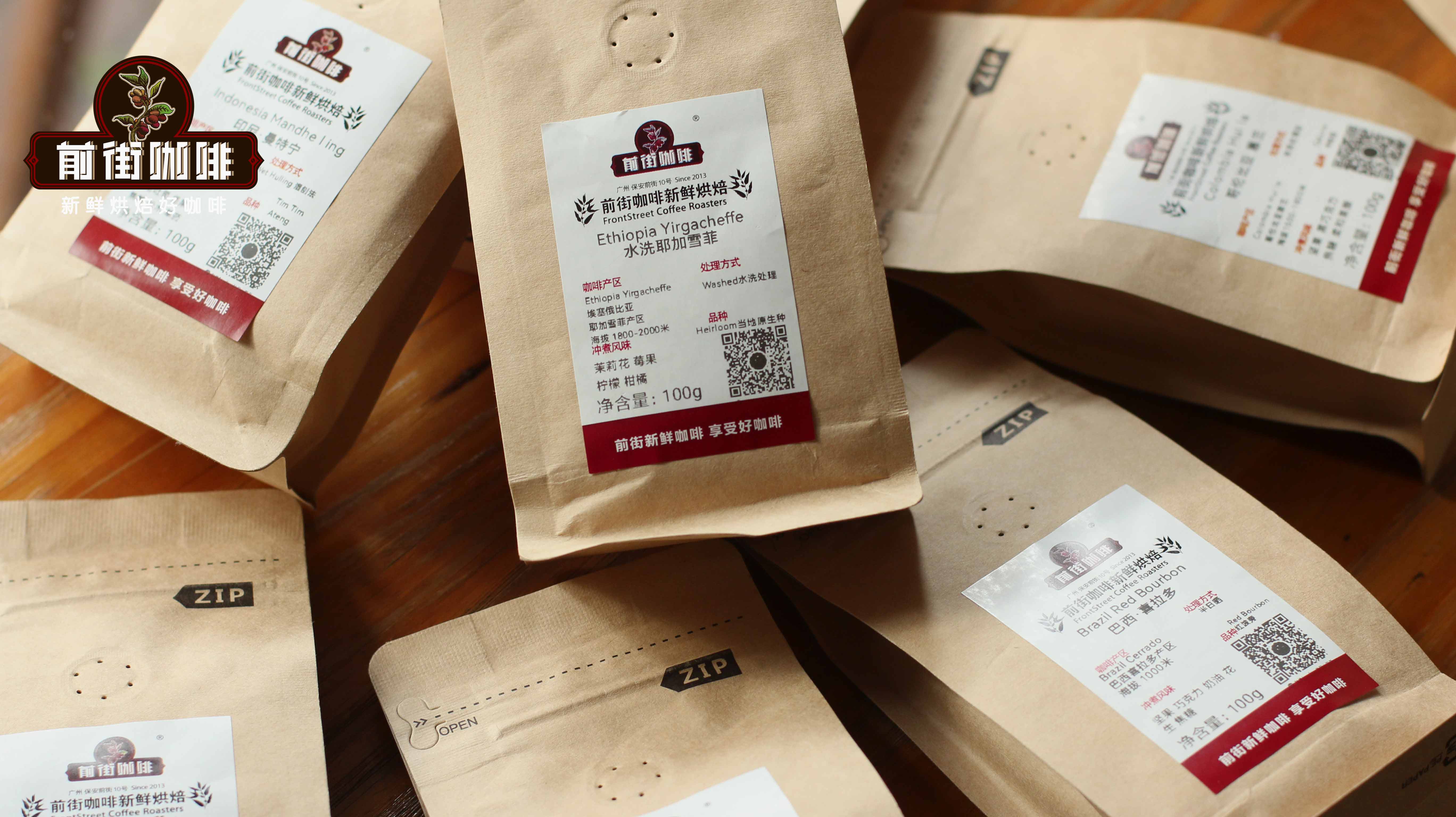
Before 1990, Brazil used the natural method. This was the main culprit that made Brazilian beans prone to a muddy and rotten-wood flavor, because during the 2-3 weeks of sun exposure, improper fermentation caused mold and produced off-flavors. This problem was criticized for a long time and severely damaged the image of Brazilian coffee. After 1990, Brazilian research institutes developed the semi-dry method based on Brazil's relatively dry climate to shorten processing time. The semi-dry processing method first screens the coffee beans. After selecting high-quality coffee cherries, it removes the skin, pulp, and part of the mucilage. With a small amount of mucilage left, the beans are sun-dried for 1-3 days, then machine-dried until the moisture content is 12%, after which they can be placed into storage containers for maturation. This processing method can reduce the undesirable off-flavors Brazilian beans had before and enhance fruit aroma and sweetness.
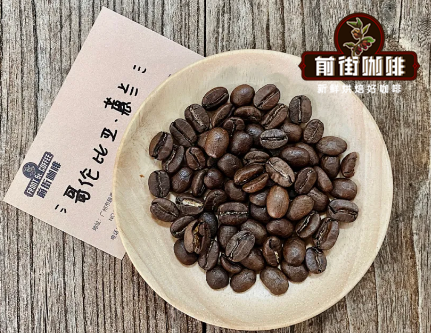
6. FrontStreet Coffee — Colombia Huila
Region: Huila
Altitude: 1500-1800 meters
Variety: Caturra
Processing Method: Washed
Flavor: Nuts, dark chocolate, caramel, soft fruit acidity
Colombia is the world's third-largest coffee producing country, known for its soft mouthfeel and rich nutty chocolate flavor. Huila is a famous local coffee producing region in Colombia. Its terrain is mountainous, and coffee is mainly planted on the slopes of canyons. Altitude, cool climate, and volcanic soil are all good conditions for growing coffee. The climate of the canyon slopes not only prevents cold winds from entering, but also provides abundant rainfall, so it can be said to be a uniquely favored coffee region. Colombian coffee is mainly harvested by hand, picking fully ripe coffee cherries, and the vast majority of coffee beans use washed processing. Through cupping Colombian beans that do not use special processing methods, Front Street believes that Colombian coffee beans have nutty chocolate aroma and soft fruit acidity.
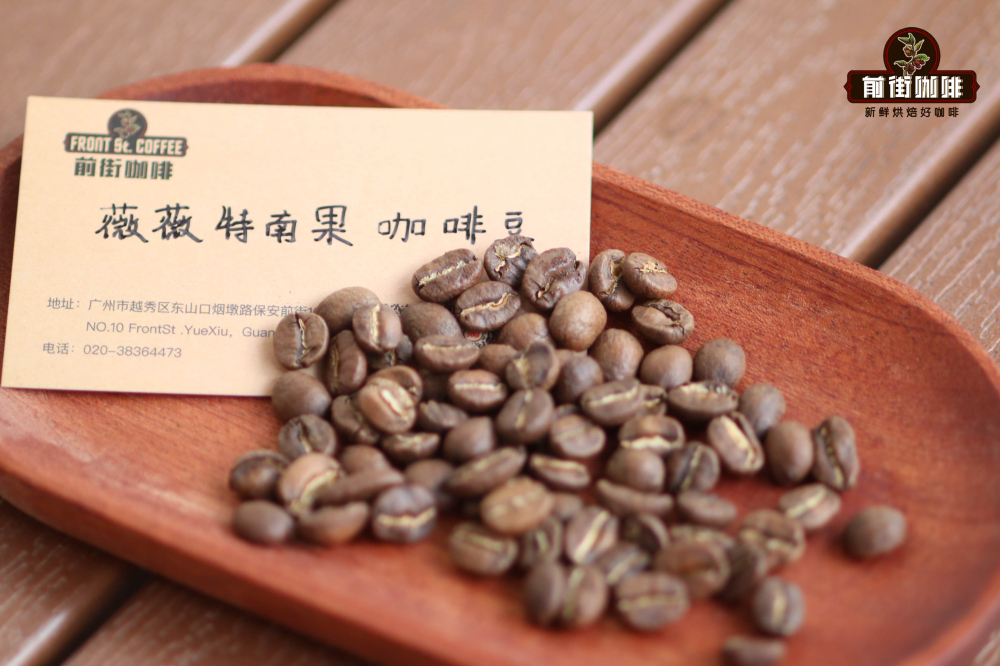
7. FrontStreet Coffee — Guatemala Huehuetenango
Region: Huehuetenango
Altitude: 1500-2000 meters
Variety: Bourbon, Caturra, Catuai
Processing Method: Washed
Flavor: Nuts, lemon peel, berries, citrus
Guatemala is a land of volcanoes, with very diverse microclimates and volcanoes. Coffee is grown at altitudes above 1500 meters, which are conditions for growing high-quality coffee. Guatemalan coffee has a rich juicy mouthfeel, and a smoky flavor is a unique characteristic of the country's coffee. Guatemala has eight major producing regions in total, divided into five volcanic regions and three non-volcanic regions. Huehuetenango belongs to one of the three non-volcanic regions and is also a very well-known coffee producing region. FrontStreet Coffee selected this coffee bean because it can express the regional flavor of Guatemala's producing area, where fruit acidity and nuts blend together.
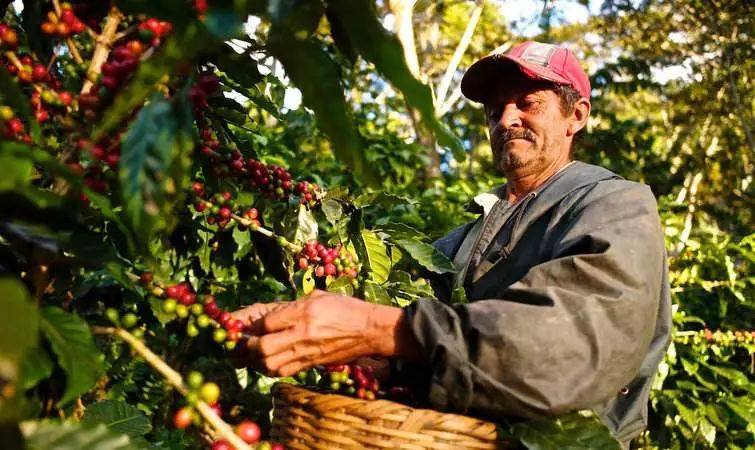
Guatemala's processing method is mainly washed, with a small amount natural. FrontStreet Coffee often encounters customers asking this question: what is the difference between washed and natural? You should know that even coffee beans from the same region and same farm can be divided into washed and natural. In fact, friends who often buy FrontStreet Coffee staple beans will find that most FrontStreet Coffee staple beans use the washed processing method, because washed processing can present the basic flavor of a producing region, and it is also the beginning of understanding regional flavor. The natural processing method adds sweet aroma and fermented notes on top of this basic flavor.
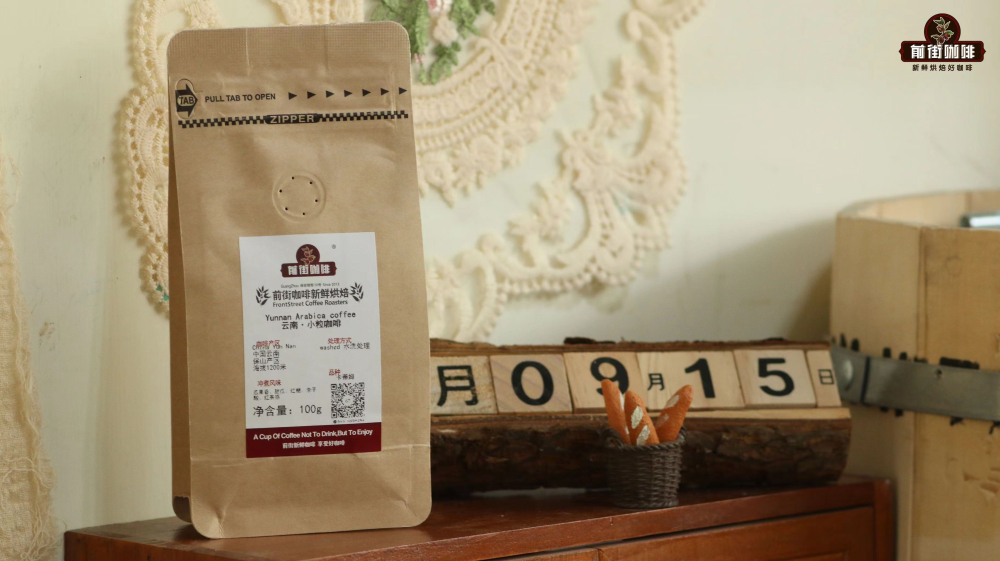
8. FrontStreet Coffee — Yunnan Small Seed
Region: Baoshan, Yunnan
Altitude: 1200 meters
Variety: Catimor
Processing Method: Washed
Flavor: Melon and fruit aroma, sweet melon, brown sugar, plum acidity, black tea note
At FrontStreet Coffee, you can find two kinds of Yunnan coffee beans: one is washed Typica, and one is Catimor coffee beans, which are also called "small seed coffee" because the coffee particles are small. Yunnan Typica is labeled as Yunnan specialty coffee, while Yunnan Catimor coffee beans are correspondingly labeled as Yunnan small seed coffee according to market custom. FrontStreet Coffee roasts both Yunnan coffees to a medium roast, because Yunnan is not an acidity-focused producing region. The coffee bean flavors are relatively balanced, with a base tone of nuts and brown sugar. This bean uses the Catimor variety, a hybrid created by the Portuguese crossing Timor and Caturra to improve disease resistance and yield. Catimor does not have pure Arabica lineage, because Timor is a Robusta variety. Although crossed with Caturra, it did not inherit Arabica genes, so its flavor is relatively flat and its bitterness is more prominent.
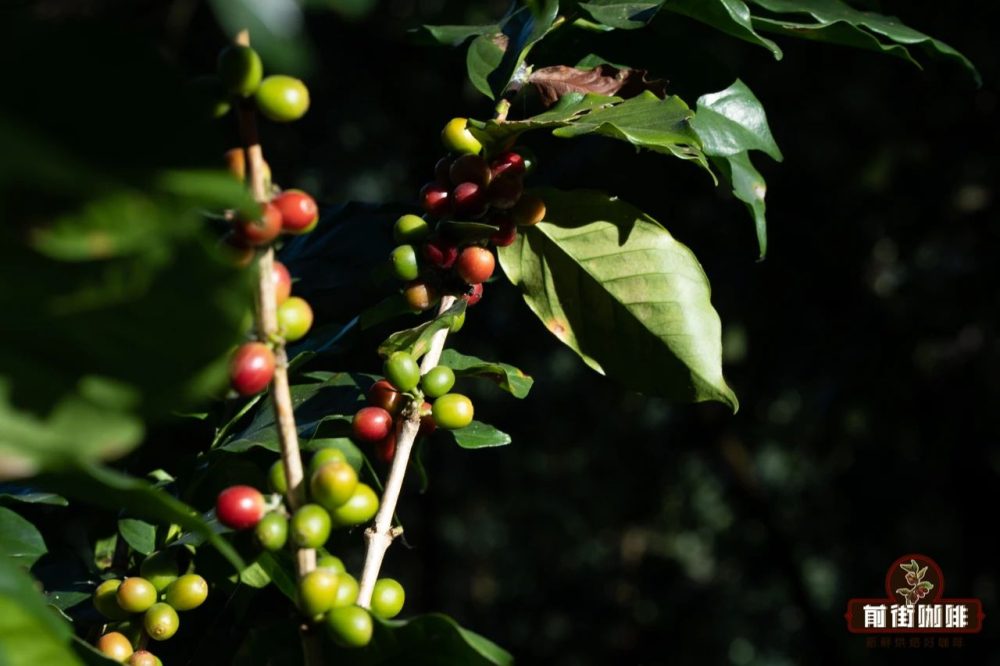
FrontStreet Coffee's this coffee uses washed processing. In flavor it can express a tea note and melon-fruit aroma. In mouthfeel it shows relatively rounded acidity, with a nutty feeling, obvious sweetness in the latter part, and a long, sweet caramel finish.
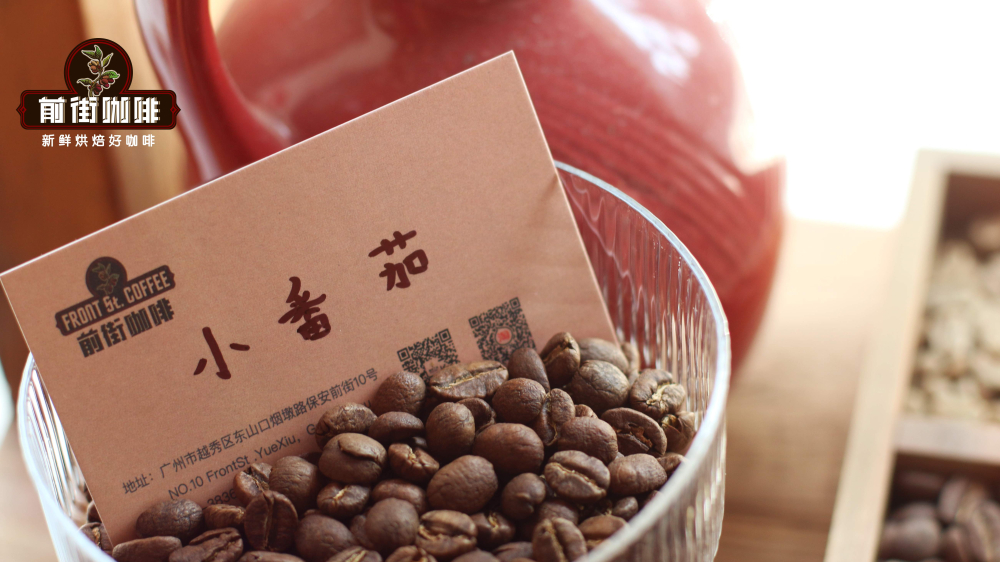
9. FrontStreet Coffee — Kenya Little Tomato
Region: Thika, Kenya
Altitude: 1550-1750 meters
Variety: SL28 SL34
Processing Method: K72 washed processing
Flavor: Pear, smoked plum, cherry tomato, yellow sugar, plum
Kenya is located in East Africa. The equator runs through central Kenya, and the East African Rift Valley runs north to south. Kenya has a lot of plateau terrain, with an average altitude of 1500 meters. Kenya is located in a tropical producing region, with two rainy seasons each year, and harvest seasons from October to December and June to August. Kenya's coffee planting areas are mainly distributed in volcanic land at altitudes of 1600 to 2100 meters. Because the planting altitude is suitable, the time needed for coffee cherries to mature is extended, the aromatic components in the coffee beans are fully absorbed, the fruit acidity is obvious, and the bean quality is relatively hard.
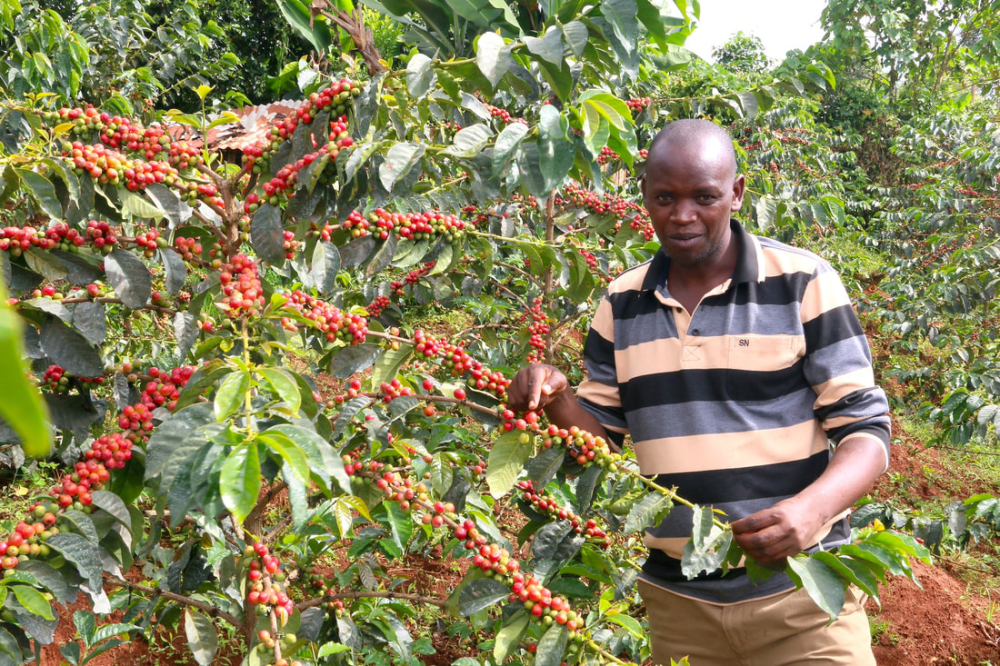
In the 1930s, in order to find coffee varieties that could adapt to Kenya's terroir, could be planted on a large scale, and had commercial value, the Kenyan government commissioned the Scott Laboratories to conduct research on coffee breeding. Finally, after more than ten years of research and selection, a series of coffee varieties with excellent flavor was successfully obtained. Among them, SL28 and SL34 are the legendary creators of Kenyan coffee's cherry tomato and smoked plum acidity.
10. FrontStreet Coffee — Costa Rica Tarrazu
Region: Tarrazu
Altitude: 1500 meters
Variety: Caturra, Catuai
Processing Method: Washed
Flavor: Sweet orange, honey, toffee, nuts
Costa Rica is the earliest coffee-growing country in Central America. Its coffee has always had the characteristics of balanced flavor, rich chocolate, and smooth mouthfeel. The Tarrazu producing region is located south of the capital San Jose and is one of Costa Rica's most valued and most famous coffee producing areas. Costa Rica is famous for honey processing. Front Street chose this washed Tarrazu coffee as a drip bag and staple bean because this bean can express a rich BODY, smooth mouthfeel, rich chocolate and nutty notes, moderate acidity, and an attractive aroma. This is also the main flavor of Costa Rica's coffee producing regions. The above are the drip bag coffees from different origins that FrontStreet Coffee recommends for everyone, in no particular order. Below, Front Street will demonstrate how to brew drip bag coffee.
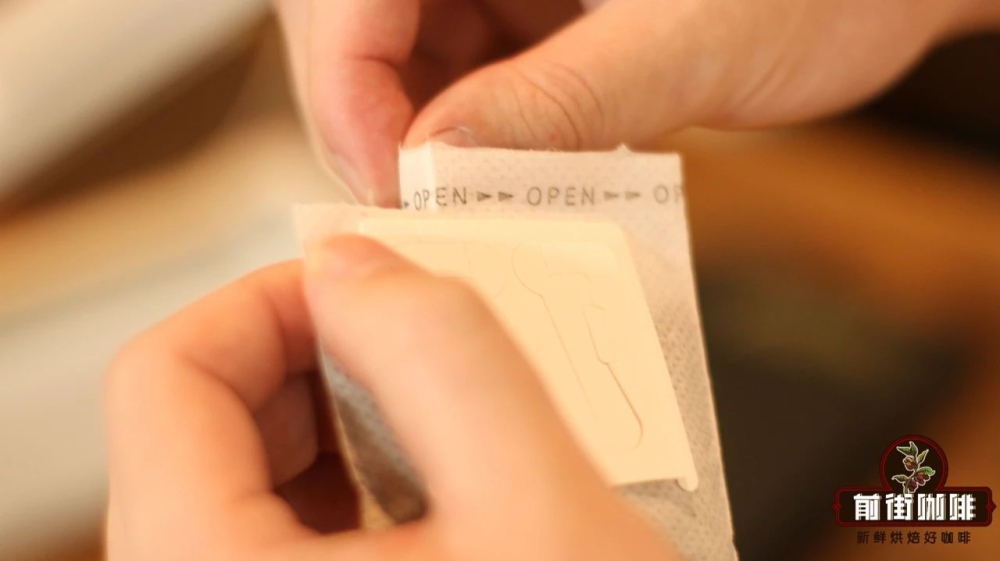
1. First, the net content of Front Street drip bag coffee powder is clearly marked (generally 10 grams). This solves the problem of a grinder and electronic scale.
2. Next, solve the water amount and water temperature. As with pour-over coffee, use a ratio of 1:15-1:16, so the brewed coffee liquid should reach 140 ml to 150 ml. Use a water temperature of about 90℃. If you have a thermometer or temperature-controlled kettle, give priority to using them. If not, you can roughly judge the temperature. Generally, after the kettle boils, turn off the heat source and open the lid, wait 2-3 minutes, and the water temperature will reach about 90℃ (at room temperature 28℃).

3. After preparation, take out and tear open the sealed opening of the drip bag, open the two "ears" on both ends of the filter bag, hang it on the rim of a mug (water cup), and shake the coffee powder layer flat.
4. For the first pour, just completely wet the coffee powder layer, and perform a 30s bloom.
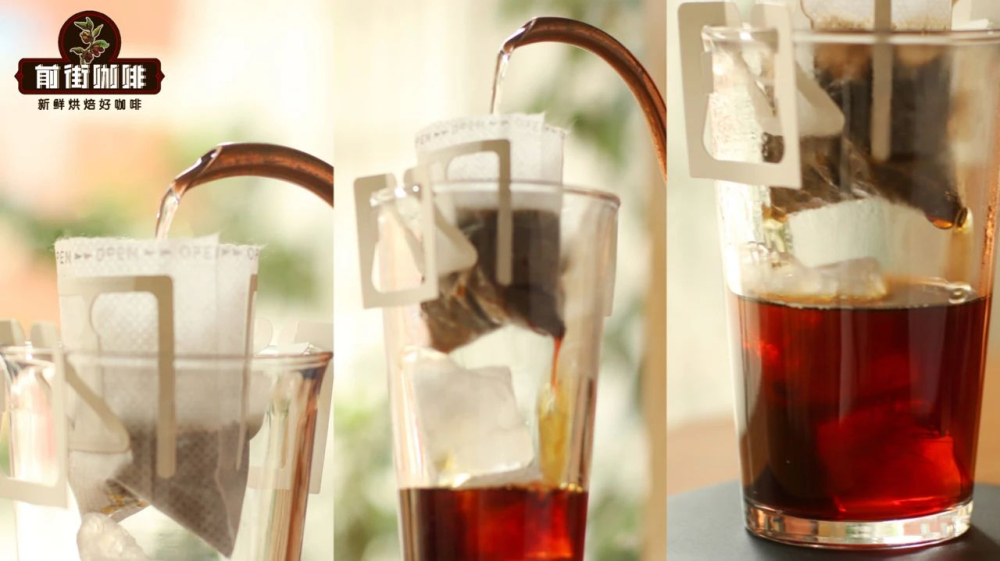
5. After the bloom, make the second pour. Pour in a small stream in circles directly to fill, wait for the powder layer to drop slightly, continue pouring to full, and repeat until the coffee in the cup reaches about 140-150 ml. Then you can remove the drip bag and enjoy it. (If you want a more precise water amount, you can also pour 150-160 ml of water into the pouring kettle. During brewing, after all the water in the kettle has been poured, wait for the coffee liquid to flow into the cup, then remove the drip bag. The whole brewing process is completed in about 1 minute.)
For more specialty coffee beans, please add the private WeChat Front Street Coffee (FrontStreet Coffee), WeChat ID:kaixinguoguo0925
The above content is compiled by CoffeeHunters, a coffee news website.


