







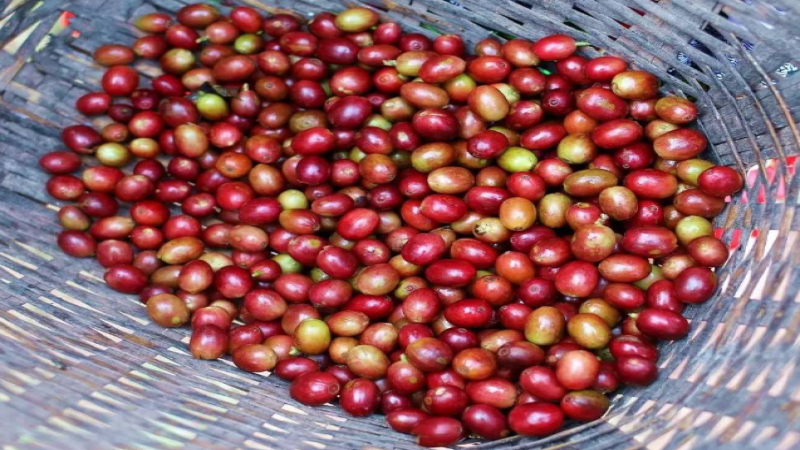
Why Does Arabica Matter in Colombia's Castillo Variety?
Castillo was released by Colombia's coffee research institute in 2005 to improve disease resistance, and it is now the country's most widely planted variety. It comes from five generations of crossing Timor and Caturra. Timor descends from a natural cross between Arabica and Robusta and resists leaf rust, while Caturra is a Bourbon mutation with good flavor and higher yield.
Colombia's location in the northwest of South America gives it volcanic soil, 2,000 to 3,000 millimeters of annual rainfall, mild temperatures, and high humidity, all of which suit Arabica. Finca San Jose, the birthplace of barrel fermentation, combines a refined washed process with rum barrel aging; the resulting cup is compared with Finca Paraiso Sakura beans through cupping.
Castillo is a variety bred by Colombia's coffee research institute to enhance disease resistance, and it has now become the country's main cultivated variety. This article, from the perspective of Front Street Coffee, systematically sorts out Castillo's hybridization origins and the terroir conditions of Colombia's four major southern production regions, then focuses on San Jose Estate—the birthplace of the barrel-fermentation processing method—explaining in detail its refined washed process combined with rum barrel fermentation, and compares this bean with Finca Paraiso Sakura coffee beans through cupping, along with roasting and brewing sharing, presenting coffee enthusiasts with a complete guide to production regions and processing methods.
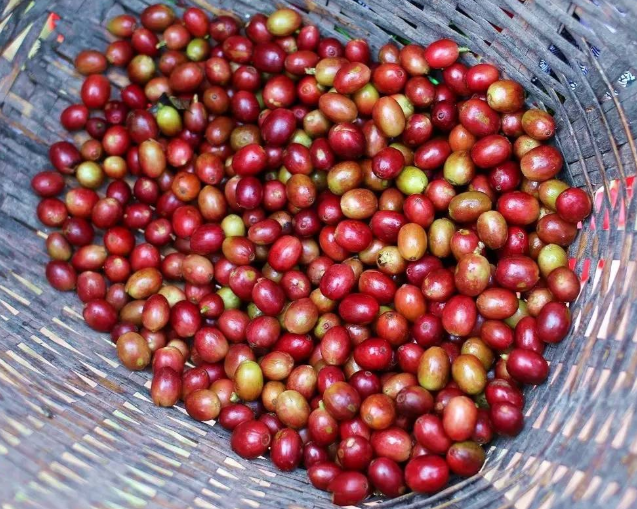
In the coffee world, Arabica and Robusta are the two most common varieties. The former dominates the specialty single-origin coffee segment, while the latter is mostly used in espresso blends or instant products. Today, Front Street Coffee is going to talk about Castillo, which was born from the hybridization of these two varieties.
What is Castillo variety coffee?
Castillo was released by Colombia's coffee research institute in 2005, with the original purpose of improving the plant's resistance to disease. It is now the most widely planted coffee variety in Colombia.
According to Front Street's understanding, the birth of Castillo went through five generations of hybridization and selection between Timor and Caturra. Timor originates from a natural cross between Arabica and Robusta, has a tall trunk, and can resist leaf rust. Caturra is the product of a natural mutation of Bourbon, with a shorter plant and higher yield than Typica and Bourbon, while inheriting Bourbon's excellent flavor genes. It can be planted at closer spacing, allowing more plants per unit area, but it is susceptible to leaf rust.
Growing conditions in Colombian coffee production regions
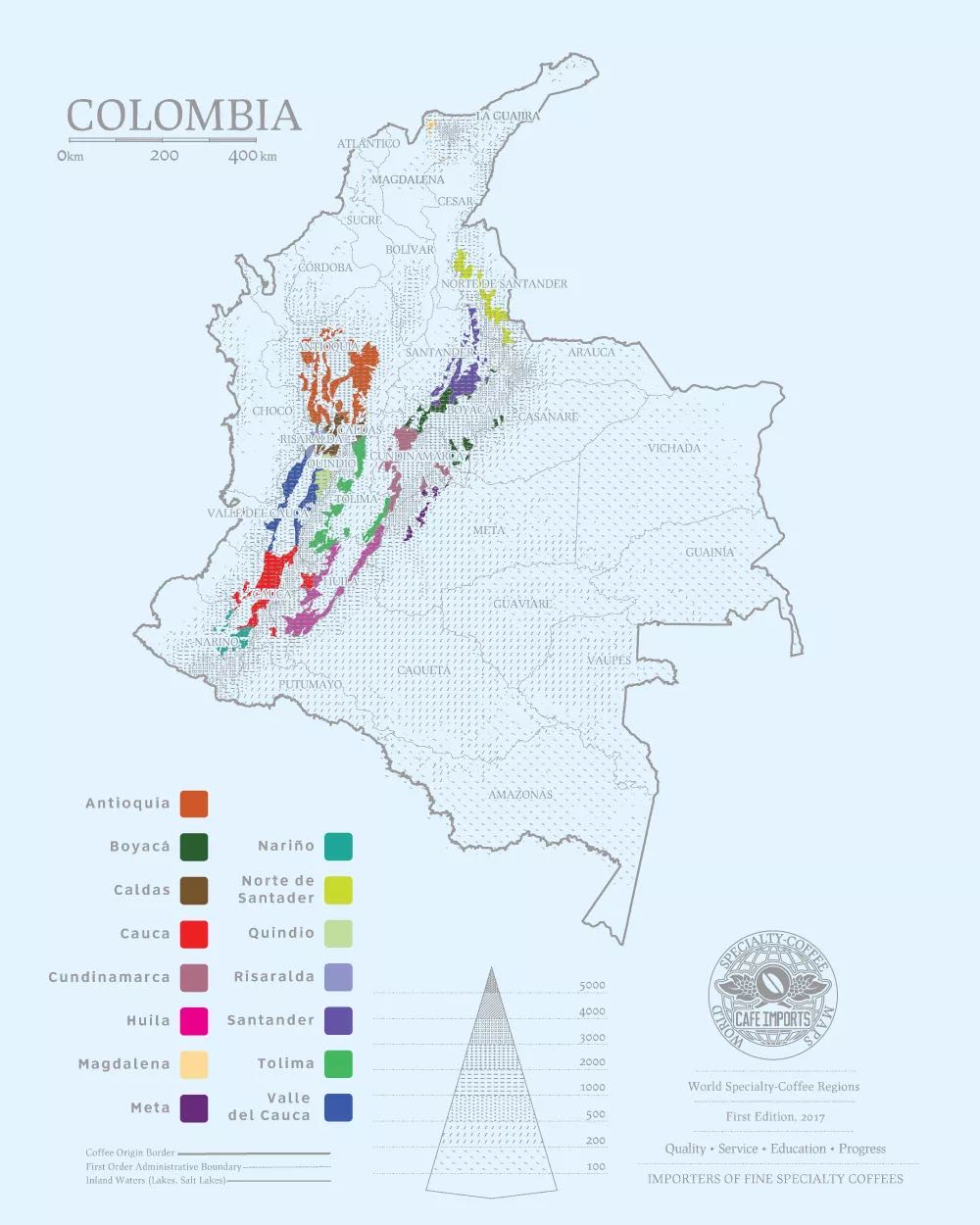
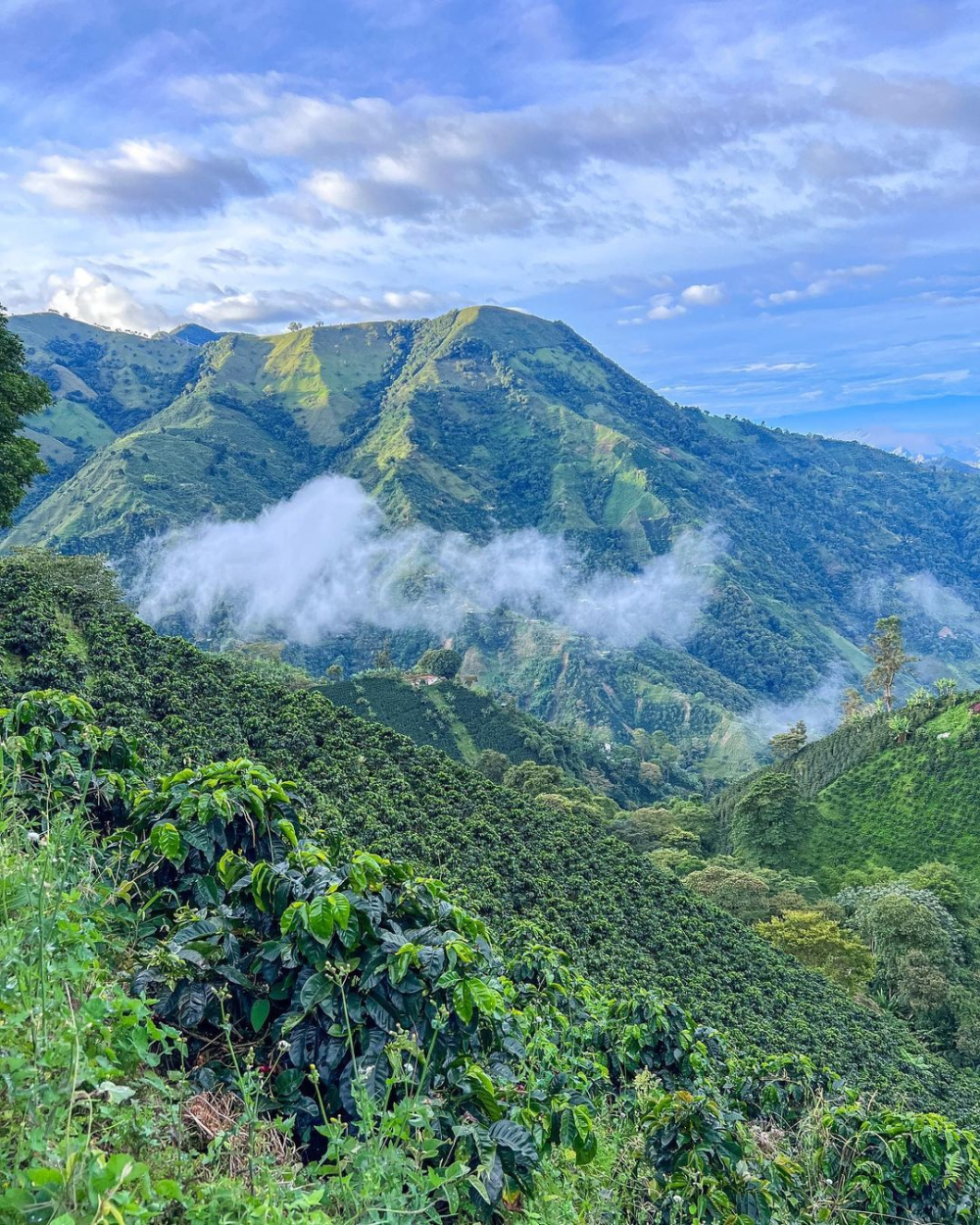
Colombia is located in the northwest corner of the South American continent, bordering Panama in Central America, and belongs to a tropical climate zone. The country's undulating terrain creates diverse climates, volcanic soil is fertile, annual rainfall is between 2000 and 3000 millimeters, temperatures are mild, and air humidity is high, providing an ideal environment for the growth of high-quality Arabica coffee. This climatic diversity also allows Colombia to harvest coffee throughout the year, which is precisely why the country's coffee quality is outstanding.
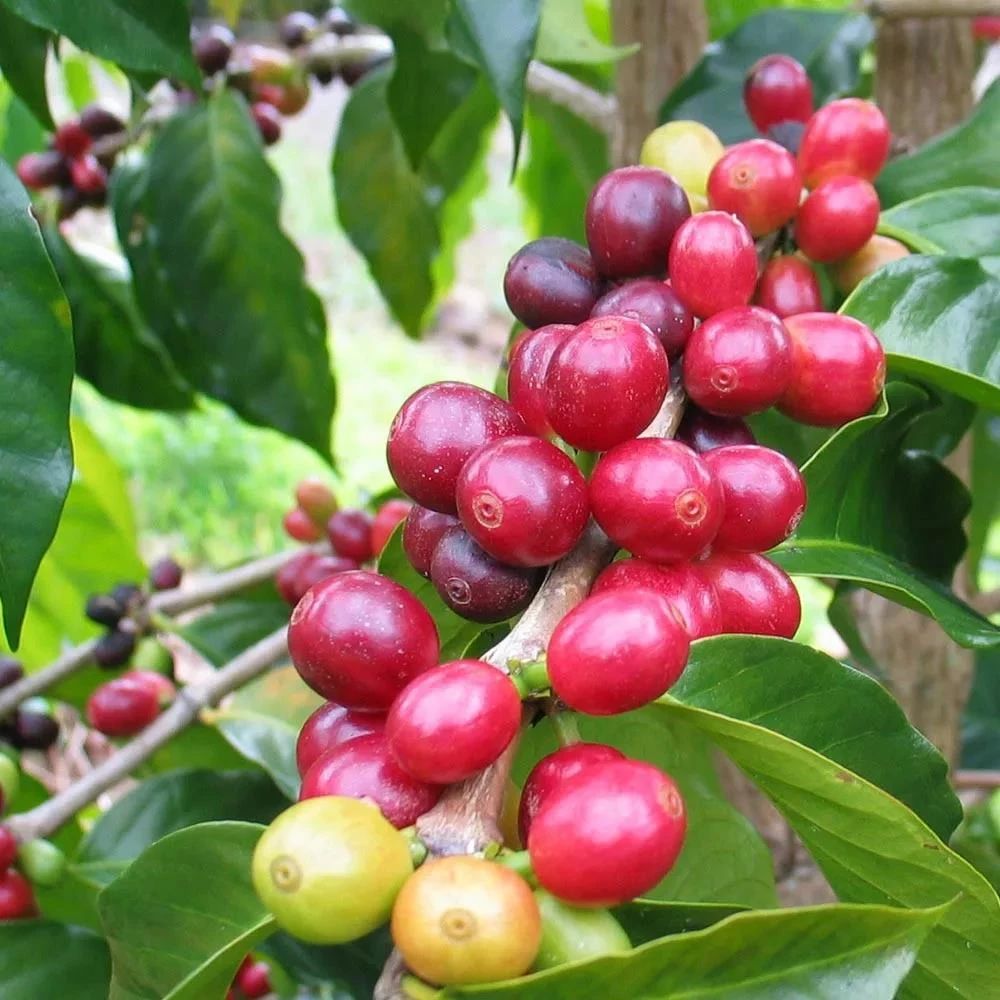
Colombia is said to have "four treasures": flowers, gold, emeralds, and coffee. This shows the status of coffee in the country.
Colombian coffee production regions
According to Front Street's understanding, Colombian coffee production regions are concentrated in the south, generally at altitudes above 1500 meters, mainly distributed in Huila, Cauca, Nariño, and Tolima. The coffees produced in these regions all have delicate acidity and berry sweetness, with outstanding sweetness performance.
Huila
Huila is located in the southern section of Colombia's Central Cordillera in the south of the country and is the country's most famous specialty coffee production region. The area is surrounded by mountains, with altitudes exceeding 1500 meters, and Colombia's most important rivers converge here, bringing abundant water resources and moisture. Unlike the public's conventional impression of Colombian coffee as balanced and smooth, many specialty Colombian coffees produced in smallholder micro-lots actually have distinct regional personalities. Front Street's Isabella coffee beans and Huila coffee beans are both produced in Huila, but their flavor expressions are very different.
Cauca
Cauca is a Colombian coffee denomination of origin certified production region, with an average altitude of 1758 meters and a maximum of up to 2100 meters. The region's terrain, rainfall, temperature, and volcanic soil create suitable conditions for coffee cultivation. 80% of the area is mountainous, with parallel mountain ranges in the east and center that are part of the Andes. The central range includes two main volcanoes, Sotara and Petacas. Cauca, like other southwestern production regions, has a clearly monomodal rainfall distribution, with the dry season concentrated from August to September each year, followed by the rainy season bringing a concentrated coffee flowering period, and the next year ushering in a concentrated harvest season.
The biggest climatic difference between the Cauca production region and other regions is probably the relatively large temperature difference—the average daily temperature is 11°C, and the average daytime temperature is 18°C. The day-night temperature difference is a key factor in producing high-quality coffee. Low nighttime temperatures, combined with relatively higher altitudes, slow down the pace of coffee growth, allowing coffee seeds and beans to more fully absorb nutrients from the coffee fruit, and also creating Cauca coffee's more outstanding acidity and widely praised special sweetness.
Nariño
Nariño is located in southwestern Colombia, bordered by the Pacific Ocean to the west and Ecuador to the south, with the Andes running through the entire region. Coffee is grown in the cloud belt at altitudes of 1600 to 2300 meters, and the soil is fertile volcanic soil. The vast majority of Nariño's annual production is purchased by large American bean merchants. The province's total annual production is about 150,000 bags, of which only about 6,000 bags are specially selected beans.
Tolima
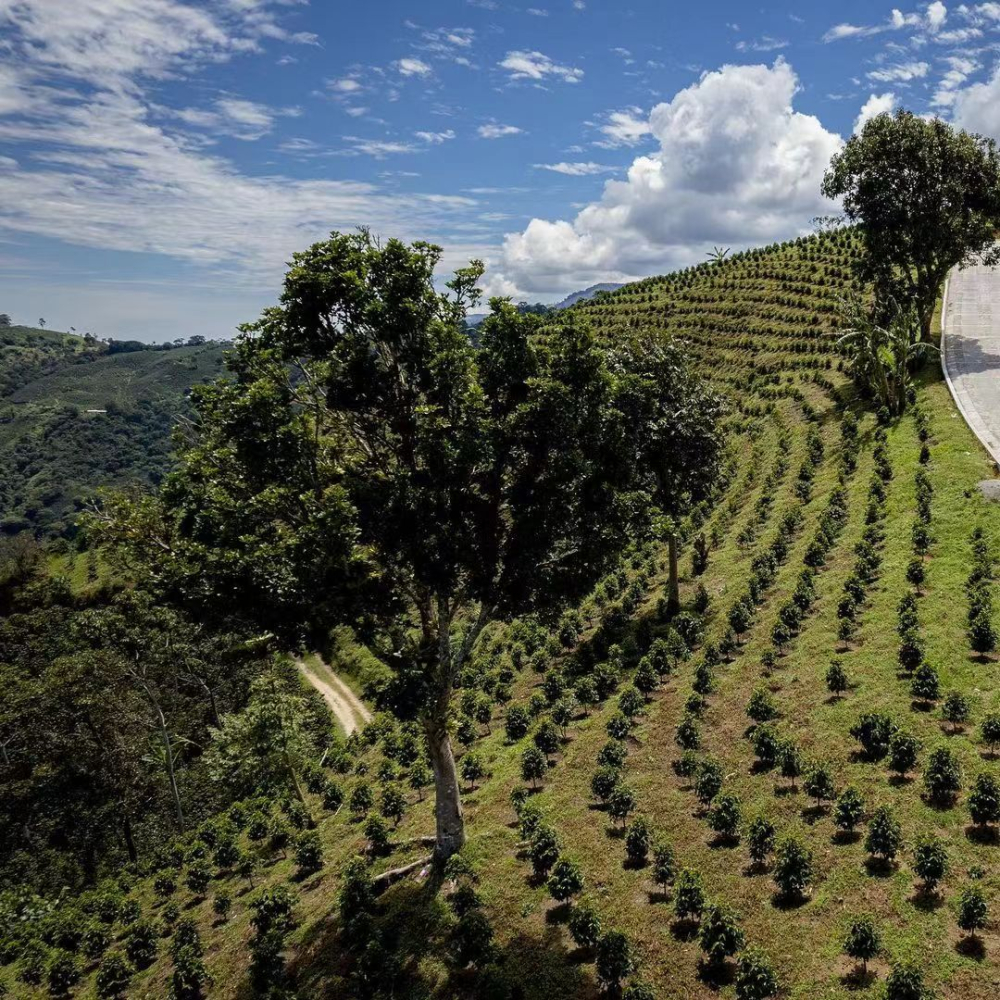
Tolima is adjacent to Huila and Cauca. The north-south trending Andes and Cordillera run through it, and between the two famous mountain systems flows the Magdalena River from south to north. Its water and soil conditions are very suitable for coffee cultivation.
In addition, according to Front Street's understanding, farms in Tolima are generally slightly larger than those in other southern Colombian production regions, at about 10 to 15 hectares. The cooperative model is also prevalent here, with farmers sending their small batches of coffee cherries to cooperative processing stations. Some farmers also choose to process their own coffee, using their own small-scale processing facilities to handle the day's harvest.
The above is the information on cultivation in Colombian coffee production regions. Next, Front Street Coffee will share all of the Front Street Colombian Castillo variety coffee beans currently available in the shop.
Front Street Coffee: Front Street Colombia San Jose Estate coffee beans
Country: Colombia Region: Caldas Altitude: 1750m Variety: Castillo Processing method: refined washed rum barrel fermentation Flavor: rum, liqueur chocolate, tropical fruit, maple syrup
The reason Front Street Coffee listed this bean is that after cupping and brewing, it was found that Front Street San Jose coffee, on the basis of its vinous notes, also presented a rich tropical fruit mouthfeel. There are similarities, yet it is uniquely distinctive, which led Front Street to finally decide on and list this bean.
At the same time, the estate's third-generation owner is precisely the founder of the barrel fermentation processing method. The inspiration for this processing method came from a sudden idea she had while accompanying her husband in making rum—what would happen if green coffee beans were put into oak barrels? Would they absorb the oak barrel flavor like the original liquor and achieve a barrel-aged effect?
With this idea, the lady owner Monsalve Botero, starting in 2013, placed green beans into rum barrels of different ages for low-temperature fermentation in the style of winemaking, and compared the fermentation flavors produced over different periods of time. Through repeated experiments, she selected the most suitable barrels and fermentation duration. Ultimately, she successfully found the best combination, achieving a special and satisfying flavor, thereby creating rum barrel fermented coffee different from traditional washed coffee. So what is the process of this processing method? Front Street Coffee will share it with coffee lovers below.
Refined washed processing + rum barrel fermentation
The owner of San Jose Estate selected Castillo variety coffee beans, hand-picked fully ripe coffee cherries, fully washed them, and let them ferment for 20 hours. They were then placed into rum oak barrels aged more than 8 years, and the beans were left to rest in the barrels for three months, rolled once a day to evenly absorb the aroma of the liquor.
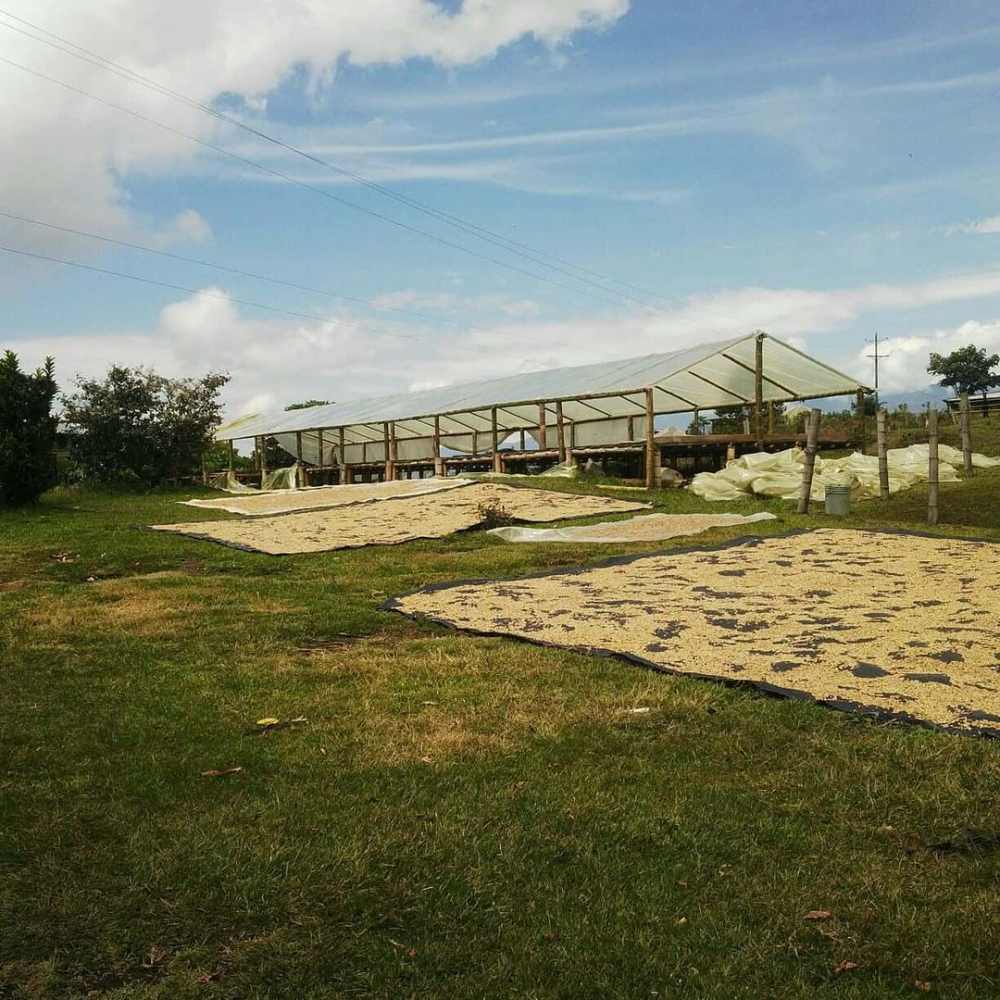
During barrel fermentation, samples of the coffee beans in the barrels are taken every 30 days to ensure the degree of fermentation and whether the liquor aroma has been fully absorbed, reducing cases of insufficient or excessive absorption, so that when the coffee beans are finally finished, their characteristics can be more distinct and complete. After fermentation is completed, the rum-flavored coffee beans are taken for greenhouse drying. The greenhouse temperature is even, which can prevent the high temperatures brought by sun-drying on African raised beds from causing secondary fermentation of the coffee beans.
Because this Front Street Colombian San Jose coffee bean uses the same processing method as the two Front Street Honduras coffee beans in the Front Street Coffee shop, Front Street Coffee used these two kinds of coffee beans for a cupping comparison and reached the conclusion that the flavor sequence of the two Honduras barrel-fermented coffee beans is first vinous aroma, then soft fruit acidity, and finally a creamy mouthfeel along with nutty and cocoa flavors.
As for this Front Street San Jose rum barrel fermented coffee bean, it first shows nutty and cocoa flavors and a creamy mouthfeel, then immediately surges with rum aroma, followed by tropical fruit acidity and maple syrup sweetness.
Front Street Coffee: Colombia Finca Paraiso Sakura coffee beans
Country: Colombia Region: Cauca (Finca Paraiso) Altitude: 2050m Variety: Castillo Processing method: double anaerobic washed processing Flavor: spice, tea-like, citrus
Front Street Sakura coffee comes from Finca Paraiso in Cauca, Colombia. Front Street thinks the name "Sakura" probably comes from its cherry blossom-like aroma, hence the name.
According to Front Street's understanding, Finca Paraiso was actually only discovered by coffee lovers in 2015, making it a rising star. It is a coffee estate that Mr. Diego Samuel began operating in 2008, originally just a small family-style estate of 2.5 hectares. The estate owner invested the surplus from each year's harvest into coffee agriculture research and continued to study how to better produce specialty flavors. It was not until 2015 that he participated in a local regional competition for the first time and won first place. After becoming famous overnight, he gained industry recognition, which also gave him more motivation to promote specialty coffee cultivation. That is how Finca Paraiso became widely known to coffee lovers.
Characteristics of anaerobic fermentation processing
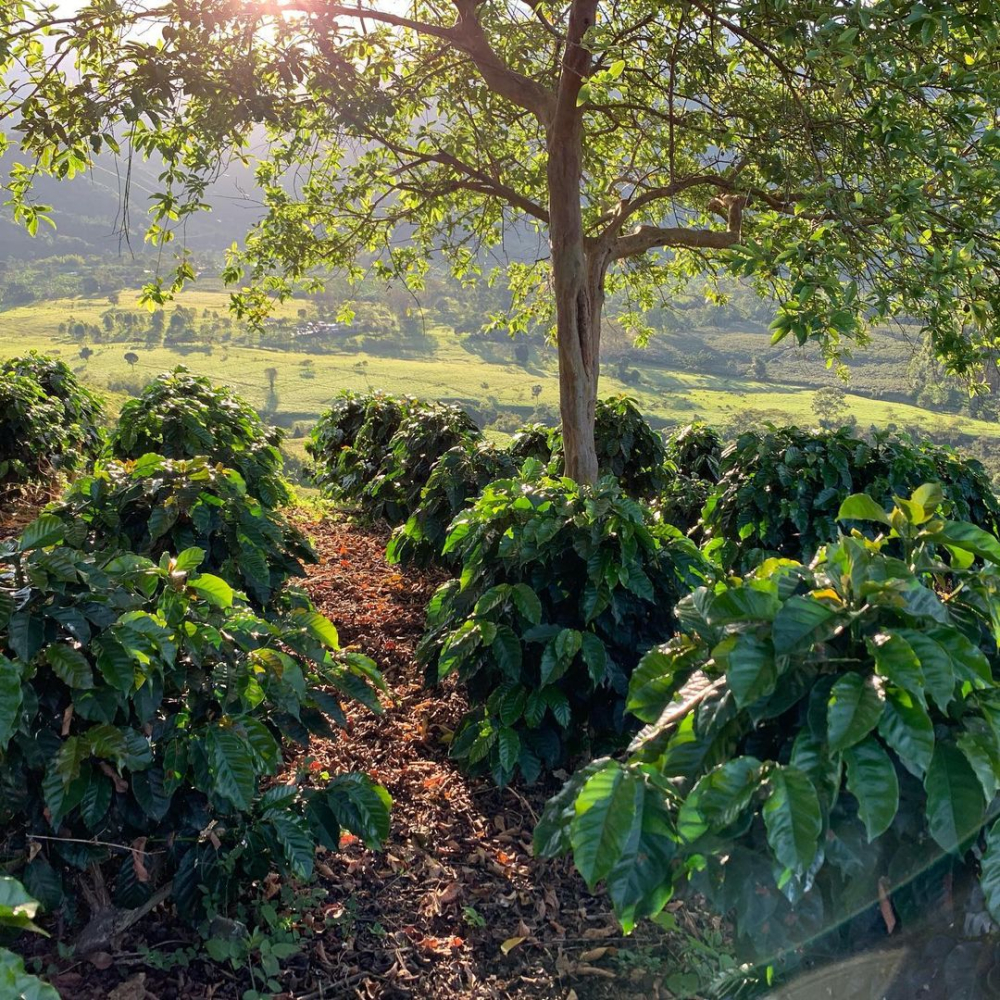
Stainless steel containers are used (which will not absorb the flavors of previous coffee beans) to hold coffee cherries, making the flavor cleaner. Fermentation in a sealed environment makes various factors easier to control, makes each batch of processed coffee beans more likely to be consistent, and prevents aromatic substances from volatilizing easily. Fermentation in an oxygen-free environment makes the flavor rounder and prone to creamy and buttery aromas. Front Street also believes that coffee beans using this processing method usually have fuller body and vinous aromas.
Before listing each new bean, Front Street Coffee conducts roasting and brewing tests, selecting the optimal set of parameters to hand-brew for the coffee lovers in the Front Street Coffee shop to taste. Next, Front Street will share the roasting and brewing parameters for these two coffees.
Front Street Coffee roasting data sharing:
Front Street Colombia Sakura coffee beans:
Taking Yangjia semi-direct fire 800n, 300g green beans as an example. Charge at a drum temperature of 190°C, heat power 140, damper opened to 3; turning point at 1'42", when the drum temperature is 140°C open the damper to 4, heat power unchanged; when the drum temperature is 151.8°C the bean surface turns yellow, the grassy smell completely disappears, and it enters the dehydration stage. When the drum temperature reaches 150°C, adjust the heat power to 120, damper unchanged. At 8'38", ugly wrinkles and dark speckles appear on the bean surface, and the toast aroma clearly turns into coffee aroma, which can be defined as the prelude to first crack. At this time, listen clearly for the sound of the first crack point. First crack begins at 9'07", open the damper to 4, develop for 2'10" after first crack, and drop at 195°C.
Front Street Colombia San Jose Estate coffee beans
Taking Yangjia semi-direct fire 800n, 300g green beans as an example. Charge at a drum temperature of 190°C, heat power 140, damper opened to 3; turning point at 1'42", when the drum temperature is 140°C open the damper to 4, heat power unchanged; when the drum temperature is 151.8°C the bean surface turns yellow, the grassy smell completely disappears, and it enters the dehydration stage. When the drum temperature reaches 150°C, adjust the heat power to 120, damper unchanged; at 8'38", ugly wrinkles and dark speckles appear on the bean surface, and the toast aroma clearly turns into coffee aroma, which can be defined as the prelude to first crack. At this time, listen clearly for the sound of the first crack point. First crack begins at 9'07", open the damper to 4, develop for 2'10" after first crack, and drop at 195°C.
Front Street Coffee brewing suggestions
Dripper: V60 dripper Water temperature: 90-91°C Dose: 15 grams Coffee-to-water ratio: 1:15 Grind size: medium-fine grind (78% passing through a No. 20 standard sieve)
Use a three-stage brewing method
Use 30 grams of water for blooming, bloom for 30 seconds; pour with a small stream at the center to 125 grams as the first stage, and when the water level drops and is about to expose the coffee bed, increase the flow and pour to 225 grams, then stop. When the water level drops and is about to expose the coffee bed, remove the dripper. (Start timing at the beginning of blooming.) Extraction time is between 2'00" and 2'10".
Front Street Colombia Sakura coffee bean flavor description: Obvious spice tea, citrus-like acidity, smooth, slight floral aroma, moderate body. Front Street Colombia San Jose Estate coffee bean flavor description: Has flavors of rum, liqueur chocolate, tropical fruit, and grape, maple syrup sweetness, and a creamy mouthfeel.
The above content is compiled by CoffeeHunters, a coffee news website.


