







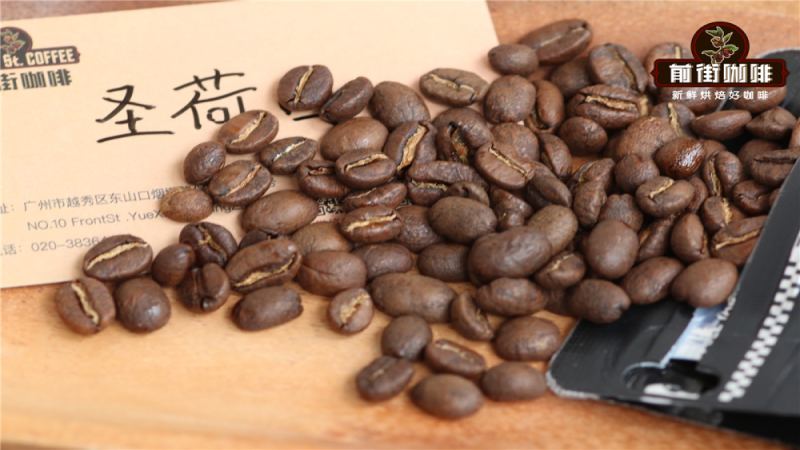
How Should Colombian Coffee Crop Beans Aged in Rum Barrels Be Brewed?
Finca San Jose in Colombia's Caldas region rests Castillo green beans in aged rum barrels for three months, drawing in rum aroma. Brewed as pour-over, the cup layers rum, nut and tropical fruit notes. The estate sits at about 1,750 meters, and cherries are picked when ripe to a slightly purple color.
Caldas, Quindio and Risaralda form Colombia's Coffee Triangle, and Caldas was listed by UNESCO in 2011 as a heritage site tied to early coffee farming. The barrel-fermentation idea came from the estate's lady owner, not from Honduras, where similar whiskey and sherry barrel methods later drew wide attention.
The barrel fermentation process was not invented in Honduras; its inspiration came from a flash of insight by the lady owner of Finca San Jose in Colombia. This rum barrel fermented bean brought to you by Front Street Coffee comes from the Caldas region, at an altitude of 1750 meters, and is of the Castillo variety. The green beans rest in aged rum barrels for three months, absorbing a rich rum aroma. This article will fully introduce the estate background, processing flow, and roasting curve, and provide parameters and staged extraction methods for both hot pour-over and iced pour-over, helping you brew a layered cup with rich rum, nut, and tropical fruit flavors at home.
When people mention barrel-fermented coffee, many first think of Honduras's whiskey-sherry barrel processed beans, whose intense whiskey aroma is unforgettable after just one try. But if we trace the origin of this processing method, we actually have to go back to Finca San Jose in Colombia—and a flash of inspiration from the estate's lady owner. Front Street is equally curious about barrel fermentation, so let's take a closer look at this processing method below.
Front Street Coffee (FrontStreet Coffee) — Colombia Rum Barrel Fermented Coffee Beans
Region: Colombia, Caldas
Estate: Finca San Jose
Altitude: 1750m
Variety: Castillo
Processing Method: Rum Barrel Fermentation
Caldas Coffee Region, Colombia
When it comes to Colombia's specialty coffee regions, most people immediately say Huila or Cauca, while Caldas is rarely mentioned. In 2011, this region was listed by UNESCO as a Colombian cultural heritage site, and it is also where coffee was first produced as a crop. Finca San Jose covers 222 hectares and is located in the central mountain range at an altitude of 1,350 to 1,470 meters, with most planting areas facing the sunny side.
Nourished by the Nevado del Ruiz volcano, the estate has fertile soil, and the temperature remains between 21 and 25 degrees Celsius year-round. The estate has established a mature cherry harvesting standard: coffee cherries suitable for picking must be ripe to a slightly purple color, and the harvest period is concentrated in the second and third harvest seasons of the year. Caldas, Quindio, and Risaralda together make up Colombia's “Coffee Triangle,” and the three regions account for the vast majority of coffee produced in the country. Coffee from Caldas is known for its distinct vanilla aroma, soft acidity, and full body.
Introduction to Finca San Jose
Finca San Jose is a family business founded in 1963 and now managed by the third generation of the family. Their shared goal is to protect the natural environment and resources as much as possible: maintaining planting diversity, allowing local animals to reproduce, protecting water sources and irrigation systems, and introducing more advanced equipment and systems so that the local community can both preserve tradition and achieve development. At Finca San Jose, every effort is made for one thing only—producing good coffee.
In the recent wave of specialty coffee, Finca San Jose Estate in Colombia has been actively seeking breakthroughs and trying to forge its own path. One day, while helping her husband—who is involved in making rum oak barrels and brewing rum—fill rum distillate for fermentation, the estate's lady owner Monsalve Botero suddenly thought: if green coffee beans were put into oak barrels to ferment, would they develop a different flavor? So, starting in 2013, she tried wine-style low-temperature fermentation using Colombian oak barrels of different aging lengths combined with different fermentation times. Finally, in this year's batch, she found the ideal flavor and produced a refined washed rum barrel fermented bean that is different from traditional washed coffee.
The Process of Rum Barrel Fermentation
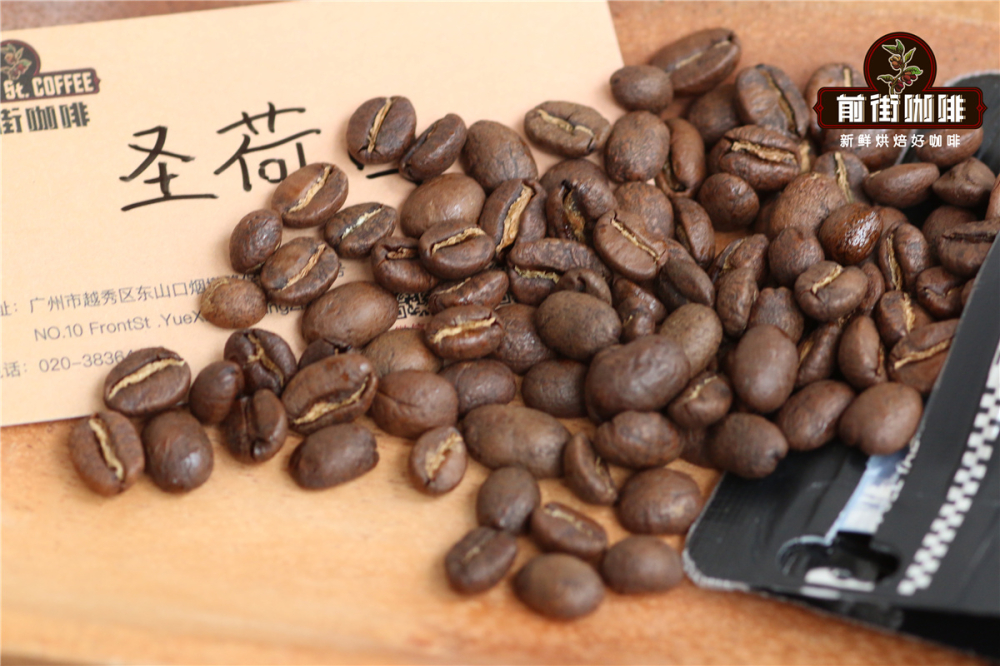
After the coffee cherries are depulped, they are washed, and the fermentation time does not exceed 20 hours. They are first dried in a SILO to the target moisture content, then naturally dried outdoors under rain cover until complete. For the special rum barrel fermentation batches, the above processed coffee beans are selected through screens, with 17/18 mesh beans chosen, and then placed in rum barrels that have been used for more than 8 years and are full of “Tafia” aroma, where they rest for 3 months. During this period, samples are taken every 30 days for analysis. The only goal is to let the coffee beans absorb and present rum flavor.
What Exactly Is Castillo?
Castillo is the result of five generations of crossbreeding and selection between Timor and Caturra: Timor comes from a natural cross between Arabica and Robusta, has a tall plant, and is resistant to leaf rust; Caturra is the result of a natural mutation of Bourbon, has a short plant, yields more than Typica and Bourbon, and inherits Bourbon's excellent flavor well. It allows for close plant spacing and denser planting per unit area, but it is susceptible to leaf rust.
How Does Front Street Roast This Coffee Bean Full of Rum Aroma?
Charge at a drum temperature of 190°C, with heat at 140 and airflow opened to 3; the turning point is at 1'42". When the drum temperature reaches 140°C, open the airflow to 4 while keeping the heat unchanged; when the drum temperature reaches 151.8°C, the bean surface turns yellow, the grassy smell completely disappears, and the dehydration stage begins. When the drum temperature reaches 150°C, adjust the heat to 120 and keep the airflow unchanged. At 8'38", ugly wrinkles and dark streaks appear on the bean surface, and the toast smell clearly turns into coffee aroma, which can be defined as the prelude to first crack. At this point, listen carefully for the sound of first crack. First crack begins at 9'07", open the airflow to 4, develop for 2'10" after first crack, and drop at 195°C.
Front Street Coffee (FrontStreet Coffee) Brewing Sharing!
This San Jose coffee bean has a rich aroma of alcohol and is suitable for both hot pour-over and iced pour-over. To make the flavor more layered, Front Street chooses the V60 dripper for brewing, because the spiral ribs of the V60 dripper extend to the outlet, and combined with staged extraction, it can enhance layering.
First, sharing the hot pour-over parameters
Dripper: Hario V60
Coffee-to-water ratio: 1:15
Dose: 15g
Water temperature: 91°C
Grind size: fine granulated sugar (80% passing through a No. 20 sieve)
Front Street Coffee (FrontStreet Coffee) staged extraction method: first use 30g of water to fully wet the coffee bed into a “hamburger” shape and bloom for 30 seconds; in the second stage, at 1 minute 00 seconds on the timer, pour to 125g, then stop and wait until the water level drops to 2/3 of the coffee bed before pouring the third stage; in the third stage, at 1'40" on the timer, pour to 225g, and after the coffee liquid has completely dripped through, the total extraction time is 1'59". After extraction is complete, gently swirl, and taste once the coffee liquid is even.
Hot pour-over flavor of San Jose coffee beans: it smells of rich fermented alcohol aroma; on the palate there are rum, nuts, tropical fruit, cream, and an oolong tea note, with obvious sweetness and an overall balanced profile.
Next is the iced pour-over parameter sharing
Dripper: Hario V60
Coffee-to-water ratio: 1:10
Dose: 15g
Water temperature: 91°C
Grind size: slightly finer than fine granulated sugar (82% passing through a No. 20 sieve)
Ice: 100g
Because ice cubes need to be added for dilution, the coffee-to-water ratio should be reduced, and the coffee beans should be ground finer at the same time.
Also use staged extraction: use 30 grams of water to bloom for 30 seconds, then pour in a small stream in circles until 90 grams, at which point a stage break is made. When the water level drops and is about to expose the coffee bed, continue pouring until 150 grams and stop. When the water level drops again and is about to expose the coffee bed, remove the dripper. The extraction time is 1'25" (starting timing from the beginning of the bloom), then add 100g of ice cubes, stir thoroughly until even, and taste.
Iced pour-over flavor of San Jose coffee beans: the fermented alcohol aroma on the nose is less obvious than in the hot pour-over; on the palate, rum aroma arrives together with the soft acidity of tropical fruit, followed by nutty aroma, with high sweetness and a smooth mouthfeel.
The above content is compiled by CoffeeHunters, a coffee news website.


