







Where do coffee beans originate from in this Colombian case?
These beans come from Colombia's San Jose Estate, a century-old farm in the Nevado del Ruiz volcanic region, where nutrient-rich soil, year-round sunlight, and temperatures of 20 to 25 degrees Celsius support coffee growing. The Castillo variety was used, developed by the Colombian Coffee Growers Federation's research institute and planted across roughly 40 percent of Colombia's coffee area.
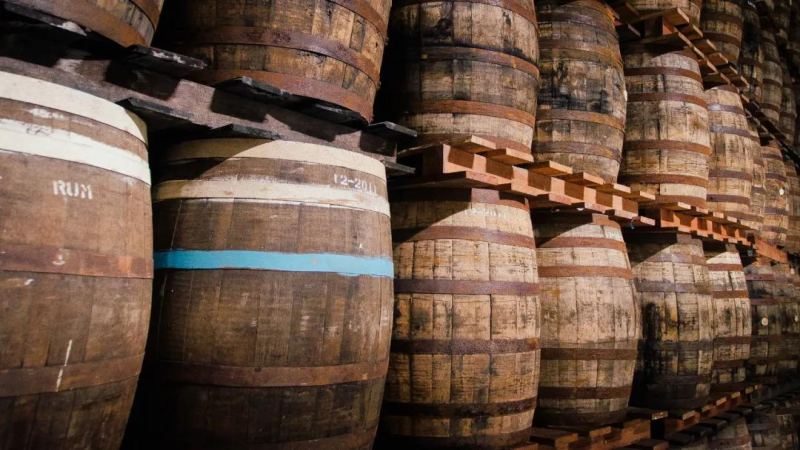
Processing starts with fermentation in wine barrels, an idea from the estate owner whose husband works in wine, followed by washed processing and drying. Brewed in a V60, the coffee shows rum fermentation character, grape-like acidity, and a maple syrup finish. In terms of Colombian coffee taste, the profile reads balanced and smooth, with wine-like notes standing out.
Colombia's San Jose Estate, with its century-old heritage and volcanic soil advantages, has nurtured a uniquely distinctive barrel-fermented coffee. This article will guide you through the origin background of these Front Street Colombia San Jose coffee beans, the characteristics of the Castillo variety, and its unique barrel fermentation followed by washed processing method. Through actual V60 brewing tests, these beans present a rich rum fermentation character, grape-like acidity, and a maple syrup finish, with an overall balanced and smooth profile. If you prefer coffee with wine-like notes, you may want to explore its flavor performance alongside this article.
Today I tasted a barrel-treated coffee bean from Colombia, named Front Street Colombia San Jose Coffee. Colombia's standing in the specialty coffee world needs no elaboration—its unique growing environment combined with exquisite processing techniques is what creates such outstanding flavor performance.
San Jose Estate is a long-established, century-old Colombian estate that has been passed down for a hundred years. The estate is located in the Nevado del Ruiz volcanic region, where volcanic soil is rich in nutrients, sunlight is abundant year-round, and temperatures remain between 20 and 25 degrees Celsius throughout the year, providing ideal conditions for coffee cultivation.
These Front Street San Jose coffee beans originated from a flash of inspiration by the female estate owner. Since her husband works in the wine industry, the estate owner wondered: if coffee cherries were placed in wine barrels to ferment, could a truly distinctive coffee be obtained? Thus, these Front Street Colombia barrel-fermented coffee beans came into being.
The variety selected for Front Street San Jose Coffee is Castillo. This variety was developed by the Colombian Coffee Growers Federation's research institute and is often discussed because it contains some Robusta genes. However, Castillo's flavor performance is actually not inferior to Caturra, and it possesses excellent disease resistance. Currently, about forty percent of Colombia's coffee-growing area uses this variety. The processing flow for these Front Street Colombia San Jose coffee beans is: first barrel fermentation, followed by washed processing, and finally drying.
I chose the V60 dripper for brewing this time, and the coffee flavors presented were: a rich rum fermentation note upon entry, followed by the acidity and fruity character of grapes, with a maple syrup-like sweetness in the finish, and an overall balanced and smooth mouthfeel. Friends who enjoy wine-like flavor profiles may want to try these Front Street Colombia San Jose coffee beans.
The above content is compiled by CoffeeHunters, a coffee news website.


