







Search Results for: Marcala
What makes coffee from Honduras's Marcala region so unique? The right way to savor Central American coffee
Honduras, as the largest coffee producer in Central America, has a relatively lagging industry development. This article will introduce you to the country's coffee-growing history and the challenges of drying and storage it faces, with a focus on the three major producing regions of Montecillos, Copán, and Agalta, as well as the highest-quality Marcala region. You will also learn about the fair trade model and organic farming philosophy of the Marcala region, as well as Front Street Coffee's summary of Honduran coffee flavors—gorgeous fruit notes and bright acidity. Finally, we will share how to drink Honduran coffee to better appreciate its unique charm. [more…]
An Analysis of Honduran Coffee Aroma Characteristics: From COE Champions to Sweet Orange Estate Specialty Beans Overview
As an important coffee-producing country in Central America, Honduras has long been labeled as a source of "average-quality blended coffee," but the inaugural COE competition in 2004 made the world re-examine the terroir potential of this land. From the perspective of Front Street, this article will review Honduras's six major producing regions and distinctive micro-regions, with a focus on specialty coffee beans from Sweet Orange Estate in La Paz Department in the southwest and Mocha Estate in the Marcala region, analyzing the source of their orange aroma and their cupping performance. It also includes Front Street's roasting curve and brewing parameters for washed Caturra, providing coffee enthusiasts with a complete reference from understanding producing regions to hands-on brewing. [more…]
Honduras Marcala Estate Barrel-Fermented Violet Coffee: A Full Analysis of Flavor, Region, and Variety
Honduras, as an important coffee-producing country in Central America, has gradually emerged in the international market in recent years. Located in the Lempira region, the Morade Estate has attracted the attention of many coffee enthusiasts with its barrel fermentation process and the unique flavor of its Violet coffee. This article will take you deep into the background of Front Street Honduras Violet Coffee's growing region, the estate's story, varietal characteristics, and its unforgettable flavor profile, unveiling the charm of this specialty coffee layer by layer, from rum and honeydew to vanilla and uva. [more…]
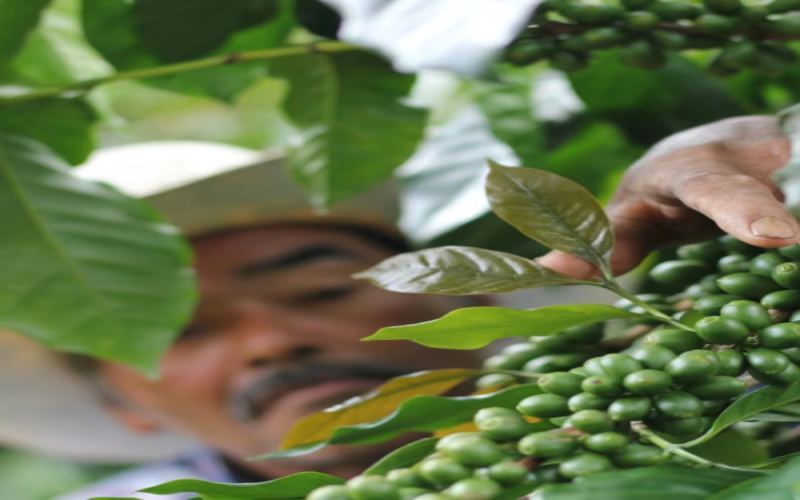
Honduras Sweet Orange Estate Caturra Washed Beans: Flavor Profile, Processing Method, and Brewing Parameters Explained
Honduran coffee is known for its high sweetness and citrus notes, and El Naranjo is one such bean worth savoring. The estate is located in Marcala in the La Paz region, with wild orange trees as shade trees, infusing the coffee with rich floral and fruity aromas. This article focuses on Front Street Coffee's Caturra washed bean, covering the estate background, variety characteristics, washed processing flow, roasting curve, cupping report, and V60 brewing parameters, fully presenting its flavor performance and brewing approach. It is suitable for enthusiasts who want to gain a deeper understanding of Honduran coffee or are looking for an everyday staple bean. [more…]
Honduras Coffee Regions, Grading, and Flavor Characteristics: Front Street Coffee's Selection of Sweet Orange Estate and Washed Caturra Introduction
Honduras, as an important coffee-producing country in Central America, was long classified as a "medium-quality blended coffee," but since hosting its first COE competition in 2004, its high-quality potential has gradually been recognized by the world. This article reviews Honduras's six major producing regions and emerging micro-regions, with a focus on two beans offered by Front Street Coffee—Sweet Orange Estate and Washed Caturra—covering origin information, cupping flavors, roasting curves, and brewing parameters, giving you a comprehensive understanding of this Central American producing country's coffee strength and unique charm. [more…]
A Complete Analysis of Honduran Coffee Regions: Flavor Profiles of Six Major Areas and Brewing Tips for Litchi Orchid
Honduran coffee has performed impressively on the international stage in recent years. Unlike traditional producing countries such as Brazil and Colombia, it is a rising star in Central America. This article systematically reviews six major Honduran coffee regions—Copán, Opalaca, Montecillos, Comayagua, El Paraíso, and Agalta—introducing each one's geographical conditions, altitude ranges, common varieties, and cup flavors. It also features Front Street Coffee's recommended Lychee Orchid from the Marcala region, describing its layered notes of lychee, brandy, cream, and chocolate, and explaining how medium roasting balances acidity, sweetness, and bitterness. [more…]

Exploring Honduras' Sweet Orange Estate: The Rise of High-Altitude Specialty Coffee and the Secret to Its Frequent Wins at the Cup of Excellence
Honduras has performed impressively on the international coffee stage in recent years, with its export volume now ranking third in Latin America and fifth globally. From early industry lag to today's frequent emergence of specialty coffees, this Central American country has completed a remarkable transformation. Among them, El Naranjo estate, located in the Marcala region, has become one of the representative estates of Honduran specialty coffee thanks to its high altitude of 1,800 meters, the careful cultivation of Catuai and Geisha varieties, and its strong track record of multiple Cup of Excellence (COE) awards. Front Street Coffee takes you on an in-depth look at this estate, named after the orange trees used for shade, exploring its flavor characteristics, management philosophy, and sustainable development practices. [more…]
The Rise of the Honduran Coffee Industry and a Flavor Analysis of Five Renowned Estate Brands
The history of coffee cultivation in Honduras can be traced back to the late 18th century, when Spanish merchants introduced coffee trees to this land. After experiencing slow development following independence, improvements in infrastructure, the devastating blow of Hurricane Mitch in 1998, and the remarkable industry revival that followed, Honduras has now become one of the world's top five coffee-producing countries, with an annual output of more than 475,000 metric tons, and has become an important exporter of high-quality Arabica coffee beans. This article will review the ups and downs of Honduran coffee and introduce five representative Honduran coffee brands selected by Front Street Coffee, covering Macara Organic Coffee, Tropical Fruit Bourbon Micro-lot, Monte Vista Craft Coffee, Maud's Organic K-Cups, and Copan Region Volcanic Coffee, analyzing each brand's origin background, processing methods, and cup profile. [more…]
Does oak barrel fermented coffee contain alcohol? Will drinking whiskey barrel processed beans cause a positive drunk driving test?
In recent years, barrel-fermented coffee has attracted many enthusiasts with its rich wine aroma, but many people are concerned about whether this type of bean contains alcohol and whether drinking it could lead to being deemed guilty of drunk driving. This article starts from the process of Front Street Coffee's whiskey barrel treatment method, sorts out its differences from traditional washed, natural, and honey processing, and explains in detail the specific steps of oak barrel fermentation in the Marcala region of Honduras—including washing to remove pectin, drying and sun-drying, selecting 7 mm beans, and placing them in rum barrels to soak for about three months. The article also gives a clear conclusion: coffee beans processed this way do not contain alcohol, so there is no need to worry about drunk driving, and it introduces the flavor characteristics of Front Street Coffee's Honduras barrel-fermented coffee and the sharing purpose behind its price. [more…]
Flavor Characteristics of Honduras Sweet Orange Estate Washed Coffee Beans and Pour-Over & French Press Brewing Techniques
Honduran coffee is renowned for its unique flavors, and this time Front Street Coffee focuses on the washed beans from Sweet Orange Estate, rather than specially processed varieties like Sherry or Lychee Orchid. Sweet Orange Estate is located in the Marcala region, where wild orange trees provide shade, endowing the coffee with rich sweetness and floral-fruity aromas. These washed beans present flavors of almond, cedar, dark chocolate, dark fruits, and caramel, with a full body, suitable both for espresso blends and single-origin brewing. Through repeated roasting and cupping, Front Street determined that a medium roast best showcases its sweetness and aromatic layers. This article will share two brewing methods: the three-pour pour-over and the French press. The former highlights pomelo peel and citrus acidity, while the latter delivers balanced chocolate notes and a lingering caramel finish, helping enthusiasts easily recreate the ideal flavor at home. [more…]
A Complete Guide to Honduran Coffee Origins: The Regional Secrets Behind the Rise of Sherry and Litchi Orchid
In recent years, a Honduran coffee bean called Sherry has quickly risen to fame in the market, bringing this Central American country into the view of more coffee enthusiasts. Honduras is now the world's seventh-largest coffee-producing country and one of the largest coffee producers in Central America, yet for a long time its single-origin coffee beans were rarely mentioned. This article will trace the history of coffee development in Honduras, explain in detail the terroir characteristics of six major producing regions including Copán, Montecillos, and Comayagua, and introduce two Honduran representatives on the Front Street Coffee bean list—Sherry and Lychee Orchid—including their barrel-fermentation process, flavor profiles, and brewing suggestions, to give you a comprehensive understanding of this rising coffee-producing country. [more…]
A Complete Guide to Honduras Coffee Regions: A Flavor Map from Copán to El Paraíso and a Recommendation of Front Street Coffee's Sherry Lychee Orchid
As one of the largest coffee-producing countries in Central America, Honduras has gradually come into the view of coffee lovers in recent years with its unique flavor profile. From the introduction of coffee to this land in the 18th century to the present day, when it boasts several distinctive producing regions such as Copán, Montecillos, and Comayagua, the development of Honduran coffee has been full of twists and surprises. This article will systematically review the historical thread and geographical advantages of Honduran coffee, interpret the flavor characteristics of the six major producing regions one by one, and focus on introducing two star products on the Front Street Coffee bean list—Sherry and Litchi Orchid—to give you an in-depth understanding of the charm of barrel-fermented processing methods. [more…]
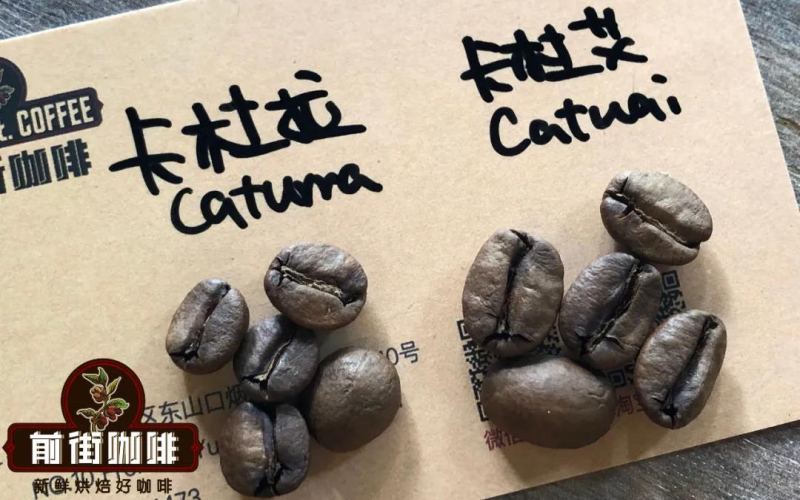
Do Wine-Flavored Coffee Beans Contain Alcohol? Honduras Lychee Orchid: Flavor Analysis of Brandy Barrel-Fermented Washed Beans
In recent years, coffee processing methods have continuously evolved, from early anaerobic fermentation to red wine processing, and now to oak barrel fermentation, with endless innovative techniques making coffee flavors increasingly diverse. The Honduras Litchi Orchid coffee beans launched by Front Street Coffee are produced using a combination of fine washing and brandy barrel fermentation, originating from the Moca Estate in the Marcala region, at an altitude of 1,500-1,700 meters, with varieties of Caturra and Catuai. This bean shares similarities with the same brand's Sherry coffee beans, with the difference being that Sherry uses whiskey barrels, while Litchi Orchid selects brandy oak barrels. The fermented beans carry a soft lychee and honey sweetness, while integrating brandy notes and oak aroma. This article will provide a detailed introduction to this bean's processing method, flavor performance, and answer the question of whether wine-flavored coffee beans contain alcohol. [more…]

A Complete Guide to Honduran Coffee Regions: Terroir Characteristics of Six Major Areas and the Flavor of Front Street Coffee's Sherry Barrel-Aged Beans
Honduras is located in northern Central America, with eighty percent of its terrain being mountainous. Its mild climate and abundant rainfall create an ideal environment for coffee cultivation. In 2020, the country's total coffee production ranked sixth in the world, and its Arabica production ranked second globally. Since the establishment of the Honduran Coffee Institute in 1970, the country has been divided into six major producing regions: Copán, Opalaca, Montecillos, Comayagua, Agalta, and El Paraíso, each with its own terroir and character. This article will introduce the altitude, location, and characteristics of these producing regions one by one, and focus on a Marcala Mocha estate Sherry coffee bean that Front Street Coffee has sourced, analyzing its whisky sherry wine barrel fermentation process and the unique cup flavors it creates. [more…]
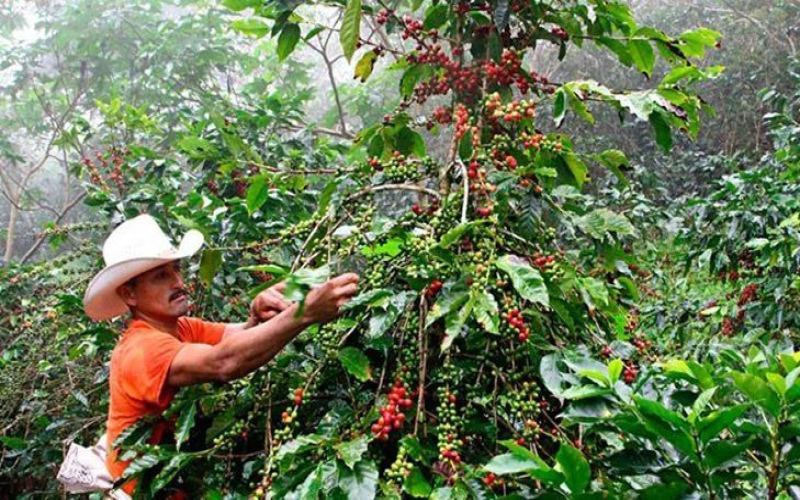
The Rise of the Honduran Coffee Industry and a Complete Guide to Front Street Honduran Coffee Beans: Pour-Over Parameters, Water Temperature, and Ratios
Honduras is an important coffee-producing country in Central America. Although it started late, it caught up quickly: by 2011 its output had surpassed Guatemala's, and today it ranks firmly among the world's top ten coffee producers. This article will provide a comprehensive overview of Honduran coffee from the perspectives of its historical development, producing regions, variety characteristics, grading standards, and processing methods. It will also combine the practical brewing experience of several Honduran coffee beans from Front Street Coffee to share pour-over parameters and water-temperature ratios in detail. Whether you want to understand the regional flavors of Honduran coffee or are looking for practical pour-over solutions, this article can provide valuable reference. [more…]
Analysis of Honduras Lychee Orchid Coffee Bean Variety: A Complete Guide to Brandy Barrel Fermentation and Cold Brew Flavor
In today's world of constantly evolving coffee processing methods, barrel fermentation has opened a new door of flavor for the coffee world. Honduras Lychee Orchid is one of the most talked-about beans among them, fermented at low temperature in brandy barrels for about thirty days, bringing rich wine aromas and chocolate, honey-like sweetness. This article will sort through the origins of this bean one by one, from the production background of Honduras, the terroir conditions of Mocha Estate, the varietal characteristics of Caturra and Catuai, to the specific process of brandy barrel fermentation. At the same time, Front Street Coffee will also share the brewing parameters and flavor performance of Lychee Orchid, taking you through a comprehensive understanding of this Honduras coffee with an explosive wine aroma. [more…]
Cold Brew Iced Coffee Ratio and Coffee Bean Selection Guide, with Creative Cold Brew Specialty Drink Ideas
Cold brew coffee, through its low-temperature slow extraction process, presents a smoother mouthfeel with less bitterness than hot extraction, making it the most convenient coffee choice in a busy life. This article provides a detailed analysis of the definition, flavor characteristics, and brewing ratios of cold brew coffee, and recommends coffee beans suitable for cold brew based on different origins and processing methods, including Front Street Coffee's Yirgacheffe Gidding, Honduras Sherry and Lychee Orchid, and Panama Butterfly. In addition, it shares three creative specialty drink methods: adding sparkling water, adding milk, and adding alcohol, to help you find the cold brew solution that best suits your taste. [more…]
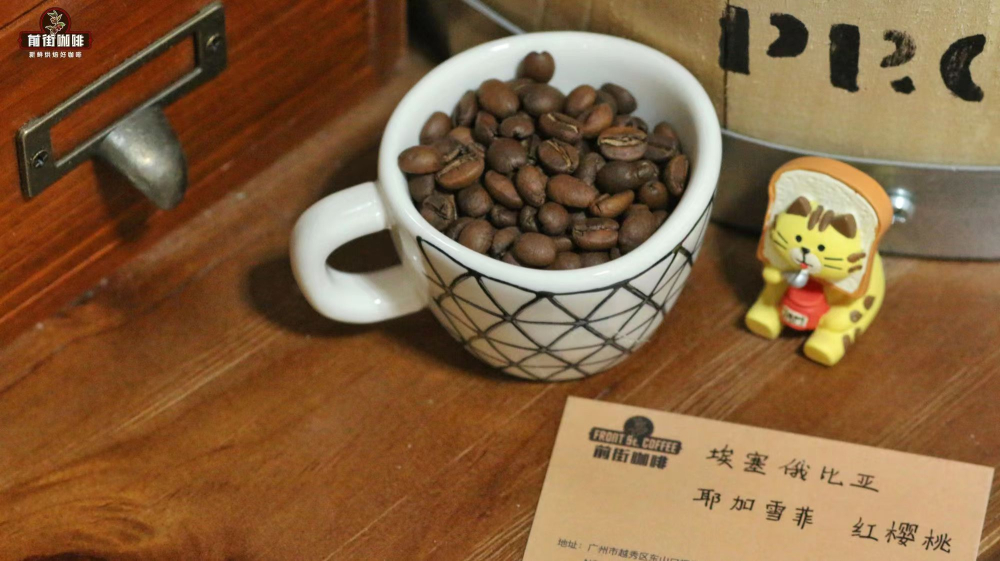
Cold Brew Coffee Recipe and Coffee Bean Recommendations | How Beginners Can Make Cold Brew at Home: Grind Size, Water Temperature, Time, and Ratio for Cold Brew
What is cold brew coffee? Cold brew coffee is Cold Brew Coffee, also known as cold-brewed coffee, ice-brewed coffee, or cold-brewed coffee. Put the ground coffee powder into room-temperature water, soak and extract for 12 hours, then filter out the coffee grounds, and the coffee liquid obtained is cold brew coffee. Cold brew coffee [more…]

Cold Brew Coffee Beans Recommendation | What Are the Characteristics of Cold Brew Coffee? Which Coffee Bean Varieties Are Suitable for Cold Brew? Can Regular Coffee Grounds Be Used for Cold Brew?
Cold brew coffee is becoming more and more common nowadays. We are all so busy in our daily lives that we don't even have time to go buy a cup of coffee. In that case, cold brew coffee is the quickest way to get a cup of coffee right now. The fermented aroma and refreshing coolness of cold brew instantly make you feel at ease, and even in autumn and winter, it still makes you think of its taste. You only need to spend [more…]
Is Starbucks Cold Brew Healthy? Caffeine Content and Flavor Analysis Plus Front Street Coffee Cold Brew Brewing Guide
Cold brew coffee, with its smooth mouthfeel and refreshing flavor, has become a popular choice at Starbucks and independent coffee shops alike. It is extracted at low temperatures over a long period, resulting in low bitterness and prominent fruity acidity and floral notes, but its caffeine content and health effects have also drawn much attention. This article provides a detailed analysis of the definition, characteristics, and caffeine situation of cold brew coffee, and shares the bean list and creative drinking methods recommended by Front Street Coffee, including adding sparkling water, milk, alcohol, and more, to help you easily make a cup of cold brew to your liking at home. [more…]