







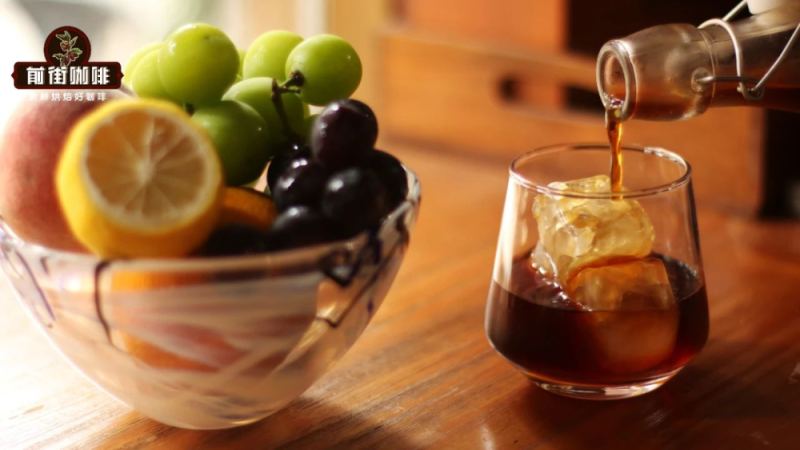
Is an americano hot or cold, and how is it made?
An Americano can be served either hot or cold. The iced version is made by pulling a hot espresso shot, then adding ice or chilling it quickly, which takes only about two to three minutes in total. It is the fastest of the cold coffee options to prepare, but its flavor is the lightest of the three.
Cold brew takes the opposite route, steeping grounds in cold water for hours to build a rounder, fuller body. Cold drip filters cold water slowly, drop by drop, for a smooth mouthfeel. Shops such as Front Street Coffee use a blend for the iced Americano base and single origins like Kenya for cold drip recipes.
In the hot summer, iced coffee becomes the top choice for many. From the perspective of Front Street Coffee, this article systematically analyzes three popular iced drinks—iced Americano, cold brew, and ice drip coffee—covering their extraction processes, flavor characteristics, and practical preparation methods. Iced Americano uses hot water for rapid extraction plus ice, making it quick but relatively light in flavor; cold brew amplifies purity through long low-temperature immersion; ice drip relies on cold water slowly filtering drop by drop to produce a smooth mouthfeel. The article not only details the specific steps for making iced Americano with Front Street Coffee's own Sunflower Warm Sun blend, multiple cold brew packs, and Sherry bean cold brew, but also reveals the ice drip blending recipes for single-origin beans such as Kenya, Huakui, and Sherry, providing coffee enthusiasts with a professional and practical summer cold drink guide.
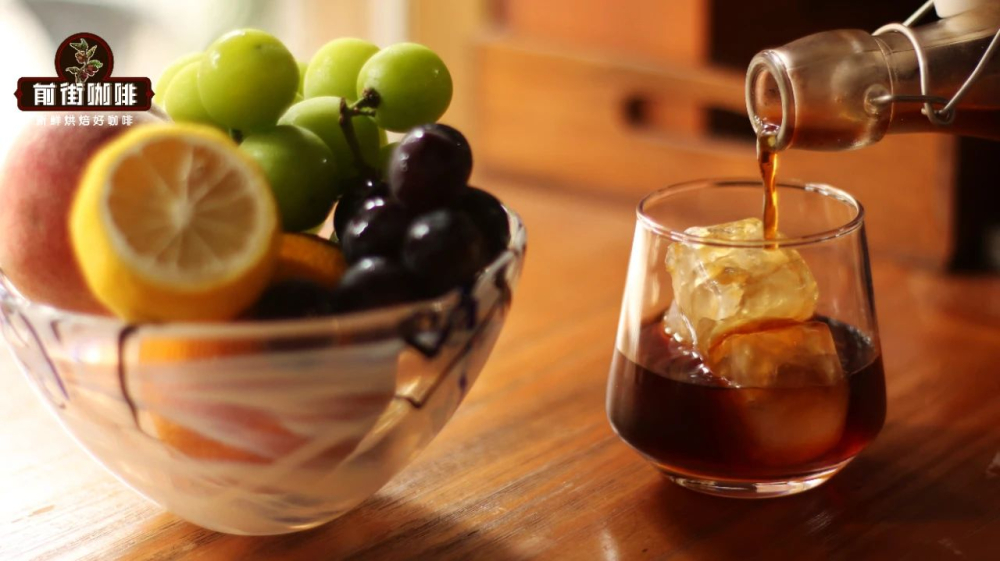
As temperatures rise, cold coffee beverages enter their peak sales season. The three most frequently ordered iced drinks at Front Street Coffee are currently iced Americano, cold brew, and ice drip. Due to different extraction methods, their mouthfeels also differ; some customers prefer the taste of ice drip, while others favor cold brew. According to Front Street's summary, iced Americano is the quickest to make but has the lightest flavor, while cold brew and ice drip take longer but offer a fuller, richer body.
Iced Coffee
The so-called iced coffee (ice coffee), which is the familiar iced Americano, uses hot water to rapidly extract coffee grounds, then adds ice or quickly cools it to make a cold drink, taking only about two to three minutes in total. The versions offered by Front Street Coffee are mainly divided into two types: one uses an espresso machine to pull an espresso base and mixes it with iced water; the other uses pour-over to obtain coffee liquid and then adds ice.
Pros: Convenient and efficient
Cons: After the ice melts, it dilutes the drink, resulting in a thinner flavor
Front Street Iced Americano Preparation Steps
Front Street Coffee selects the commonly used Sunflower Warm Sun blend as the demonstration bean, with details as follows:
To make iced Americano, first extract espresso, with the following extraction parameters:
After completing espresso extraction, place ice and water in the cup first, then pour the coffee into the ice water mixture, and it's done.
Front Street Coffee's own Warm Sun blend features prominent cocoa and vinous notes; after mixing the espresso with iced water, it has a clean, smooth mouthfeel, noticeable vinous notes, long-lasting aroma, and a chocolate note emerging at the finish.
Cold Brew (Cold Immersion) Coffee
Cold brew coffee (Cold Brew Coffee) works similarly to cold-brewed tea: a sufficient amount of coffee grounds is directly immersed in water and left in a refrigerated environment for long low-temperature extraction, often taking eight to twelve hours, also known as ice-brewed coffee. The drink made this way amplifies the coffee's aroma and flavor, reduces acidity, and makes the layers clearer and purer. Its charm is that the lower the temperature, the more delicious it becomes; even adding ice won't dilute it. In the United States, many people like to add coconut water in a 1:1 ratio for a different kind of enjoyment.
Advantages: The cold, low-temperature environment makes it less likely to bring out off-flavors and astringency from the beans
Disadvantages: The preparation cycle is relatively long
Front Street Cold Brew Coffee Preparation Method
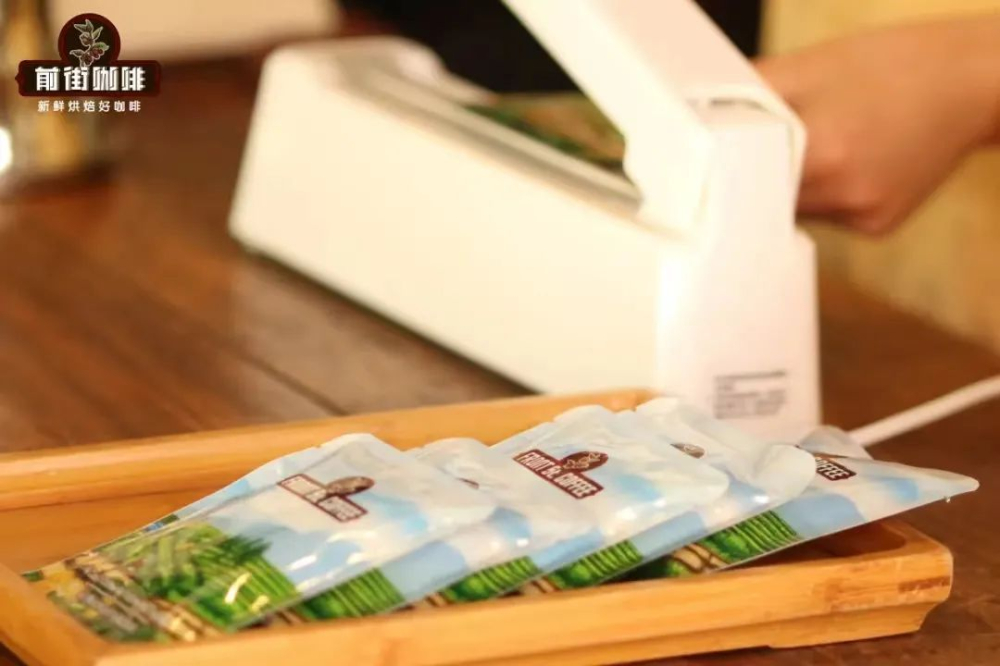
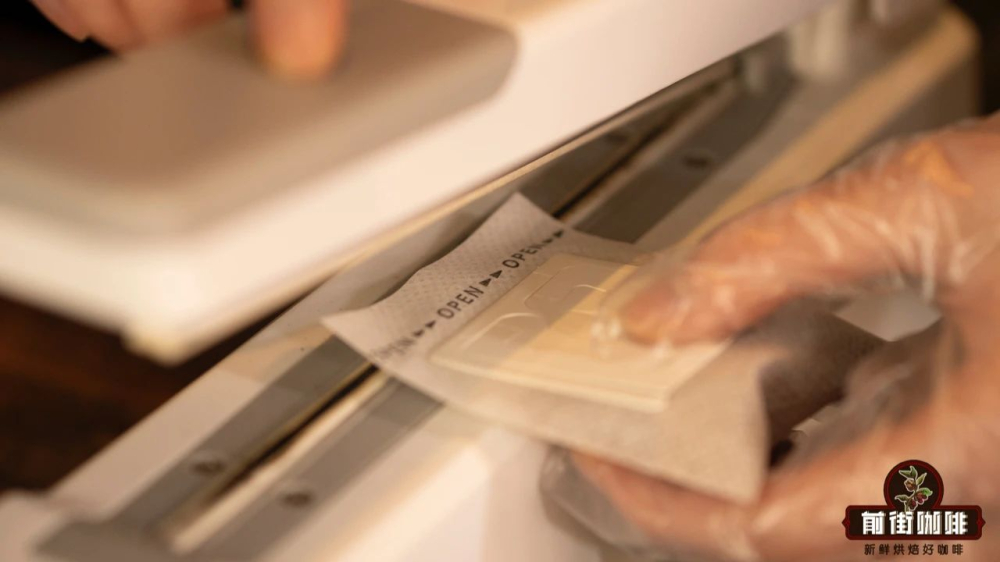
Front Street currently sells several cold brew packs, structured like individual tea bags, each containing a measured 10 grams of grounds. The recommended water ratio is 1:10 (if you find it too strong, reduce to 1:12), and refrigerate for ten hours (eight hours or more is fine).
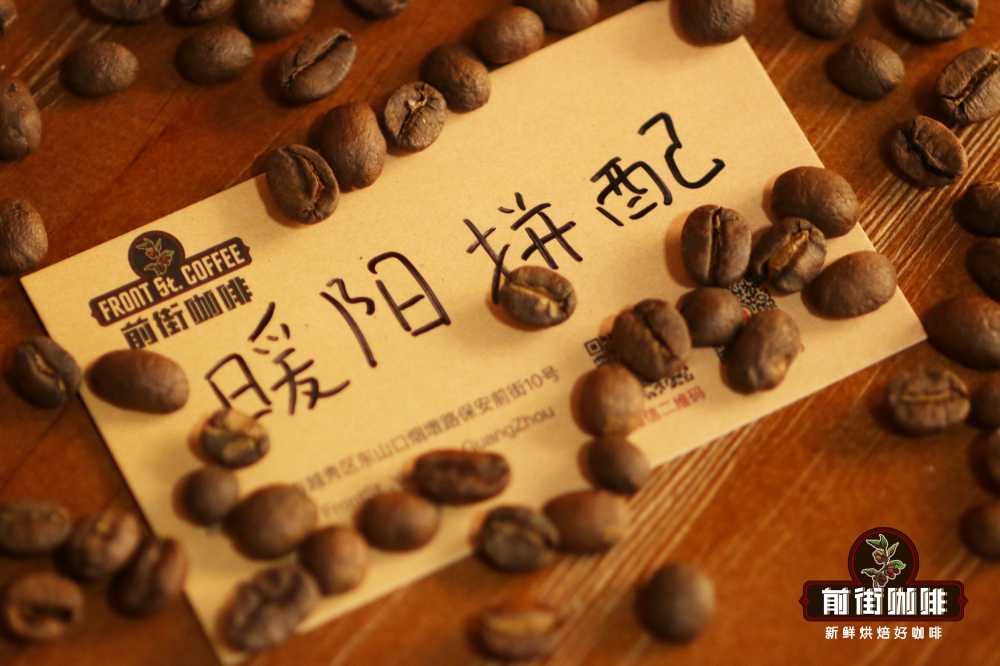
This time Front Street Coffee has a total of ten cold brew packs available:
Coffee Bean Name | Sunflower Warm Sun Blend |
Blend Bean Origin | Honduras Sherry barrel, Yirga Red Cherry sun-dried process |
Blend Ratio | 7:3 |
Flavor Description | Vanilla, cream, fermented vinous aroma, chocolate |
Front Street recommends using a wide-mouth container with a lid:
1. Take out the cold brew pack and lift the hanging string.
2. Place it in a cup or bottle; for drinking straight, use 1:10 (each 10g pack with 100g cold water); for mixing, use 1:6 (each 10g pack with 60g cold water)
3. Cover and shake gently, then place in the refrigerator to soak for eight to twelve hours so the grounds and water fully integrate.
4. When the time is up, remove the bag and it's ready to drink.
Coffee Grounds Amount | 20 grams |
Coffee Liquid Amount | 40 grams |
Extraction Time | 27 seconds |
If you have ready-made coffee grounds at home, you can also put them directly into the bottle; when the time is up, filter out the grounds and it's done.
Front Street advises that the cold brew grind size should be slightly coarser than pour-over. Although it's hard to extract substances at low temperature, the extended time plus immersion will eventually over-extract, so a coarser grind is preferable. If you can't be bothered to adjust, you can also use pour-over parameters and dilute with ice afterward. Taking Front Street Coffee's Honduras Sherry bean as an example, for pour-over it passes 80% through China standard No. 20 sieve, while for cold brew a lower pass rate of 750% is chosen.
With a 1:10 coffee-to-water ratio, choose a sealed bottle of 300ml or more, add grounds and iced water, and refrigerate for 12 hours. If you have a cooking filter bag, wrapping the grounds for immersion makes cleaning easier and eliminates the need for filtering.

After eight to twelve hours, filter through coffee filter paper, and a refreshing glass of Honduras Sherry cold coffee is ready~ Sensory-wise, it has a rich vinous aroma, a full vanilla-cream texture, and chocolate-cocoa notes.
Ice Drip Coffee
In Japan, the ice drip technique has been passed down for hundreds of years, thus earning the name "Kyoto coffee" or "Japanese-style slow-drip." It is also extremely popular in South Korea, sold in almost every street cafe, and many well-known equipment brands come from Japan and South Korea.
It relies on cold water dripping at a constant rate onto the coffee bed to extract the essence, usually maintaining a rhythm of seven drops per ten seconds, with a total duration of six to eight hours, depending on the device's capacity. The finished flavor is influenced by multiple variables such as roast level, water amount, water temperature, drip speed, and grind size.
Strengths: Cold water dripping through thoroughly wets the coffee grounds, and the resulting liquid is round and not astringent
Weaknesses: Requires speed control, must drip slowly at seven drops per ten seconds
Front Street Ice Drip Extraction Operation Guide
1. Coffee, water, ice ratio 1:5:5, coffee-to-water ratio 1:10
2. Lightly press the coffee bed; avoid using too much force—just the weight of the tamper itself is enough. The goal is to level, not to tamp hard. If not pressed, water may disturb the grounds; if pressed too hard, it blocks water and creates channels.
3. Place a piece of filter paper on top of the grounds. Its tension helps water distribute evenly; without it, long dripping will carve out craters.
4. An iced water "pre-wet" (iced water 1:1) is needed, similar to pour-over blooming, which improves efficiency and stability. Direct dripping may cause uneven wetting, leading to local over-extraction or unused grounds.
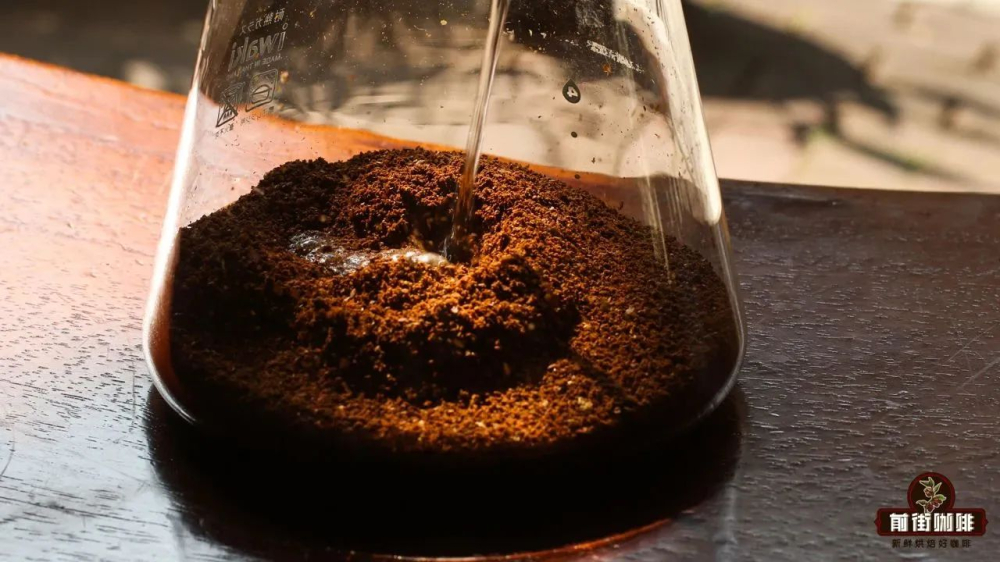
5. After completing, pour into a sealed glass bottle and refrigerate overnight to rest, promoting flavor integration and making it smoother and easier to drink.
Front Street Recommended Ice Drip Blend Recipes
Front Street occasionally uses single-origin or blended beans for ice drip; here are a few excellent combinations for reference.
1. Clean and Bright Style
60 grams [Kenya Asalia]
Washed [Kenya] beans drip out a clean, bright acidity.
[Kenya Asalia] is a classic Kenyan bean, resembling fruit juice; at first taste, cherry tomato acidity, mid-palate grapefruit peel, and at the finish, berry and caramel sweetness.
2. Fermented Vinous Style
① 30 grams [Sidamo Huakui] + 30 grams [Panama Hartmann]
Sun-dried [Huakui] blended with red wine [Hartmann], rich fermented aroma with slight acidity.
Sun-dried [Huakui] shows sweetness, with strawberry and berry on the nose, and passion fruit, fermented wine, strawberry, and jackfruit on the palate.
Red wine [Hartmann] has a fermented red wine aroma, smooth on the throat, with tropical fruit, nuts, and yellow sugar.
This blend drips out a strong fermented feel, high sweetness, and full body.
② 30 grams [Honduras Sherry] + 30 grams [Costa Rica Beethoven]
Barrel-aged Sherry plus washed Beethoven, fermented aroma with honeyed sweet fruit acidity.
Washed Beethoven has bright citrus acidity and full berry juice.
Whiskey barrel Sherry has a strong liquor aroma and smooth vanilla cream.
After dripping, it has a strong whiskey aroma, citrus acidity paired with berry juice and creamy smoothness.
③ 20 grams [Honduras Lychee Orchid] + 40 [Gesha Village Red Label]
Barrel-aged Lychee Orchid blended with sun-dried Gesha Red Label, light brandy aroma, plum acidity paired with maple syrup sweetness.
Brandy barrel Lychee Orchid has a rich vinous aroma, chocolate finish with honey notes.
Sun-dried Gesha Red Label has plum and citrus acidity, maple syrup sweetness, and creamy smoothness.
After dripping, light brandy aroma, fruit acidity leading to honeyed sweetness and creamy smoothness.
3. Balanced and Complementary Style
30 grams [Costa Rica Bahia] + 30 grams [Yirgacheffe Gudingding]
[Bahia] slight fermentation, raisin, caramel, sweetness on the higher side.
Washed [Gudingding] with ripe yellow lemon sweet-tart as the main note, black tea finish, like lemon black tea.
On the nose slight fermentation, on the palate lemon acidity, overall sweet-tart, clean and balanced mouthfeel.
For more specialty coffee beans, please add private WeChat Front Street Coffee, WeChat ID: kaixinguoguo0925
The above content is compiled by CoffeeHunters, a coffee news website.


