







How to make coffee with a machine alternative: cold brew latte
A cold brew latte needs no espresso machine. Coarse grounds steep in cold milk or water for 12 to 18 hours, and low-temperature extraction slows the release of bitter compounds while pulling out aroma. The result is a clean, full-bodied concentrate that mixes straight with cold fresh milk for a smooth drink without the sharp edges of espresso.
Use a 1:8 coffee-to-milk ratio for a milk-brewed version, a coarse grind similar to French press, and 12 to 16 hours in the refrigerator. Fresh whole milk, with its protein and milk fat, further slows flavor release, so the latte tastes rounded rather than concentrated. Keep it refrigerated and drink within two days to avoid spoilage.
Want to enjoy a silky latte at home but don't have an espresso machine or other complicated equipment? Actually, as long as you grasp the core principle of low-temperature extraction, you can easily make a full-bodied, smooth milk-brewed latte with no heaviness. This article starts with the flavor advantages of milk-brewed coffee, explains why low-temperature extraction reduces bitterness and preserves aroma, and fully shares Front Street Coffee's recommended fresh milk choices, suitable coffee bean varieties, and specific brewing parameters and steps, including coffee-to-milk ratio, grind size, and steeping time. It also includes a lazy version and storage tips to help you avoid the risk of milk spoiling. Whether you're a coffee beginner or a seasoned enthusiast, you'll find a practical and delicious home coffee solution here.
The world of cold brew is not just about black coffee! Today we'll show you how to easily make a silky, smooth cold brew latte at home—no coffee machine needed, and no complicated equipment to buy. Without further ado, let's get started!
The essence of milk-brewed coffee:
"Full-bodied on the palate, with no heaviness"
The appeal of cold brew coffee lies in the fact that under low-temperature conditions, the larger-molecular-weight components in coffee grounds (such as the substances that cause bitterness) are released more slowly. The long steeping time also allows the smaller-molecular-weight flavor compounds to fully dissolve, so coffee extracted at low temperature tends to be clean overall, while also having rich aroma and a thick mouthfeel.
Milk-brewed coffee follows the same logic. The latte you usually drink at a café is made by extracting espresso with an espresso machine using high temperature and pressure, then adding milk. The espresso itself inevitably brings out some bitter compounds. Although milk can dilute them, people with sensitive palates may still find it less than ideal. Milk-brewed coffee happens to make up for this.
Of course, fresh milk is rich in protein and milk fat, and these components further slow down the release of flavor compounds. So the milk-brewed latte is not as concentrated as one made with a coffee machine, but the aroma and mouthfeel are absolutely on point! Drinking milk-brewed coffee feels like "the coffee presents its best side in your mouth, then makes a clean and decisive exit"—full-bodied yet not heavy.
How exactly do you make a cold brew latte?
When making a cold brew latte, Front Street Coffee recommends using fresh milk, because fresh milk has a higher content of lactose and milk fat, which gives the cold brew latte a smoother and fuller texture.
As for coffee beans, you can choose varieties with outstanding flavor expression, such as Ethiopian Huakui, Costa Rican Mozart, Honduran Sherry, and other single-origin beans with gentle acidity and overall mellow body.
- Ingredients needed -
This time Front Street Coffee chose Honduran barrel-aged Sherry coffee beans. Prepare a clean, dry sealed container, your favorite fresh milk, and tea bags.
- Brewing parameters -
Coffee grind size: medium-fine grind (85% passing through China standard No. 20 sieve), coffee-to-milk ratio 1:13, low-temperature steeping time 8-10 hours.
- Brewing steps -
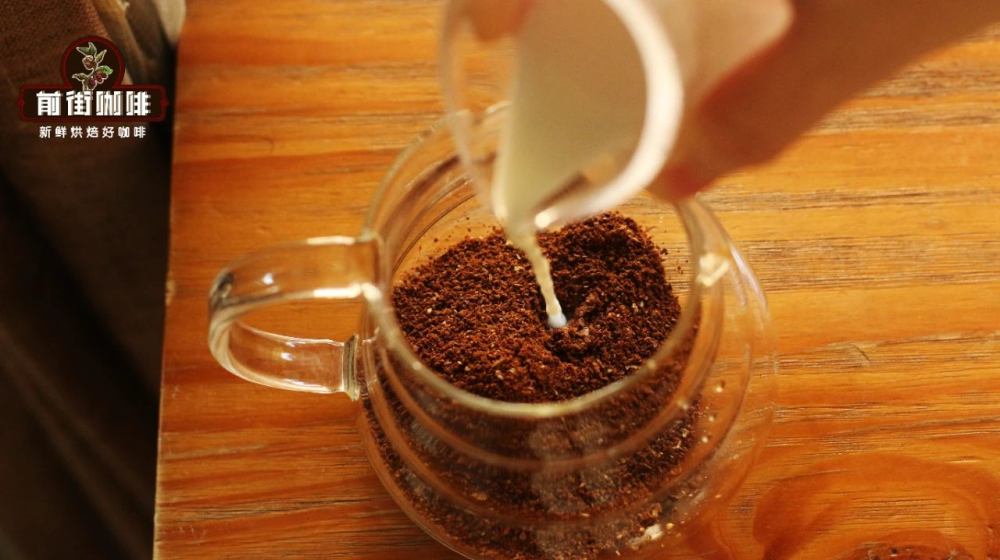
Here at Front Street Coffee, take 20g of coffee grounds, divide them into two tea bags and tie the openings tightly. Then place them into a clean, dry container, pour in 260g of refrigerated fresh milk, cover with a lid and shake gently to fully saturate the coffee grounds in the bags, then move it to the refrigerator and let it sit for 8-10 hours. After extraction is complete, remove the tea bags, or pour out the milk coffee and it's ready to drink. Because milk is rich in nutrients, it's recommended to finish it within 12 hours after extraction is complete.
"Lazy version"
Buy a small carton of fresh milk, weigh out coffee grounds according to the milk's net content, put them into a tea bag, stuff it directly into the milk carton, seal the opening with plastic wrap, and put it in the refrigerator to extract.
Should the finished coffee be drunk directly, or kept refrigerated?
Front Street Coffee first tried the freshly filtered Queen's Estate cold brew milk coffee. It had a rich milk-tea color, smelled of hazelnut and roasted peanut, and was mellow and smooth on the palate. After sitting overnight to ferment, the coffee's mouthfeel changed little, but the aroma was noticeably weaker. Plus, milk spoils very easily, so Front Street Coffee recommends drinking milk-brewed coffee the same day if possible, to avoid stomach discomfort.
The above content is compiled by CoffeeHunters, a coffee news website.


