







Although Honduras is not as renowned as Ethiopia, it has carved out a place for itself in the specialty coffee world with its unique barrel-aging process. Sherry and Lychee Orchid, these two beans carrying whiskey and brandy aromas, come from the Mocha Estate in Masaguara, Honduras. This article will give you a comprehensive understanding of Honduras' geography and climate, the distribution of its six major regions, the main coffee varieties, and the flavor characteristics and brewing parameters of the two barrel-fermented beans recommended by Front Street Coffee, allowing you to grasp the charm of this Central American coffee-producing country in one go.
When Honduran coffee is mentioned, many people may find it unfamiliar, but if you bring up Sherry coffee, it is likely a household name. Although Honduran single-origin coffee is not as famous as Ethiopian coffee, its flavor stands in a class of its own, captivating countless coffee lovers.
The most striking aspect of Honduran coffee lies in the processing method it employs—barrel fermentation. When tasting this coffee for the first time, the nasal cavity and palate will pick up distinct alcoholic notes. For those who enjoy a drink now and then, the flavors of whiskey and brandy are intimately familiar. Alongside the wine aroma come the fragrance of fruit and the sweetness of cream. It is sweet on entry, with the alcoholic notes lingering in the mouth for a long time—truly irresistible.
In terms of geographical conditions, Honduras is by no means inferior to neighboring coffee-producing countries such as Guatemala and Nicaragua. However, in the past, due to a lack of strong support in green bean processing and transportation, Honduran coffee maintained a low presence in the consumer market. In recent years, the country has begun actively seeking change, investing more attention in the coffee industry, and Honduras coffee's international profile has been steadily rising.
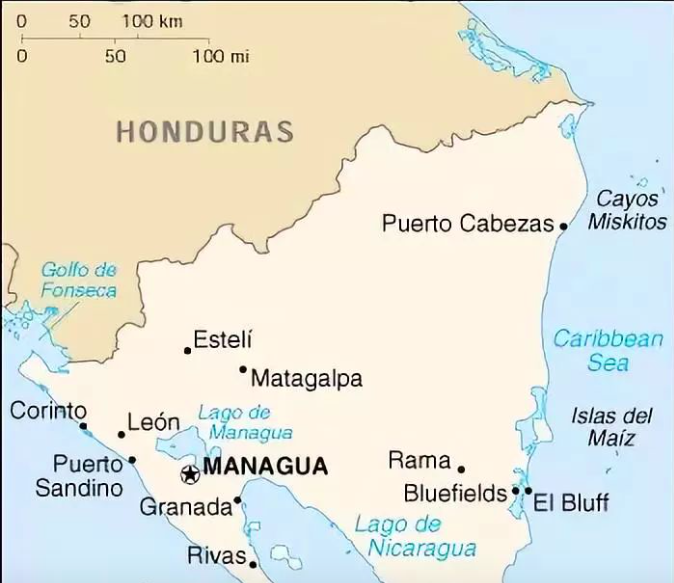
Honduras is the country in Central America with the most prominent mountain terrain, with more than three-quarters of its national territory consisting of mountains and plateaus. It is located in northern Central America, bordered by the Caribbean Sea to the north, the Gulf of Fonseca of the Pacific Ocean to the south, Nicaragua and El Salvador to the southeast, and Guatemala to the west. The country covers an area of 112,492 square kilometers, with a coastline of approximately 1,033 kilometers. Apart from the coastal plains, almost the entire territory is mountainous, with the highest elevation in the northwest reaching 3,000 meters and the south also exceeding 2,400 meters. Honduras happens to lie within the coffee-growing belt, with an average annual temperature of 23°C and abundant rainfall, with annual precipitation between 1,300 mm and 2,300 mm.
The main rivers in Honduras include the Coco River, the Patuca River, and the Ulúa River. Rivers originating from the inland mountains crisscross the country, flowing into the two oceans respectively. Numerous basins and river valleys have formed between the various tributaries. The larger basins include the Sula and Lepaguare basins, while the main river valleys include the Comayagua and Jamastran valleys. Coastal islands are scattered everywhere, with the Bay Islands and the Bay Islands of the Gulf of Fonseca being the most important. Honduras has complex and diverse terrain, and its climate also exhibits distinctly differentiated characteristics. The Central American coastal plains have a tropical rainforest climate with an average annual temperature of 31°C; the mountainous areas have a subtropical forest climate with an average annual temperature of 23°C. The rainy season runs from June to November, with mild temperatures and ample rainfall, making it an ideal environment for coffee cultivation.
Honduras produces two types of coffee of considerable excellence, highly praised by enthusiasts. One is "Highland Coffee," grown at altitudes between 1,000 and 1,500 meters; the other is "Special Highland Coffee," grown at altitudes between 1,500 and 2,000 meters, representing Honduras' highest quality grade. Most Honduran coffee is exported to the United States and Germany.
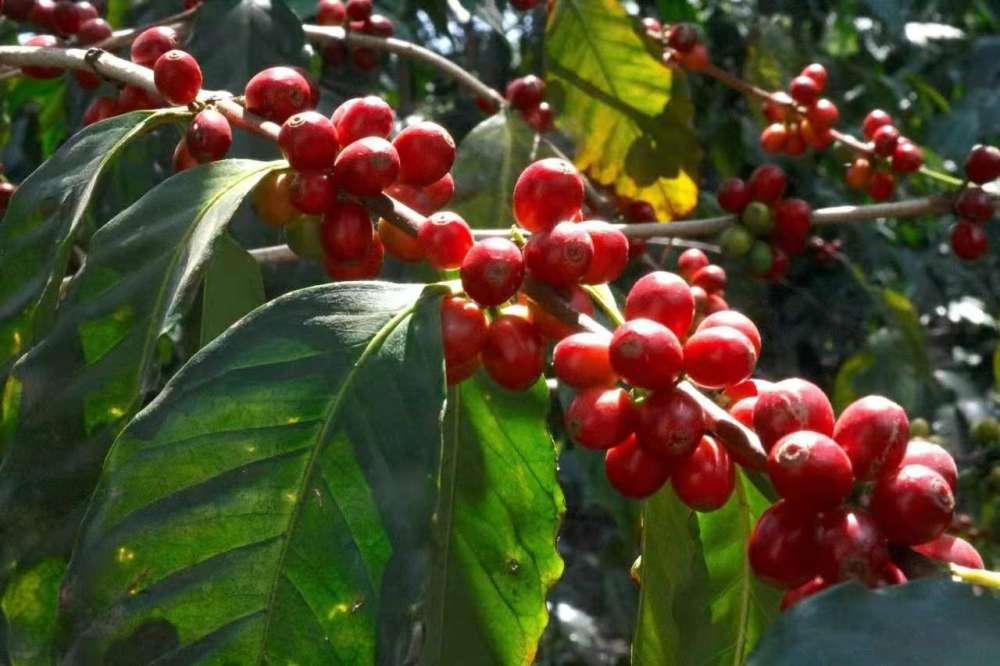
Honduras has 280,000 hectares of coffee plantations nationwide, predominantly smallholder farms, most of which are less than 3.5 hectares. These small coffee farms contribute 60 percent of the country's total coffee production. Because the growing areas are located in mountainous regions, coffee cherries are entirely hand-picked and then carefully processed to ensure higher-quality beans. Honduras harvests three million bags of coffee annually, with ample supply and excellent quality, and has now ranked among the world's top ten coffee exporting countries.
Distribution of Honduran coffee regions:
Honduran coffee can be divided into six major regions, mainly distributed in the west and south: Copán, Opalaca, Montecillos, Comayagua, Agalta Tropical, and El Paraíso. The altitude zones producing specialty coffee have an average growing height above 1,100 meters. Of the coffee grown in these regions, 69% is HG grade, 12% is SHG, and 19% is CS.
Copán Region:
Located among the Copán, Ocotepeque, and Lempira areas, it presents rich chocolate flavors, with honey and caramel sweetness as its signature characteristics, and relatively weak fruit notes. Growing altitude is 1,000 to 1,500 meters, with the harvest season from November to March of the following year.
Opalaca Region:
Located among the Santa Bárbara, Intibucá, and Lempira areas, its acidity is very delicate, with an overall balanced expression. The palate carries tropical fruit notes such as grape and mulberry, with a finish where sweet and tart intertwine. Lemon flavors are prominent, while honey and caramel sweetness play a balancing role, making the fruit flavors clearly distinguishable. Altitude 1,100 to 1,400 meters, harvest season November to March.
Montecillos:
Located among the La Paz, Comayagua, Santa Bárbara, and Intibucá areas, it has rich fruit aromas and alluring sweet fragrances, accompanied by lemon and floral nuances. Lemon and fruit aromas are important characteristics of this region, especially peach and orange notes. The acidity is lively and bright, the mouthfeel is velvety smooth, and the finish is long. Altitude 1,200 to 1,600 meters, harvest season December to April.
Comayagua:
Located among the Comayagua and Francisco Morazán areas, it features lemon flavors as the main thread, with distinct and sweet fruit aromas. The mouthfeel is creamy and rich, with citrus sweetness, and it also emits notes of sweetness and chocolate. Altitude 1,000 to 1,500 meters, harvest season December to March.
Agalta Tropical:
This region spans parts of the Olancho, El Paraíso, and Francisco Morazán departments, mainly located in the eastern provinces. It is the most scattered production region, composed of fourteen protected areas aimed at increasing plant diversity to maintain ecological balance, and it has high ecotourism value. In terms of flavor, it carries honeyed sweetness, strong citrus notes, subtle yet clear acidity, and a pleasant aftertaste. Altitude 1,200 to 1,500 meters.
El Paraíso:
Altitude 1,100 to 1,400 meters, mainly featuring mild fruity acidity, with caramel aromas and a balanced mouthfeel.
There are also other small production regions:
* Santa Barbara 圣塔芭芭拉
*Ocotepeque 奥科特佩克
*Lempira 伦皮拉
*La Paz 巴兹
In the western production regions, the recently established "Honduras Western Coffee" association (abbreviated as HWC) is worth noting. The coffee produced and labeled by HWC is the first to obtain a Protected Geographical Indication (PGI) from the Honduran government, and it is also registered as Honduran Intellectual Property (IP) and Brand (MC).
Both Sherry Coffee and Lychee Orchid Coffee come from a small estate in Masaguara, Honduras—the Mocha Estate. Masaguara is a municipality under the Intibucá Department of Honduras, located in the southern part of the Jesús de Otoro Valley, surrounded by mountains and hills. The local economy is based on coffee cultivation as its pillar industry, while the corresponding valley areas mainly grow basic grains and engage in animal husbandry. Regarding the origin of the place name, according to "Indigenous Place Names" by Mr. Alberto Membreño, Masaguara means "place of deer." The average altitude of the area is 853 meters, with high-altitude areas reaching over 1,500 meters. The Mocha Estate is located in the highest-altitude production area of Masaguara, so the coffee cherries produced here are naturally of exceptional quality.
Honduran Coffee Bean Varieties
The coffee varieties grown in Honduras are mainly Arabica, primarily cultivating the Caturra and Catuai commonly found in Central America. Caturra is a natural mutation of Bourbon, while Catuai is a hybrid of Caturra and Mundo Novo. These two varieties are very well-suited for cultivation in Central America, with good acidity and flavor expression.
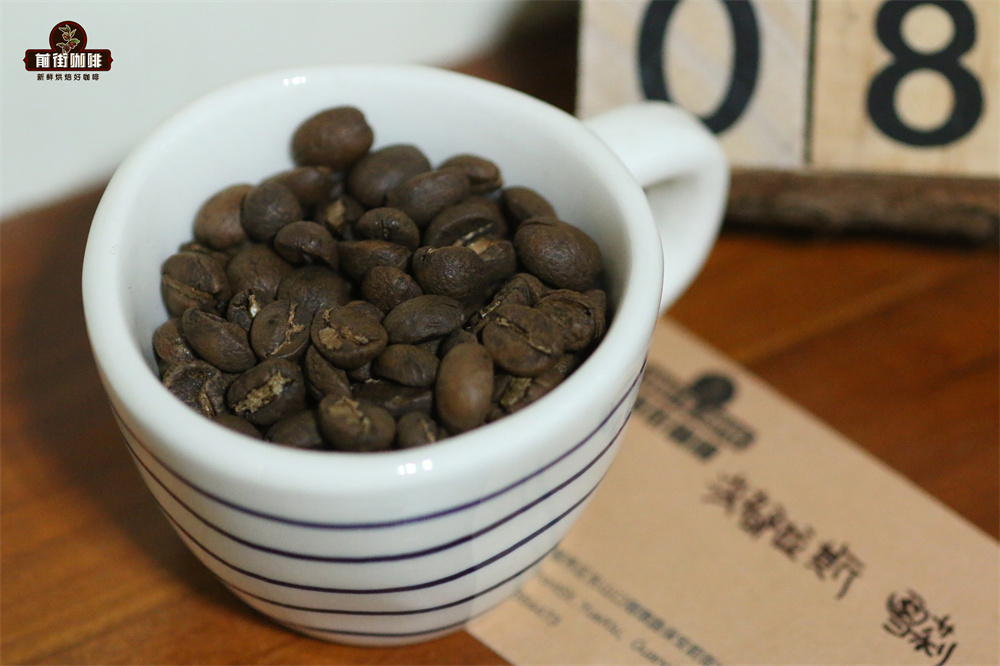
Pacas is also one of the main varieties grown in Honduras, a natural Bourbon mutation discovered in El Salvador. Similar to Caturra, Pacas has a more compact plant form and higher yields than Bourbon.
Caturra: Originally from Brazil, it is a mutation of Bourbon. Caturra is a compact, densely growing coffee variety that is easy to harvest and manage. Branches form a 45-degree angle with the main trunk. The leaves are relatively round with a rather glossy surface. The fruit shape is similar to Bourbon, but the yield per plant is higher, the harvest period is later, and the main trunk has strong resistance to wind.
Catuai: Also originating from Brazil, it is a hybrid of Mundo Novo and Caturra.
Maracaturra: A hybrid of Maragogype and Caturra, with larger bean size.
Honduran Coffee Bean Barrel Processing Method
Both of Front Street's Honduran coffee beans come from the Mocha Estate, and both use the barrel fermentation processing method. The difference lies in the type of barrel used: Sherry Coffee is fermented in whiskey barrels, while Lychee Orchid Coffee is fermented in brandy barrels. The specific process of barrel fermentation is as follows: After harvesting ripe coffee cherries, the Mocha Estate processes them on the same day. First, the coffee cherries are depulped, then washed. Subsequently, the parchment coffee beans are placed into Sherry whiskey barrels for low-temperature fermentation for 30 to 40 days. After that, the parchment coffee beans are removed and spread out in a shaded area to dry. The final drying stage must absolutely not be exposed to direct sunlight, because the heat from direct sunlight will cause the wine aromas that the green coffee beans have worked so hard to absorb to evaporate completely, and it will also produce undesirable fermented sour flavors.
Front Street's Brewing Parameters for Honduran Coffee:
To highlight the wine aroma and fruit notes of Honduran coffee, Front Street uses a medium-light roast. For brewing, a V60 dripper is recommended, with a coffee-to-water ratio of 1:15, medium grind (about the size of coarse sugar / 80% passing through a Chinese No. 20 standard sieve), and a water temperature of 91°C.
Use a staged extraction. First, bloom with water at twice the amount of coffee grounds, i.e., 30 grams of water for a 30-second bloom. The purpose of blooming is to allow the coffee grounds to release internal carbon dioxide gas, thereby making the subsequent extraction more stable. Then, pour in a thin stream in a circular motion until reaching 125 grams, pause, continue pouring until 225 grams, then stop. Wait for the water in the dripper to completely drip through, then remove the dripper. Timing starts from the beginning of pouring, with an extraction time of 2 minutes 00 seconds. Finally, swirl the entire cup of coffee to mix evenly, pour into a cup, and enjoy.
[Front Street Sherry Coffee Flavor Profile] It smells of vanilla and cream. On the palate, there are notes of whiskey, berries, almonds, and dark chocolate, with a maple syrup sweetness in the finish.
[Front Street Lychee Orchid Coffee Flavor Profile] Cream, dark chocolate, honey, lychee, brandy. The mouthfeel is relatively full-bodied with pronounced sweetness. As the temperature changes, the alcoholic notes become prominent when slurping.
Front Street's Coffee Brewing Recommendations:
When it comes to coffee brewing, Front Street has always believed that the freshness of coffee beans has a crucial impact on flavor. Therefore, all coffee beans shipped by Front Street Coffee (FrontStreet Coffee) are within 5 days of the roast date. Front Street's roasting philosophy is "Freshly roasted good coffee," ensuring that every customer who places an order receives the freshest possible coffee. The resting period for coffee is approximately 4 to 7 days, so by the time customers receive it, it is at its optimal flavor.
For those who need pre-ground coffee, Front Street offers a warm reminder: once coffee beans are ground in advance, there is no need for further resting, because the pressure from carbon dioxide inside the packaging during transit can also round out the coffee's flavor. So once you receive the ground coffee, you can brew and enjoy it immediately. However, ground coffee needs to be used up as quickly as possible, because after contact with air, oxidation occurs rapidly, the flavor dissipates quickly, and quality declines accordingly. Therefore, Front Street recommends buying whole beans and grinding fresh for each brew, so you can better appreciate the coffee's flavor.
Professional coffee knowledge sharing. For more coffee bean information, please follow our WeChat official account: Front Street Coffee (FrontStreet Coffee).
The above content is compiled by CoffeeHunters, a coffee news website.


