







Search Results for: Aroma Retention
A Complete Guide to Honey-Processed Coffee Beans: How Pectin Retention Shapes Flavor and How to Choose
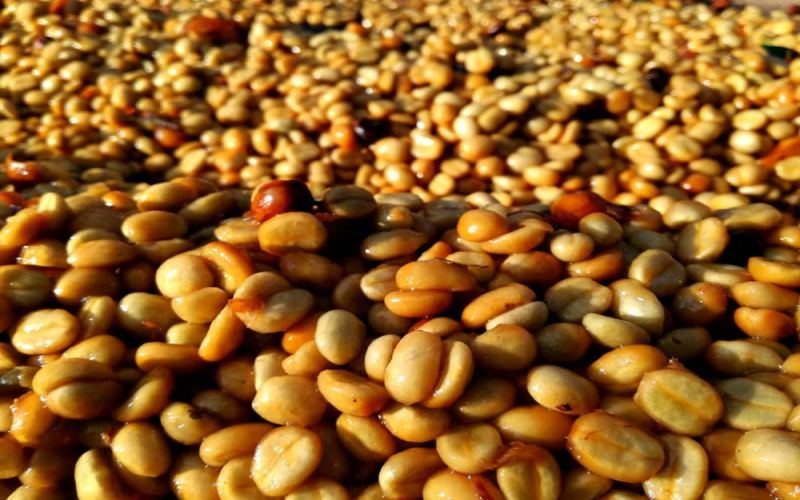
Honey processing, as a method positioned between washed and natural processing, gives coffee beans a unique sweetness and fermented aroma by controlling the proportion of mucilage retained. This article will break down the honey processing steps of picking and sorting, depulping, drying, and storage, and compare the differences in mucilage retention among yellow honey, red honey, and black honey, analyzing their impact on the final flavor. At the same time, we have selected three representative honey-processed coffee beans from Front Street Coffee, ranging from Blackberry and Strawberry Candy to Mozart, to help you make a choice based on your taste preferences. Whether you are a beginner just getting into specialty coffee or an experienced enthusiast pursuing more advanced flavors, this guide will provide you with practical purchasing reference. [more…]
Honey-Processed Coffee Beans: A Complete Guide to Pectin Retention and Flavor Differences from White Honey to Black Honey
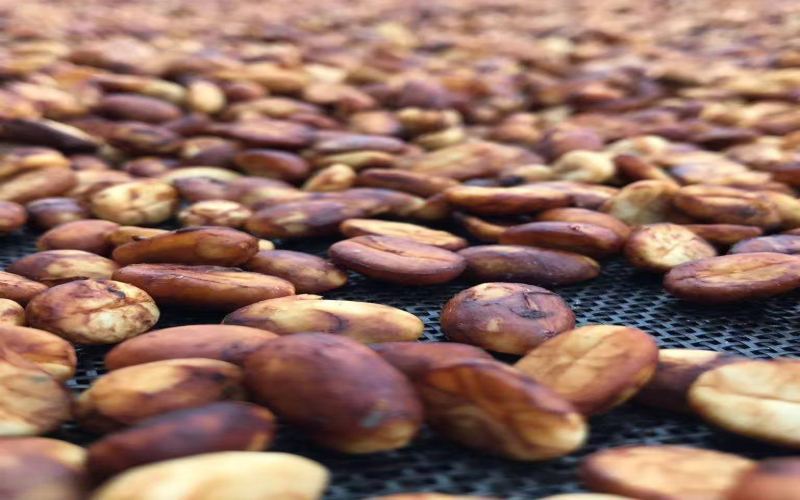
Honey processing is not about processing coffee beans with honey, but rather about retaining different proportions of mucilage for fermentation and drying, thereby creating a rich layering of sweetness and fruity notes. This article will trace the evolution of honey processing from Brazil's pulped natural method to its refinement in Central and South America, explain in detail the key role of mucilage in fermentation, and compare one by one the mucilage retention, drying duration, turning frequency, and raw bean appearance and aroma characteristics of white honey, yellow honey, red honey, and black honey. At the same time, the article also introduces the honey-processed Guatemala New Oriente Geisha on Front Street Coffee's bean list, whose sweet orange, toffee, and bergamot flavors are deeply impressive. [more…]
Brewing Yinghong No. 9: Gaiwan or Yixing Teapot? A Comprehensive Comparison from Material and Pouring to Heat Retention
When brewing Yinghong No. 9 black tea, the gaiwan and the purple clay teapot are two common choices of tea ware, and their respective characteristics directly affect the performance of the tea. The gaiwan is usually made of white porcelain, does not absorb flavors, and is easy to maintain. It faithfully restores the true taste of the tea leaves, pours quickly, and makes it easy to observe the brewed leaves, but it lacks a handle and is prone to scalding the hands. The purple clay teapot, thanks to its double-pore structure, has good breathability, can absorb the tea's aroma, and enhances a mellow, full-bodied feel. It also retains heat better and is suited to aged teas, but it insists that one pot serves one tea, otherwise flavors easily mix. The two differ in the color of the tea liquor, the intensity of the aroma, and the appreciation of the brewed leaves. Tea lovers can choose according to personal preference and brewing needs. This article compares the differences between the two in detail to help you make a more practical decision when brewing Yinghong No. 9. [more…]

How can you tell if coffee beans are fresh? Practical observation methods from bloom puffing, crema thickness to flow rate and aroma
Whether coffee beans are fresh can actually be judged by many clues during the brewing process. Roasted coffee beans accumulate carbon dioxide, which gradually escapes over time, and the amount of carbon dioxide directly affects the blooming puff, the thickness of espresso crema, the water retention of the coffee bed and the flow rate, and also leaves traces in the aroma performance. From the perspective of Front Street, this article sorts out three practical methods for judging the freshness of coffee beans, explains the influence of factors such as roast level and variety on crema, and recommends Front Street Classic Blend, an espresso bean with rich crema and a fragrant flavor, to help you judge and choose more reliably. [more…]
Honey Processed Coffee Classification Explained: Pectin Retention and Flavor Differences Between Black Honey, Red Honey, Orange Honey, Yellow Honey, and White Honey
Honey processing does not mean processing coffee with honey; rather, it is a green bean processing method that retains mucilage for fermentation and drying. It originated from Brazil's pulped natural method and was later improved in Central and South America, being subdivided by mucilage retention and turning frequency into types such as black honey, red honey, orange honey, yellow honey, and white honey. Different honey colors correspond to different drying durations, turning frequencies, and cup flavors. This article will break down everything from the structure of the coffee cherry and the properties of mucilage to each honey processing grade, and includes Front Street Coffee's Guatemala New Oriental Geisha recommendation and pour-over suggestions to help coffee lovers understand the source of sweetness in honey processing and the key brewing points. [more…]
Pour-Over Coffee Equipment Guide: V60 Dripper Design Principles, Material Comparison, and Detailed Explanation of One-Pour and Three-Stage Extraction Methods
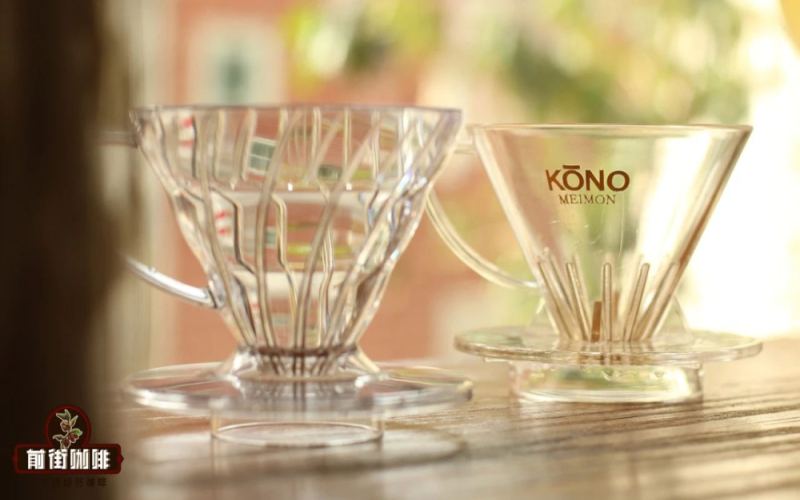
In the world of pour-over coffee, the V60 dripper is an almost unavoidable classic piece of equipment. With its conical structure, large aperture, and spiral rib design, it can accommodate a variety of roast levels and brewing techniques, making it the dripper choice unanimously recommended by Front Street Coffee baristas. This article will start from the three major design elements of the V60, analyze its extraction principles, compare the heat retention and price differences among resin, ceramic, and glass materials, and explain in detail key parameters such as grind size, water temperature, and coffee-to-water ratio. Finally, using Front Street Coffee Costa Rica Strawberry Candy coffee beans as an example, it will provide a hands-on comparison of the flavor presentation differences between the one-pour and three-stage brewing methods, helping coffee enthusiasts find a brewing method that suits them. [more…]
What is the difference between honey processing and natural processing? A detailed explanation of mucilage-retention techniques and the innovative raisin honey process
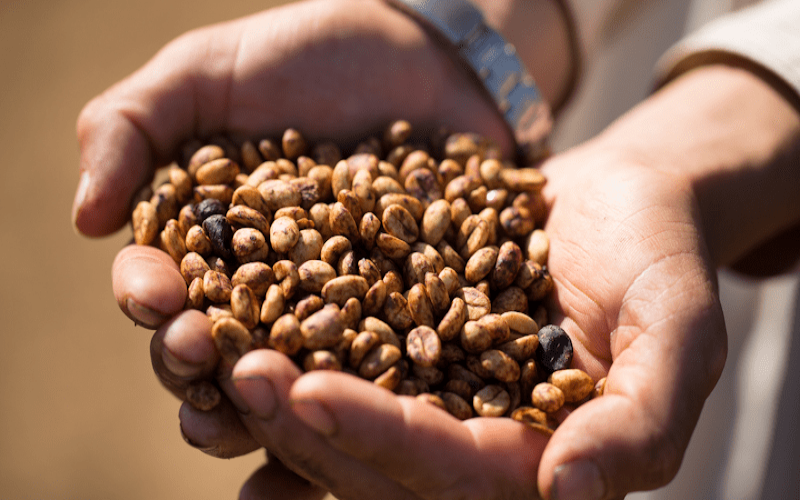
Among coffee processing methods, washed, natural, and honey processing are three common approaches. Honey processing, with its unique technique of retaining mucilage during drying, achieves a more exquisite balance in flavor. From Brazil's pulped natural to Costa Rica's yellow, red, and black honey grading, and on to the raisin honey process that has become popular in recent years, this processing method has continuously evolved into a rich array of variations. This article will systematically review the origins of honey processing, the various grading standards, and its core differences from natural and washed processing, with a focus on introducing the innovative workflow and flavor characteristics of raisin honey processing. It will also recommend several classic honey-processed coffee beans from Front Street Coffee to help coffee enthusiasts gain a deeper understanding of the appeal of this processing method. [more…]
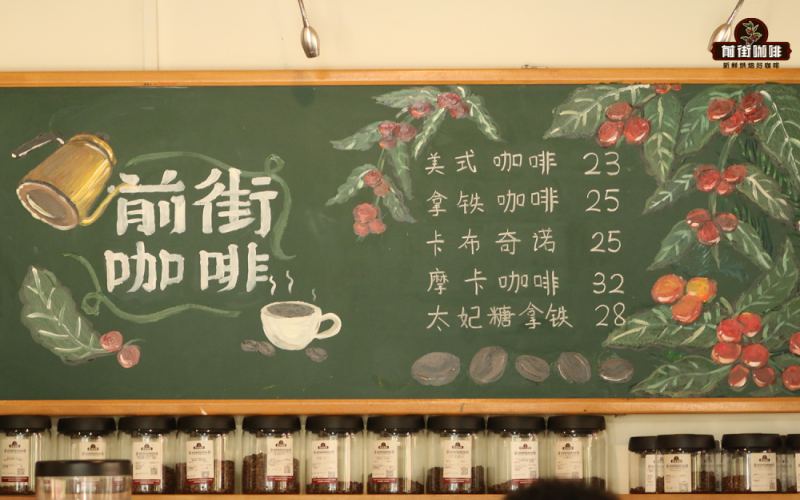
Complete Guide to Honey Processing: From Mucilage Retention to Black Honey Classification, the Flavor Code of Costa Rican Coffee
The processing method of green coffee beans directly influences the flavor direction in the final cup. Beyond the three mainstream processing methods, honey processing, with its unique technique of retaining mucilage, has become a signature technology in Central America, especially in Costa Rica. From the perspective of Front Street, this article systematically reviews the operational procedures of honey processing, the grading of yellow, red, and black honey, the core differences from natural and washed processing, and extends to anaerobic honey processing as a derived technique. At the same time, Front Street uses a cupping comparison of Mirazu Estate Raisin Honey, washed Yirgacheffe, natural Red Cherry, and Lintong Mandheling to intuitively present the specific expressions of different processing methods in terms of sweetness, acidity, and aroma, helping coffee enthusiasts establish a clear sensory reference. [more…]
Pour-Over Coffee Heat Retention and Hot Milk Coffee Temperature Control Guide: How to Slow Cooling Without Ruining Flavor
When the temperature drops, coffee cools down noticeably faster, and its enjoyable drinking window shortens accordingly. Once hot coffee goes cold, it often no longer tastes good—for example, Front Street PWN Golden Mandheling tends to turn bitter, while Front Street Yirgacheffe becomes more sharply acidic. This article addresses three questions: whether pour-over coffee can be kept warm in a thermos, why coffee's flavor deteriorates after it cools, and what temperature milk in a latte should be steamed to. It also offers practical tips, including moderately raising the water temperature and milk temperature, preheating equipment, covering and sealing, and using a thermos for short-term storage of pour-over coffee, to help you extend the time your coffee stays tasty without ruining the extraction or mouthfeel. [more…]
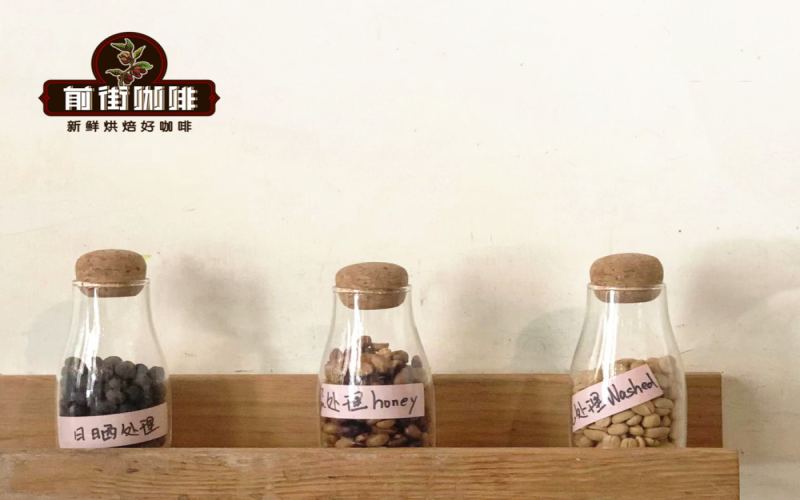
An Analysis of the Differences Among Black Honey, Red Honey, and Yellow Honey Processing: A Comprehensive Comparison from Pectin Retention to Flavor Expression
In the field of coffee post-processing, honey processing is an important method that falls between washed and natural, and is widely used in Central American producing regions such as Costa Rica. Depending on the proportion of mucilage retained, the drying time, and the frequency of turning, honey processing can be further divided into several tiers, including black honey, red honey, and yellow honey. Using three beans—black honey, red honey, and yellow honey—as samples, this article conducts a systematic comparison from green bean appearance and roasting curves to cupping flavors, helping coffee enthusiasts understand the practical impact of different honey processing methods on the final flavor direction, while also providing a reference for everyday purchasing and brewing. [more…]

The Complete Guide to Choosing a Coffee Cup: How Material, Thickness, and Rim Shape Shape the Tasting Experience of Espresso, Latte, and Cappuccino
When it comes to drinking coffee, besides the beans and brewing method, the cup is also an aspect that cannot be overlooked. This article starts from three dimensions—material, thickness, and the shape of the cup body and rim—to systematically sort out the actual effects of different coffee cups on visual appeal, heat retention, and taste perception. You will learn what scenarios glass, ceramic, and stainless steel are each suited for, which flavors open-mouth cups, straight-bodied cups, and tapered cups can respectively amplify, and why Front Street pairs specific cup types when recommending single-origin coffees such as Red Cherry, Geisha Village Flower Queen, and Mozart. Whether you are a collector or just starting out, this cup-selection guide can help you find the vessel best suited to the cup of coffee in front of you. [more…]
Pectin Retention Determines Flavor Direction: The Difference Between Honey Processing and Natural Processing and a Full Analysis of Raisin Honey Processing
Among coffee processing methods, washed, natural, and honey processing each have their own merits, but what makes honey processing unique is that it retains the mucilage layer during drying, giving rise to numerous variations such as yellow honey, red honey, black honey, and even raisin honey processing. The amount of mucilage retained directly affects drying time and flavor complexity; from Brazil's pulped natural to Costa Rica's refined improvements, honey processing continues to evolve. This article will systematically sort out the core differences between honey processing and natural processing, the specific operational differences among the various sub-types, and focus on introducing the raisin honey processing method that has become popular in recent years, while also retaining Front Street Coffee's relevant bean recommendations, providing coffee lovers with a complete reference on processing methods. [more…]

Essential Pour-Over Coffee Equipment | Where Did the Hario V60 Dripper Come From? What Is the Extraction Ratio for Brewing Pour-Over Coffee with a V60? What Is the Difference Between the One-Pour and Three-Pour Water-Pouring Techniques?
When asked what coffee brewing dripper Front Street recommends, the baristas at Front Street almost unanimously answer: V60! The V60 dripper's long ribs help rapidly extract flavor compounds, and its large hole poses no risk of clogging, resulting in coffee with layered complexity. Whether you're a beginner or a seasoned connoisseur, whether you want a refreshing [more…]
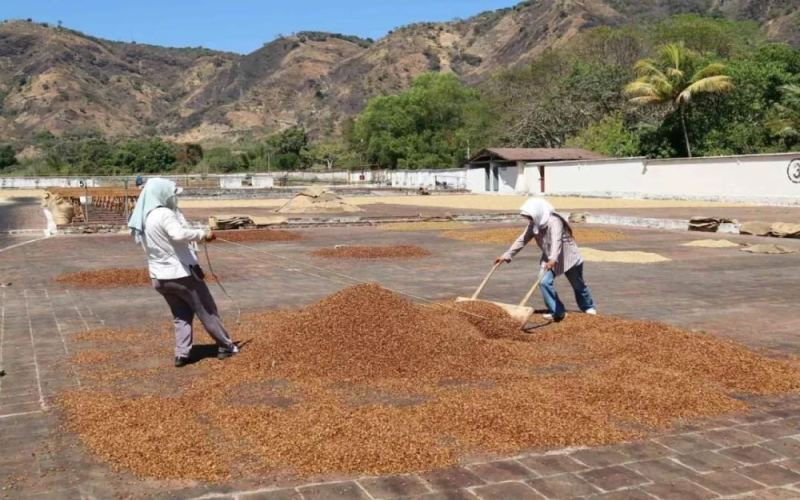
A Complete Guide to Brazil's Pulped Natural Process: Pectin Retention, Flavor Characteristics, and Its Connection to Honey Processing
Among the three major coffee processing methods, natural and washed are easy to understand, but pulped natural (also known as semi-washed) often confuses people. This processing method was born in Brazil in 1990, and its proper name should be Pulped Natural, that is, the pulp natural method. It retains the step of removing the peel and pulp as in the washed method, while also drawing on the sun-drying method of the natural process. Because the soaking time is short, part of the pectin is retained, thereby saving water, shortening the drying cycle, and reducing the risk of infection. This article will explain in detail its background, processing flow, and flavor performance, and trace its origins with Costa Rican honey processing, while also introducing the specific information of a pulped natural Brazilian Red Bourbon from Front Street Coffee. [more…]
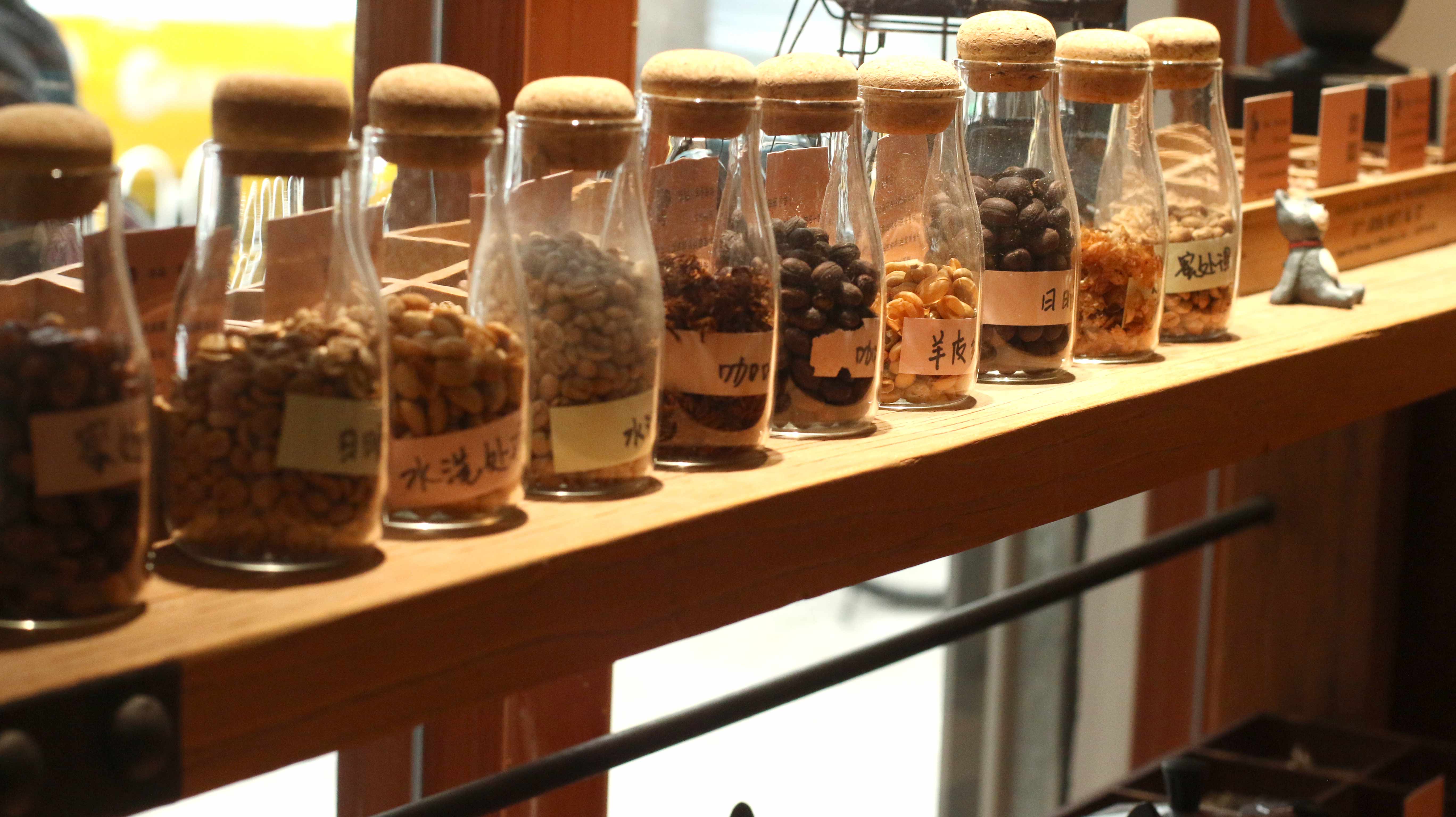
Honey-Processed Coffee Explained: Flavor and Price Differences from Pectin Retention Ratios to Yellow, Red, and Black Grading
Honey processing originated in Costa Rica. It is a processing method that draws on Brazil's pulped natural technique and improves upon it, and today it is also quite common in producing origins such as El Salvador. Local coffee farmers use it to improve bean quality and thereby earn better returns. Compared with changing tree varieties or relocating farms, improving the processing method is clearly more time- and labor-efficient. The key to honey processing lies in retaining the mucilage layer during drying. Depending on the amount of mucilage and the length of sun exposure, it is further divided into three levels: yellow honey, red honey, and black honey, with flavor, processing steps, and price differing accordingly. This article will provide a complete overview of the core knowledge of honey-processed coffee, from steps and flavor to grading standards and commercial considerations, and will also show you the specific performance of Front Street Blackberry, a Costa Rican black honey-processed bean. [more…]
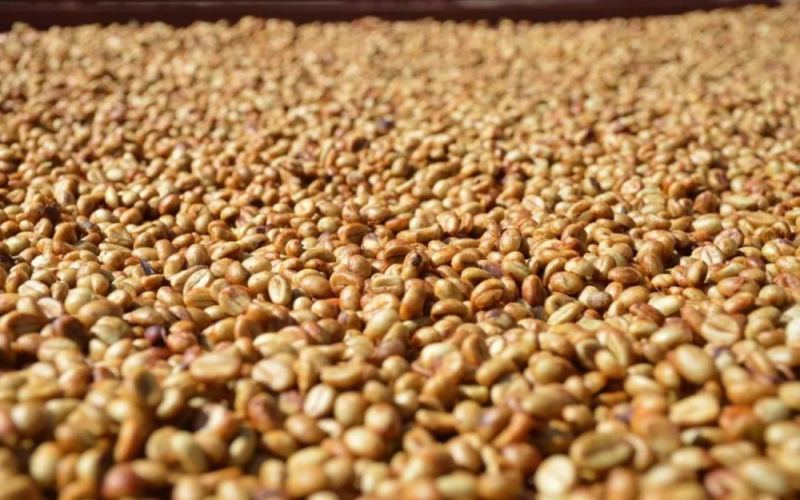
Honey Processing Fully Explained: From Pectin Retention to Flavor Differences and Process Evolution of Yellow, Red, and Black Honey
Honey processing is a coffee processing method that falls between natural and washed processing. Its name comes from the Spanish word "Miel" (honey), and it was first popularized by Costa Rica. By retaining different proportions of mucilage, honey processing gives coffee a full-bodied sweetness and bright acidity while greatly reducing water usage. Depending on how much mucilage remains, it is further divided into white honey, yellow honey, red honey, black honey, and other types, each differing in drying time, turning frequency, and flavor expression. This article will systematically sort out the origin, processing principles, and classification standards of honey processing, and introduce the Guatemala New Oriental Geisha coffee beans recommended by Front Street Coffee. [more…]

Pour-over coffee draining slowly or taking too long to extract—what to do? Find out the causes of water pooling and practical adjustments.
In pour-over coffee, extraction time is often the most difficult variable to control. Many coffee enthusiasts, when brewing at home, have encountered the situation where hot water is slow to drain through and the time gets dragged out. To avoid over-extraction, some people remove the dripper early, but is this really effective? Starting from the brewing framework commonly used at Front Street, this article sorts out several main reasons for slow flow and water retention, including too many fines, improper pouring technique, and the characteristics of light-roasted beans, and offers corresponding solutions to help you improve your brewing performance without changing equipment. [more…]
What makes honey-processed coffee beans unique? A comprehensive analysis from pectin retention to the classification of black, red, yellow, and white honey
Honey processing is a coffee processing method that falls between natural and washed processing. It originated in Costa Rica, and its name comes from the Spanish word for "honey." By retaining different proportions of mucilage and undergoing controlled fermentation and drying, this method creates a diverse range of flavors, from ripe-fruit sweetness to bright acidity. Depending on the amount of mucilage left and the frequency of turning, honey processing is further divided into types such as black honey, red honey, yellow honey, and white honey. This article will systematically outline the origins, development, and flavor characteristics of honey processing, and introduce related products from Front Street Coffee, helping you gain a comprehensive understanding of this processing method that is widely popular in the specialty coffee world. [more…]
Costa Rica Canet Estate Bach Mozart: Raisin Double Fermentation Honey Process Flavor Analysis
Located in the Tarrazú region, Finca Canet showcases the unique charm of a raisin double fermentation honey process through its Bach Mozart coffee beans. These beans use the Yellow Catuai variety, grown at a high altitude of 1,800 to 1,900 meters, with an SHB grade. Yellow Catuai, a hybrid of Mundo Novo and Caturra, was developed in 1949 at the Campinas Agronomic Institute in Brazil, combining disease resistance with a delicate, clean acidity. In processing, the coffee cherries are first dried in the shade until they reach a raisin-like state, then depulped for honey process fermentation, with an extremely high pectin retention rate, claimed to be 100% pectin honey process. The flavor profile is richly layered: the dry aroma features cherry, berries, plum, strawberry, peach, and jasmine; the wet aroma presents delicate floral and fruity sweetness, lemon citrus, and a faint wine-like acidity; on the palate, strawberry, apple, grape, and citrus interweave, accompanied by an unforgettable sweetness of honey and toffee, and a silky, lingering finish like Darjeeling black tea. Front Street Coffee recommends this bean, suitable for coffee lovers seeking complex fermentation flavors. [more…]

A Practical Guide to Choosing Coffee Cups: How Material, Capacity, Thickness, and Shape Affect the Taste of Espresso, Latte, Flat White, and Dirty
Faced with the dazzling array of coffee cups on the market, many people wonder: can a cup really change the taste of coffee? And what cup shapes should different drinks be paired with? Starting from the coffee cups commonly used at Front Street, this article sorts out the effects of four dimensions—material, size, thickness, and cup shape—on coffee flavor, and gives specific cup selection suggestions for common coffees such as hot latte, cappuccino, flat white, Dirty, and pour-over. Whether you are a beginner enthusiast or a barista making drinks every day, you can find practical purchasing ideas here, so that every cup of coffee can show its best side. [more…]