







How Does Honey Coffee Bean Processing Change Flavor?
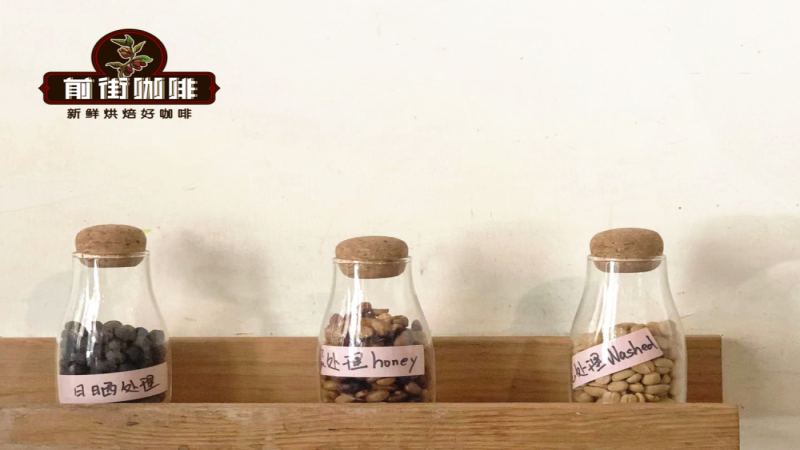
Honey processing dries coffee beans with the mucilage layer still attached, and the grade depends on how much pectin is left on the bean. Black honey keeps nearly all of it and needs more than 14 days of drying, red honey removes part of it, and yellow honey removes more, so the shorter drying cycles produce a lighter, cleaner flavor direction in the cup.
The method grew out of Brazil's pulped natural technique and was adapted in Costa Rica and El Salvador, where water for full washing is limited at high altitude. Comparing black, red and yellow honey samples from green bean appearance through roasting curves to cupping shows how pectin retention, drying time and turning frequency steer the final flavor, which helps when buying and brewing.
In the field of coffee post-processing, honey processing is an important method that sits between washed and natural, and is widely used in Central American producing regions such as Costa Rica. Depending on the proportion of pectin retained, drying duration, and turning frequency, honey processing can be further divided into black honey, red honey, yellow honey, and other levels. This article will use three beans—black honey, red honey, and yellow honey—as samples to conduct a systematic comparison from green bean appearance and roasting curves to cupping flavors, helping coffee enthusiasts understand the actual impact of different honey processing methods on the final flavor direction, while also providing reference for daily purchasing and brewing.
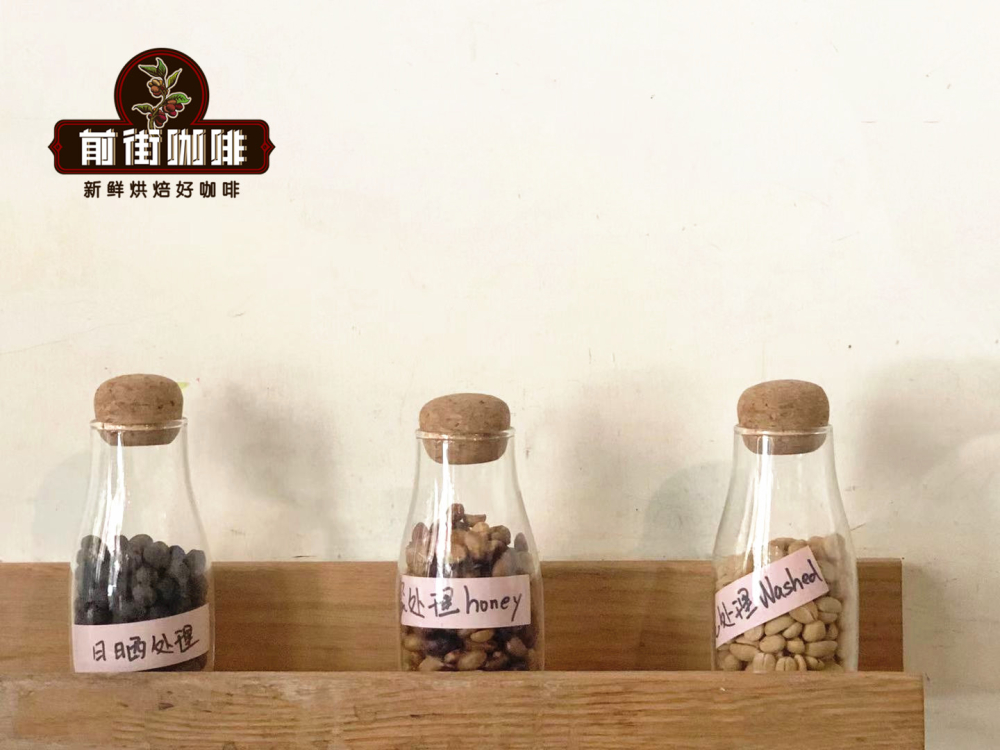
Among coffee bean processing methods, besides washed and natural, honey processing is also a fairly common practice. It sits between washed and natural, and is especially popular in Costa Rica. Within the honey processing family, it is further divided into white honey, yellow honey, red honey, black honey, and other types. What exactly is the difference between these differently named honey processes? Let’s sort through them one by one below.
| Honey Processing
After Brazil’s pulped natural method was introduced to Central American countries such as Costa Rica and El Salvador, it was improved locally and became the honey processing technique.
The essence of honey processing is to dry coffee beans in the sun while retaining the mucilage layer. After the outer fruit pulp of the coffee cherry is removed, a sticky gel-like substance remains on the surface. The traditional washed method uses a large amount of clean water to rinse it off, but some high-altitude producing areas are limited by water resources, so the method of drying directly with the pectin still on the beans emerged.
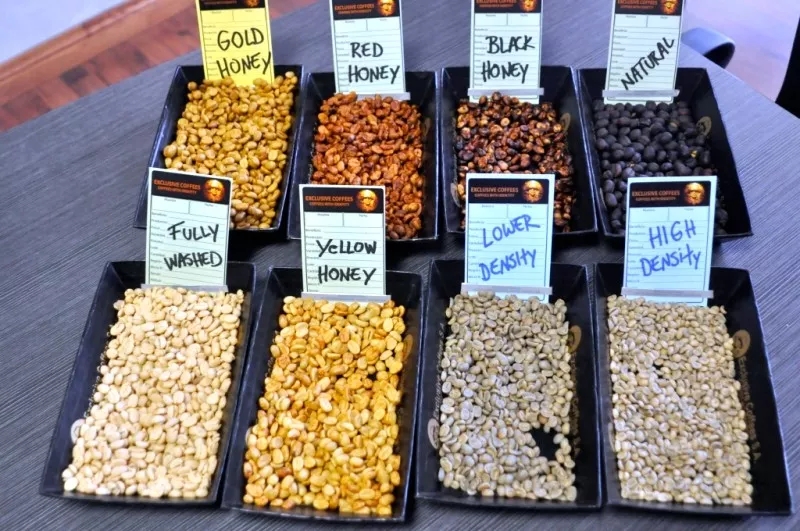
Based on how much pectin is scraped off, the length of sun drying (or the thickness of the spread layer), and the turning frequency during drying, honey processing is classified into different grades such as black honey, red honey, orange honey, yellow honey, and white honey.
Distinguished by pectin removal ratio:
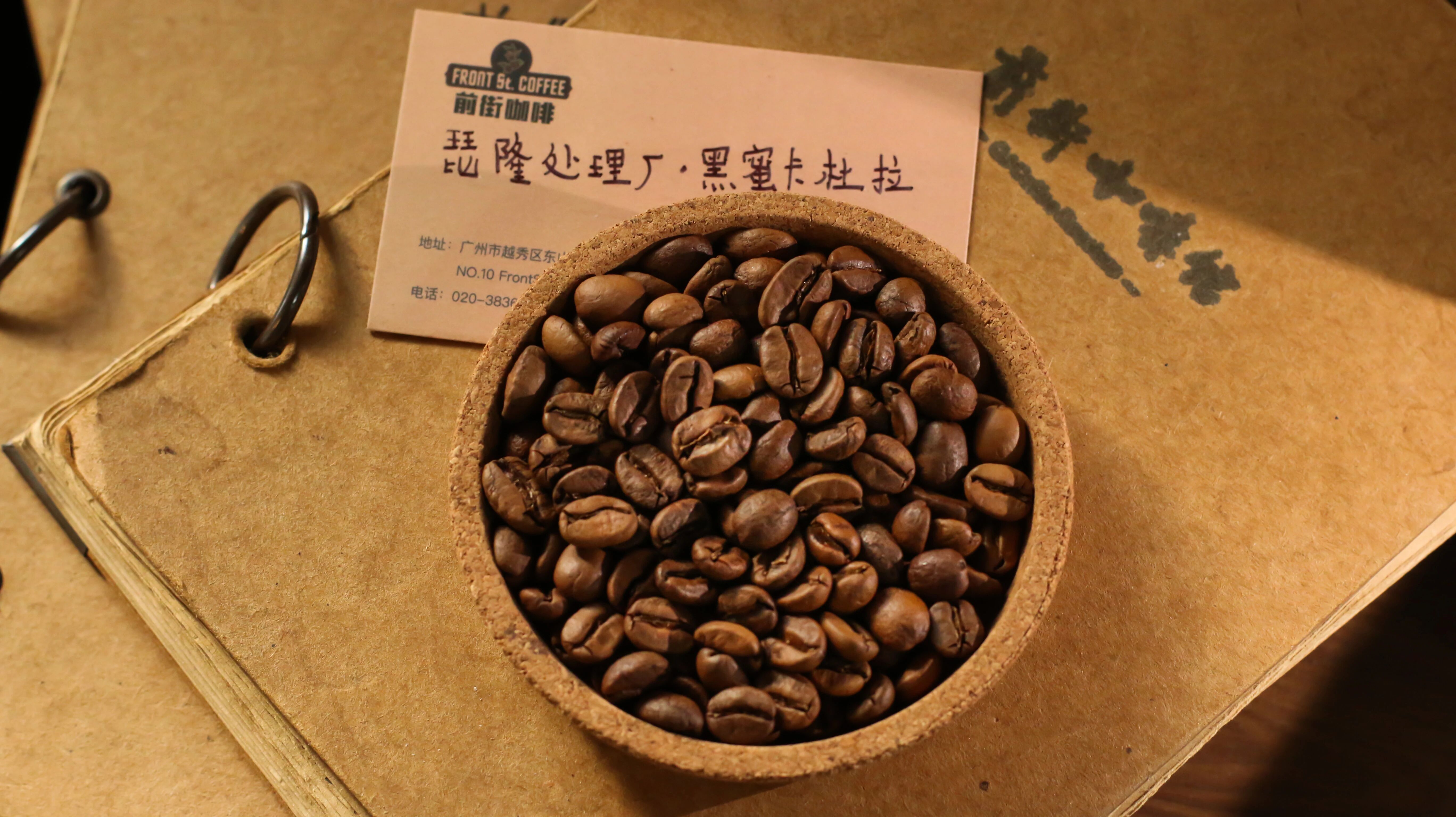
Black honey: The pectin is almost completely retained, so the drying cycle is the longest, usually requiring more than 14 days. During drying, it is necessary to prevent the beans from drying too quickly; covers are used to block overly strong sunlight so that sugar transformation is more complete. If you want to buy high-quality black honey coffee, Front Street Blackberry is worth prioritizing. This bean comes from the Caturra variety in a high-altitude producing area of Costa Rica, has a rich floral aroma with the fermented breath of ripe fruit, and presents a sweet, moist sensation like grapes, pineapple, and sweet orange on the palate.
Red honey: About 25% of the pectin is scraped off (operations vary slightly among different estates), and the sun drying time is about 12 days, during which shade nets may also be set up.
Yellow honey: About 40% of the pectin is scraped off, and it receives the most sunlight for drying, lasting about 8 days.
Some other producing regions and estates classify grades based on the thickness of the coffee bean spread and the number of turns. For example, under the premise of retaining 20% to 30% pectin in all cases:
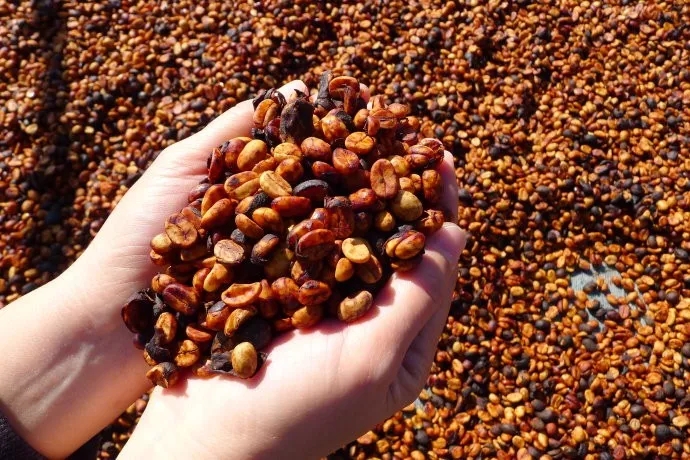
Yellow honey: spread thicker, turned fewer times, and takes longer to dry;
White honey: spread thinner, turned more times, and takes less time to dry.
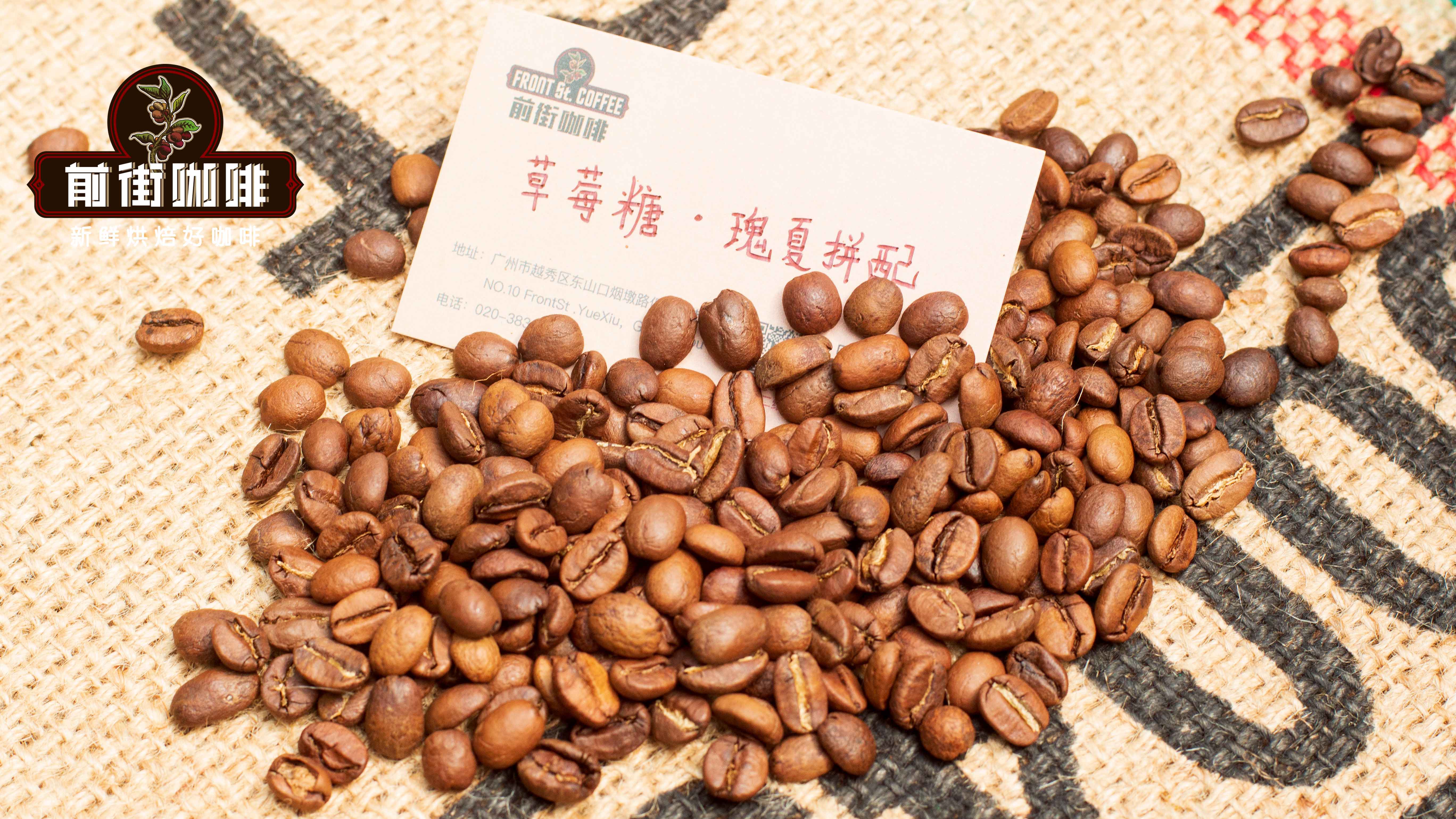
In addition to honey processing derived from washed and natural methods, with the continuous advancement of production technology, many novel processing methods have emerged today. For example, Front Street Mozart, Front Street Strawberry Candy, and Front Street Bahia use a post-processing method called “raisin honey processing,” which can bring flavors such as rose, grape, dried blueberry, and orange, and is suitable for various preparation methods including pour-over, French press, home coffee machines, and cold brew.
| Comparison
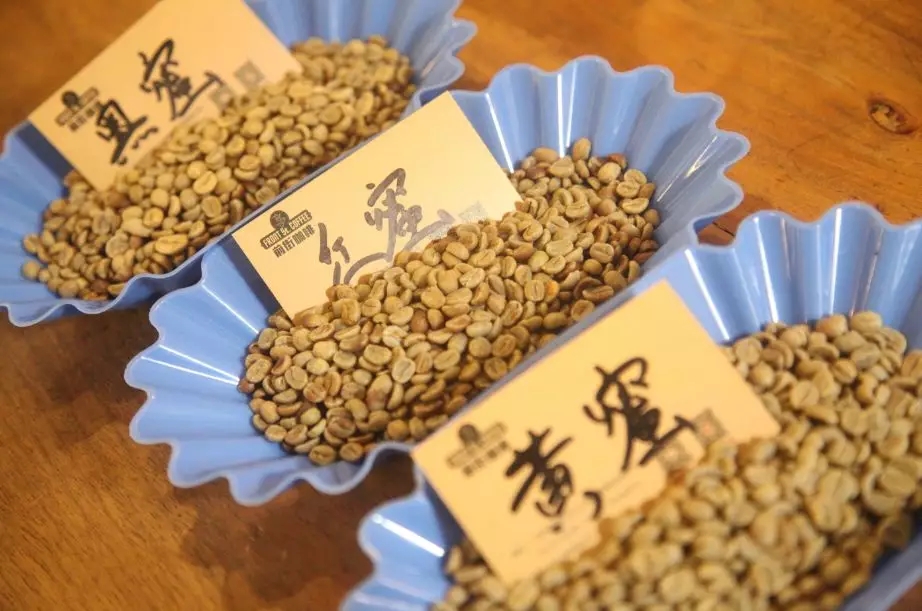
Front Street currently has only three honey-processed coffee beans on hand—black honey, red honey, and yellow honey—so today I plan to compare what differences these three beans show.
| Green Bean Comparison
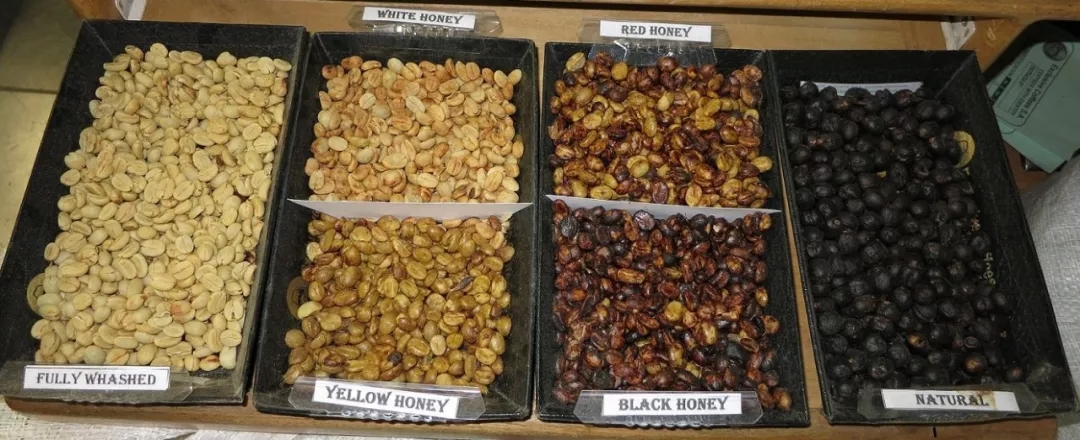
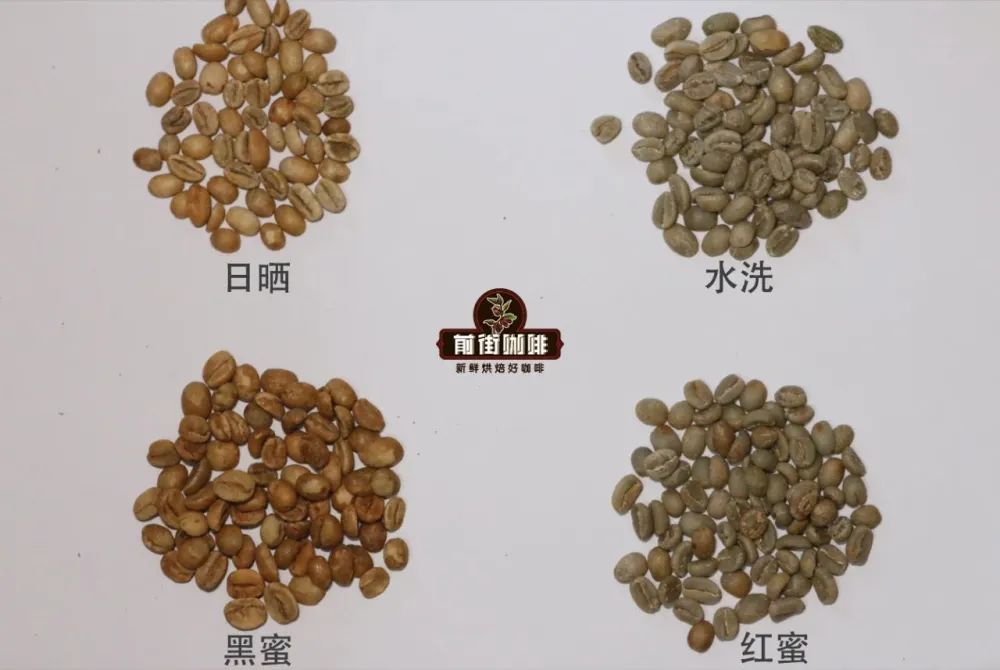
In terms of appearance, black honey–processed beans retain more pectin, so their color is noticeably uneven, and they smell strongly fermented with a fresh scent similar to snow pear;
Yellow honey–processed beans, because relatively less pectin remains, present a more uniform yellow-green appearance, with aromas of green grass and brown rice;
Red honey falls between the two, smelling of light fermentation and green grass.
| Roasting Comparison
[Yellow Honey]
Yellowing point at 5:30, first crack began at 8:46 at 184°C, first crack development for 2:30, dropped at 196°C.
Agtron bean color value 66.9 (upper image), Agtron ground color value 82.4 (lower image), Roast Delta value 15.5.
[Red Honey]
Yellowing point at 5:10, first crack began at 8:40 at 185°C, first crack development for 2:35, dropped at 197°C.
Agtron bean color value 63.6 (upper image), Agtron ground color value 75.9 (lower image), Roast Delta value 12.3.
[Black Honey]
Yellowing point at 5:05, first crack began at 8:50 at 183.6°C, first crack development for 2 minutes, dropped at 195.8°C.
Agtron bean color value 76.7 (upper image), Agtron ground color value 90.1 (lower image), Roast Delta value 13.4.
| Flavor Comparison
Cupping was conducted 8 hours after roasting was completed. Weigh 11.3 grams of grounds, grind size BG 5B (75% passing through China standard No. 20 sieve), water temperature 94°C, pour in 200 ml of water, break the crust and skim after four minutes, and then cupping can begin.
[Yellow Honey] It smells of light fermented fruit, and when sipped it presents flavors of citrus, cocoa, nuts, honey, and caramel, with an overall relatively light mouthfeel.
[Red Honey] It smells of rich fermented red wine, and when sipped it has flavors of pineapple, sweet orange, nectarine, grape, cream, raisin, and maple syrup.
[Black Honey] It smells of rich jackfruit, raisin, and fermented wine, and when sipped it has flavors of plum, citrus, raisin, caramel, and spices.
| Summary
Comparing the three honey-processed beans, [Black Honey] has the strongest fermented aroma and more layered aromatics; [Red Honey] is slightly weaker in aroma; while [Yellow Honey] smells of relatively light fermented fruit.
In terms of flavor, [Black Honey] stands out for its sweetness and acidity, with a somewhat juicy texture; [Red Honey] is more balanced, with a pronounced grape flavor; [Yellow Honey] is relatively clean, not heavily fermented, and leans more toward citrus notes.
The above content is compiled by CoffeeHunters, a coffee news website.


