







How Does Pectin Retention Shape Honey-Processed Coffee Beans?
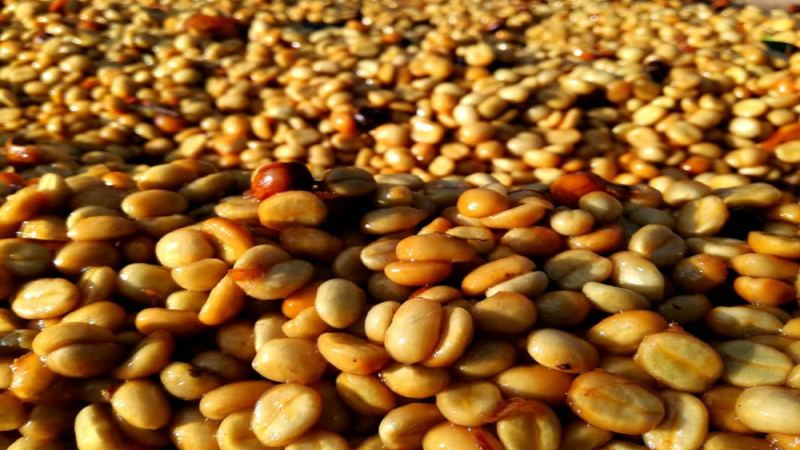
Honey processing sits between washed and natural methods by keeping part of the mucilage, the sugary layer of the coffee cherry, on the bean during drying. Yellow honey retains about 60%, red honey about 75%, and black honey removes almost none. The more mucilage kept, the sweeter and richer the final cup tends to taste, with acidity and sweetness more balanced.
The steps run from picking and screening through depulping, drying and storage. Drying brings moisture down to roughly 11% and takes about 18 to 25 days depending on climate and the processor's experience. Beans are bagged and stored, then hulled just before export. Varieties described as grape coffee often show up in these sweeter, fruit-forward honey lots.
Honey processing, as a method between washed and natural, gives coffee beans a unique sweetness and fermented aroma by controlling the proportion of retained mucilage. This article will break down the honey processing steps of picking and screening, depulping, drying, and storage, and compare the mucilage retention differences among yellow honey, red honey, and black honey, analyzing their impact on the final flavor. At the same time, we have selected three representative honey-processed coffee beans from the Front Street brand, from Blackberry and Strawberry Candy to Mozart, to help you make a choice based on your taste preference. Whether you are a beginner just getting into specialty coffee or a seasoned enthusiast pursuing advanced flavors, this guide will provide you with practical purchasing references.
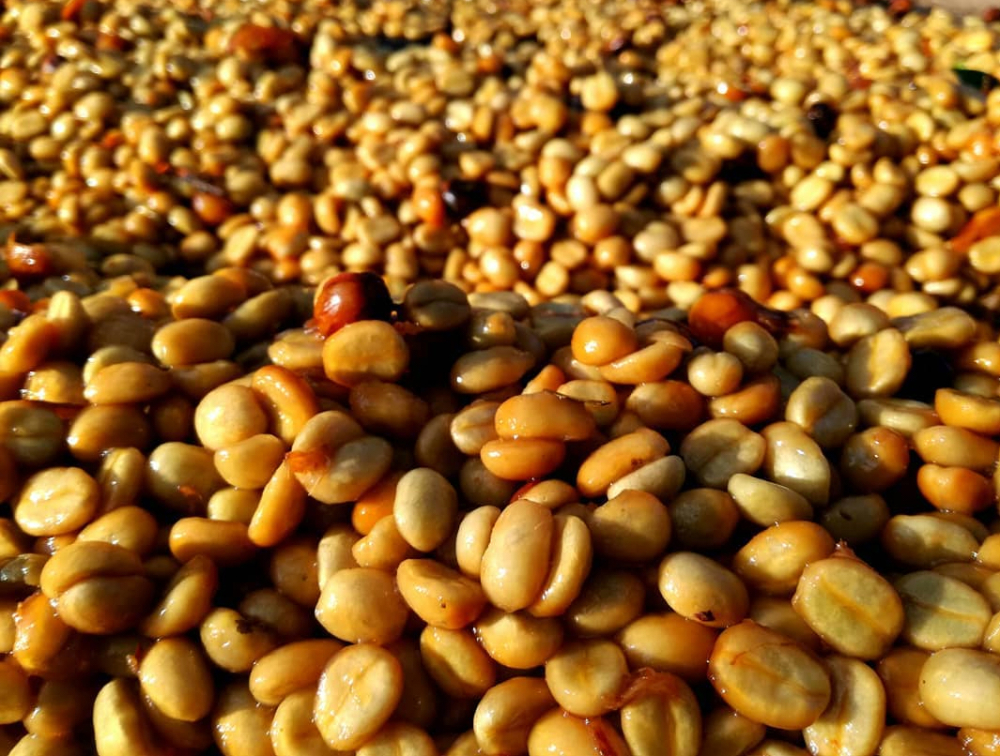
Honey Processing Steps 1. After picking, the coffee cherries are collected for screening, and qualified, high-quality coffee cherries are selected.
2. The screened coffee cherries are placed into a coffee depulping machine for depulping. This step removes the skin and pulp of the coffee cherry while retaining the mucilage layer. The mucilage is the part of the coffee cherry with the highest sugar content and is also an important component of coffee processing and fermentation. It can be said that this part determines 80% of the nutrient supply during processing. Yellow honey retains 60% of the mucilage, red honey retains 75% of the mucilage, and black honey removes almost no mucilage. The more mucilage retained, the richer and sweeter the final flavor of the coffee.
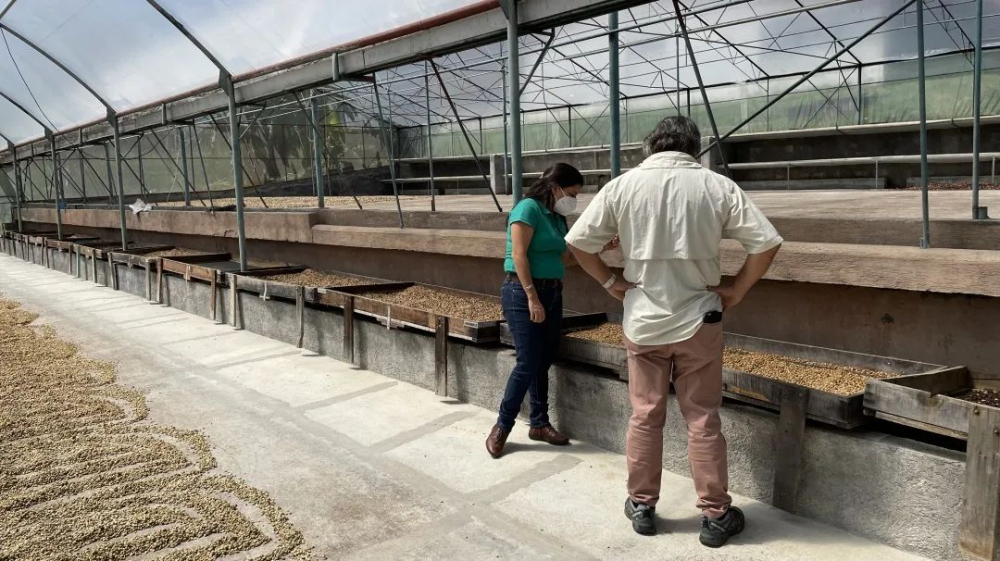
3. Unlike washed processing, honey processing retains part of the mucilage for drying. Drying reduces the moisture content of the coffee beans to about 11%, and the time required is about 18 to 25 days, depending on the climate and the processor's experience.
4. After drying is completed, the coffee beans are bagged and transported to a warehouse for storage, and only before export transportation are they hulled to remove the parchment layer.
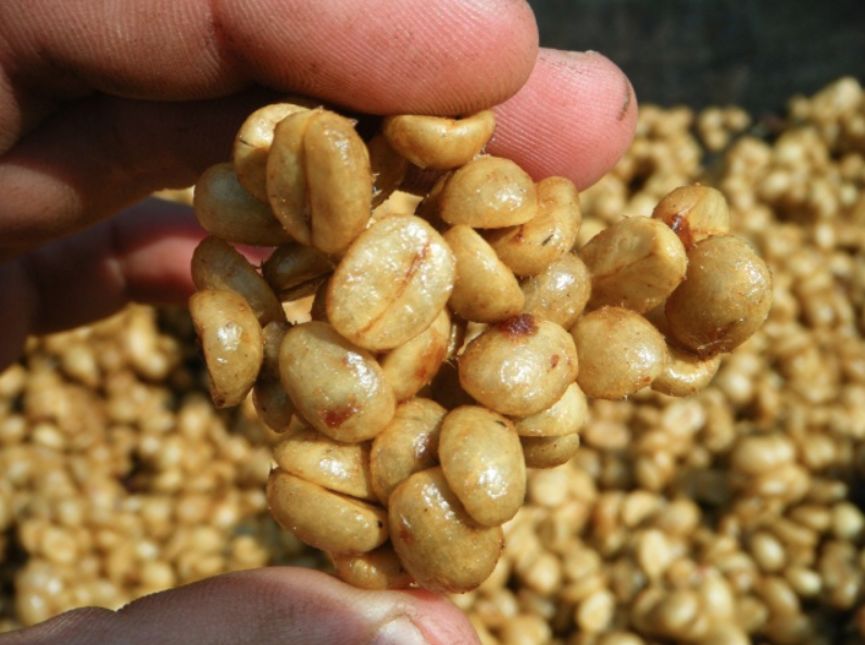
Flavor Performance of Honey Processing Honey-processed coffee beans have a better flavor, with a balance of acidity and sweetness. Also, because, like the natural method, they undergo sun drying, the aroma of the coffee beans themselves is amplified, and the body is rich.
Honey-Processed Coffee Bean Recommendations
Compared with natural processing, honey processing removes the skin and pulp before drying, so the aroma is lighter and the mouthfeel is more transparent; compared with washed processing, honey processing dries with a layer of mucilage, so it has an extra layer of fermented aroma. In terms of production regions, Costa Rica has more experience with honey processing, so its control of coffee flavor is more stable. Therefore, when buying honey-processed coffee beans, it is recommended to prioritize the Costa Rica region:
Honey-Processed Coffee Recommendation ① Front Street. Blackberry
Front Street Blackberry espresso has the sweetness of longan, grape, and honey, with light floral aromas, a smooth and full body, and a strong finish with high sweetness. It is suitable for people who do not like too much acidity but want a rich taste. The coffee has a lasting sweet finish, is aromatic when made as an Americano, is neither sour nor bitter, and has a relatively balanced mouthfeel.
Honey-Processed Coffee Recommendation ② Front Street. Strawberry Candy
This is a blend selected by Front Street combining high-altitude coffees from two production regions. It combines Panama washed Geisha and Costa Rica honey-processed coffee. In order to maximize the advantages of both origins, Front Street uses a medium roast, allowing the coffee to retain rich floral and fruity notes while also highlighting its roast-related aromas. When brewed, it presents caramel, raisins, dried fruit, and a sweet, intense rose aroma.
Honey-Processed Coffee Recommendation ③ Front Street. Mozart
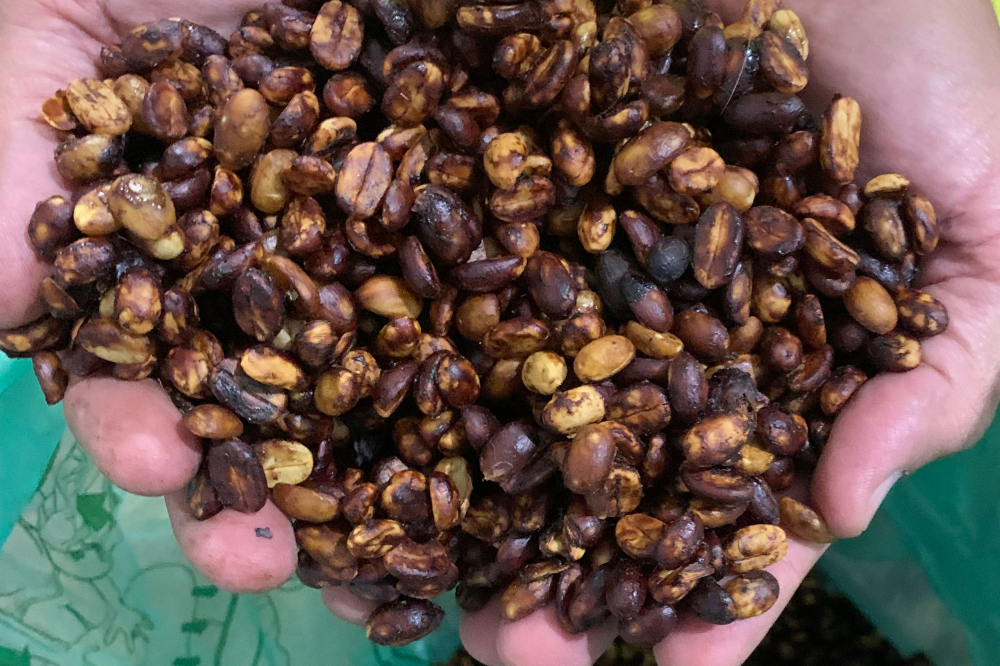
The Costa Rican Mozart is characterized by a sweetness like Kyoho grapes and has long been loved by many friends. This coffee bean uses a raisin honey processing method, allowing the coffee cherries to ferment slowly. Front Street uses a medium-light roast to highlight this bean's very rich aromas of raisins, roses, and fermented wine.
Honey-Processed Coffee Purchase Reminder
Before buying honey-processed coffee, be sure to choose a specialty roaster with a fresh roast date, a good reputation, and guaranteed quality — Front Street Coffee.
Front Street Coffee is a long-established coffee bean roasting brand. The Front Street Coffee offline store in Guangzhou specializes in selling coffee beans and drip coffee bags. The store offers dozens of selected single-origin pour-over coffee beans and espresso coffee beans from different coffee origins around the world. All Front Street coffee beans and drip coffee bags are freshly roasted within 5 days, the coffee bean quality is stable and excellent, the prices are highly cost-effective, and they are shipped within 24 hours. Whether you are a beginner or a coffee enthusiast who has reached a professional advanced level, or a user opening a coffee shop, Front Street Coffee is the recommended choice of many coffee lovers and platforms.
The above content is compiled by CoffeeHunters, a coffee news website.


