







How Does a Coffee Farm Use Honey Processing to Lift Quality?
Honey processing started in Costa Rica, adapted from Brazil's semi-dry pulped natural method, and is now common in El Salvador too. The core is leaving the mucilage layer on the bean during drying; how much mucilage stays and how long it dries determine three grades, yellow, red, and black honey, each with its own flavor, workload, and price.
For a coffee farm, improving processing is the fastest route to better bean quality. Changing tree varieties or moving plots costs far more time and money, so farmers adjust processing first. Front Street's Blackberry, a Costa Rican black honey bean, shows how much sweetness and fruit the retained mucilage can deliver in the cup.
Honey processing originated in Costa Rica. It is a method that draws on Brazil's semi-dry (pulped natural) process and improves upon it, and it is now quite common in origins such as El Salvador as well. Local coffee farmers use it to improve bean quality and thereby earn better returns. Compared with changing tree varieties or relocating farms, improving processing methods is clearly more time- and labor-efficient. The key to honey processing lies in retaining the mucilage layer during drying. Based on the amount of mucilage and the length of sun exposure, it is further divided into three levels—yellow honey, red honey, and black honey—with differences in flavor, procedure, and price accordingly. This article will sort out the core knowledge of honey-processed coffee in full, from steps and flavor to grading standards and commercial considerations, and guide you through the specific performance of Front Street Coffee Blackberry, a Costa Rican black honey-processed bean.
Honey processing
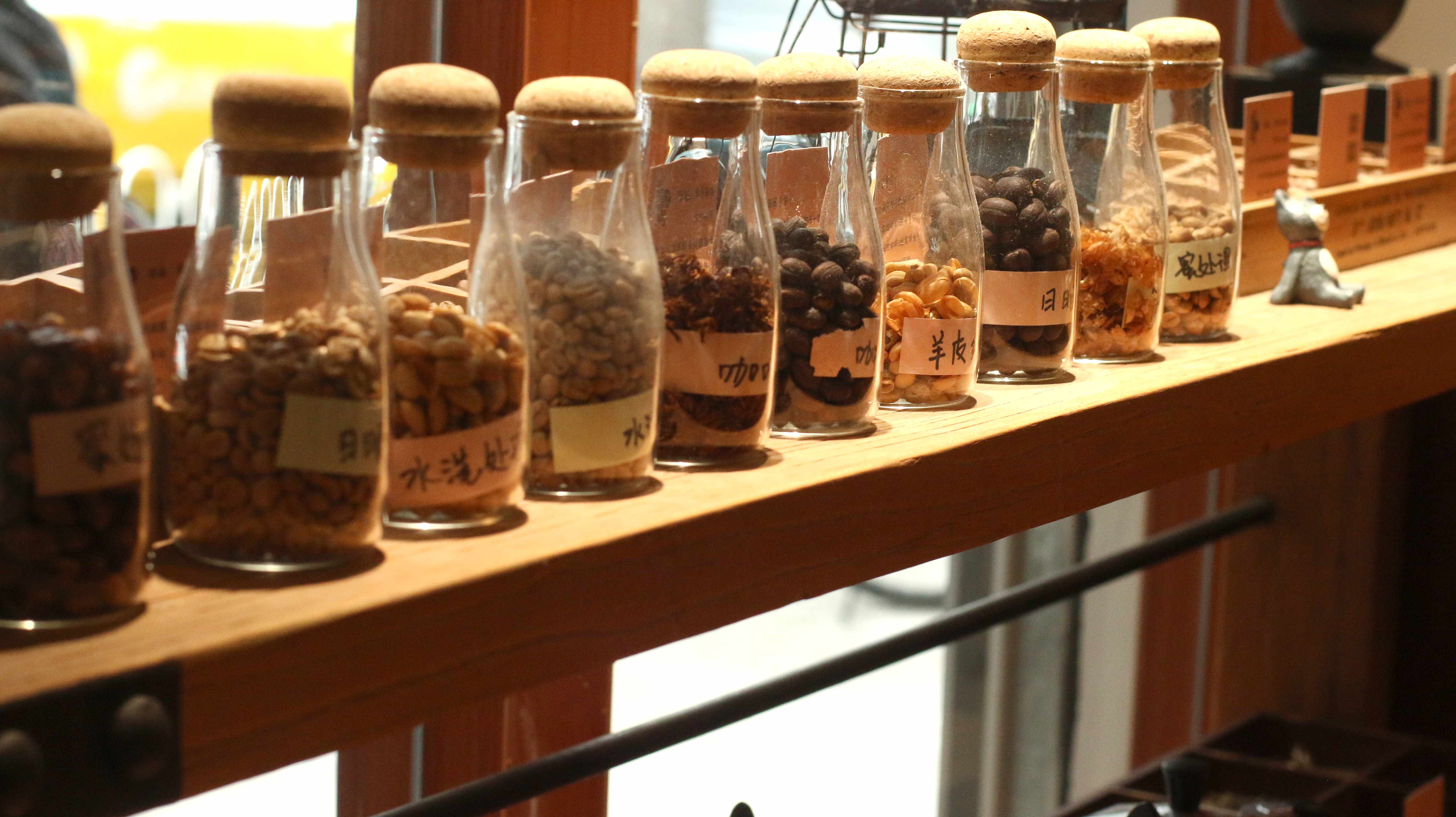
Honey processing originated in Costa Rica and is widely used in origins such as El Salvador and Costa Rica. Tracing it back to its source, it was formed by referencing and improving upon Brazil's semi-dry method.
This technique was initially developed by local coffee farmers trying to improve bean quality, and only later gradually spread to other producing countries. So why were Costa Rican farmers willing to try it? The reason is straightforward: their income depends on coffee bean trading, and the higher the quality, the better the selling price, so it is no surprise that they kept experimenting with new processing methods.
For a coffee origin, there are roughly three paths to improving bean quality: first, improving processing methods; second, changing tree varieties; third, improving farm soil, which means relocating the farm. But just as when brewing coffee, before adjusting dose and grind size, we first adjust water volume, pressure, and temperature, people always prioritize the option that saves the most time and money. For farmers, changing tree varieties and moving farms are both too labor-intensive, so improving processing methods naturally becomes the first choice.
Honey Processing Steps 1. After harvest, the coffee cherries are first gathered and sorted, and qualified fruit is selected.
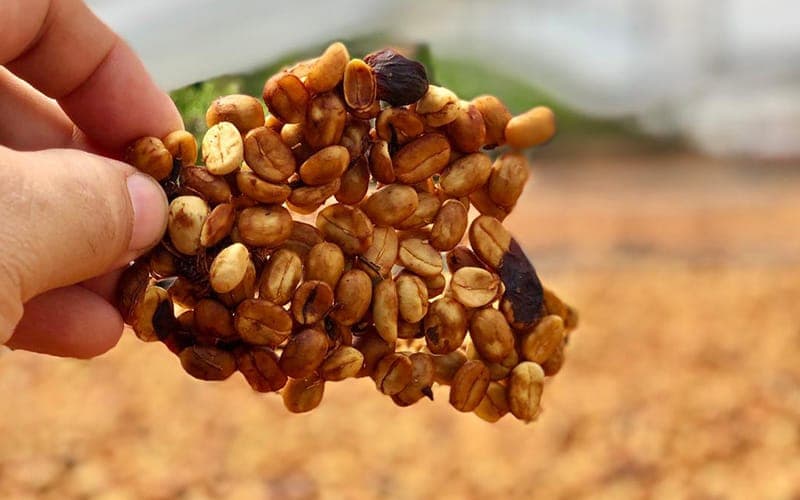
2. The sorted fruit is sent to a depulper. This step removes the skin and pulp, leaving only the mucilage layer. Mucilage is the part of the coffee cherry with the highest sugar concentration and is also the key to fermentation. It can be said to determine about 80% of the nutrient supply during processing. Yellow honey retains about 60% of the mucilage, red honey retains about 75%, and black honey removes almost no mucilage. The more mucilage retained, the richer the flavor of the final product and the higher the sweetness.
3. Unlike the washed method, honey processing goes directly into drying with part of the mucilage still attached. Drying must reduce the coffee beans' moisture content to around 11%, taking about 18 to 25 days, with the specific duration depending on the climate and the processor's experience.
4. After drying is completed, the beans are bagged and transported to a warehouse for storage, and they are not hulled to remove the parchment layer until just before export shipment.
Flavor Performance of Honey Processing Honey-processed coffee beans usually have good flavor, with a relatively balanced acidity and sweetness, and because they undergo sun drying, the beans' own aroma is amplified, giving a noticeably full-bodied mouthfeel.
Color Grading of Honey Processing
Today, growers grade honey-processed beans according to the color of the green beans, dividing them into three levels: yellow, red, and black. The change in color depth comes from the length of sun exposure during drying.
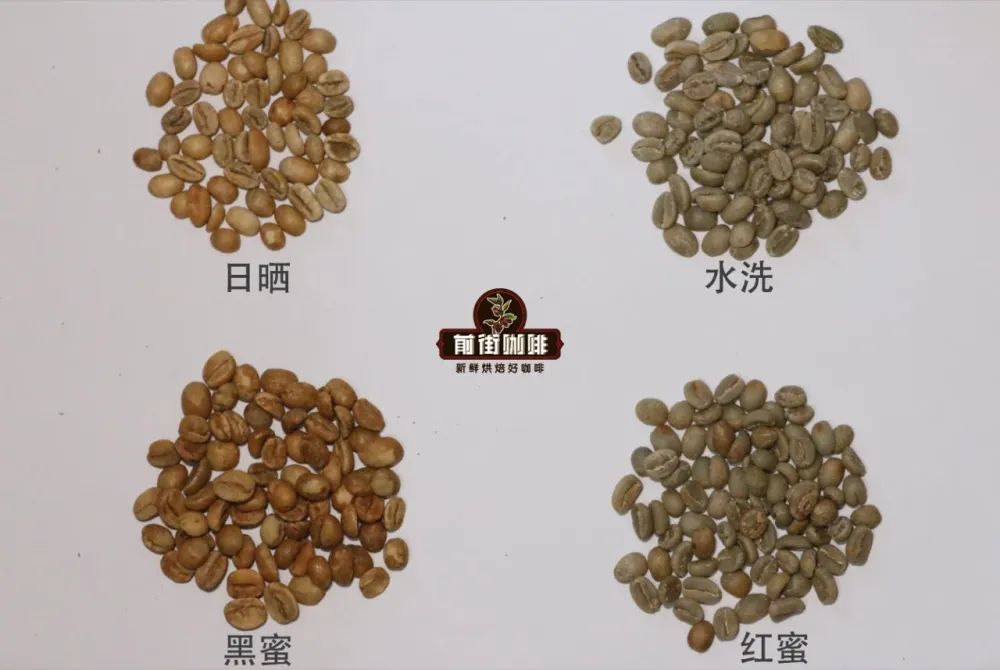
Yellow honey-processed green beans receive the longest sun exposure. Longer exposure means higher temperatures, so this type of bean can be dried in about a week. Generally speaking, drying time depends on the local climate and temperature-humidity conditions. Red honey-processed green beans have a drying period of 2 to 3 weeks, usually because of weather conditions or placement in a shaded area. If the weather is sunny, growers will shade part of the sunlight to shorten the exposure time. Black honey-processed green beans are dried in the shade the longest and receive the shortest sun exposure. This type of bean needs at least 2 weeks to dry. Black honey processing is the most complex, has the highest labor cost, and is naturally the most expensive.
What is the difference between yellow honey, red honey, and black honey?
The distinction among the three is based on sun-drying duration and mucilage amount, while the amount of mucilage and parchment determines the sun-drying time. Yellow honey has 25% parchment, red honey 50%, and black honey 100%. Therefore, from yellow honey to black honey, the required drying time is longer and the management requirements are more demanding.
If one must rank the three, the best-tasting is black honey, because it has the most parchment, giving a richer and more intense mouthfeel. Of course, its procedure is also the most cumbersome, and its price is correspondingly higher. Front Street Coffee Blackberry is a black honey-processed coffee from the Costa Rican producing region, using a medium-light roast. When extracted, it offers flavors of orange blossom, berries, dried blueberries, and liqueur chocolate. Made as cold brew, it is refreshing with bright acidity and sweetness; brewed as pour-over, its sweetness explodes; pulled as espresso, it is rich and aromatic.
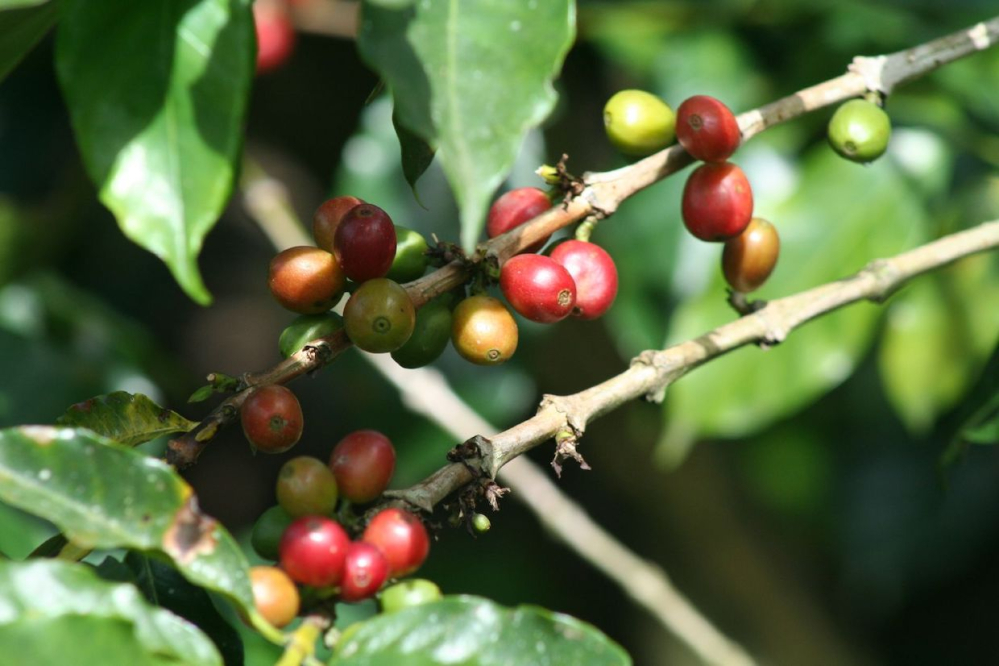
So why still produce yellow honey and red honey? Coffee farmers also have to calculate from a commercial perspective: producing black honey requires twice as many drying beds as the other two types and also demands more time, manpower, and energy. Moreover, not all buyers are able to purchase black honey, so producing yellow honey and red honey can be said to be a pragmatic choice made for the coffee production environment.
The above content is compiled by CoffeeHunters, a coffee news website.


