







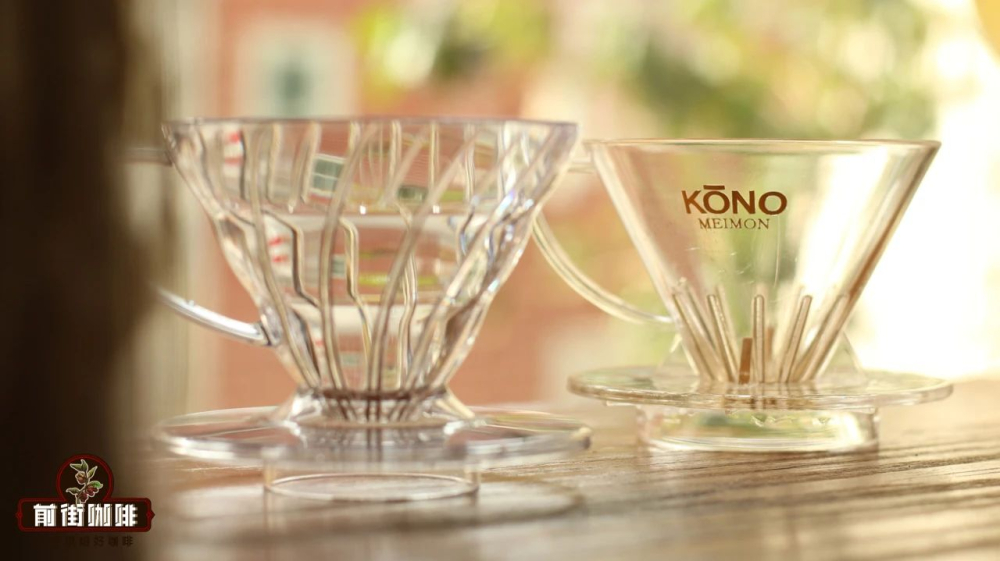
If you ask the baristas at Front Street what pour-over dripper they recommend for brewing coffee, they will almost unanimously answer: V60! The V60's long ribs help extract flavor compounds quickly, and the large hole poses no risk of obstruction. The coffee brewed has layers of complexity. Whether you're a beginner or a seasoned connoisseur, whether you want a lighter coffee or a fuller-bodied one, whether you use the one-pour method, the three-stage pouring method, or other brewing techniques, the V60 dripper, compared to other drippers, can cooperate very well with everyone's approach.
Whether you're experimenting with pour-over on your own or opening a specialty coffee shop, you must have a V60 dripper. Everyone is so accustomed to choosing the V60, and Front Street believes the V60 dripper has three key elements:

Conical shape (60-degree angle): This allows water to flow to the center and extends the contact time between water and coffee.
Single large hole: This allows the coffee to change the flow rate during brewing, thereby changing the flavor.
Spiral shape: These spirals extend all the way from the bottom to the top, allowing air to escape smoothly and maximizing the contact area between coffee grounds and both air and water.
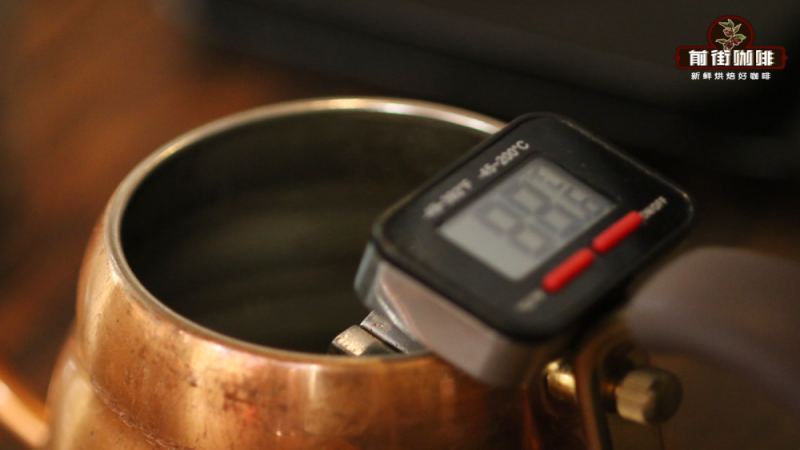
Therefore, with these elements, you can adjust the grind size, brewing water temperature, and brewing technique to achieve the flavor you want from fresh coffee beans. For example, when Front Street brews light-to-medium roasted coffee beans, in order to bring out the acidity of the beans, we use a medium-fine grind (80% passing through a No. 20 sieve), then use a water temperature of 90-91°C with the three-stage pouring method to extract the acidity, sweetness, and bitterness of the coffee in stages.
V60 drippers come in various different materials. How should you choose when buying one? Front Street specifically bought the three most common materials on the market—resin, ceramic, and glass V60s—to conduct a heat retention comparison and draw conclusions.
First, the most direct impact is the dripper's heat retention performance. Temperature is one of the influencing factors during coffee extraction, which is why we are so particular about water temperature. A dripper with good heat retention can reduce heat loss and ensure temperature stability, achieving more consistent extraction efficiency.
The heat retention performance of these three is as follows.
Heat retention: resin > ceramic > glass

Besides heat retention performance, different materials also directly affect the price. Beginners should choose a dripper based on what they can afford, rather than blindly following trends and going along with what others say. Cost-effectiveness is also particularly important.
Price: ceramic > glass > resin
Additionally, Front Street suggests that when purchasing, check whether the packaging box shows a 01 or 02 dripper, and when buying filter papers, also check whether the filter paper is 01 or 02~
01 : Can brew 1 to 2 cups capacity.
02 : Can brew 1 to 4 cups capacity.
Having roughly introduced the V60 dripper, next let's talk about how to use the V60 to brew a delicious cup of pour-over coffee!
First, choose fresh coffee beans!
The freshness of coffee is crucial to its quality. If coffee beans are left for too long after roasting, it will lead to the loss of coffee flavor and aroma. Front Street's coffee beans have an optimal flavor period of 30 days. After 30 days, the aroma molecules in the coffee beans decrease as carbon dioxide is released, so coffee brewed from beans past their optimal flavor period may taste bland and flat.
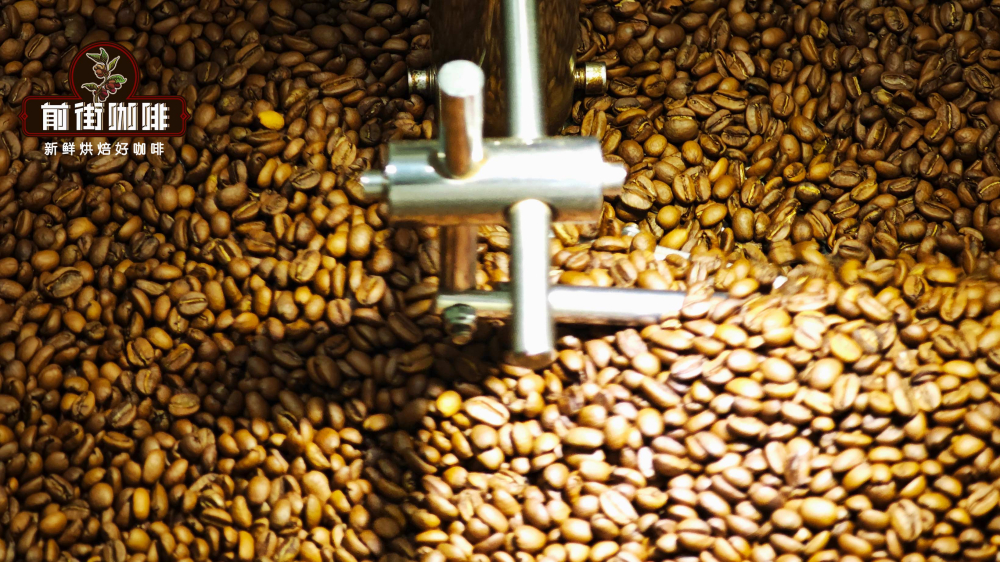
When you receive Front Street's coffee beans, first check the roast date and rest the beans in their original unopened packaging in a cool, dry environment. Freshly roasted coffee beans have about 2% of their weight as carbon dioxide, and this large amount of carbon dioxide is released depending on the storage environment, equipment, or method, making the pressure inside the packaging higher than one atmosphere. This pressure helps aromatic substances and oils merge, bringing all the aromatic substances inside the coffee beans to a state where they are easily extracted. Resting the beans is the process of "gas release," also commonly known as degassing, resting, or maturation. Since every roaster's roasting technique is different, the roast level varies, and the degree of damage to the coffee bean structure differs, you can ask the shop when purchasing. Front Street Coffee (FrontStreet Coffee) recommends the following bean resting for the coffee beans it sells: medium roast coffee beans should be rested for 3-4 days before brewing.
Next is grind size!
To ensure that each bean's grind size is most suitable for brewing, Front Street recommends buying a No. 20 cup test calibration sieve with an aperture of 0.85mm. Weigh 10g of coffee beans, set a rough grind size and grind them into coffee powder, then pour into the sieve to sift. Weigh the sifted coffee powder (be sure to sift until no more coffee powder can pass through to consider sifting complete). A passing rate of 80% (8g out of 10g passes through) is the most suitable grind size for light-to-medium roasted coffee beans, and a passing rate of 70%-75% (7-7.5g out of 10g passes through) is the most suitable grind size for medium-dark roasted beans. If it exceeds the suitable passing rate, adjust the grind coarser; if it doesn't reach the suitable passing rate, adjust the grind finer.
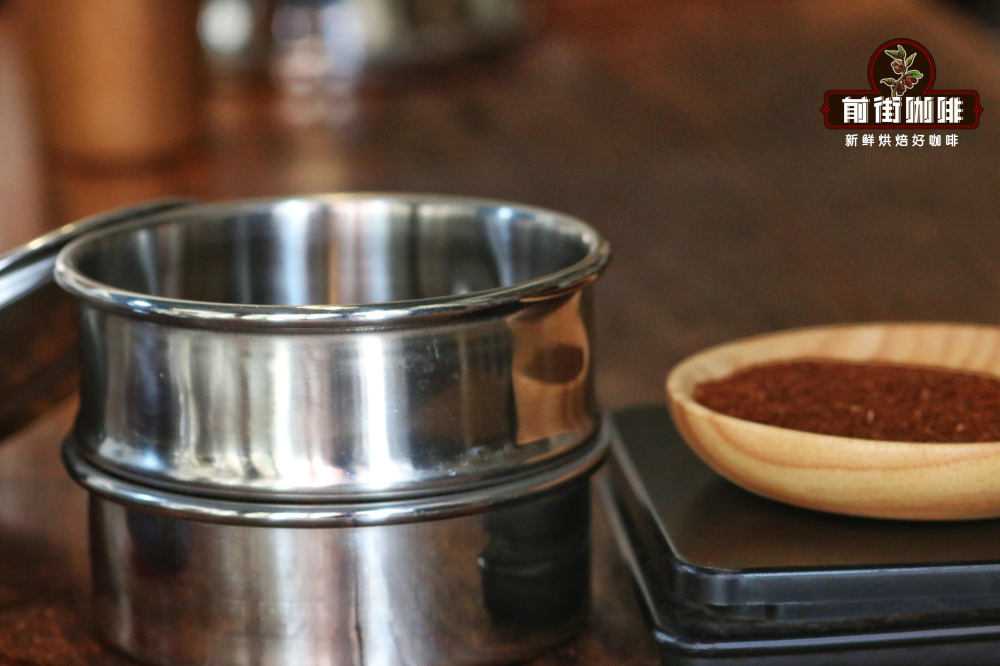
The finer the coffee beans are ground, the more easily the coffee powder accumulates at the bottom of the filter paper, creating greater extraction resistance, so the flow rate is slower and extraction time is longer. The extracted coffee is prone to unpleasant flavors like woody or off-flavors. The coarser the coffee beans are ground, the larger the gaps in the coffee bed, the less coffee powder comes into contact with hot water, the weaker the extraction resistance, the faster the coffee drips, and the lower the extraction rate, so the coffee flavor is also lighter.
Then there's the brewing water temperature~
Front Street Coffee (FrontStreet Coffee) recommends using a water temperature of 91-93°C for brewing light-to-medium roasted coffee beans, and 87-89°C for brewing medium-dark roasted coffee beans.
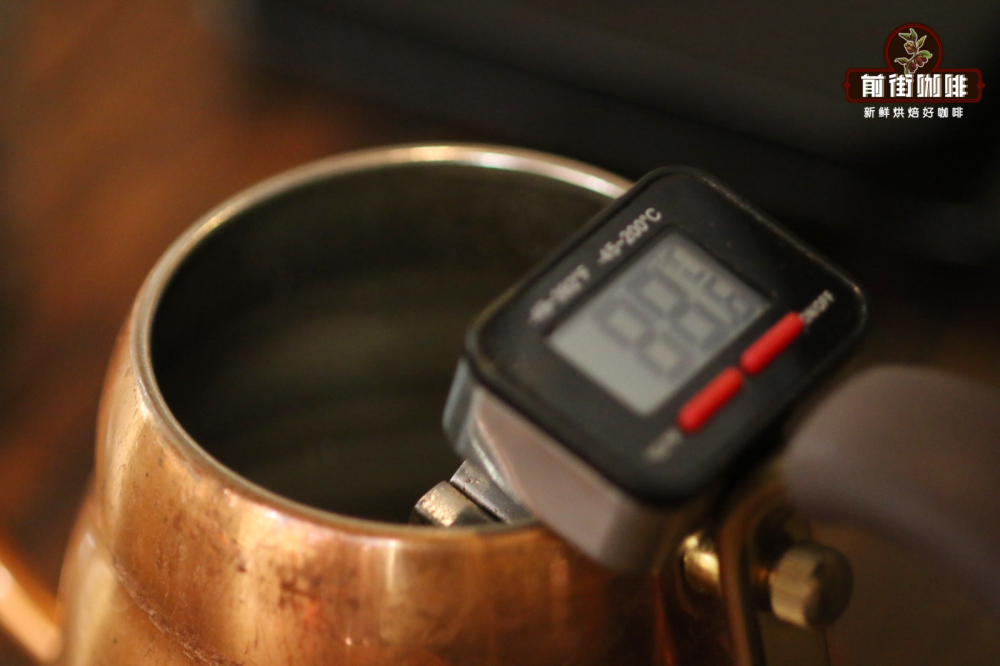
At the same grind size, if the brewed coffee tastes bitter, burnt, or astringent, you can lower the extraction water temperature to adjust; conversely, if it tastes bland, that means there are still many flavors remaining in the coffee grounds, so you can consider raising the temperature.
The aroma and flavor expressed by proper water temperature and good extraction are positive and pleasant. For example, the acidity will be very rich, like the sweet-tartness of plums or stone fruits, with overall cleanliness, clarity, and transparency. You can clearly taste what the flavor is—delicate, rich, and bright acidity—and it can remind you of certain fruits or even wine, with a lingering finish that stays in the mouth and makes you savor it.
Finally, let's talk about the difference between the one-pour method and the three-stage pouring method~
One-pour method: This allows the coffee grounds to continuously soak in water, with the retained liquid fully releasing the aromatic substances in the coffee grounds. The flow rate continuously increases, and before the water level covers the dripper, reduce the flow. The one-pour method mainly controls the amount of water poured and the flow rate, achieving full extraction without losing balance. An improper pouring method will破坏 the overall balance of the coffee. This method mainly maintains a smooth flavor and balance. The downside is that if the pouring technique isn't well controlled, water may pass through the filter paper at the edge above the coffee grounds, potentially resulting in under-extraction.

Three-stage method: Front Street Coffee (FrontStreet Coffee) recommends beginners use the three-stage pouring method for brewing. This technique is suitable for light roast, light-to-medium, and medium roast coffee beans. The three-stage pouring method of segmented extraction can clearly define the front, middle, and back flavors of the coffee, and can better ensure the coffee's flavor presentation. Segmented extraction can achieve richer layers than the one-pour method and can clearly define the front, middle, and back flavors of the coffee. The method is to increase the amount of water poured each time after blooming, usually pouring when the coffee liquid is about to drop to the surface of the coffee bed, using small, medium, and large flow rates for three-stage extraction. However, segmented extraction has relatively high requirements for water flow rate and volume.
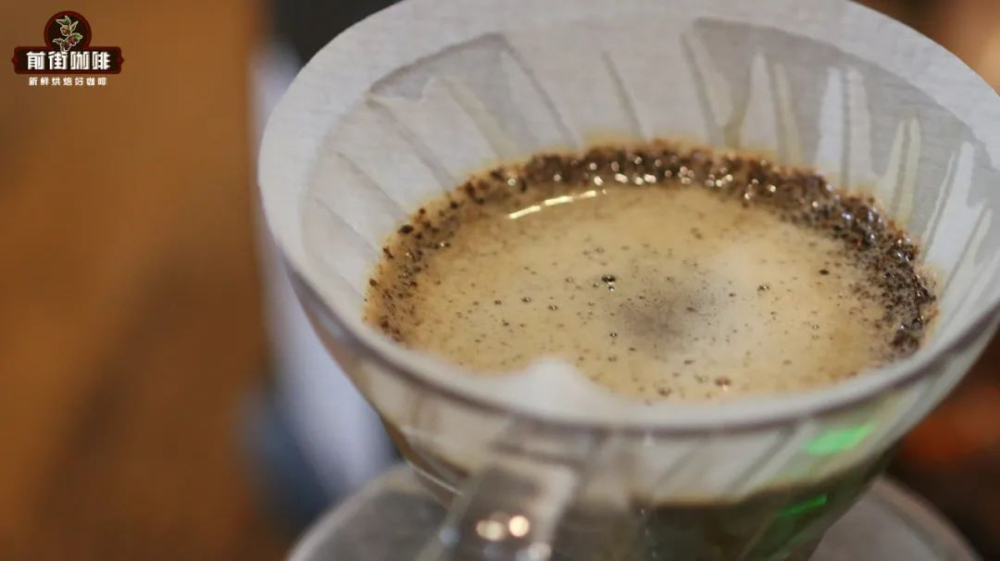
Next, Front Street uses a Costa Rica Geisha blend to compare the two brewing techniques of coffee extraction.
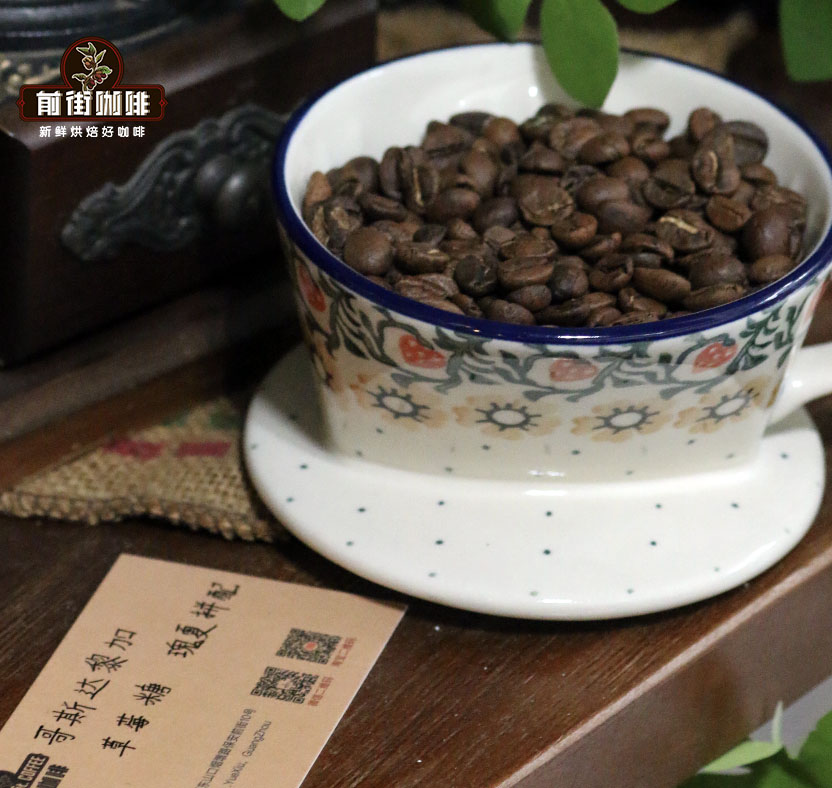
Front Street Coffee (FrontStreet Coffee): Costa Rica Strawberry Candy Coffee Beans
Region: Tarrazú, Costa Rica
Estate: Mirazu Estate
Altitude: 1700m
Processing method: Raisin honey process
Varieties: Geisha, ET47, SL28, MACIO
Dripper: V60
Water temperature: 90-91°C
Grind size: Medium-fine grind / fine sugar size (80% passing through No. 20 sieve)
Coffee-to-water ratio: 1:15
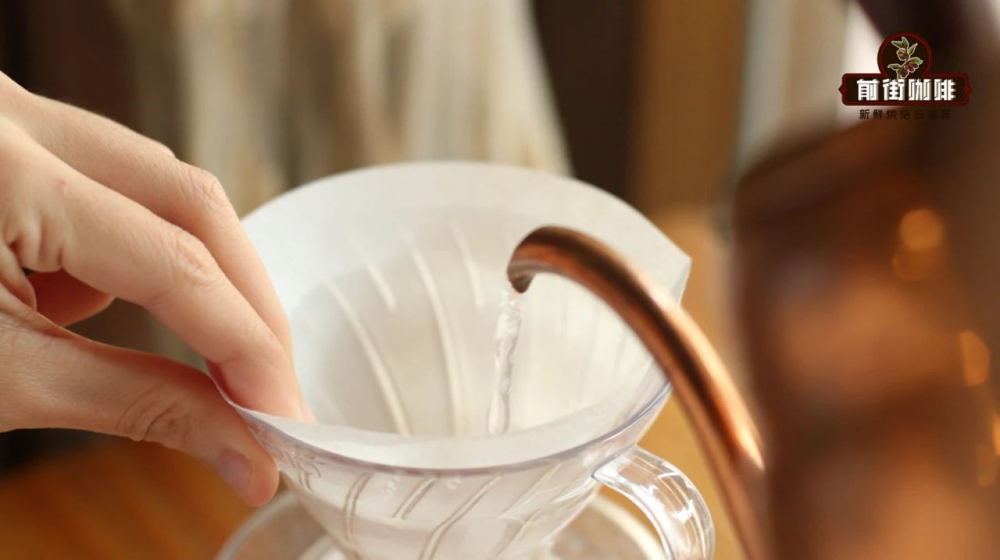
One-pour brewing method: Bloom with 30g of water for 30 seconds, then pour continuously until 225g and stop. When the water level drops and is about to expose the coffee bed, remove the dripper.

Three-stage brewing method: First stage, pour 30g of water for 30 seconds of blooming, then pour 95g (electronic scale shows about 125g), finishing in about 1 minute. When the water level drops to 2/3 of the coffee bed, pour the remaining 100g (electronic scale shows about 225g), finishing in about 1 minute 40 seconds. Dripping completes in 1 minute 55 seconds to 2 minutes. Remove the dripper, and extraction is complete.
One-pour brewing flavor: Smells of rich raisin, sip and taste the sweetness of strawberry jam and raisins. The flavor is relatively concentrated, with a finish that carries a hint of almond and nutty flavors.
Three-stage brewing flavor: Smells of relatively fresh rose fragrance and berry aroma. Tastes with relatively bright acidity, the sweet-tartness of raisins, berry flavors, and a finish with almond flavors, presenting a clearer, more balanced overall profile.
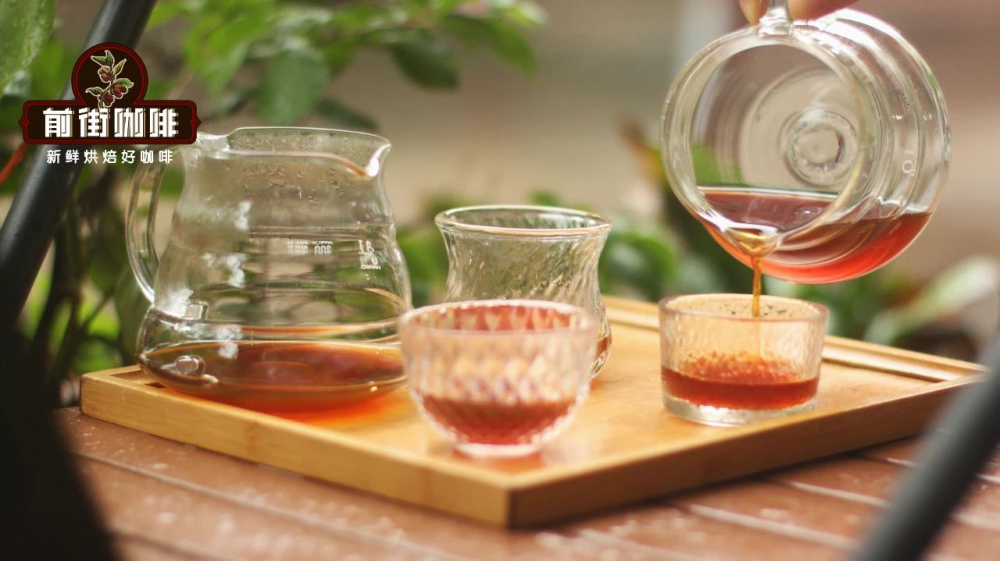
Overall, the one-pour method makes the coffee flavor more concentrated, highlighting the sweetness of light-roasted coffee, with a fuller mouthfeel. The three-stage method presents a richer, clearer layering of coffee flavors, highlighting the acidity and sweetness of light-to-medium roasted coffee. Compared to the one-pour method, it can brew coffee with a more balanced profile.
For professional coffee knowledge exchange and more coffee bean information, please follow Coffee Workshop (WeChat public account: cafe_style)
For more specialty coffee beans, please add the private WeChat Front Street Coffee (FrontStreet Coffee), WeChat ID: qjcoffeex
The above content is compiled by CoffeeHunters, a coffee news website.


