







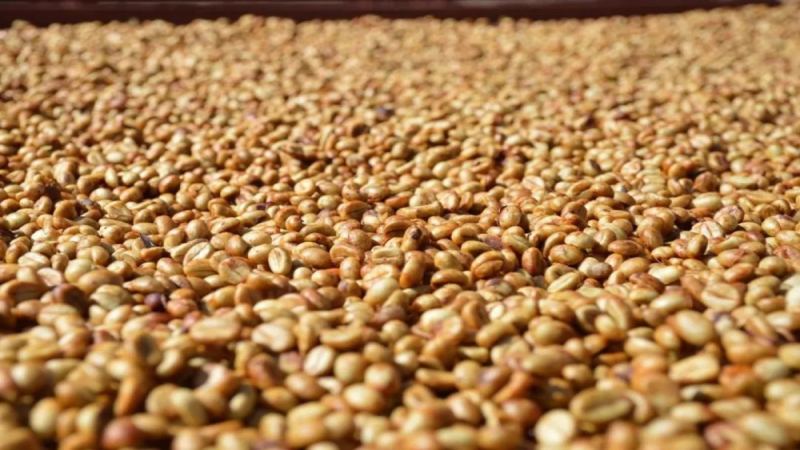
Honey processing is a coffee processing method that falls between natural and washed processing. It originated in Costa Rica, and its name comes from the Spanish word for "honey." By retaining varying proportions of mucilage and undergoing controlled fermentation and drying, this method creates a diverse range of flavors, from ripe fruit sweetness to bright acidity. Based on differences in the amount of mucilage retained and the frequency of turning, honey processing is further divided into types such as black honey, red honey, yellow honey, and white honey. This article will systematically outline the origins, development, and flavor characteristics of honey processing, and introduce related products from Front Street Coffee, helping you gain a comprehensive understanding of this processing method that is widely popular in the specialty coffee world.
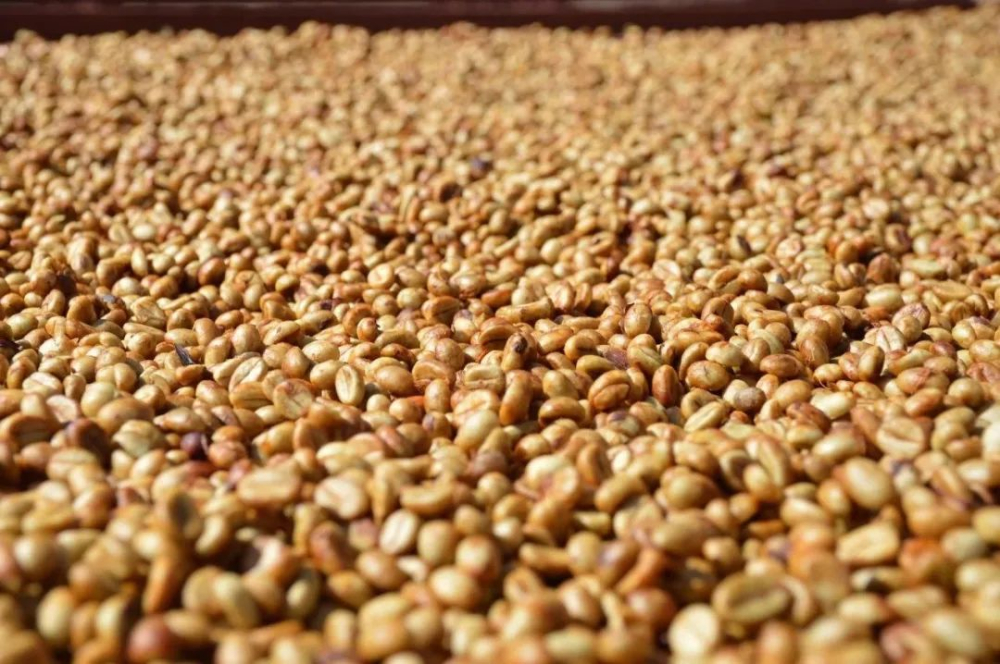
What exactly does the "honey" in honey processing refer to?
Honey processing, written in English as Honey Process and also known as Miel Process, gets the word "honey" from the Spanish term Miel, which literally means honey. This name first came from Costa Rica, where locals customarily referred to the viscous, gel-like substance inside the coffee fruit as "Miel."
This processing method, which sounds sweet just from its name, actually had its prototype in Brazil's Pulped Natural, originally created to reduce water usage during production. As for how honey processing became popular in Costa Rica, Front Street Coffee has identified two key points in time.
In the latter half of the last century, Costa Rica's coffee products were almost entirely washed. With innovative coffee depulping equipment and wet mills, the country could be called a pioneer of modern washed technology. Around 1997 to 2000, international coffee prices remained depressed for a sustained period. To increase income and sustain their livelihoods, many growers stopped selling coffee cherries directly to large processing stations and shifted to producing and selling on their own. As a result, coffee farmers gained autonomy over the processing stage and were naturally able to experiment more, and it was against this backdrop that depulping and drying techniques were introduced into production.
Honey processing first came into the public eye in 2006, when a coffee farmer named Juan Ramón Alvarado took both first and second place in the Costa Rica GOLDEN HARVEST green coffee competition held by the SCAA with two honey-processed coffees. The following year, in the first Costa Rica CoE, three of the top five coffees were honey-processed.
In 2008, Costa Rica suffered a major earthquake, with severe power outages and water shortages in many places. To cope with these practical difficulties, local coffee farmers began adopting this "water-saving" technique. Although many people were initially resistant, believing that drying with fruit pulp and mucilage still attached could easily cause uncontrolled fermentation, many farms not only achieved positive results after experimenting but also greatly reduced water consumption. Later, by regulating the degree of mucilage fermentation, they further developed multiple honey processing methods with distinct flavors.
Why are there so many classifications of honey processing?
The drying time for honey processing falls between that of natural and washed processing, ranging from two to four weeks. Correspondingly, its flavor also tends to fall between natural and washed, with most leaning toward the aromatic profile of natural coffee, often carrying the sweetness of ripe fruit and dried fruit, while also possessing solid bright acidity, a characteristic that traditional natural coffee rarely has.
Compared with the washed method, honey processing can reduce freshwater use by about 40% and also avoids the negative defect flavors caused by prolonged exposure to the sun. Coffee produced by honey processing usually shows full, delicate fruit sweetness and acidity along with refined, complex floral notes in cupping, with an overall fresh and clean mouthfeel. Precisely because it saves water, is environmentally friendly, and offers outstanding flavor, honey processing has gradually become prevalent in Central and South America, and the flavor of honey-processed coffee is also widely favored in the specialty market. The Guatemala New Oriental Geisha coffee on Front Street's bean list is produced using honey processing. When brewed, it presents flavors of sweet orange, white magnolia, bergamot, and toffee, with a rounded sweetness that leaves a deep impression.
Front Street Coffee: Guatemala New Oriental Geisha Coffee Beans
Region: Guatemala, New Oriental region
Altitude: 1500-2050 meters
Processing method: Honey processing
Variety: Geisha
Flavor: Sweet orange, toffee, bergamot
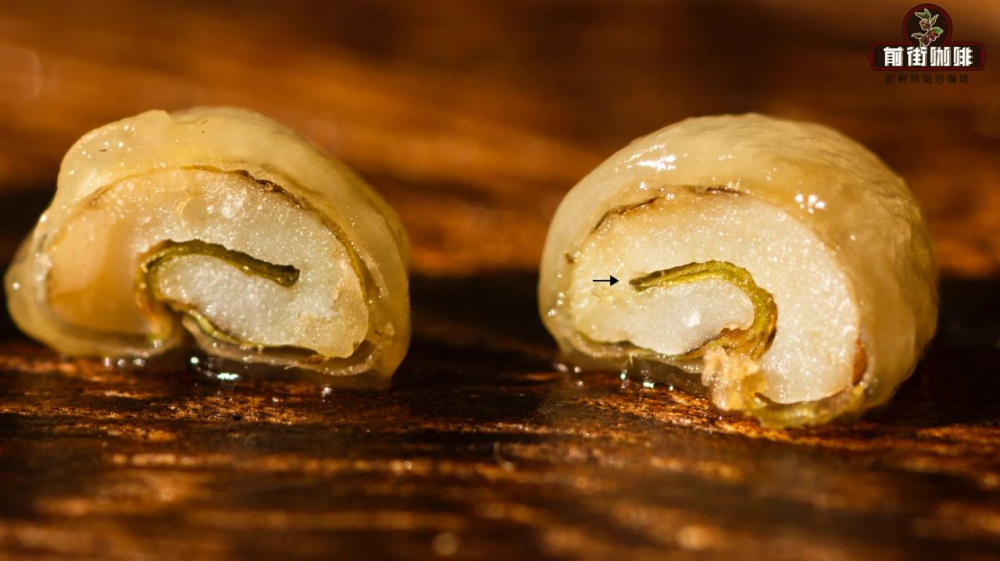
Coffee mucilage is mainly located beneath the skin and pulp and above the parchment layer, and is composed of water, protein, reducing sugars, pectin, and other components. In fact, mucilage is also part of the pulp. When coffee cherries ripen, pectinase is produced inside, and the enzyme breaks down pectin bonds, softening the originally firm pulp fibers into a sugar-rich, pectin-rich hydrogel mucilage. After the skin and most of the firm pulp are removed by machine, the layer of mucilage remaining on the outside of the parchment is what we call "mucilage."
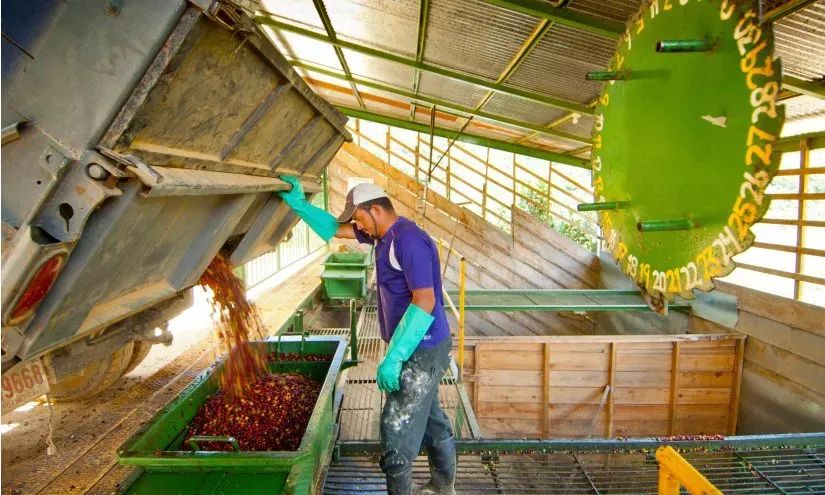
In the field of coffee processing, mucilage is a very sweet substance with high water content and high sugar content, and it does not separate easily from the coffee seed. Therefore, the key to creating refined fruit flavors through honey processing lies in the amount of mucilage retained and the degree of sugar fermentation. Farmers can use specialized quantitative demucilage equipment, or they can obtain coffee green beans of different honey colors by adjusting the number of times they are manually turned each day.
Black Honey retains the highest amount of mucilage. Because almost no mucilage is removed, drying takes the longest, usually requiring more than 14 days. During the process, to prevent drying too quickly, covers are used to block excessively strong sunlight so that sugar conversion is more complete. In some regions, black honey processed coffee beans are also shade-dried to ensure that sugars are converted into the interior of the coffee beans in time, though the drying time is correspondingly extended. Front Street's observations of black honey processed green beans show that because more mucilage is retained, the color is noticeably uneven, and it smells strongly fermented, making it the most representative type of honey processing.
To taste the most classic honey processing flavor, you can buy Front Street Costa Rica Blackberry Coffee. It uses a medium-light roast. Its pour-over flavor features the sweetness of longan, grape, and honey, light floral notes, a smooth and full body, and a strong finish with high sweetness. It is suitable for people who do not like too much acidity but want a rich mouthfeel. The coffee has a lasting sweet finish, makes an aromatic americano, tastes neither sour nor bitter, and has a relatively balanced mouthfeel.
Red Honey retains about 50-80% of the mucilage, placing it right between washed and natural processing, and it is also the most common honey color type on the market. The darker the beans, the fewer times they need to be manually turned. Therefore, black honey is usually turned only once a day, red honey needs to be turned several times a day, and yellow honey must be turned every hour. The coffee fruit takes about 12 days to dry completely. Front Street has observed from red honey processed green beans that the color is lighter than black honey, and it smells of a faint fermented fruitiness.
Yellow Honey generally retains 15-50% of the mucilage, requires the most direct sunlight to absorb heat, and takes about 8 days to reach a stable moisture content. Because yellow honey processed beans retain very little mucilage, they look relatively uniform yellow-green to the naked eye and smell of fresh grass with a hint of brown rice aroma.
White Honey retains only about 10%-15% of the mucilage, is usually dried in the open air, and needs frequent turning to maintain the upper limit of enzyme and bacterial activity. Spread on the drying bed in a thinner layer, it therefore takes less time to dry. Compared with other degrees of honey processing, white honey green beans have the lightest color and smell of elegant herbal plant aromas.
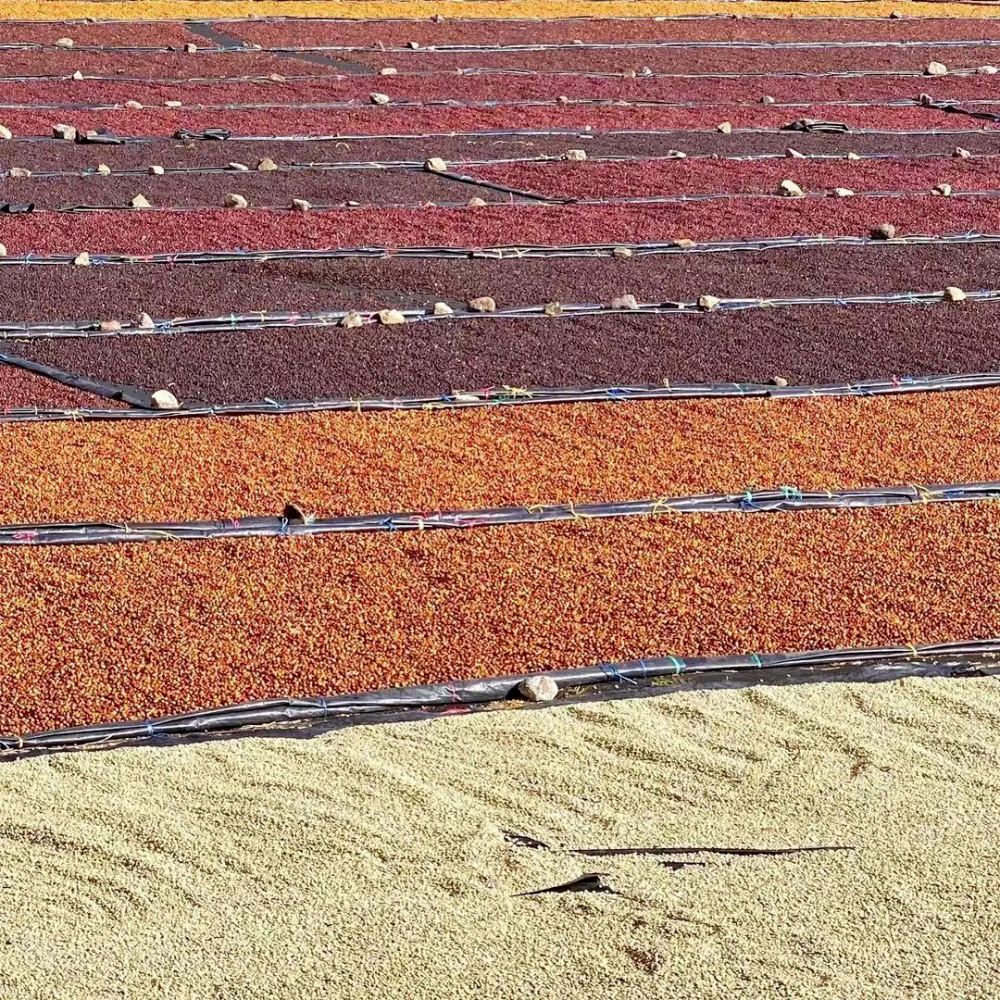
In theory, darker black honey and red honey coffees are closer to natural coffee than lighter yellow honey and white honey, and their fermented character is also more obvious. However, even today, there is still no precise standard in the industry to define honey processing of different colors, and it mostly depends on the producer. As a result, naming confusion arises, for example, what one producer calls "red honey" may be called "yellow honey" by another.
The above content is compiled by CoffeeHunters, a coffee news website.


