







Why does a latte is bitter as it cools, and how do you slow that?
Coffee cools faster in cold air because a larger temperature difference drives quicker heat loss, which shortens the window in which it tastes good. A latte is bitter or sharply acidic once it drops in temperature: a full-bodied Mandheling turns bitter, while a Yirgacheffe reads more acidic. Raising the serving temperature extends that window.
Practical steps include using hotter water for an Americano and steaming milk to a higher temperature for a latte, plus preheating equipment, covering the cup, and holding pour-over in a thermos short term. Keep the milk to coffee ratio latte drinkers expect, and avoid pushing extraction so far that mouthfeel suffers.
When temperatures drop, coffee cools down noticeably faster, and its flavor window shortens accordingly. Hot coffee often stops tasting good once it cools — for example, Front Street PWN Golden Mandheling tends to turn bitter, while Front Street Yirgacheffe becomes more sharply acidic. This article addresses three questions: whether pour-over coffee can be kept warm in a thermos, why coffee tastes worse after it cools, and what temperature milk should be steamed to for a latte. It also offers practical tips, including moderately raising water and milk temperatures, preheating equipment, covering and sealing, and using a thermos for short-term storage of pour-over coffee, to help you extend the time your coffee stays delicious without compromising extraction or mouthfeel.
The cold air has finally brought Front Street the kind of autumn chill Guangzhou is supposed to have. It reportedly won't last long, but it's still a rare treat.
As Front Street often mentions, falling temperatures affect coffee — not just during extraction, but also once it's brewed. After brewing, coffee cools faster in a cold environment than at room temperature, because the greater the temperature difference, the faster heat is lost.
Cooling too quickly shortens coffee's flavor window. It's well known that hot coffee usually doesn't taste as good once it cools — for example, the rich, full-bodied Front Street PWN Golden Mandheling tends to turn bitter as its temperature drops, while the fresh, pleasant Front Street Yirgacheffe becomes more noticeably acidic. Many people can't finish a cup in a short time, so many businesses have started looking for ways to extend coffee's "flavor window" — that is, to make it cool more slowly.
Clearly, raising the coffee's temperature is a direct and effective approach. During preparation, raise the liquid temperature appropriately — for example, using hotter water for a hot Americano or hotter milk for a hot latte — so the coffee can be served at a higher temperature, extending its flavor window.
This also helps reduce the impact of cold air on the extraction of certain coffees, with pour-over — which Front Street frequently mentions — being a typical example.
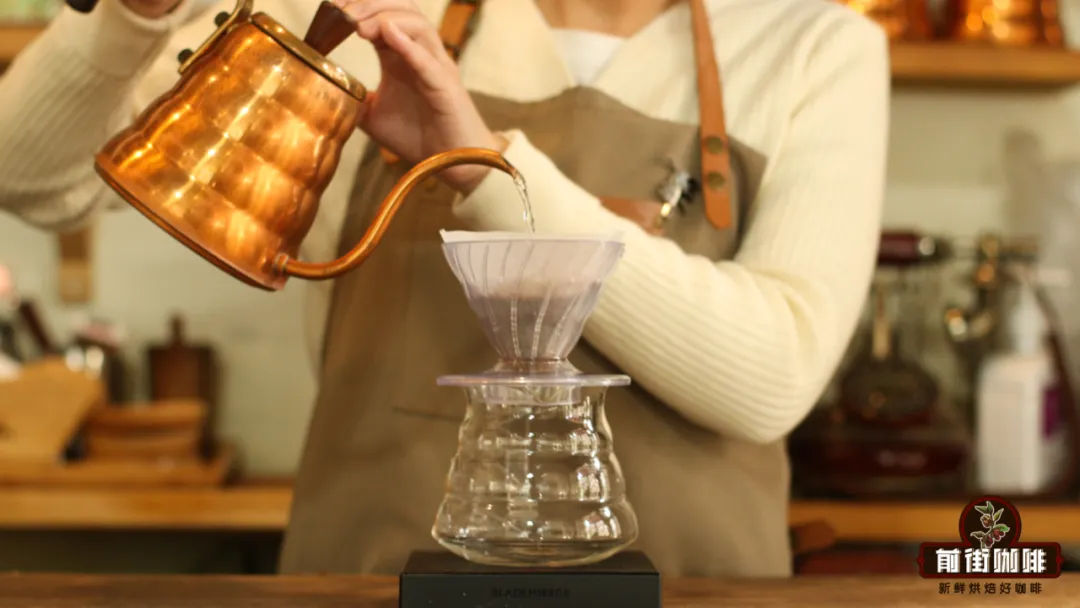
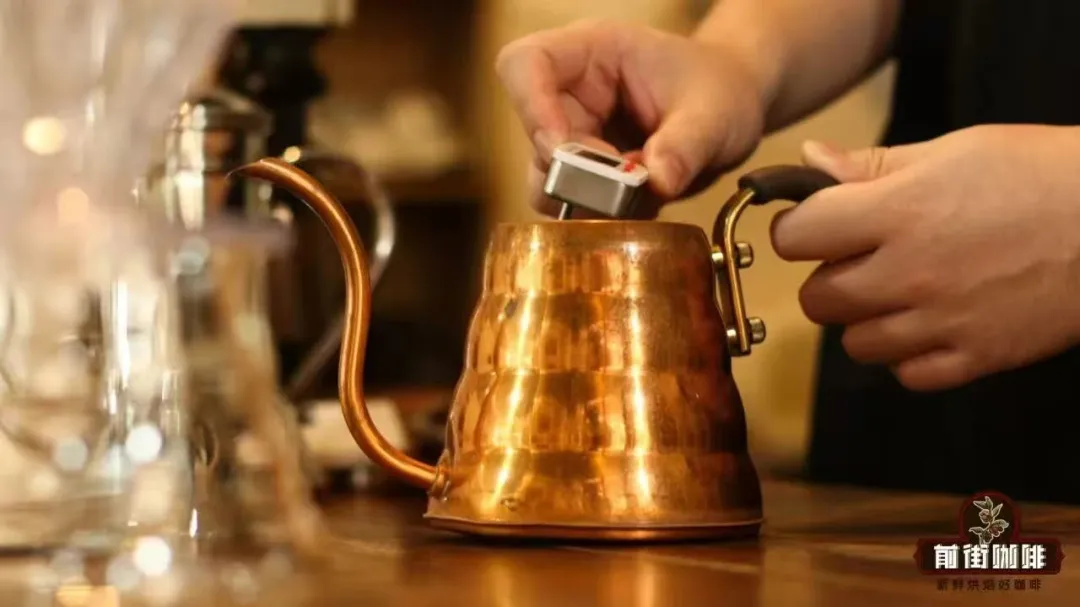
Pour-over extraction is done by hand-pouring water from a kettle, and the hot water comes into contact with air before reaching the coffee grounds, so its temperature inevitably drops. In cold weather the drop is greater, and the resulting coffee often lacks fullness due to reduced extraction efficiency. In such cases, you can appropriately raise the brewing water temperature to offset the interference from cold air and bring the coffee back to its ideal taste.
However, some people misunderstand this approach and raise the temperature drastically to keep their coffee hot for longer. For most coffees this is not advisable, especially for the pour-over and espresso milk drinks Front Street mentioned earlier.
With all other parameters unchanged, a large increase in water temperature easily produces coffee with pronounced bitterness and off-flavors. Water temperature is directly related to extraction efficiency: the higher the extraction efficiency, the faster flavor compounds dissolve. The soluble compounds in coffee aren't all pleasant flavors — they also include impurities that make coffee taste bad. So if you drastically raise the water temperature without adjusting other parameters, over-extraction is very likely.
Now for milk coffee. As Front Street often shares, when making hot milk coffee, the milk temperature is best kept around 65°C. On one hand, this temperature range activates the sweetness of lactose in the milk, bringing out the milk flavor better; on the other hand, once it exceeds 70°C, some substances in the milk begin to denature, reducing sweetness and making the mouthfeel thinner.
So when making hot milk coffee, the milk temperature is usually kept around 65°C, at most only slightly above 70°C. If you keep raising it, it will have a clear and irreversible negative effect on the coffee.
For these two types of coffee, Front Street recommends only a small temperature increase over the original level, so extraction and coffee quality aren't affected. For example, pour-over can be raised by 1–2°C above the original water temperature; the milk for espresso milk drinks can be raised by 3–4°C above the original.
In addition, there are other ways to keep coffee hot for longer.
1. Preheat containers
The container's own temperature also affects the coffee's temperature, since heat likewise transfers from hot to cold. If the vessel that touches the coffee isn't preheated, it will draw a lot of heat from the coffee to warm itself.
Take Front Street as an example. Front Street once ran an experiment: when brewing without preheating the dripper and carafe, the coffee in the carafe ended up at about 65°C; when these vessels were preheated in advance, the resulting coffee was about 75°C.
So preheating vessels is a great way to retain heat. Placing the vessels you'll use on the coffee machine to warm, or rinsing them with hot water before serving, both work.
2. Cover the coffee
For lidded containers like a server, putting the lid on physically reduces air movement, so the coffee's heat won't escape as quickly. It also helps preserve the aroma longer.
Front Street once ran an experiment storing hot pour-over coffee in a thermos. The results showed that the better the container's seal, the longer the coffee's temperature and aroma were retained. If you're a home enthusiast, you can store pour-over coffee in a thermos and tighten the lid when you're not drinking it, so the temperature and aroma last a long time.
But don't store it too long — coffee isn't pure water, after all, and there's a risk of bacterial growth. It's best to finish it within 2–3 hours.
The above content is compiled by CoffeeHunters, a coffee news website.


