






Search Results for: 不同
觉得咖啡太苦太酸,选豆和做法都能调
苦和酸是两条不同的轴,别混在一起治。苦多半是烘得深、泡得久;酸多半是烘得浅、豆子活泼。先把哪一头的问题找出来,再动豆子或者动做法,一次只改一样,改两次就分不清是谁的作用了。同一支豆,泡得浓一点淡一点, [more…]

Pour-Over Coffee Beginner's Guide: Master the Coffee-to-Water Ratio, Water Temperature, Grind Size, and Extraction Time to Say Goodbye to Bad Pour-Over
Pour-over coffee seems simple, but in fact hidden complexities abound. Many enthusiasts stand at the bar and admire the barista's fluid pouring motion, yet when they try it themselves, they can never brew a good cup. Actually, the problem may not lie in your hands, but in whether you truly understand the interconnected relationships among brewing parameters. This article starts from the basic principles of drip brewing, first helps you quickly choose Front Street single-origin beans suited to your taste, then breaks down one by one how the four major variables—coffee-to-water ratio, grind size, water temperature, and extraction time—affect flavor, and explains how pouring technique changes the extraction rhythm. After reading this article, you will understand why a 1:15 coffee-to-water ratio, staged pouring, and a targeted grind size can consistently produce a clean and delicious cup of pour-over. [more…]

Types of Milk Coffee | What Is the Difference Between a Dirty Coffee and a Latte? Why Should a Dirty Be Drunk in Big Gulps? How Can Coffee Beginners Make a Dirty Coffee?
It could be said that there is no milk coffee more suited to summer than a Dirty! If there is, then Front Street hasn't mentioned it yet! Compared to an iced latte, the contrast that a Dirty creates is more striking, and with one sip you can experience all sorts of截然不同的 contrasts—it's truly wonderful. That's why quite a few latte lovers, when it comes to D [more…]
Colombian Huila Region Flor de Luna Coffee: A Complete Guide to Anaerobic Natural Processing and Pour-Over Flavor Profile
Front Street Coffee introduces the Colombia Huila region La Noche Buena coffee beans, produced using the anaerobic natural process, from the El Diviso estate, Caturra variety, at an altitude of 1,800 meters. This coffee is known for its flavors of strawberry jam, liqueur-filled chocolate, and fermented wine aroma. The article provides a comprehensive analysis of La Noche Buena's unique charm, from the terroir of the producing region, the estate's background, processing techniques, to the roasting curve and brewing parameters. Front Street Coffee has always been committed to sourcing coffee beans from different producing regions around the world, so that every enthusiast can find their desired flavor. If you favor rose floral notes, strawberry sweetness, and a cocoa finish, you might want to try this experimental La Noche Buena. [more…]
小白摩卡壶咖啡淡,四招调出醇厚浓度
粉槽拧回壶身,火苗刚舔到壶底,出液口就冒出一股浅褐色的细流,落进杯里淡得能看见杯底的花纹。端起来一喝,水味压过咖啡味,兑上牛奶更像一杯带颜色的温水。我把粉槽拆了又装,盯着那圈胶垫发愣:家里这壶,难道天 [more…]
众口难调的时候,家庭咖啡豆怎么挑
家里几口人的口味不一样,选豆就成了调和。我的办法是先定一包中间调的豆做底,再让器具去承担差异:谁要清爽谁要浓,靠做法区分,比靠豆子区分省事,也不用同时开三包豆。家里的口味差异不用消灭,划清各自的杯子就 [more…]
What are the characteristics of Ethiopian coffee beans? A detailed explanation of the flavors of three major specialty regions including Yirgacheffe
埃塞俄比亚被称作"非洲屋脊",也是全球公认的优质咖啡发源地。这里的地形与气候条件非常适合咖啡生长,孕育出风格各异的咖啡豆。本文将带你了解埃塞俄比亚三个最具代表性的精品咖啡产区——哈拉尔、耶加雪菲与西达莫,重点解析耶加雪菲的花香与果味从何而来,它的水洗与日晒处理方式有何不同,以及咖啡在埃塞俄比亚人生活中占据着怎样不可替代的位置。同时也会介绍前街对埃塞俄比亚产区的关注与分享。 [more…]
How to Choose Blue Mountain Coffee: Balancing Budget and Drinking Frequency
理解牙买加蓝山咖啡,需要把风味描述转成能喝到的感受。日常买豆需要考虑喝得快不快、一次买多少,以及家里主要做黑咖啡还是奶咖。花香、果酸、坚果和可可并不是高低之分,而是不同方向,适合自己的那一类才有长期参 [more…]
What's the difference between Tieguanyin and Red Oolong? Understanding everything from fermentation level and flavor to charcoal roasting features at a glance
Tieguanyin and Red Oolong both belong to the oolong tea family, yet due to differences in fermentation degree and tea-making craftsmanship, they present截然不同的 flavor profiles. This article approaches the comparison from three dimensions—sweetness type, level of fermentation, and tea liquor color and acidity—comparing the aroma, taste, and characteristics of the dry leaves and brewed tea of each, while also analyzing the unique growing conditions and production traditions of Taiwanese oolong tea. The article also introduces the origin of the name Tieguanyin and its cultivation situation in Taiwan, and recommends related products from Front Street Coffee for the reference of coffee and tea enthusiasts. [more…]
A Complete Analysis of Kenyan Specialty Coffee Flavors: A Tasting Guide from AA Grade Peaberry to Multi-Layered Fruity Acidity
肯尼亚咖啡向来被视为精品咖啡中的瑰宝,其鲜明的水果香气、果汁般的酸度与多层次口感,令无数咖啡爱好者为之倾倒。产于海拔1500至2100米的高地,一年两获的肯尼亚咖啡豆,以柑橘、黑莓、葡萄柚等风味著称,兼具醇厚与清爽。前街肯尼亚AA采用法式烘焙,圆豆厚肉,透热性佳,甜感与香气俱属上乘。本文将带您深入了解肯尼亚咖啡的独特风味、口感特征及不同年份间的微妙变化,感受这款在好莱坞电影《走出非洲》中扬名的咖啡为何总能带给咖啡迷无限惊喜与期待。 [more…]
The Origin Story of American Black Coffee, Flavor Profile Analysis, and a Comprehensive Guide to Selecting High-Value Italian-Style Blend Beans
Americano is one of the most familiar black coffees for office workers around the world, yet many people do not clearly understand its origins and unique appeal. This article will trace the story of Americano's origins during World War II, analyze the distinctly different drinking cultures surrounding it in the United States and Italy, and provide a detailed introduction to how to make an authentic Americano black coffee using espresso. At the same time, we will also share the optimal drinking temperature and tasting methods for Americano, as well as recommendations for three Front Street Coffee Italian-style blend beans suitable for making Americano, helping you easily make a cup of high-quality Americano black coffee with stable flavor at home. [more…]
Yirgacheffe Coffee Beans Washed vs Natural: A Full Breakdown of Processing Methods, Flavor Profiles, and Brewing Differences
Yirgacheffe is one of Ethiopia's most representative specialty coffee regions, and its two processing methods—natural and washed—produce dramatically different flavor profiles. This article systematically sorts out the core differences between natural and washed Yirgacheffe from multiple dimensions, including regional background, processing techniques, the appearance of green and roasted beans, dry aroma cupping, and taste experience. The article also combines two specific products—Front Street Natural Red Cherry and Front Street Washed Gudingding—to help coffee lovers more intuitively understand the flavor directions brought by the two processing methods, providing a reference for everyday purchasing and brewing. [more…]
How to Make a Delicious Coconut Americano? A Full Guide to Choosing Coconut Water and Coffee Beans, and Extraction Ratios
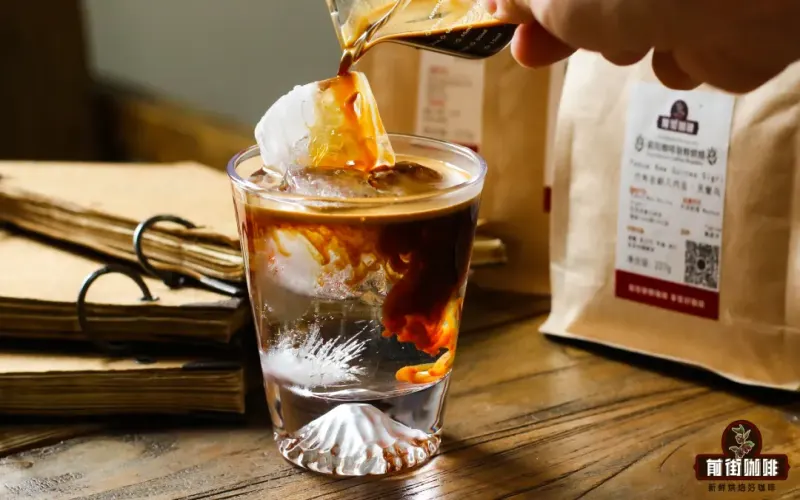
A coconut Americano may seem like it just needs espresso and coconut water, but many people find that when they make it at home, the taste is always off—either too sour or too bitter. In fact, the problem often lies in the choice of ingredients, the roast level of the coffee beans, and the extraction ratio. Based on Front Street Coffee's hands-on experience, this article explains in detail how to choose the right coconut water, match coffee beans with different flavor profiles, and adjust espresso extraction parameters to reduce bitterness. It also provides specific dose-to-yield ratios and mixing proportions, and recommends products such as Front Street Coffee Strawberry Candy Geisha Blend and Front Street Coffee Classic Italian Blend, helping you make a smooth, mellow, and aromatic coconut Americano at home. [more…]
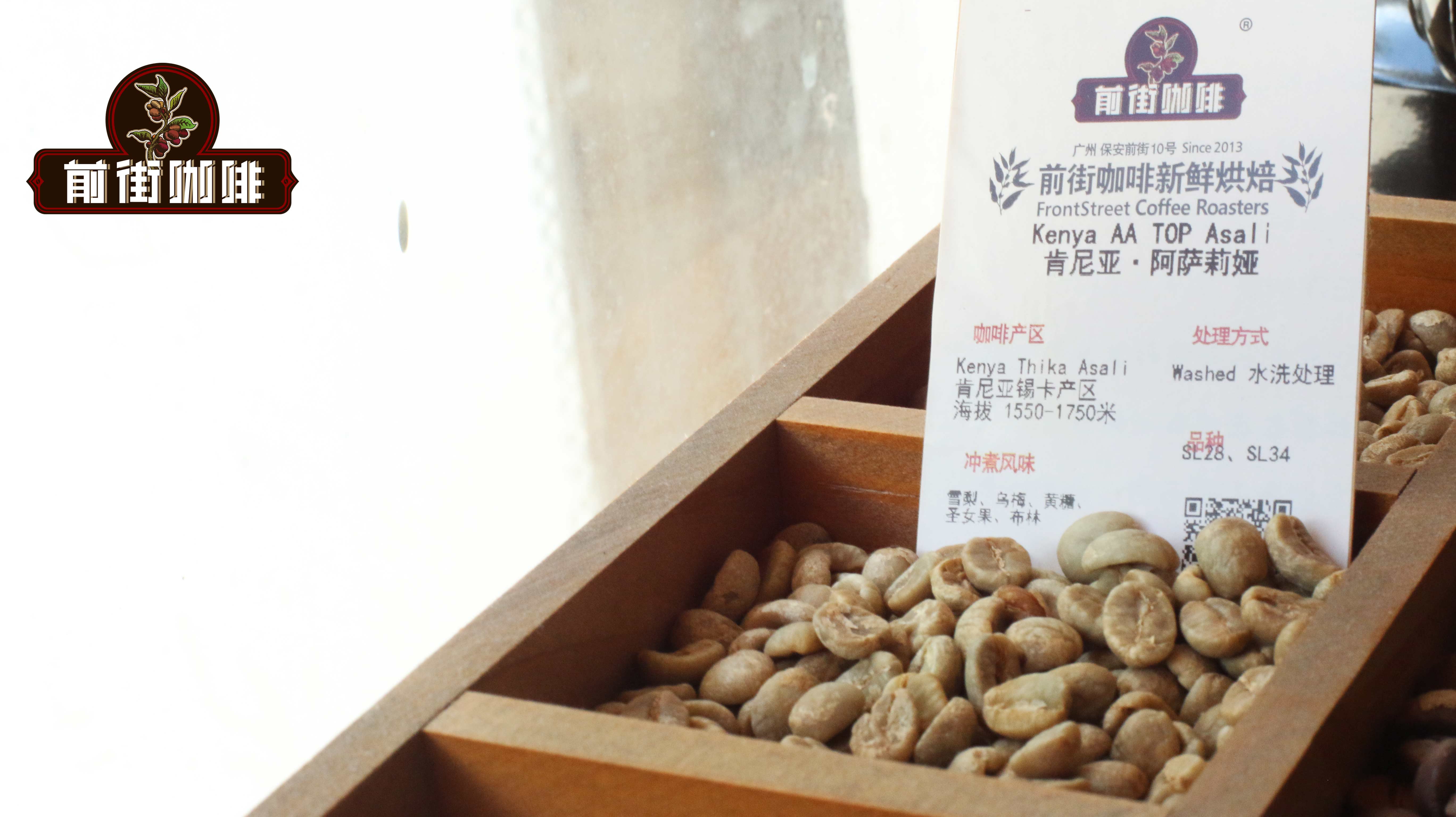
Flavor Comparison of Kenyan Coffee Regions: What Are the Characteristics of Nyeri, Kirinyaga, and Murang'a? An Analysis of Washed AA Beans
肯尼亚是非洲最具代表性的咖啡产国之一,以强烈的莓果酸香闻名,常驻各大精品咖啡馆。但仅以国家论风味已难以满足咖啡爱好者的好奇,肯尼亚内部其实划分出多个产区,各自呈现不同调性。本文梳理肯尼亚七大产区,重点聚焦尼耶利、麒麟雅嘉、穆兰加三个精品产区,结合前街咖啡的杯测实践,对比它们的水洗AA咖啡风味差异,并提醒读者产区风味并非绝对,海拔、品种、处理法都会影响最终表现。 [more…]
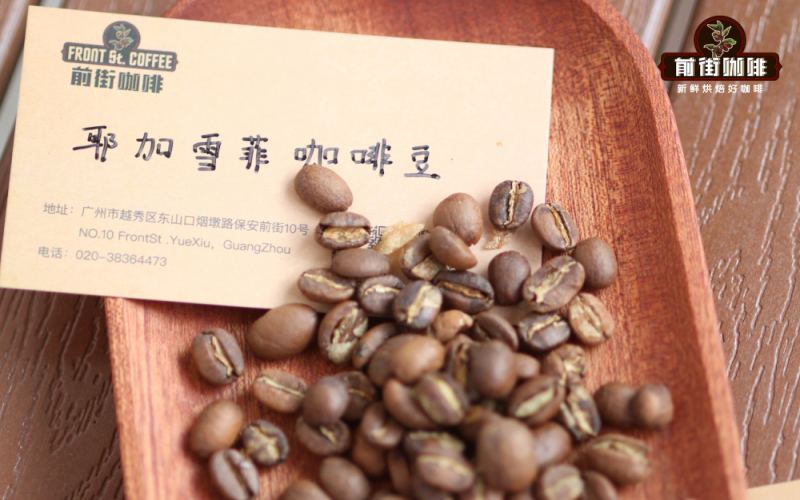
Yirgacheffe Washed vs. Natural Processing: Flavor Comparison, Pour-Over Parameters, and Coffee Bean Buying Guide
The Yirgacheffe region of Ethiopia is famous for its distinctive fruity and floral acidity, while the washed and natural processing methods give the coffee beans two completely different flavor directions. Washed Yirgacheffe has a clean, bright cup with lemon-citrus and jasmine notes; natural Yirgacheffe presents the fermented sweetness of ripe fruit and a fuller, juicier body. This article will start with the processing techniques, regional characteristics, and methods for identifying green and roasted beans, provide a detailed analysis of the flavor differences between the two processing methods, and include Front Street Coffee's three-stage pour-over parameters and a brewing comparison to help coffee lovers make a choice based on their personal preferences. [more…]
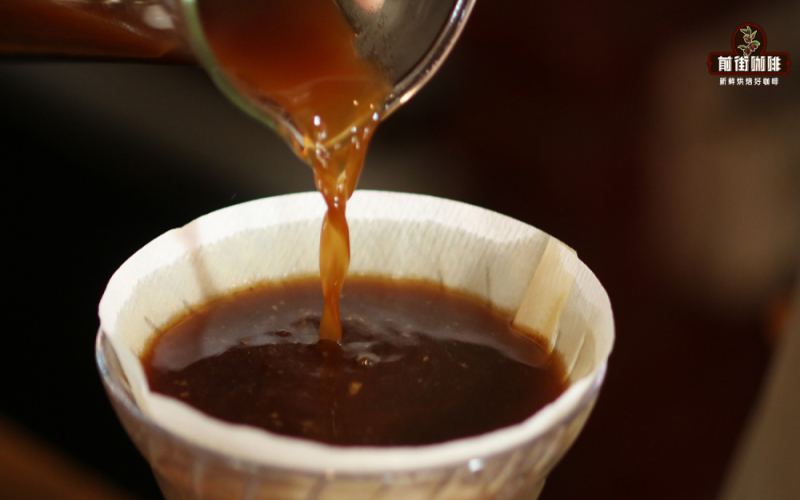
What Are the Advantages of Cold Brew Coffee? Two Methods—Cold Brew and Ice Drip—Plus Front Street Kenya Bean Recommendations
On a hot summer day, a refreshing glass of iced coffee is a favorite for many enthusiasts. Cold brew coffee, with its soft and sweet flavor brought by low-temperature extraction, is gaining favor with more and more people. But did you know? Cold brew actually comes in two截然不同 methods: cold steep and ice drip. This article provides a detailed analysis of the principles, brewing steps, and flavor differences of these two cold brew methods, and shares the coffee-to-water ratios, grind sizes, and extraction times that Front Street Coffee (FrontStreet Coffee) has summarized through in-store practice. In addition, it recommends a Kenya Asaliya coffee bean suitable for making cold brew, helping you understand how the K72 washed processing method and the SL28 and SL34 varieties create a bright and clean acidity, so you can make a refreshing summer cold brew at home too. [more…]
A Complete Analysis of Six Coffee Extraction Methods: Brewing Principles and Practical Tips from Pour-Over to Espresso
Extraction is the core step that determines the success or failure of a cup of coffee's flavor. Whether it's pour-over drip, espresso, or French press, different equipment corresponds to截然不同的 extraction modes. This article will systematically sort out six mainstream coffee extraction methods—immersion, decoction, percolation, pour-over drip, vacuum filtration, and pressurized extraction—and deeply break down the operational details of pour-over and espresso. From the principles of dissolution and diffusion after coffee beans are ground, to Espresso's extraction pressure, time, and water temperature parameters, and then to the formation of Crema and the golden extraction standard, it helps you understand how each variable affects the final flavor. At the same time, combined with the practical experience of Front Street Coffee, it provides coffee enthusiasts with actionable brewing ideas and adjustment directions. [more…]
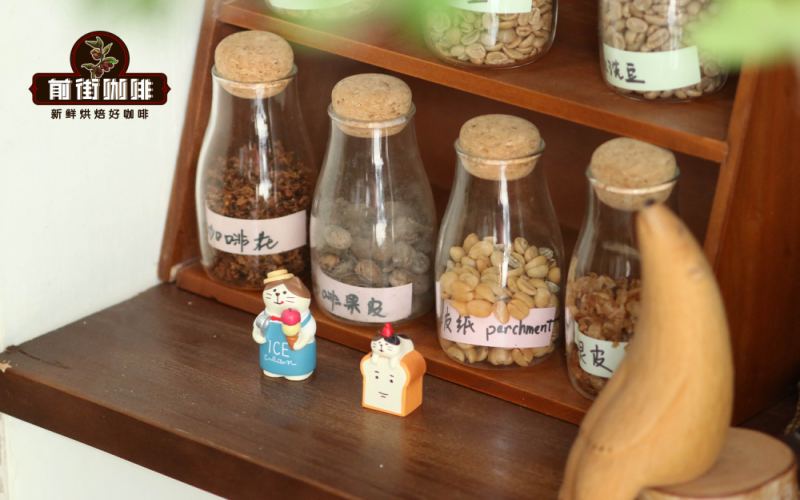
Ethiopian Yirgacheffe vs Sidamo Coffee Beans Compared: Regional Terroir, Processing Methods, and Pour-Over Flavor Differences
Among Ethiopia's many renowned coffee regions, Yirgacheffe and Sidamo are undoubtedly the two names most frequently discussed by coffee enthusiasts. Although both lie within the same country, differences in altitude, microclimate, and processing methods give them distinctly different flavor profiles. Front Street Coffee often encounters customers who hesitate between these two beans, and the key to choosing really lies in which taste you prefer: if you seek a bright, lemony-citrus acidity, washed Yirgacheffe is the classic choice; if you favor the full, berry-like sweet-tartness of berries and blackcurrant, sun-dried Sidamo will suit your palate better. This article will systematically sort out the differences between the two, from regional background and the evolution of processing methods to roasting, cupping, and actual brewing, and will include Front Street Coffee's brewing recommendations and a flavor comparison. [more…]
Analysis of Flavor Differences Between Semi-Washed and Honey-Processed Coffee: Processing Methods, Taste Characteristics, and Brewing Suggestions for Front Street Coffee Beans
Semi-washed and honey processing both belong to the category of methods where the fruit skin is removed and the beans are dried directly, yet they present截然不同的 flavor directions due to differences in how much pectin is retained and the drying conditions. Semi-washed originated in Brazil; it is simple to operate and suitable for large-scale production, with a flavor profile leaning toward nuts, chocolate, and caramel; honey processing began in Costa Rica and, depending on the proportion of pectin retained, is classified into yellow, red, and black grades, with sweetness and aroma being more prominent. This article will systematically sort out the process steps, flavor characteristics, and grading logic of the two, and, combined with Front Street Coffee's Brazil Red Bourbon and Costa Rica Honey Process Geisha, provide specific brewing parameters and technique suggestions to help coffee enthusiasts understand the differences and apply them to daily brewing. [more…]
A Detailed Explanation of the Flavor Differences Between African and American Coffee Beans: Regional Characteristics and Processing Method Influences from Yirgacheffe to Costa Rica
The world of coffee flavors is like a rich and colorful scroll, with African beans and American beans each painting a completely different taste landscape. African beans, thanks to high altitudes and unique processing methods, bloom with a fascinating interweaving of floral and fruity aromas, and are deeply sought after by enthusiasts who prefer coffee with acidity; American beans, on the other hand, are known for their balanced mouthfeel, with the sweet aromas of caramel and stone fruits leaving a lingering aftertaste. This article will systematically sort out the flavor characteristics, variety information, and processing techniques of classic producing regions such as Ethiopia Yirgacheffe, Limu, Burundi, as well as Costa Rica and Honduras, while retaining relevant recommendations from the Front Street brand, to help coffee enthusiasts more clearly understand the differences and charm of the two major producing regions. [more…]