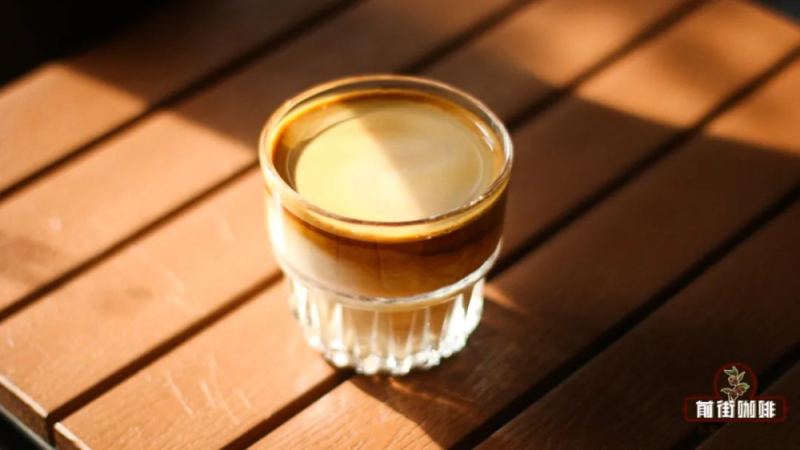
It's safe to say there's no milk coffee better suited to summer than a Dirty! If there is, Front Street hasn't heard of it!Compared to iced lattes, the contrast that a Dirty creates is far more striking, and with one sip you can experience a whole range of截然不同 contrasts—it's truly wonderful.So many latte lovers have defected to the Dirty camp since the year it became a hit. But Front Street isn't saying iced lattes are inferior to Dirty—each just has its own strengths~ And Dirty coffee is also very simple to make, just as its layered appearance suggests: simply let the espresso float on top of the milk.
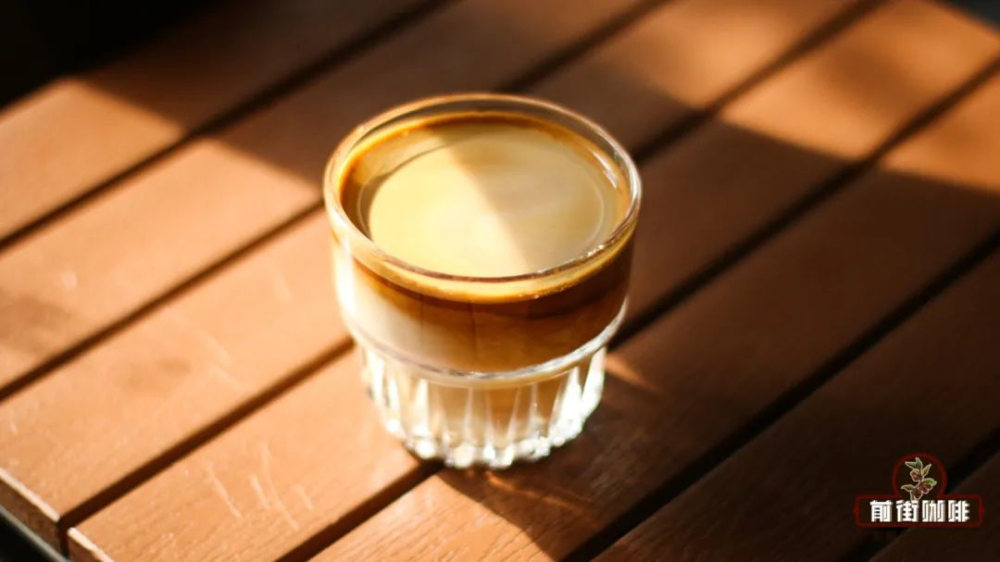
That said, many people still can't make a good Dirty at home, and the experience is nothing like the impact you get in a café. The reason is actually quite simple: when making it, they haven't fully captured the soul of Dirty coffee.Contrast—that is the soul of Dirty coffee. It's not just about appearance; the temperature and flavor of the milk and coffee both need sharp contrast. So to make a good Dirty, you not only need to layer the milk and coffee, but also create a huge gap between them in temperature and flavor. Next, Front Street will share how to make a delicious cup of Dirty coffee!

Dirty coffee's requirements for espressoIt's fair to say that the contrast in a Dirty is mainly introduced by the espresso. Because when we drink a Dirty, the first thing we taste is inevitably the espresso, and only then the milk, so the flavor of the espresso is extremely important.

The key factor determining espresso flavor is the coffee beans used—the lighter the roast, the more acidic the coffee; the darker the roast, the more bitter. The main flavor of milk is one word: "sweet." So the beans we choose should mainly taste like the opposite—"bitter."Front Street would recommend using medium-dark roasted coffee beans, so the extracted espresso won't have obvious acidity or overly intense bitterness. Just the right amount of bitterness is enough to create a strong contrast with the milk, while not making you frown when you taste the espresso due to excessive bitterness.Dirty coffee's requirements for milkMilk is the only other ingredient in a Dirty, so choosing the milk is also very important. To create a sharp contrast with the coffee, the milk needs to head toward the other "extreme."

If the espresso is bitter, then the milk must be sweet! The amount of substances in milk determines its richness—the higher the content of protein, fat, lactose, and other substances, the sweeter and more flavorful the milk, and the higher its density, which better maintains the layered effect with the espresso. So when choosing milk, the richer the milk, the more contrast your Dirty coffee will have—in other words, the better the Dirty will perform.Of course, going too extreme isn't recommended. When the substance content in milk is too high, a salty taste similar to cheese appears. Combined with rich espresso, the flavor becomes too intense and can feel burdensome to drink.
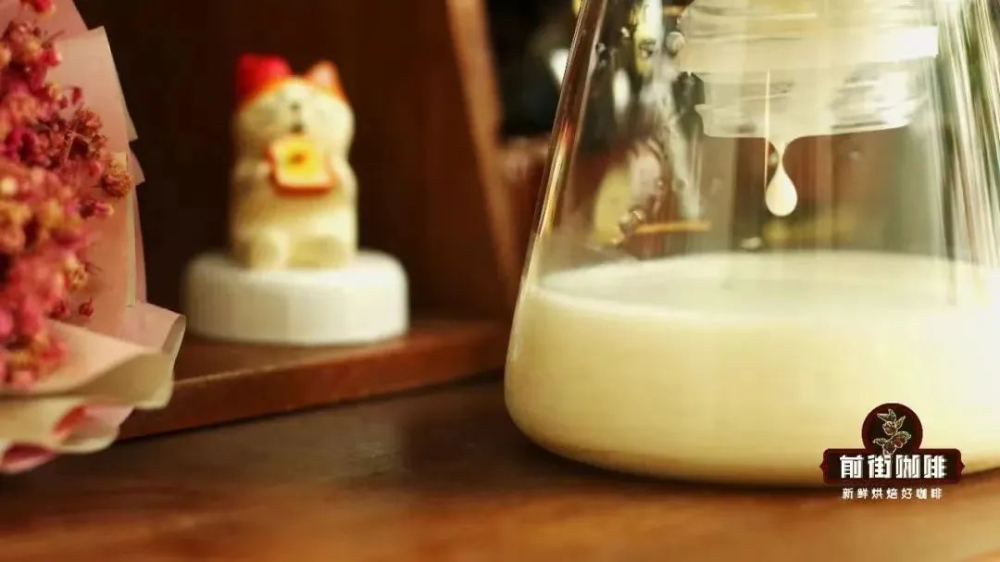
Next is temperature—the temperature difference is a very important source of contrast in Dirty coffee. This is easy to solve: if the espresso is hot, then the milk must be ice-cold! Milk kept in the refrigerator perfectly meets this requirement, so we don't need to put much thought into this aspect. But maintaining the milk's temperature—that does require attention!Besides the density difference, temperature is also an important factor determining how long the layers last. If we don't want the Dirty to lose its layered effect too soon, then choosing the right cup is crucial.

When the cup is at room temperature, the milk, being colder, will continuously draw heat from the cup until its own temperature matches the cup's. In other words, using a room-temperature cup speeds up the milk warming. So we'd best chill the cup before making a Dirty, so the Dirty can maintain its contrast for a long time.Things to note during preparationOnce we've prepared the ingredients, we can start combining them! By "combining," we really just mean extracting the espresso on top of the milk—but this also requires a lot of technique.

If the impact force of the espresso as it's extracted is too high, the coffee will shoot straight into the milk and blend, turning into an iced latte. So to prevent this, we need to bring the espresso closer to the milk's surface to reduce the impact force—this way, a clear layered effect can form!Bringing the milk surface right up to the espresso spout, or using a spoon held against the milk surface to break the espresso's impact—these are all viable methods. Which one to use is up to you~
The above content is compiled by CoffeeHunters, a coffee news website.