








How Do American Coffee Beans Differ From African Beans?
American coffee beans and African beans produce clearly different flavor profiles. African beans, grown at high altitude and often processed naturally or washed, lean toward bright acidity with layered floral and fruity aromas, which is why drinkers who like acidic coffee seek them out. American beans, including lots from Costa Rica and Honduras, tend to show a more balanced body with caramel and stone fruit sweetness.
Take Ethiopia's Yirgacheffe region, where coffee grows between 1,700 and 2,100 meters in cool, misty conditions. The local Red Cherry Plan relies on hand-picking fully ripe cherries, and the refined natural method raises quality and price. Comparing such lots side by side with Central American beans makes the differences in flavor and processing easier to understand.
The flavor world of coffee is like a rich and colorful painting, with African beans and American beans each depicting completely different taste landscapes. African beans, relying on high altitude and unique processing methods, bloom with a captivating interweaving of floral and fruity aromas, deeply sought after by enthusiasts who prefer acidic coffee; American beans, on the other hand, are known for their balanced mouthfeel, with the sweet aromas of caramel and stone fruits being memorable. This article will systematically outline the flavor characteristics, variety information, and processing techniques of classic producing regions such as Ethiopia Yirgacheffe, Limu, Burundi, as well as Costa Rica and Honduras, while retaining relevant recommendations from the Front Street brand, helping coffee enthusiasts more clearly understand the differences and charm of the two major producing regions.

[Introduction]
For coffee enthusiasts who prefer acidic flavors, African beans are often the first choice. The special geographical conditions there create a unique coffee taste, with floral and fruity aromas cleverly blended, which is enchanting. Friends who pursue a balanced mouthfeel can find a satisfying answer in American beans, where flavor and mouthfeel are coordinated, with caramel and stone fruit notes particularly prominent. Next, we will go through the differences between African beans and American beans one by one.
African Series
[Front Street Yirgacheffe Red Cherry]
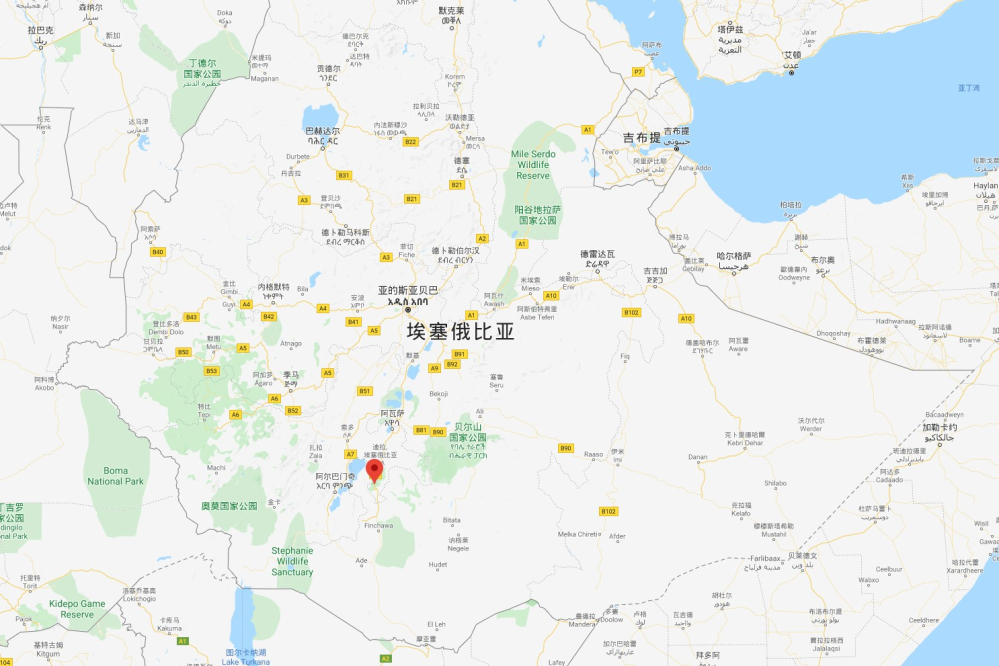
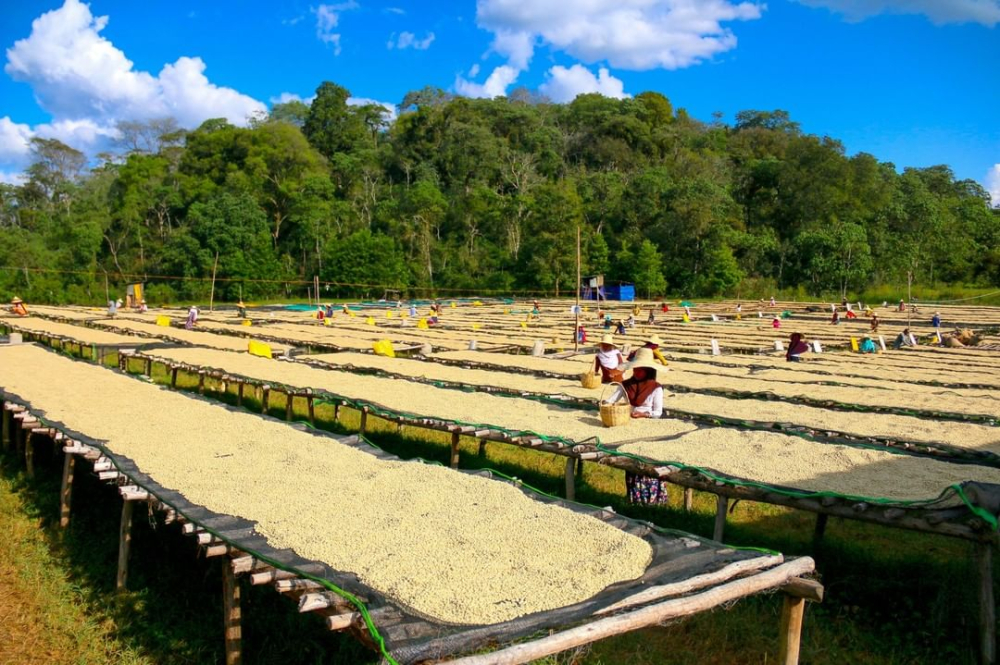
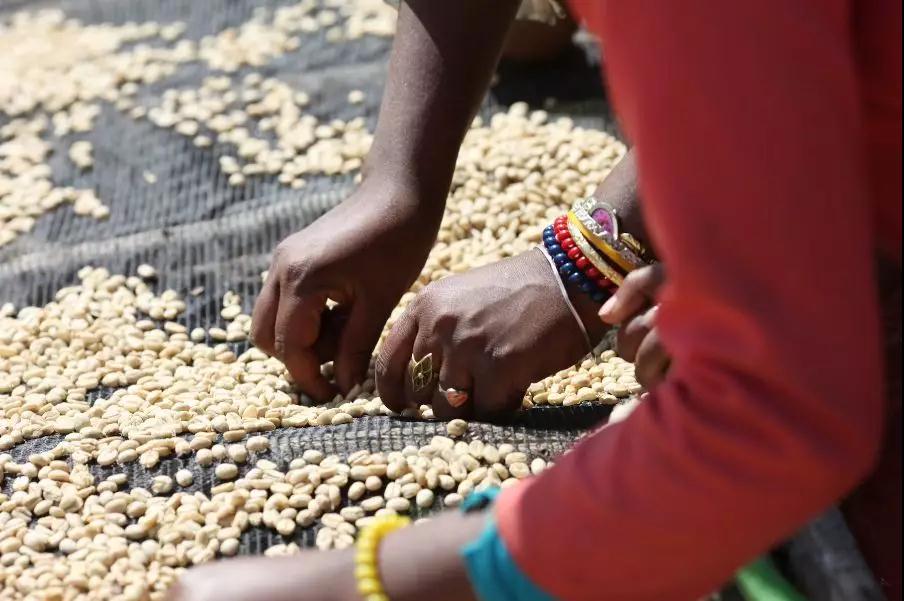
Ethiopia's main producing regions include Yirgacheffe, Sidamo, Bonga Forest, Lekempti, Kembata, Ilubabor, Harar, and Limu. Yirgacheffe is both a small town in Ethiopia and one of the highest coffee-producing regions in the world, with an altitude range of 1,700 to 2,100 meters, shrouded in mist year-round, with spring-like weather in all seasons, gentle breezes, and a cool and humid climate. Every harvest season, the Ethiopian Coffee Trading Company goes to the town to purchase coffee beans from farmers, ultimately auctioning and exporting them under the brand "Yirgacheffe." In order to obtain high-quality fruit, the local area implements the "Red Cherry Plan," relying entirely on hand-picking 100% fully red cherries, allowing coffee farmers to devote more energy to sorting and selecting beans, so the price of this type of coffee is relatively high.
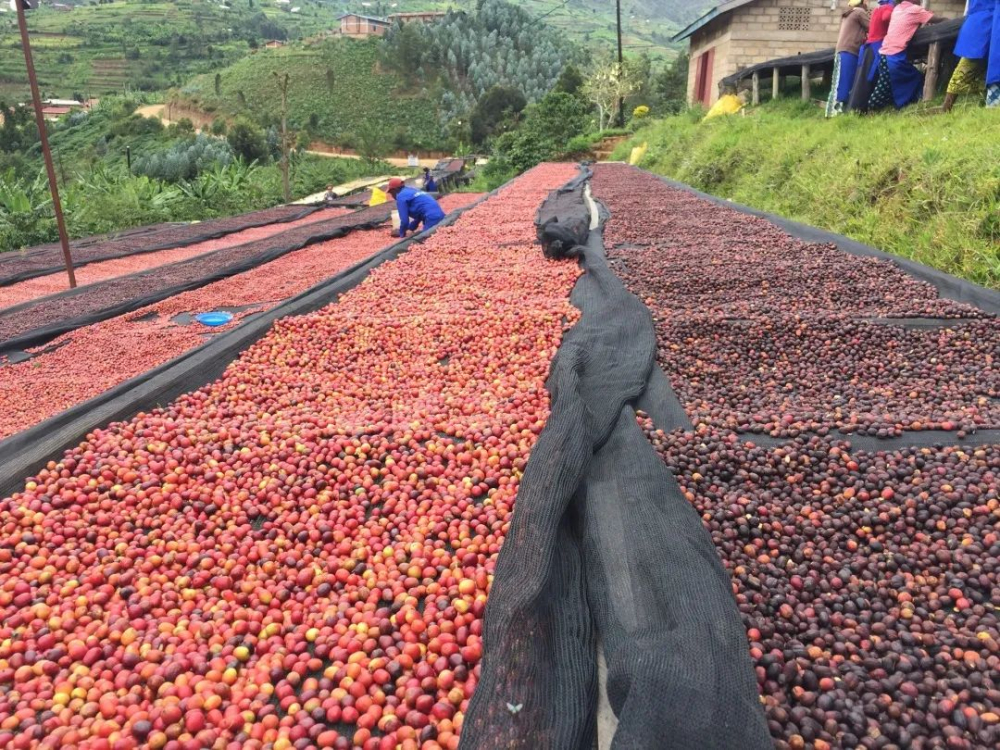
Using the refined natural method, after screening usable coffee cherries, the coffee fruit is placed on raised beds for sun drying, avoiding direct contact with the ground, thereby preventing the generation of earthy off-flavors and creating an exceptionally clean fruit flavor. After more than two weeks of sun drying, the dark brown coffee cherries are professionally stored, waiting for the overall flavor to mature, and the sweetness also increases.
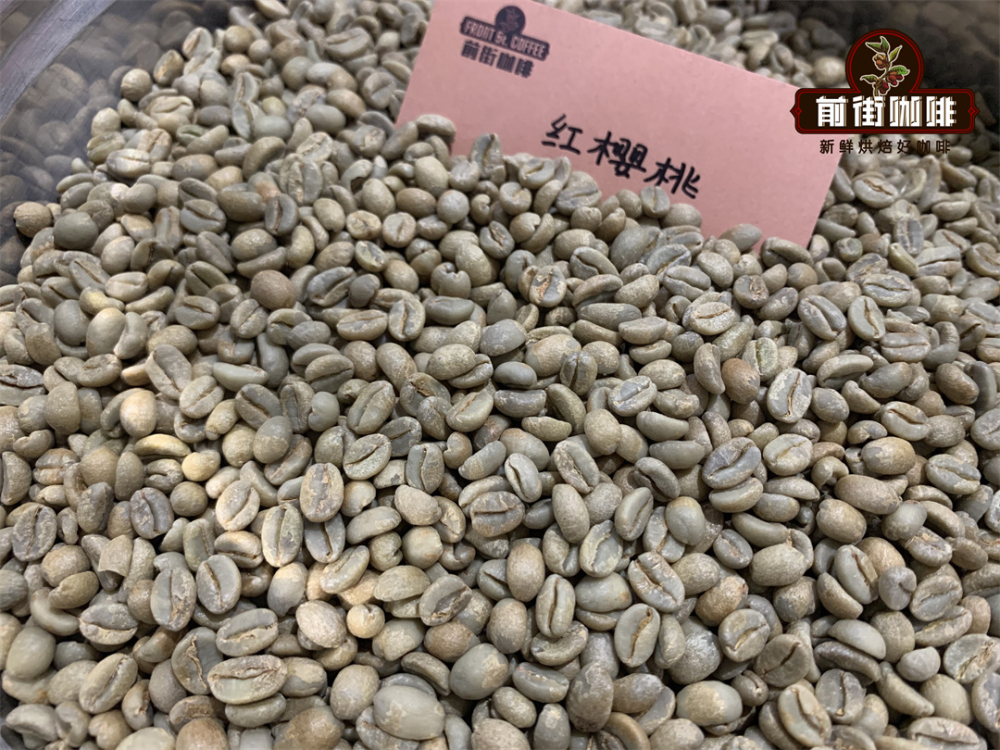
The variety of Front Street Yirgacheffe is a local heirloom variety, belonging to the small-bean type, relatively round in shape, with a very small bean size, mostly between 14 and 15 mesh. Front Street natural Red Cherry G1 green beans have a yellow-green color, a typical natural coffee color, with uniform and plump beans and few defective beans.
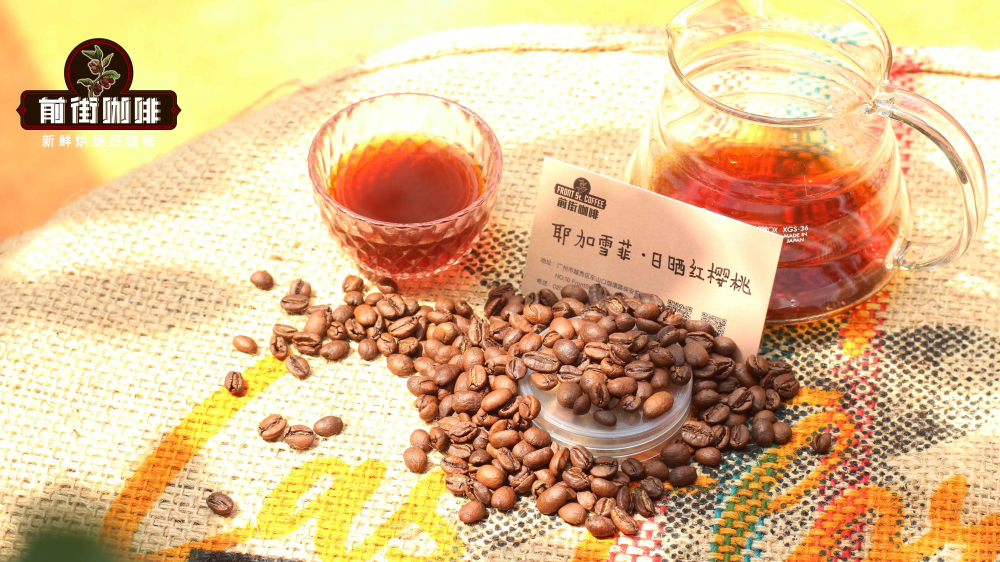
Front Street natural Red Cherry flavor: exudes a strong fruit aroma, with heavy notes of dried fruit, plum, strawberry, and lemon, a mid-palate as sweet as honey, and a finish showing chocolate tones; not intense on entry, medium body, with unobvious acidity, like fruity black tea.
[Limu G2]
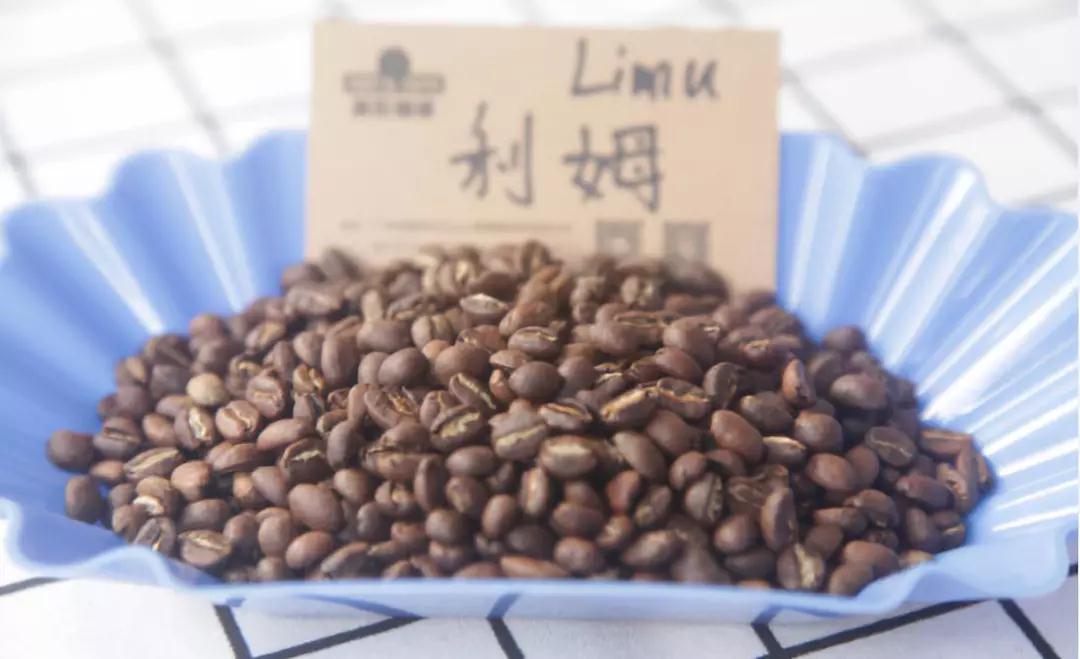
The Limu producing region has relatively low coffee production, mainly exported to European and American markets. In the past, it was not easy to buy domestically, but it is very popular in Europe and America, with fame second only to Yirgacheffe. The coffee variety grown is Ethiopia's local heirloom variety (Heirloom), and local smallholder coffee farmers grow it 100% organically. The soil is Vertisols, and the growing altitude is between 1,850 and 1,900 meters.
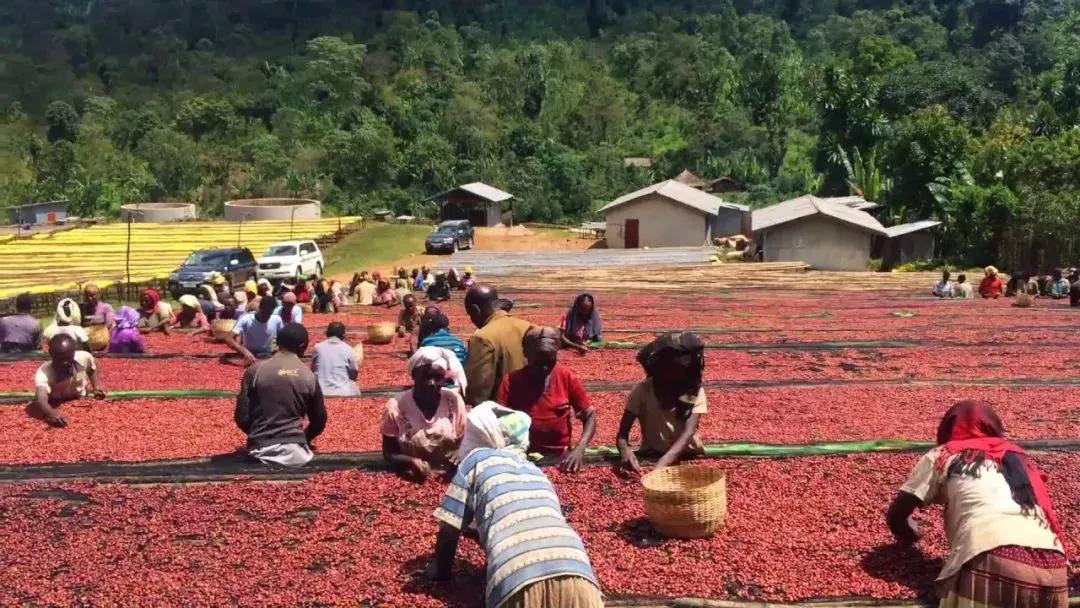
The Limu region mainly produces washed beans, with a milder mouthfeel than the Sidamo region. Its body is thinner, often with citrus characteristics. Its floral and citrus notes are also inferior to Yirgacheffe and Sidamo, but it has an additional grassy aroma and cocoa aroma, as well as a sandalwood note. Although it is not as famous as coffee from Sidamo or Yirgacheffe, it also produces many coffee beans with distinctive flavors.
Using washed processing, the methods of washing and fermentation are used to remove the skin, pulp, and mucilage, with a continuous supply of fresh water introduced. During processing, the fermented beans are placed in a tank and moved back and forth, using the friction of the beans and the force of flowing water to wash the coffee beans until smooth and clean. After washing, the coffee beans are still wrapped in the parchment, with a moisture content of 50%, and must be dried to reduce the moisture content to 12%, otherwise they will continue to ferment and become moldy and spoiled. Then they are sun-dried. Although it takes 1 to 3 weeks, the flavor is excellent and quite popular.
Flavor: grassy freshness on entry, with apple and smoked plum acidity, mid-palate caramel and nutty sweetness, cocoa and berry finish
[Burundi Heart of Africa]

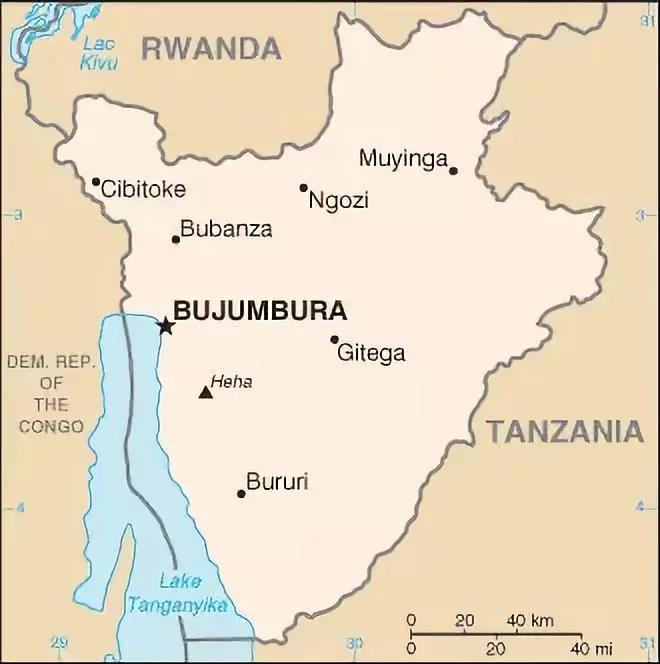
Burundi is located on the steep East African Rift, with complex terrain. More than 800,000 Burundian households depend on coffee cultivation for their livelihood, mostly small-scale coffee farms, intercropped with other crops, manually cultivated, without mechanized equipment. Coffee grows on high mountains at altitudes of 1,400 to 1,700 meters. The coffee tree varieties are mostly Bourbon and its variants, with two processing methods: washed and semi-washed. In the past, most were exported to Belgium, Germany, the Netherlands, Japan, Australia, and the United States.
Burundi's coffee mainly comes from the following five major producing regions, with well-known coffee-producing areas including Kayanza, Ngozi, Mumirwa, Buyenzi, and Kirimiro. Burundi "Heart of Africa" coffee production patterns are closer to Ethiopia's, mostly smallholder production, with farmers sending their harvested ripe cherries to processing stations for unified processing.
Using double washed processing, after removing the skin and pulp from the cherries, they are soaked and washed in a tank, then placed on raised beds for sun drying. The coffee beans have almost no defective beans, with quite uniform size and moisture content. Coffee processed in this way has an extremely clean mouthfeel and bright flavor.
Front Street Burundi coffee flavor: the taste is full of wildness, retaining strong flavor and aroma, with citrus acidity and tea aroma, light acidity, relatively thick body, plum, kumquat, lemon, dried fruit, caramel, smooth mouthfeel, saturated aroma, and a rich, lasting finish.
Americas Series:
[Front Street Costa Rica Honey Processing]
Costa Rica was the first country in Central America where coffee was introduced and cultivated. Because it is located in the Central American isthmus, with volcanoes throughout the country, it has the natural advantages of sunlight and land. Its climate is simultaneously moderated by Pacific and Atlantic ocean currents and sea breezes, and the coffee produced has characteristics of local microclimatic terroir conditions. The earliest planting area was in the Central Valley. After years of development, Costa Rica currently has eight main producing regions: Guanacastes, West Valley, Central Valley, Turrialba, Orosi, Tres Rios, Tarrazu, and Brunca.
Front Street coffee beans using the honey processing method refer to green beans made by sun drying with mucilage still attached. The juice produced during the coffee cherry processing is taken to soak the parchment beans being processed. Because the cherry juice contains fairly high sweetness and unique enzymes, the processed parchment beans contain richer flavors and very complex positive flavors.
The more pectin retained in the processing method, the richer the final coffee flavor and the higher the sweetness. The pectin mucilage part is the part with the highest sugar content in the coffee fruit and is also an important component of coffee processing fermentation. It can be said that this part determines 80% of the nutrient supply during processing.
Yellow Honey retains 60% of the pectin, Red Honey retains 75% of the pectin, and Black Honey removes almost no pectin. The sugars and acidity from the pectin layer become more and more concentrated during drying, and these sugars penetrate into the coffee beans.
Mainly planted with Caturra, with a mouthfeel featuring lemon or citrus acidity. In terms of sweetness, it is affected by the number and dosage of fertilizer applied by the grower. It has high yield, short trees, and many branches, and is favored by local farmers.
Front Street Costa Rica honey-processed coffee flavor: with floral and creamy aromas, flavors of lemon, plum, sweet orange, and white peach, pomelo, juicy feel, natural sweetness, delicate mouthfeel, overall perfect and balanced.
[Honduras San Juan Sacatepéquez]

Honduras is located in northern Central America, bordered by the Caribbean Sea to the north, the Gulf of Fonseca of the Pacific Ocean to the south, Nicaragua and El Salvador to the east and south, and Guatemala to the west, mostly mountains and plateaus. It has a tropical climate, mild temperatures, and abundant rainfall, making it an ideal place for coffee cultivation. There are six major producing regions, mainly located in the western and southern Copan, Opalaca, Montecillos, Comayagua, Agalta Tropical, and El Paraiso regions.
The average cultivation altitude for specialty coffee-producing areas is above 1,100 meters. They are divided into three grades by altitude: Standard grade, with a cultivation altitude of 1,000 meters; HG grade, with a cultivation altitude of 1,000 to 1,500 meters; and SHB grade, with a cultivation altitude above 1,500 meters.
San Juan Sacatepéquez is a small village in central Honduras, located 40 kilometers northeast of the Honduran capital Tegucigalpa. The town is under the jurisdiction of Francisco Morazán, and the estate is located within the buffer zone of La Tigra National Park, with an independent rainforest ecosystem. Its climate and altitude are very favorable for producing high-quality coffee beans, grown on mountains at an altitude of 1,450 to 1,550 meters, shaded by fruit trees such as bananas, avocados, and papayas.
Hand-picked, then ripe fruits are selected from them, and the picking time often takes several weeks. The washed method is used to process the coffee beans. First, they are soaked to remove floating beans, then the skin and pulp are removed by machine. Local farmers believe that larger fruits represent better maturity. They are fermented for 10 to 12 hours, then washed clean, and finally dried on African drying beds for 8 to 10 days, so its mouthfeel always has a faint fruity note.
Flavor: caramel sweetness is very obvious, roasted nuts, milk chocolate, full creamy texture, slight spices and an oolong tea finish.
African beans with fruity notes have an overall light and refreshing mouthfeel, more like drinking fruit juice, while American beans with balanced flavor and mouthfeel feel like drinking melted cream chocolate, smooth and mellow, bringing different pleasures to the palate. Between African beans and American beans, which one do you like?
The above content is compiled by CoffeeHunters, a coffee news website.


