







Search Results for: contrast
A Complete Guide to Making a Dirty Coffee: The Secret Behind the Contrast Between Espresso and Milk, Plus a Milk Selection Guide
In summer, what milk coffee could be more captivating than a cup of Dirty? With its striking layers and strong sense of contrast, it has quickly won the hearts of many latte lovers. But when many people try it at home, they always feel it lacks that punch found in coffee shops. In fact, the soul of a Dirty lies in contrast—from temperature to taste, the espresso and milk need to form an extreme contrast. This article, drawing on the practical experience of Front Street Coffee, will break down in detail how to choose coffee beans, milk, and the key techniques during preparation, so you can easily make a cup of Dirty with long-lasting layers and an amazing mouthfeel. [more…]

Contrast Aesthetics or Operational Error? Analyzing the Making Logic and Flavor Balance of Dirty Coffee
Dirty Coffee, with its striking layers of espresso and cold milk, creates a strong contrast in both visuals and taste, making it a popular item in cafés. Some love the soothing scene of it sinking down, while others are full of curiosity about its "dirty" feel. This article starts with espresso bean selection, milk characteristics, and differences in temperature and density to break down the key points of making a proper Dirty, and explains how to shorten the extraction distance and avoid disrupting the layers, so that bitterness and sweetness, heat and ice form a clear contrast in the cup. [more…]

How Is a Dirty Coffee Different from a Latte? Exploring Why Dirty Coffee Is Meant to Be Gulped and How to Make It at Home
In recent years, Dirty coffee has attracted many latte enthusiasts with its striking layers and contrast between hot and cold. However, many people find it difficult to replicate the impact of coffee shop versions when trying it at home. This article will analyze in detail the core differences between Dirty and latte, reveal its soul—contrast—and share the key points for making a delicious cup of Dirty coffee, including espresso bean selection, milk choice and temperature control, and layering techniques. At the same time, the article will also recommend Front Street brand's medium-dark roasted beans to help you easily make a cup of Dirty with strong contrast at home. [more…]
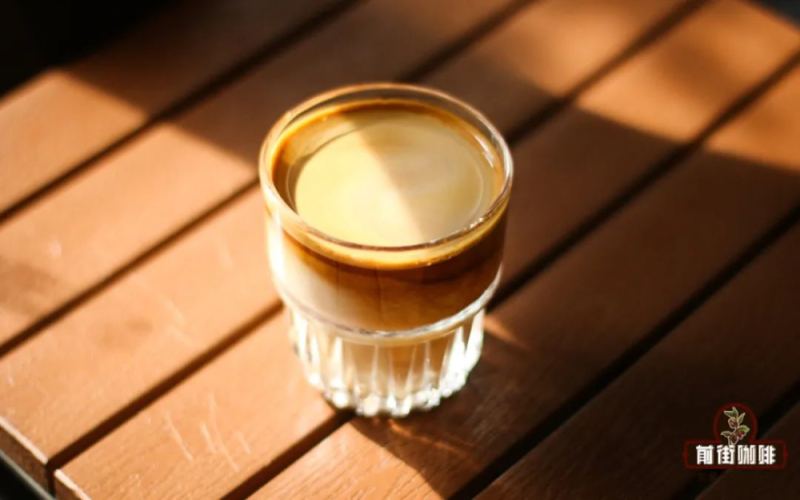
Types of Milk Coffee | What Is the Difference Between a Dirty Coffee and a Latte? Why Should a Dirty Be Drunk in Big Gulps? How Can Coffee Beginners Make a Dirty Coffee?
It could be said that there is no milk coffee more suited to summer than a Dirty! If there is, then Front Street hasn't mentioned it yet! Compared to an iced latte, the contrast that a Dirty creates is more striking, and with one sip you can experience all sorts of截然不同的 contrasts—it's truly wonderful. That's why quite a few latte lovers, when it comes to D [more…]
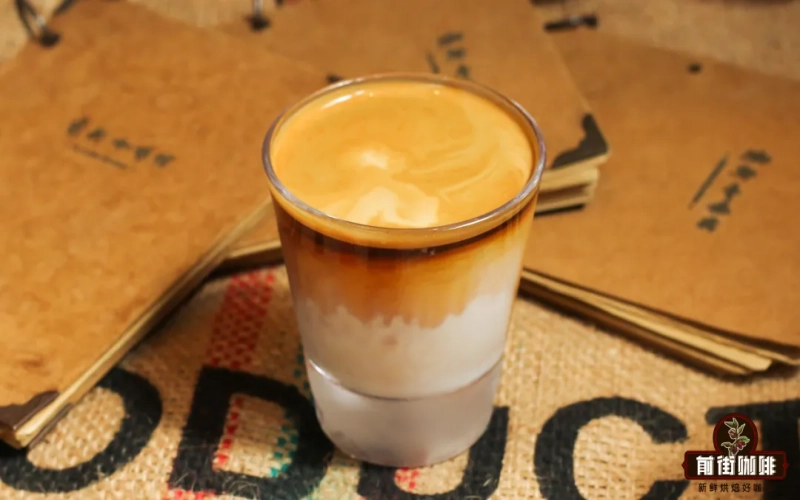
Key points for making a -86°C Dirty Coffee: milk selection, coffee ratio, and glassware freezing method explained
In recent years, a coffee drink called "-86°C Dirty" has continued to gain popularity online, attracting a great deal of attention from coffee enthusiasts. What exactly makes this beverage so special? How does it differ from an ordinary Dirty? This article will provide a detailed analysis of this trending drink from aspects including its preparation principles, the method of freezing the glassware, milk selection, and coffee bean pairing. Front Street Coffee will also share its own experience on how to replicate a similar effect at home using an ordinary refrigerator, and recommend suitable coffee beans and milk types to pair with it, helping you better understand this espresso-based milk coffee with its striking low-temperature contrast. [more…]
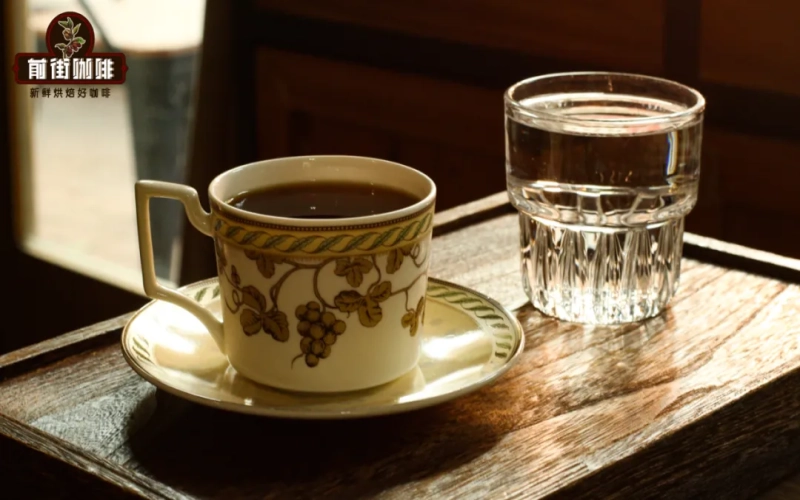
The Science Behind Coffee's Sweet Aftertaste: Why Does Water Taste Sweeter After Coffee? Taste Bud Distribution and Taste Mechanisms
Many coffee lovers have had this experience: after drinking a cup of espresso or single-origin coffee, plain water tastes remarkably sweet. Behind this phenomenon lies the working mechanisms of taste receptors, the effect of taste contrast, and the physiological role of saliva secretion in the mouth. Starting from real customer feedback at Front Street stores, this article systematically analyzes the principles behind coffee's sweet aftertaste, explains the distribution and function of taste buds on the tongue, and explores why coffee's bitterness actually enhances the sweetness of the water that follows. At the same time, the article will draw on specific products such as Front Street Strawberry Candy, Front Street Blackberry, Front Street Mozart, Front Street Sidra, and Front Street 2013 Yunnan Small-Bean to help readers understand this fascinating taste phenomenon more intuitively. [more…]
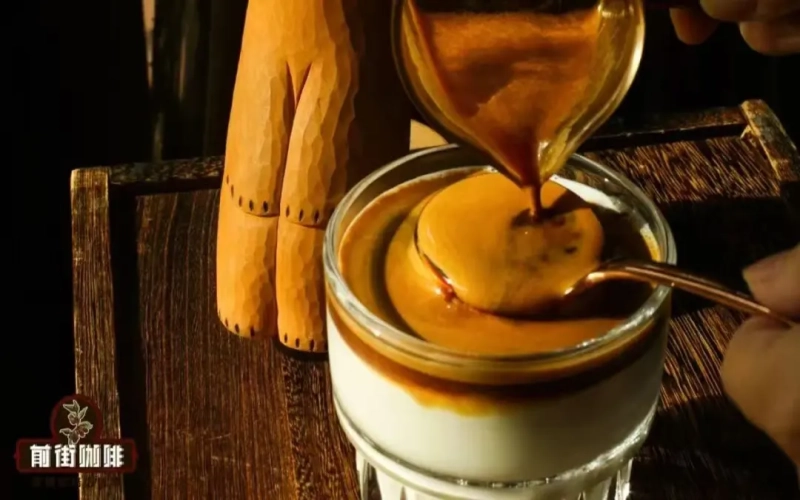
Why Dirty Coffee Doesn't Layer: Master Three Key Details to Make a Perfectly Layered Dirty Coffee
Dirty coffee may seem to require only two ingredients—milk and espresso—but the actual preparation hides a fair amount of know-how. Many people who try it at home often run into problems like no layering or overly blended flavors, and the result falls far short of what a coffee shop produces. In fact, as long as you avoid three common pitfalls—ignoring the layering, choosing the wrong cup, and adding ice blindly—you can easily make a Dirty with distinct layers and a strong contrast between hot and cold. Front Street Coffee will combine real brewing experience with a classic blend bean to break down the principles behind every detail and the correct methods, helping you make a dirty coffee even better than a café's. [more…]
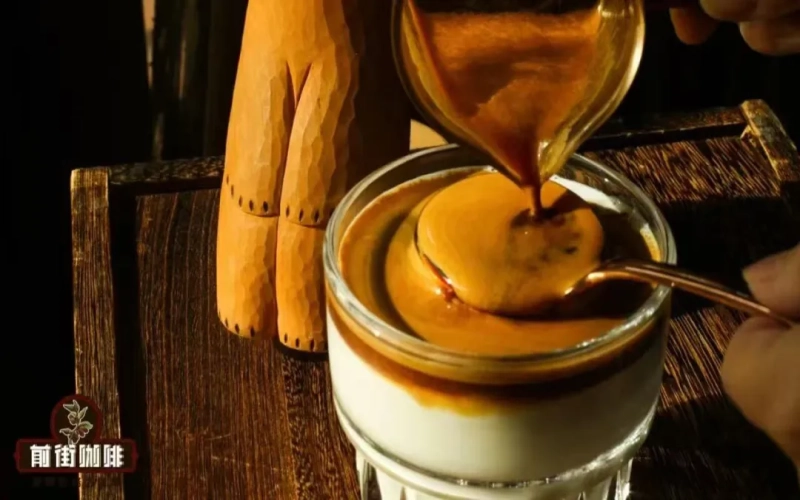
Why Has Dirty Coffee Become Such a Popular Choice? A Comprehensive Analysis from Layering Principles to Brewing Techniques
In recent years, Dirty coffee has been appearing frequently in specialty coffee shops, and has even been adopted by many establishments as a signature product. It is neither an extension of traditional espresso nor a simple version of an iced latte with the ice removed; rather, it has won the favor of a large number of coffee enthusiasts through its unique layered structure, sharply contrasting mouthfeel, and extremely high compatibility with ingredients. This article will begin with the background of Dirty's rise in popularity, sort out how it differs from the early "dirty coffee," and explain in detail how to select coffee beans, choose milk, and make a cup of Dirty with distinct layers and an outstanding taste. At the same time, the article will combine multiple products from Front Street Coffee to offer specific bean selection suggestions and pairing ideas. [more…]
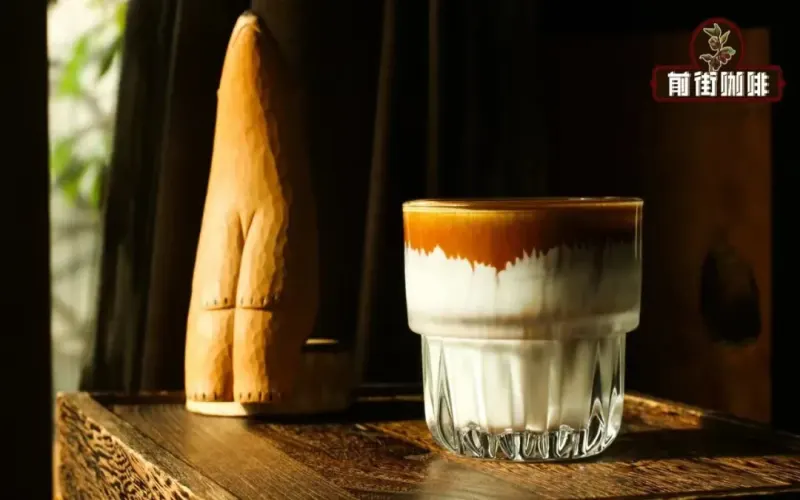
The Complete Guide to Making Dirty Coffee: How to Perfectly Layer Espresso and Milk, and Its Key Differences from a Latte
Dirty coffee has long been popular among coffee enthusiasts for its visual effect of espresso floating on the surface of iced milk and slowly seeping downward, along with its contrasting mouthfeel. However, many people who try to recreate it at home often run into the problem of the espresso sinking straight to the bottom and blending in, with no layering at all. Drawing on the practical experience of Front Street Coffee, this article systematically outlines the three key factors in making dirty coffee: controlling the distance between the milk surface and the espresso outlet, maximizing the temperature difference between the milk and the espresso, and increasing the milk's concentration—and it also answers the essential question of how dirty coffee differs from a latte. Whether you want to make a dirty coffee that delivers both good looks and great taste, or you want to figure out exactly how it differs from an iced latte, this guide will give you clear answers. [more…]
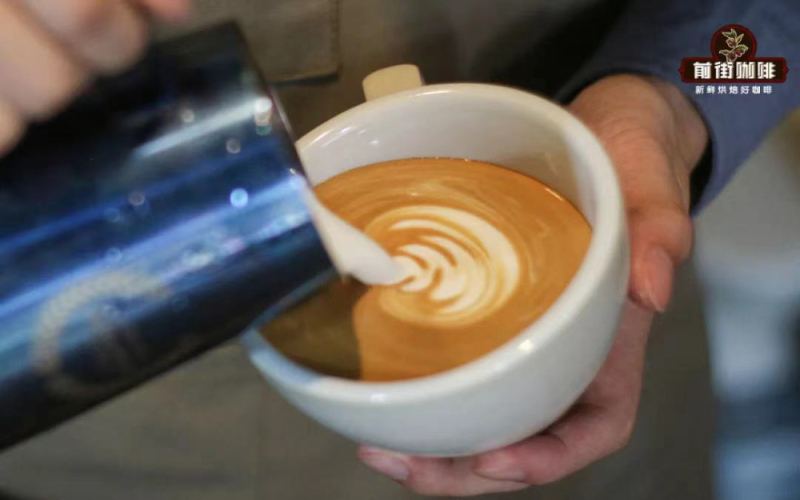
The Complete Guide to Latte Art: From Coffee Bean Selection to Milk Frothing and Extraction Techniques
To create a cup of espresso latte art with clear patterns and distinct contrast at home, practicing technique alone is far from enough. From the roast level and freshness of the coffee beans, to the yield and flow rate of the espresso extraction, to the temperature, fat content, and foam thickness of the milk, every step directly affects the final pattern. This article systematically breaks down the four major elements that influence latte art—coffee, milk, pitcher, and pattern—and recommends three beans for practice and serving—Front Street Classic Blend, Commercial Blend, and Dark Cocoa Base Blend—to suit different needs, helping coffee enthusiasts gradually improve their latte art skills on the basis of understanding the principles. [more…]
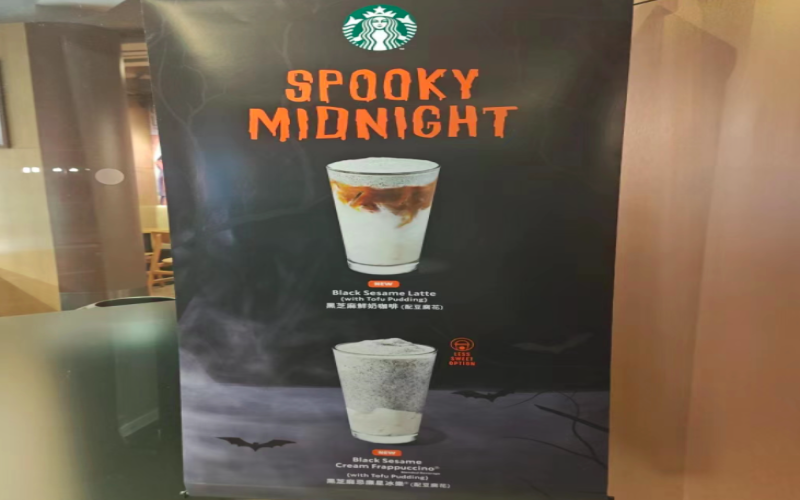
Starbucks Hong Kong and Macau launch a black sesame tofu pudding coffee for Halloween, and consumers note the contrast between its appearance and taste.
As October and Halloween approach, Starbucks Hong Kong and Macau has launched a timely black sesame drink series, including Black Sesame Fresh Milk Coffee and Black Sesame Cream Frappuccino, and allows customers to add tofu pudding themselves to create a unique texture. However, after the new products hit the market, the gap between their appearance and the promotional posters sparked heated discussion, with some jokingly describing the real thing as looking like "ash water." Despite the unimpressive look, the combination of smooth tofu pudding and rich black sesame has led some consumers to drink it for three days in a row. This pairing is not appearing for the first time; previously, the Sesame Almond Tofu Frappuccino at Taiwan stores received a good reputation. So, is this cross-category mashup actually worth trying? Let's find out from consumer feedback. [more…]
Must Dirty Coffee Use Purified Milk? A Full Analysis of Its Differences from Latte, Flat White, and Cappuccino
Dirty coffee has swept through specialty coffee shops in recent years, and many people assume it must be made with purified milk (such as IceBock). Is that really true? From the perspective of Front Street, this article explores the origins of purified milk and Dirty, explains that fresh milk and plant-based milk can work just as well, and compares the fundamental differences between Dirty and latte, flat white, and cappuccino in terms of preparation method and drinking experience. At the same time, the article also introduces in detail the characteristics of purified milk and why it can amplify Dirty's layered effect and the contrast between hot and cold. Whether you are a coffee enthusiast or a professional, you can use it to clarify the true nature of Dirty and find the cup that suits you. [more…]
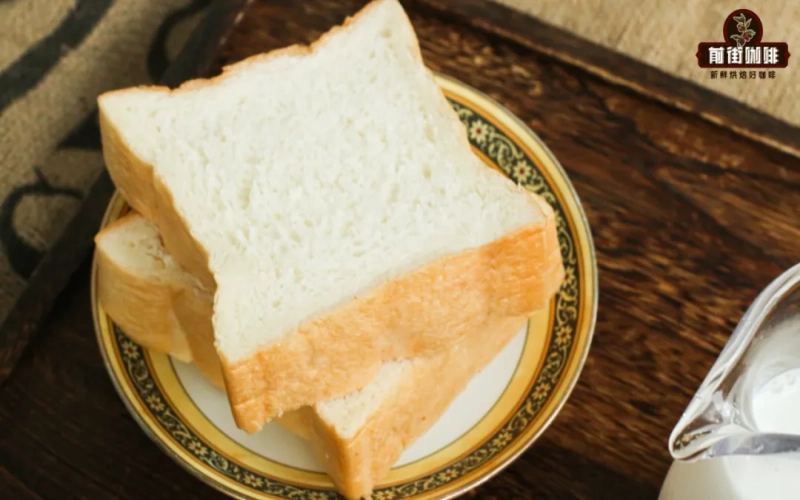
White Toast Dirty Coffee Recipe: Flavor Experience and Brewing Parameters of Raw Toast Milk Dirty Coffee
Recently, a distinctive coffee creation has been trending online—the white toast Dirty. It isn't made by adding toast to coffee; instead, milk that has been soaked with toast is used to make the Dirty, giving the milk both the aroma of bread and a richer mouthfeel. In this issue, Front Street Coffee replicates this drink, using raw toast soaked in a 1:5 ratio under refrigeration for 4 hours, then filtering it and pairing it with a specialty espresso blend, documenting the complete process of temperature contrast and flavor integration across three sips. However, Front Street also specifically warns that fresh bread is prone to mold, and soaking it in milk for a long time will greatly accelerate spoilage, posing safety risks if not handled properly, so friends with sensitive stomachs are advised not to try it casually. [more…]
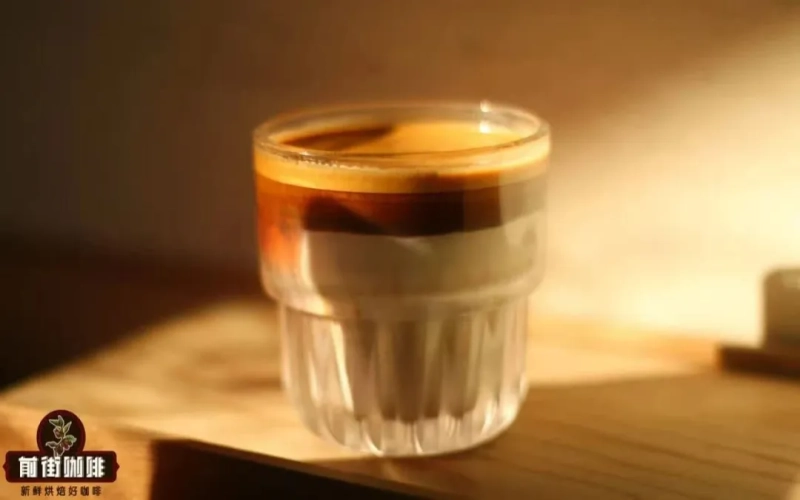
Is it better to chill or freeze a Dirty coffee glass? The mystery of the -86°C Dirty and a real-world comparison test
Dirty has always been a popular product in coffee shops thanks to its high aesthetic appeal and the unique experience of hot and cold colliding. When making a Dirty, using a chilled glass can extend the layering effect between the espresso and the milk, but should you use a refrigerated glass or a frozen glass? Through comparative experiments, Front Street Coffee found that although a frozen glass can widen the initial temperature difference, it also accelerates the dissipation of the layers, and the milk's mouthfeel and aroma are slightly compromised. The rise in popularity of -86°C Dirty has brought frozen glasses into the spotlight once again. This article explains in detail the differences between refrigerated and frozen chilled glasses, the points to note when making a Dirty with a frozen glass, and why purified milk is the best partner for a frozen glass, helping you fully understand the intricacies behind this dirty coffee. [more…]

Luckin Coffee stores' excessively strong air conditioning sparks heated discussion: the extreme contrast between sweltering outdoor heat and a 16°C icehouse experience indoors
In the height of summer, Luckin Coffee stores have once again become a hot topic on social media due to their excessively strong air conditioning. Many customers complain that stepping in to pick up their coffee feels like walking into an icehouse, and some have even caught colds from the freezing conditions. What exactly causes Luckin's air conditioning to be set as low as 16°C? Why can employees remain so calm and composed in such an environment? Starting from real customer experiences, combined with insect-prevention considerations revealed by employees and the spatial characteristics of the stores, this article provides a comprehensive analysis of the causal logic behind the Luckin "icehouse" phenomenon, while also offering coffee lovers a summer store-visit reference. [more…]
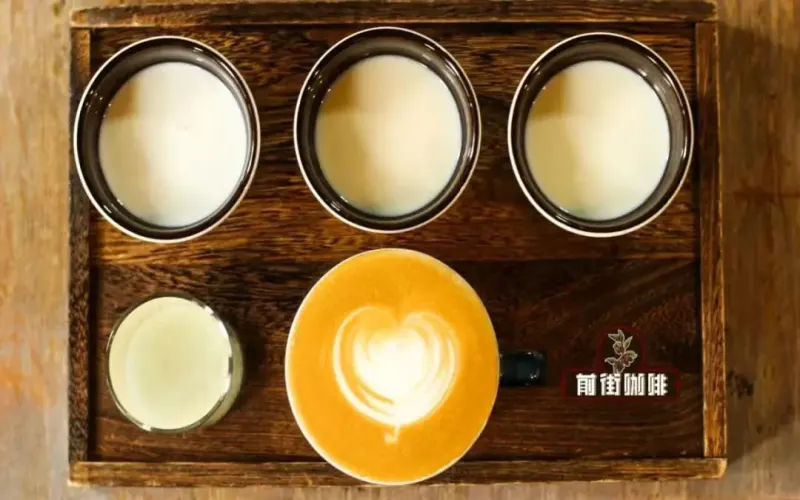
Popular milk blending solutions in coffee competitions: milk pairing ideas for espresso lattes and Dirty
In the world of specialty coffee, blending has long since ceased to be limited to the coffee beans themselves. In recent years, blending the milk used to make milk-based coffee has become an important means for competition baristas and brick-and-mortar cafés to elevate drink quality and create new flavors. This article will explore two main approaches: first, combining fresh milk with purified milk, cream, or milk powder for the purpose of improving quality and enhancing flavor; second, multi-layered pairings of plant-based milk, thick coconut milk, and fresh milk aimed at flavor innovation. Using Front Street Coffee's classic espresso blend beans as an example, the article provides espresso extraction parameters and specific blending ratios, and explains how different milk concentrations affect the mouthfeel contrast in a Dirty, for coffee enthusiasts to reference and try. [more…]

How to make espresso poured over tangyuan delicious? Is pairing coffee with tangyuan feasible?
Eating tangyuan (glutinous rice balls) on the winter solstice is a southern tradition, but coffee lovers have come up with a new twist—pouring espresso over tangyuan to make a Chinese-style coffee dessert similar to affogato. Is this concoction a culinary disaster? After trying it firsthand, Front Street discovered that the roasted aroma of coffee and the sweet, chewy tangyuan can create a surprisingly wonderful contrast. This article will explain in detail the complete steps for making coffee tangyuan, including how to boil the tangyuan without breaking the skin, the extraction parameters for espresso, and the different flavor experiences brought by dark-roasted versus medium-roasted coffee beans, helping you easily recreate this special holiday dessert at home. [more…]
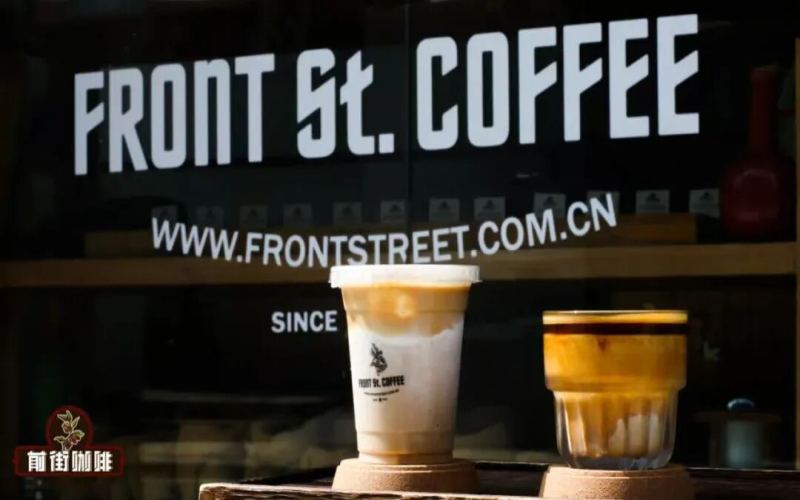
Coffee Tasting | Espresso, Latte, Dirty Coffee — What's the Etiquette for Drinking Them? Why Do Some Coffees Need Stirring While Others Are Meant to Be Gulped?
Although you can drink coffee however you like, doing so can easily cause you to miss out on some of its distinctive flavors. The character of a coffee lies not only in its taste but also in the experience it brings when you drink it—just like a Dirty. If you stir it before drinking, it is almost no different from [more…]
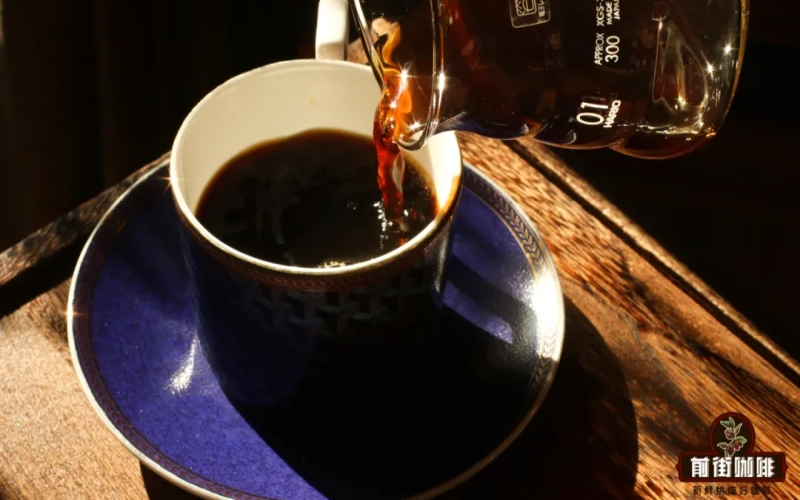
A Guide to Brewing Dark Roast Coffee for Sweet Aftertaste: Grind, Water Temperature, and Technique for Jamaica Blue Mountain No. 1
Brewing a cup of dark roast coffee with pronounced sweet aftertaste is no simple task—many enthusiasts run into problems of excessive bitterness or insufficient sweetness. Drawing on Front Street's brewing experience, this article first breaks down how sweet aftertaste forms: sweetness only gradually emerges after bitterness fades, so the coffee itself must contain enough sugars and sweet-aroma compounds. Then, using the excellent-quality Front Street Jamaica Blue Mountain No. 1 coffee as an example, it shares a complete brewing recipe: 15g of grounds, a 1:14 coffee-to-water ratio, 89°C water temperature, an Ek43 grind setting of 10.5, and a Kono dripper, using a three-pour method with a slower flow to extend extraction, ultimately presenting black chocolate and nutty aromas, with the finish turning into a maple-syrup-cream-like sweetness. [more…]
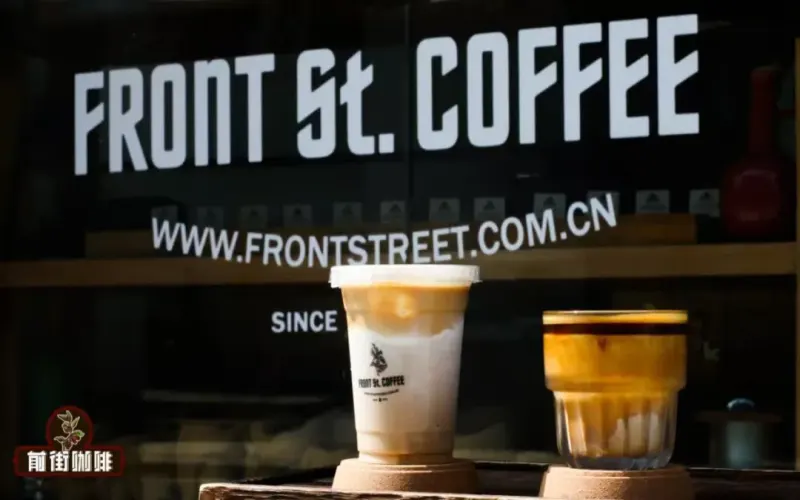
How should you drink espresso to get it just right? A full breakdown of when to stir and when to take big sips
When a cup of coffee is placed in front of you, should you stir it or just take a big gulp? There is no uniform answer to this question—the key lies in the drink's own design intent. In this article, Front Street Coffee sorts out two categories of drinking methods: espresso, iced latte, flavored coffee, and the like need to be stirred before drinking because of their layers, otherwise they will either taste thin, or one sip will be all syrup; while Dirty, Con Panna, hot latte, cappuccino, and espresso-derived small-cup products emphasize not stirring and taking a big mouthful, so that you can simultaneously experience the double contrast between espresso and milk in temperature and flavor, or take in the milk foam and cream along with it. The article also explains the principle behind how the layers form, and the aromatic and sweet lingering aftertaste brought by the retronasal breath after swallowing a big mouthful. Finally, Front Street also reminds us that there is no fixed rule for how to drink—just follow your own preference. [more…]