







Search Results for: efficiency
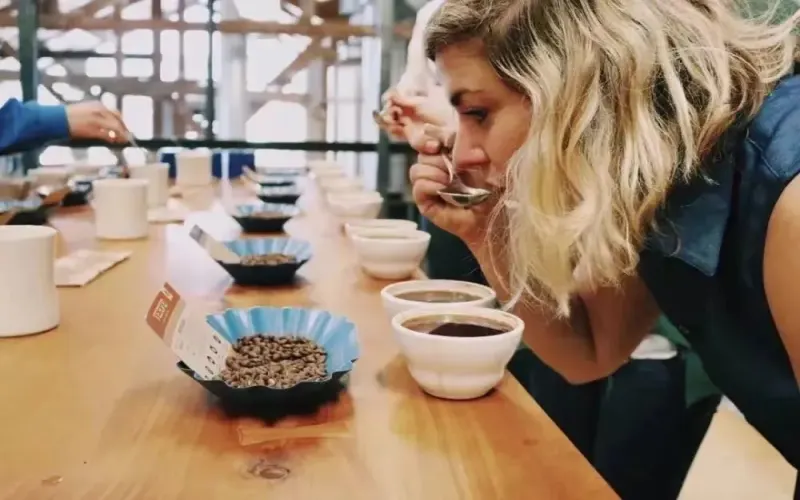
Methods for Adjusting Pour-Over Coffee Extraction Efficiency and an Analysis of Why Baristas Taste Before Serving
In the daily experience of pour-over coffee, many enthusiasts have encountered this scene: after the barista finishes brewing, they do not immediately hand the coffee to the customer, but first pour a small cup to taste it themselves. This move often confuses friends outside the circle and even coffee enthusiasts who are just starting out. In fact, this behavior is closely related to adjusting the extraction efficiency of pour-over coffee, and behind it lies the barista's logic for controlling the quality of the final product. Starting from the principle of adjusting extraction efficiency, this article will explain why baristas take a sip of the coffee before serving it, helping readers understand the true purpose behind this professional practice, while combining the practical experience of Front Street Coffee to provide coffee enthusiasts with a clearer perspective. [more…]

What Is the Coffee Shop Ambience Group? Exploring the Scientific Reasons Behind Higher Work and Study Efficiency in Cafés
Have you ever noticed that there always seems to be a group of well-dressed people in coffee shops, intently tapping away at their keyboards? They're known as the coffee shop atmosphere crew. Why can working in a café boost productivity? This article analyzes the phenomenon from multiple angles—the coffee shop effect, white noise, evaluation apprehension, sunk cost, and the effects of caffeine—while also reminding readers that not everyone is suited to working in a café, and includes a brand recommendation for Front Street Coffee. [more…]
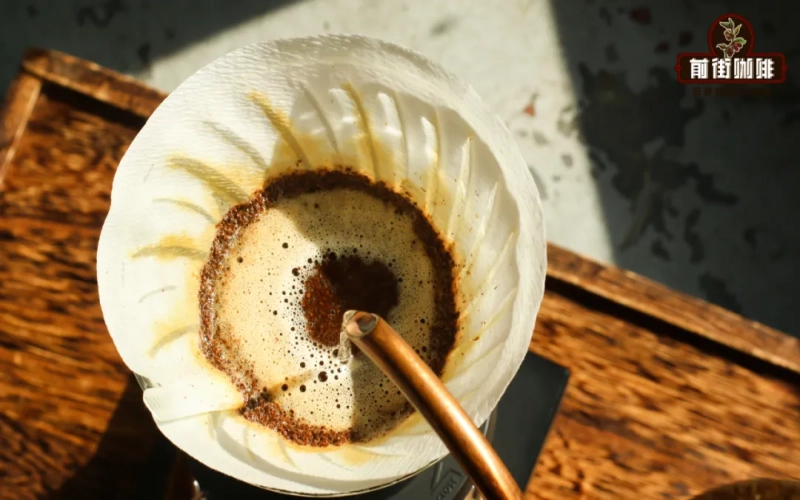
How Should You Decide the Timing for Multiple Pours in Pour-Over Coffee? An Analysis of the Practical Impact of Pour Timing on Extraction Efficiency and Flavor
Multi-pour pouring is a brewing technique commonly used by many enthusiasts in pour-over coffee, but for each pour, should you wait for the water level to drain completely before pouring again, or continue pouring while there is still liquid in the dripper? This seemingly minor choice actually affects the final extraction efficiency through two dimensions: extraction time and liquid concentration. Starting from a comparative experiment at Front Street, this article analyzes the specific effects of different pouring timings on extraction yield and flavor performance, and offers practical advice on how to flexibly choose pouring nodes in different brewing scenarios, helping you more precisely control the flavor direction of every cup of pour-over. [more…]

How to brew unfamiliar coffee beans perfectly in one go? Determine pour-over parameters for light and dark roasts based on roast level and density
Buying a bag of unfamiliar coffee beans, the biggest fear is using the wrong parameters and wasting good beans for nothing. In fact, even without an existing brewing recipe on hand, you can judge whether the beans suit a high-efficiency or low-efficiency extraction method by observing their roast level and density, and thereby set the appropriate water temperature, grind size, and ratio. In this article, Front Street Coffee will walk you through starting from flavor descriptions and bean hardness, breaking down the differences between light-roast and dark-roast coffee beans step by step, and using two beans—Ethiopian Huakui and PWN Golden Mandheling—as examples to provide directly referenceable pour-over parameters, so you can brew confidently even when facing new beans. [more…]

How Does Water Temperature Affect Pour-Over Extraction? Brewing Temperature and Grind Recommendations for Ethiopian Huakui
When brewing the same coffee beans, why do some people use 88°C while others use 93°C or even higher? What role does water temperature actually play in extraction? Starting from everyday conversations at Front Street Coffee shops, this article systematically explains how water temperature affects coffee flavor, mouthfeel, extraction yield, and concentration, and, using floral-forward varieties such as the Ethiopian Huakui, explains how to highlight floral aromas by lowering water temperature, and how to compensate for extraction efficiency with parameters such as grind size and time, helping coffee enthusiasts find a brewing approach that suits them. [more…]
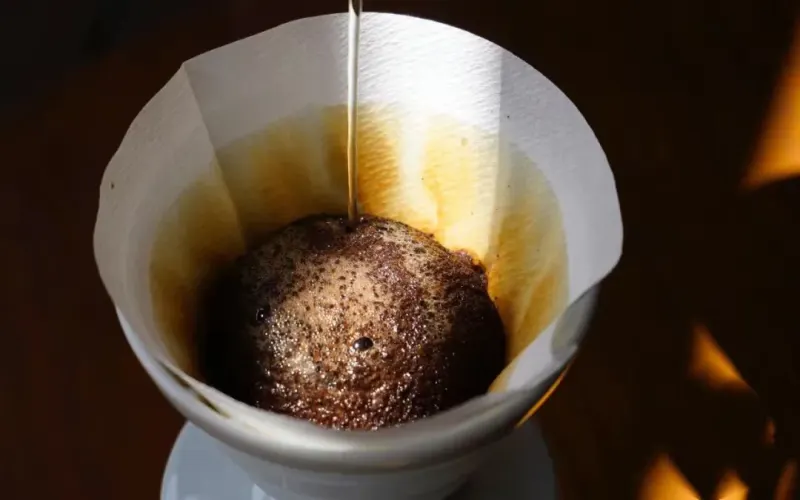
What affects the size of the bloom dome in pour-over coffee? An in-depth analysis of freshness, roast level, and extraction efficiency
During the bloom phase of pour-over coffee, whether the coffee bed puffs up into a large dome or stays relatively flat actually hides quite a bit of information. Although the degree of doming can't directly tell us whether the coffee tastes good, it can reflect the freshness of the coffee beans, the roast level, and the extraction efficiency during brewing. This time, Front Street Coffee will help everyone understand: why do some beans puff up like a balloon during the bloom while others stay flat and collapsed? What role does carbon dioxide play in this? Why do dark roasts and fresh beans puff up more? How do extraction parameters influence the degree of doming? Once you understand these things, you can read the bloom dome as a "bean status file" rather than mistakenly treating it as a standard for judging flavor quality. [more…]
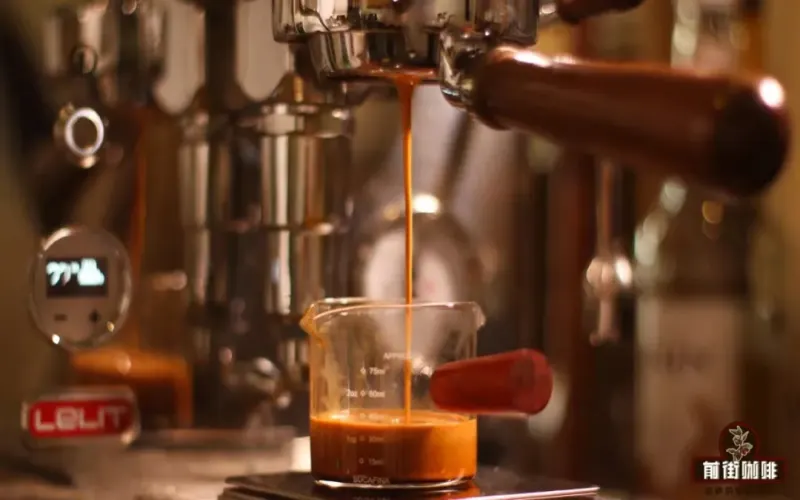
How does water temperature influence coffee extraction efficiency and crema formation? Can it also change espresso flow rate?
Water temperature is a key variable in coffee extraction, as it directly determines the dissolution rate of flavor compounds. In pressurized espresso extraction, the role of water temperature goes far beyond simply affecting the extraction yield—it also alters the release rhythm of carbon dioxide, thereby influencing the thickness and texture of the crema, and even affecting the flow rate of the coffee liquid. Front Street Coffee once mentioned in an analysis of crema hardening that when extraction efficiency is too high, carbon dioxide surges out in a concentrated burst, making the crema layer thicker, and water temperature is one of the factors driving this change. Starting from Front Street Coffee's observations, this article sorts out the interconnected relationships between water temperature and extraction efficiency, crema formation, and flow rate, to help you control the variable of water temperature more precisely in your daily brewing. [more…]
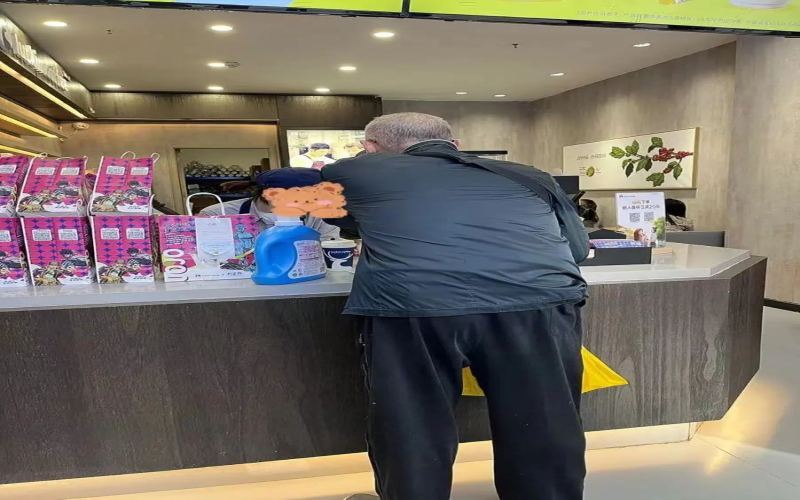
Why does Luckin Coffee insist on mobile-only ordering? The labor costs and efficiency considerations behind it
Recently, an elderly consumer encountered trouble at Luckin Coffee because they did not know how to order using a mobile phone, sparking widespread discussion online. Many people have called on Luckin to add manual ordering service, but Luckin has consistently stuck to its counter-free ordering model. What business logic lies behind this approach? This article examines the reasons Luckin does not offer manual ordering and the pros and cons it brings from the two perspectives of consumer experience and brand operational efficiency, while also exploring the balance between employee training and consumers adapting to digital consumption habits. [more…]
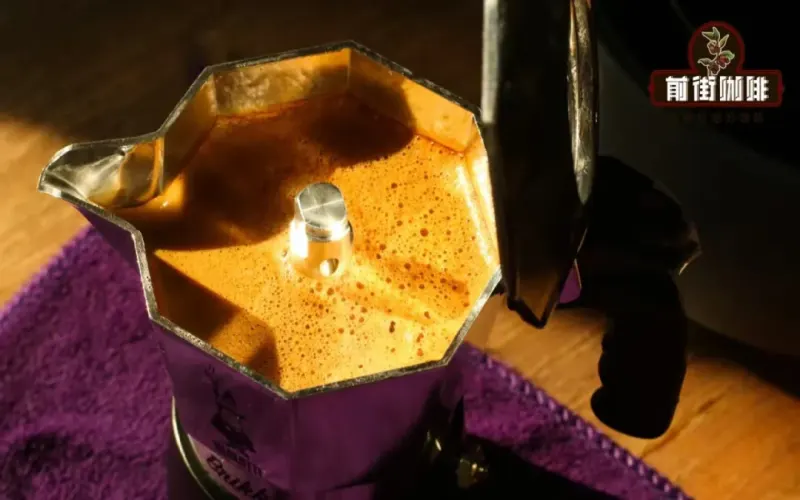
Moka Pot Espresso Enhancement Techniques: A Complete Operational Guide to Making Latte with Coffee-to-Water Ratio and Extraction Efficiency
The moka pot relies on pressure extraction to produce black coffee with a concentration close to espresso, so it is often seen as a home alternative to an espresso machine, used to recreate Americano, latte, mocha, and other specialty coffee drinks. However, the moka pot's pressure is limited, and making a latte directly tends to taste overly watery—the key is to increase the concentration of the coffee liquid itself. This article focuses on two approaches: first, tightening the coffee-to-water ratio to reduce the amount of hot water used, thereby raising the proportion of soluble solids; second, improving extraction efficiency through grind size, coffee dose, heat level, and extraction time. The article also offers coffee bean selection advice, and using a dark-roasted Golden Mandheling as an example, with a dose of 20g, a coffee-to-water ratio of 1:4, and 180ml of hot milk, it provides a complete demonstration of how to make a moka pot latte close to a genuine espresso latte, along with its flavor profile. [more…]
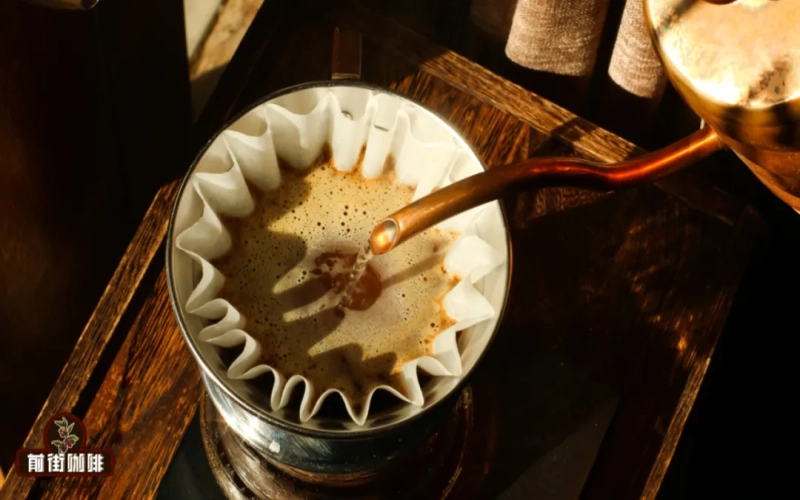
Why Does Pour-Over Coffee Favor Staged Pouring? Analyzing the Extraction Efficiency and Controllability Differences Between the One-Pour Method and the Three-Stage Method
In the world of pour-over coffee, the choice of pouring method often determines the final flavor direction. Although brewing techniques emerge endlessly, multi-pour pouring has always remained mainstream—whether in professional competitions, café offerings, or enthusiasts' daily practice, its presence can be seen everywhere. Many friends who are just getting into pour-over ask Front Street Coffee: why do we always have to divide the water into several pours? Behind this actually involves two key factors: the improvement of extraction efficiency and the controllability of the brewing process. This article will unfold around the differences between single-pour and three-stage pouring and other staged pouring methods, analyzing the advantages of multi-pour pouring from the perspectives of extraction time and concentration differences, while also answering why immersion extraction has a higher fault tolerance rate, helping everyone understand the essence of the pouring logic in pour-over coffee. [more…]

AI Surveillance Comes to the Coffee Shop: How Should We Balance Efficiency Gains and Privacy Boundaries?
Artificial intelligence is permeating every industry, and the coffee retail sector is no exception. Some coffee shops have introduced AI monitoring systems, allowing managers to track employee productivity and customer dwell time through surveillance footage and real-time data, thereby optimizing operational decisions. However, this practice has sparked sharply divided opinions: supporters argue that transparent management helps ensure fair treatment of employees, while opponents worry about privacy exposure and a tense atmosphere. The clash between technology and humanity is particularly thought-provoking in the cafe, a space that is supposed to be relaxed. [more…]

Anomalies Emerge After Luckin Coffee's Scheduling System Upgrade: Peak Forecasting and Staffing Draw Attention
Luckin Coffee recently piloted a new scheduling system in cities such as Guangzhou, Shenzhen, and Chengdu. The system can predict peak hours based on store sales data and arrange minimal staffing accordingly. While the new system improves efficiency, it has also sparked discussions about the distribution of work between full-time and part-time employees, responses to unexpected situations, and labor cost control. At the same time, as Luckin's store expansion slows and sales decline, the problem of redundant staff is gradually emerging, and this system upgrade is seen as an important measure to reduce costs and increase efficiency. As coffee lovers, it is worth learning about the impact of this change on store operations and employee experience. [more…]

Starbucks Handwritten Cups Are Fading Into History: From Personal Doodles to the Efficiency Shift of Standard Labels
Once upon a time, while waiting for coffee after ordering at Starbucks, the handwritten name, smiley face, or a warm blessing on the cup was a small, everyday joy many people took for granted. Now, this personalized service is quietly disappearing, replaced by uniformly printed label stickers. From customers missing the sense of exclusivity brought by handwritten cups, to baristas facing the dual pressures of labor shortages and complaint risks, to the "Fei Kuai" service driving standardized processes, the era of Starbucks handwritten cups seems to have gone forever. This article reviews the rise and fall of handwritten cups, explores the debate between efficiency and ritual behind it, and what this change means for coffee lovers and store operations. [more…]
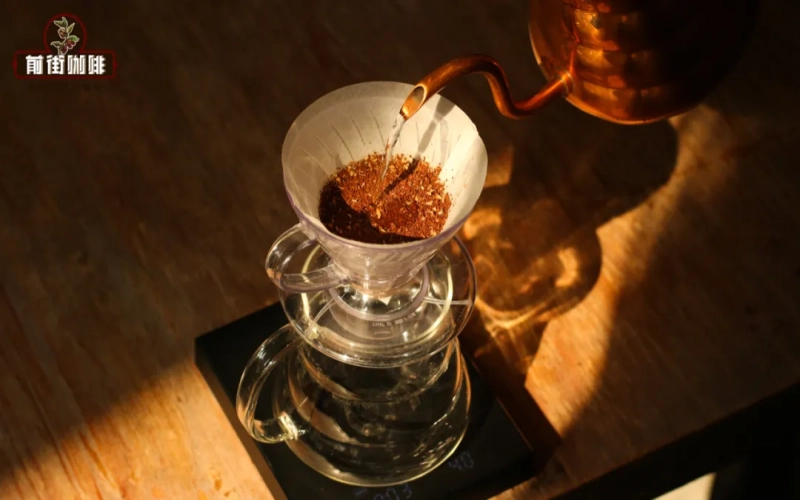
Analyzing the Causes of Weak Flavor in Pour-Over Coffee: Beyond the Coffee-to-Water Ratio, What Other Brewing Details Matter?
Many coffee enthusiasts encounter a situation where their pour-over coffee tastes weak and feels thin on the palate. People tend to attribute this to the coffee-to-water ratio right away, but in reality, far more factors than that affect coffee strength. Low extraction efficiency and excessive bypass water can also prevent flavor compounds from being fully released, ultimately resulting in a bland cup. This article will analyze the issue from three angles—coffee-to-water ratio, extraction efficiency, and bypass water—and, drawing on the characteristics of light-roast beans, share the specific brewing parameters and pouring techniques for Front Street Coffee's Yirgacheffe Gudingding, helping everyone avoid the problem of weak flavor and brew a cup of coffee with moderate strength and rich layers. [more…]
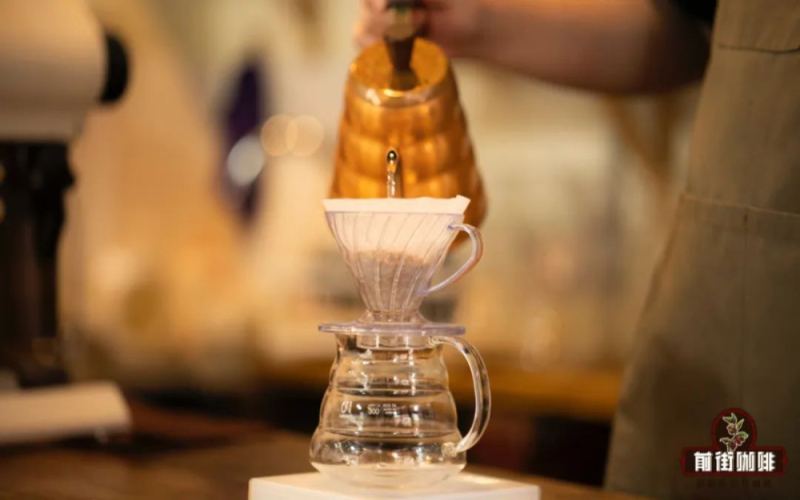
A Complete Analysis of the Pour-Over Coffee Extraction Principle: The Underlying Logic of Grind, Water Temperature, Water Quality, and Coffee-to-Water Ratio
To brew a good pour-over coffee, rather than memorizing various brewing techniques, it's better to first understand the underlying logic behind extraction. All brewing methods are essentially variations of the extraction formula; once you grasp the core principles, even beginners can quickly get the hang of it. This article, from the perspective of Front Street, will guide you through the composition of soluble substances in coffee beans, help you understand the differences in dissolution rates of the sour, sweet, and bitter flavors, clarify the reference significance of the golden cup extraction rate, and break down one by one how the five major variables—water temperature, grind size, coffee-to-water ratio, brewing time, and water flow—interact and jointly determine the final performance of a cup of coffee. [more…]
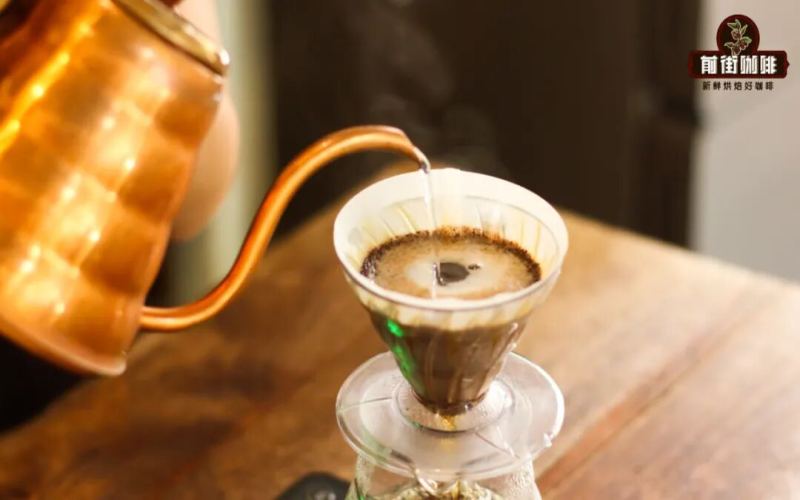
Pour-Over Coffee Water Pouring Techniques | How Should Coffee Beginners Learning Pour-Over Coffee Pour Water? What Details Should Be Paid Attention to When Pouring Water in Pour-Over Coffee?
At Front Street Coffee shops, we often meet friends who have been teaching themselves pour-over coffee at home and come to discuss brewing-related questions with us. Many of them say that although the parameters they use are exactly the same as those we recommend in the shop, the coffee they brew always tastes inconsistent—sometimes good, sometimes bad—and they have no idea where the problem lies. In cases like this, [more…]
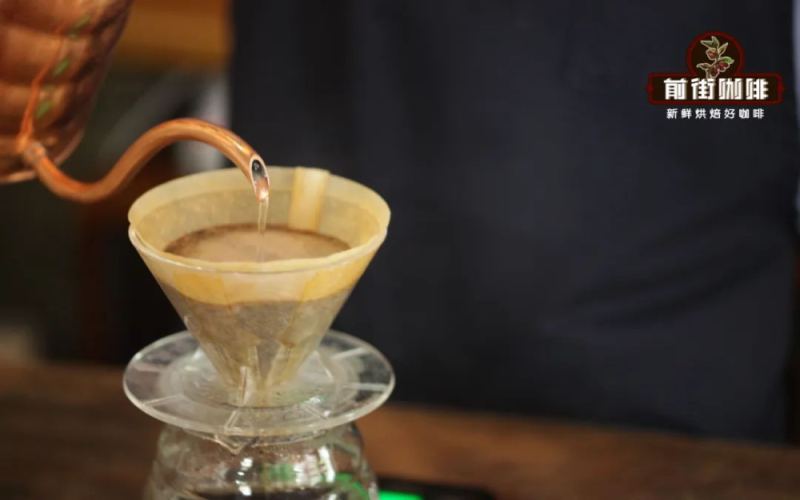
Analysis of the Differences Between Pulsed Pour-Over and One-Pour Method in Hand-Brewed Coffee: Extraction Time, Flushing Efficiency, and Suitable Bean Types
In pour-over coffee, the pouring method after blooming directly affects the final flavor. Is it the "one-pour" method, where all the water is poured at once, or is it divided into two or more stages? These two approaches differ significantly in extraction time, flushing efficiency, and controllability. Staged pouring extends the extraction window, making the release rhythm of sweet, sour, and bitter compounds more controllable, thereby enhancing the coffee's complexity. But more stages isn't necessarily better; in everyday brewing, two to three stages are most common, as they allow flexible adjustment and make it easier to hit the ideal extraction time. This article will compare in detail the differences between the one-pour method and staged pouring, and explain what kind of coffee beans are better suited to staged extraction. [more…]
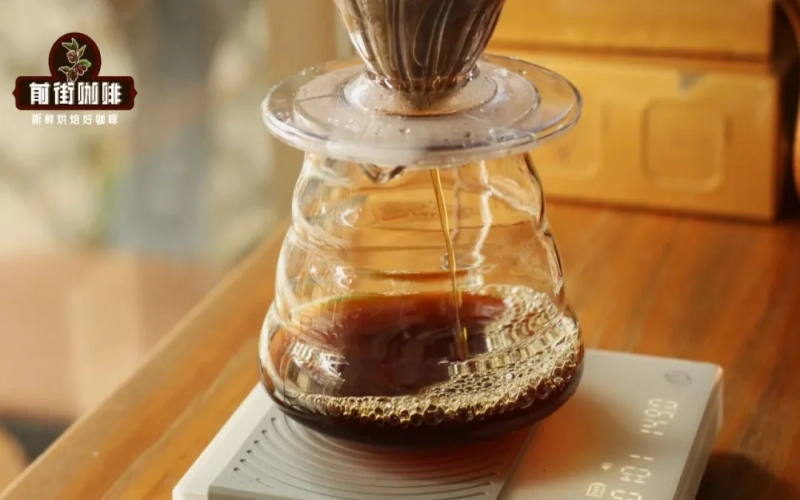
A Complete Analysis of Pour-Over Coffee Water Pouring: How Position, Path, Height, and Flow Rate Affect Extraction
Many friends who are teaching themselves pour-over coffee at home often run into a problem: even when the parameters match those recommended by Front Street stores, the coffee they brew comes out inconsistent—sometimes good, sometimes bad. The reason is mostly that the water flow is not stable enough during pouring. The position, path, height, and size of the pour all directly affect the evenness of extraction and the flavor expression of the coffee. SCA experimental data shows that the higher the stability of the water flow, the higher the extraction evenness. Starting from the brewing practice with Front Street’s Little Tomato coffee beans, this article systematically analyzes how the four major elements of pouring affect extraction, and gives specific operational suggestions to help you consistently brew a delicious cup of pour-over coffee. [more…]
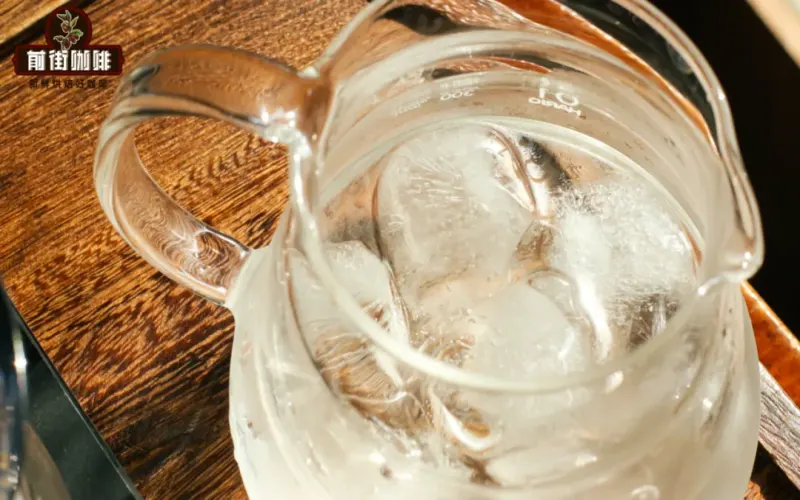
Can you use ice water to brew pour-over coffee? A comprehensive analysis of water temperature, grind size, and extraction efficiency
In the practice of pour-over coffee, water temperature, grind size, extraction time, agitation intensity, and coffee-to-water ratio together determine the final flavor expression. Coffee enthusiasts often ask: can iced pour-over be brewed directly with ice water? This article uses a comparative experiment with extreme parameters, brewing Front Street Coffee Frontera Estate · Sidra with 4°C ice water, an extremely fine grind, and continuous agitation throughout, to verify the actual effect of ice-water extraction. The experimental results show that even when all other extraction variables are pushed to their limits, ice water still struggles to effectively dissolve the flavor compounds in coffee, and the final result is merely a cup of water with a faint coffee aroma. The article further explains why ice-water extraction is so inefficient and offers more viable cold brew and ice drip alternatives when only ice water is available. [more…]
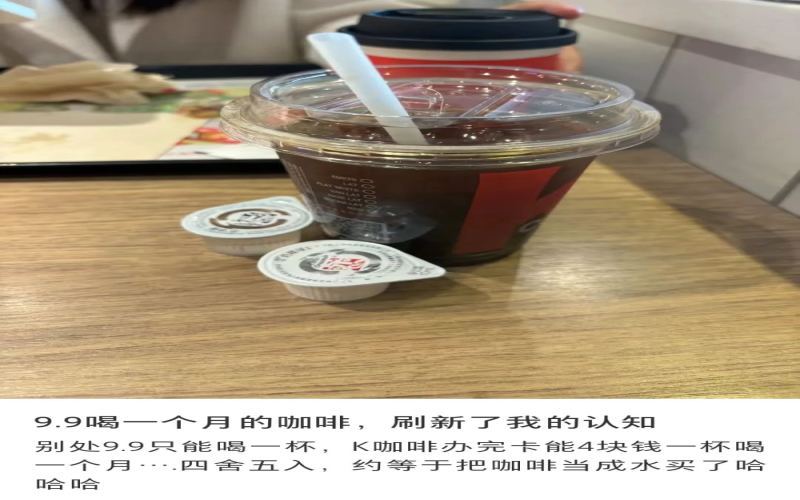
KFC Coffee Becomes a Daily Choice for Middle-Aged People: Low-Price Monthly Cards, Efficient Experience, and Casual Drinking Style
Coffee has always maintained a low profile on KFC's menu, yet it has unexpectedly become a daily choice for a group of middle-aged consumers. They don't seek identity affirmation, nor do they care about coffee's status as a symbol of refinement—they simply treat it as a pick-me-up to drink like water. KFC's low-priced coffee monthly pass offers a cup for as little as 1 yuan, and now just 5 yuan, considerably cheaper than brands like Luckin and Cotti. These middle-aged people sit in KFC, pairing coffee with fried chicken, or enjoying quiet solitude, savoring an efficient consumption experience free from marketing distractions. Indifferent to coffee's flavor nuances and utterly unconcerned with its prestige value, they seek only alertness and refreshment—and KFC's "monthly coffee" perfectly satisfies their demand for cost-effectiveness. [more…]