







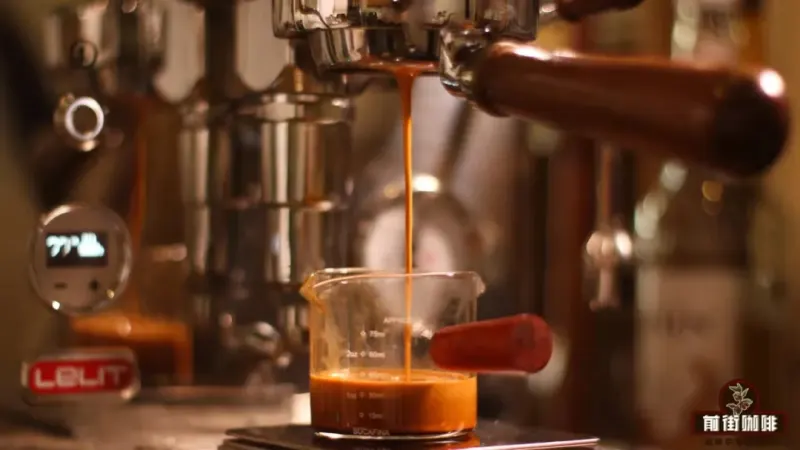
How does water temperature change espresso extraction and crema?
Water temperature sets the pace of coffee extraction. In espresso, hotter water dissolves flavor compounds faster and also changes how quickly carbon dioxide leaves the puck, which thickens the crema and alters its texture. Colder water slows extraction and weakens both flavor yield and crema development.
Front Street Coffee noted in an analysis of crema hardening that when extraction efficiency runs too high, carbon dioxide releases in concentrated bursts, producing a fuller crema layer. Temperature is one driver of that shift, and it can also change the flow rate of the coffee liquid during pressurized brewing, linking all three variables.
Water temperature is a key variable in coffee extraction, directly determining the dissolution rate of flavor compounds. For pressurized espresso extraction, the role of water temperature goes far beyond simply affecting the extraction yield—it also alters the release rhythm of carbon dioxide, thereby influencing the thickness and texture of the crema, and even affecting the flow rate of the coffee liquid. Front Street Coffee once mentioned in an analysis of the oil hardening phenomenon that when extraction efficiency is too high, carbon dioxide surges out in concentrated bursts, making the crema layer thicker, and water temperature is one of the factors driving this change. Starting from Front Street Coffee's observations, this article will sort out the interconnected relationships between water temperature and extraction efficiency, crema formation, and flow rate, helping you more precisely control the variable of water temperature in your daily brewing.
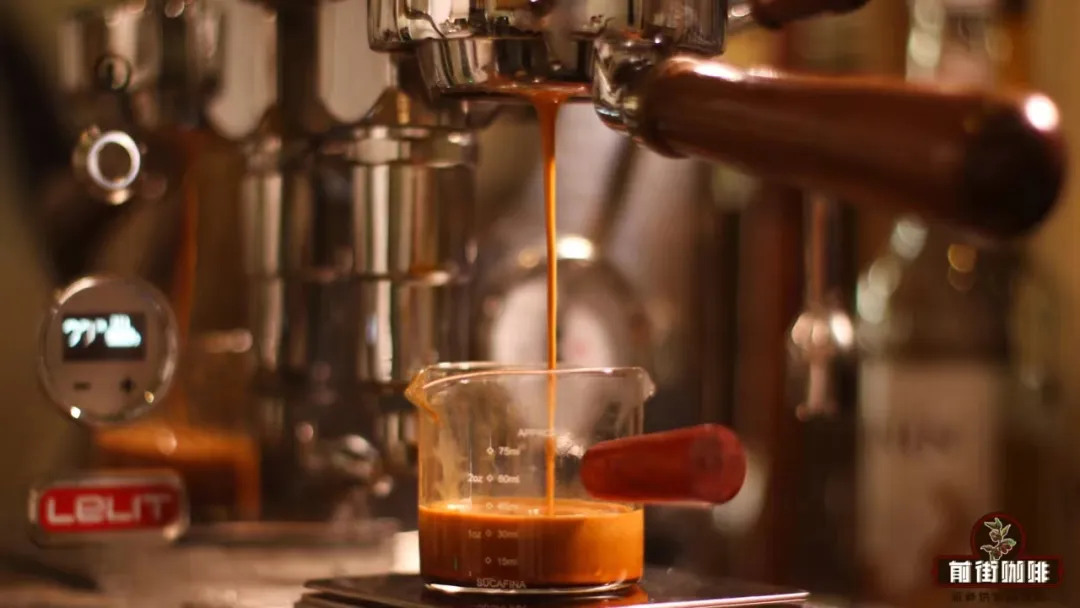
Water plays the role of a solvent in coffee extraction, and its temperature directly relates to the strength of the extraction capability. The general rule is: as water temperature rises, the speed of dissolving flavor compounds accelerates; as water temperature drops, the extraction strength weakens accordingly. This is already common knowledge among coffee enthusiasts.
However, in the relatively "intense" method of pressurized espresso extraction, the chain reactions triggered by water temperature go far beyond a simple rise or fall in extraction efficiency—they also involve changes at other levels.
Another effect of water temperature on pressurized extraction—changing the flow rate
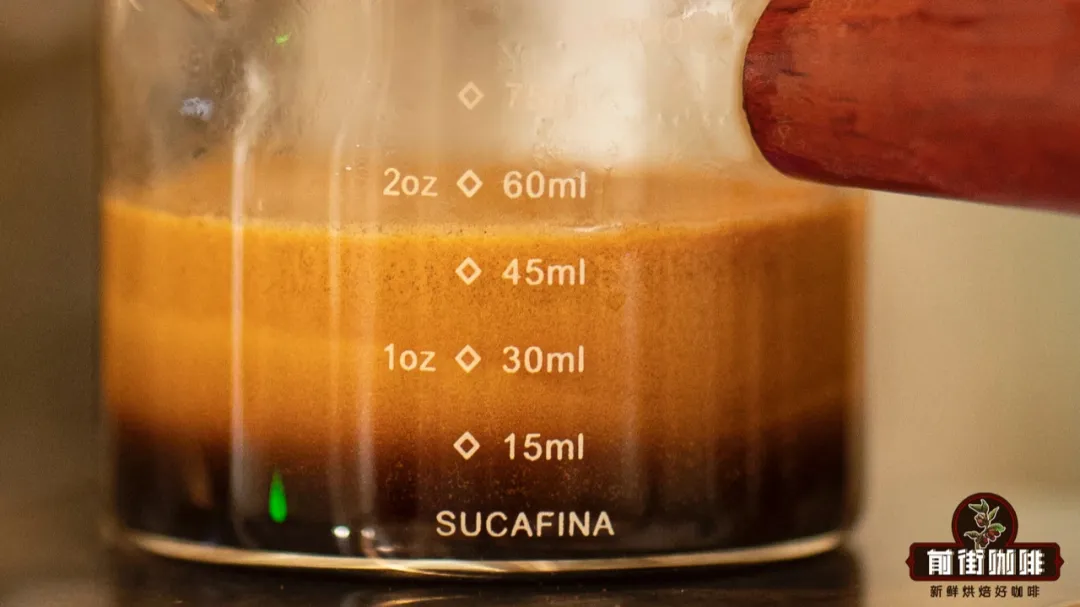
A couple of days ago, when discussing the reasons why espresso crema hardens, Front Street Coffee mentioned a phenomenon: when extraction parameters are set too efficiently, carbon dioxide is released in large amounts within an extremely short time, and the result is that the crema layer becomes thicker and fuller. Behind this, water temperature is precisely one of the driving forces.
The above content is compiled by CoffeeHunters, a coffee news website.


