








What Role Does Water Temperature Play in Coffee Extraction?
Water temperature controls how fast soluble compounds dissolve during brewing: hotter water raises extraction yield and concentration, while cooler water slows both down. For medium-light roasts such as Ethiopian Huakui, 90–93°C is a common recommendation, though some brewers drop to about 88°C to soften acidity and bring floral notes forward. No single temperature suits every cup—the right setting depends on roast level and the flavor profile being pursued.
Lower temperatures dissolve solids more slowly, so grind size, contact time, and pouring technique have to compensate. With floral coffee beans, a finer grind or a longer brew can offset the slower rate without stripping the delicate aromatics. That is why the same beans get 88°C from one brewer and 93°C from another—each is trading temperature against other parameters to reach a balance of body, acidity, and aroma.
When brewing the same coffee beans, why do some people use 88°C while others use 93°C or even higher? What role does water temperature actually play in extraction? Starting from everyday conversations at Front Street stores, this article systematically explains the impact of water temperature on coffee flavor, mouthfeel, extraction yield, and concentration, and, in combination with floral coffee varieties such as Ethiopian Hualei, explains how to highlight floral notes by lowering water temperature and how to compensate for extraction efficiency using parameters such as grind size and time, helping coffee enthusiasts find a brewing solution that suits them.
Front Street: "These beans are medium-light roast, so a water temperature of 90–93°C is recommended." Customer: "That high? I saw other places recommending 88°C!"
Conversations like this happen almost every day in Front Street stores, and they have also become a topic Front Street repeatedly discusses—why is the brewing temperature given for the same coffee so different from person to person?

To answer this question, we first need to clarify one thing: what exactly does water temperature determine in brewing?
What role does water temperature play in coffee extraction?
During brewing, water temperature is one of the key variables affecting the final flavor, mouthfeel, extraction yield, and concentration.
When water temperature rises, water molecules move more vigorously, extraction kinetic energy increases accordingly, and the dissolution rate of soluble substances in coffee also speeds up; when water temperature drops, the opposite happens. Put simply, the hotter the water, the faster the soluble substances in coffee dissolve; the lower the temperature, the slower the dissolution rate.
Here Front Street uses the banlangen granules everyone is very familiar with as an analogy.
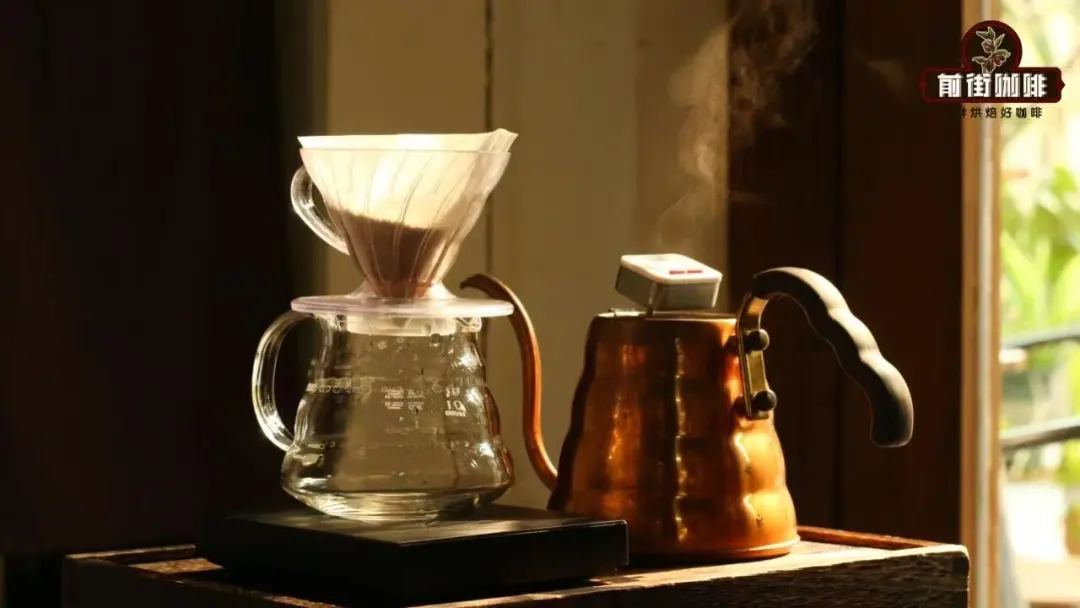
If you dissolve banlangen with boiling water, the granules quickly dissolve; if you switch to room-temperature water, even if you wait a long time and keep stirring with a spoon, the granules may not fully dissolve, because the water does not have enough kinetic energy to complete dissolution in a short time. Coffee extraction follows the same logic.
After understanding how water temperature affects extraction, some friends may ask: since higher temperature means faster dissolution, why not just brew all coffee with boiling water? Why still use different water temperatures?
Why do people use different water temperatures to brew coffee?
The reason is simple: for coffee extraction, "high efficiency" does not equal "good results." In brewing, what we pursue is not simply maximizing extraction efficiency, but controlling the types and amounts of substances dissolved out.
Soluble substances make up about 30% of the weight of a coffee bean, but during brewing we do not dissolve all 30%, because it contains some negative components that make coffee bitter, astringent, and muddy. To brew a cup of good coffee that is more in line with the general public's taste , we should try to avoid letting these substances enter the cup in large amounts.
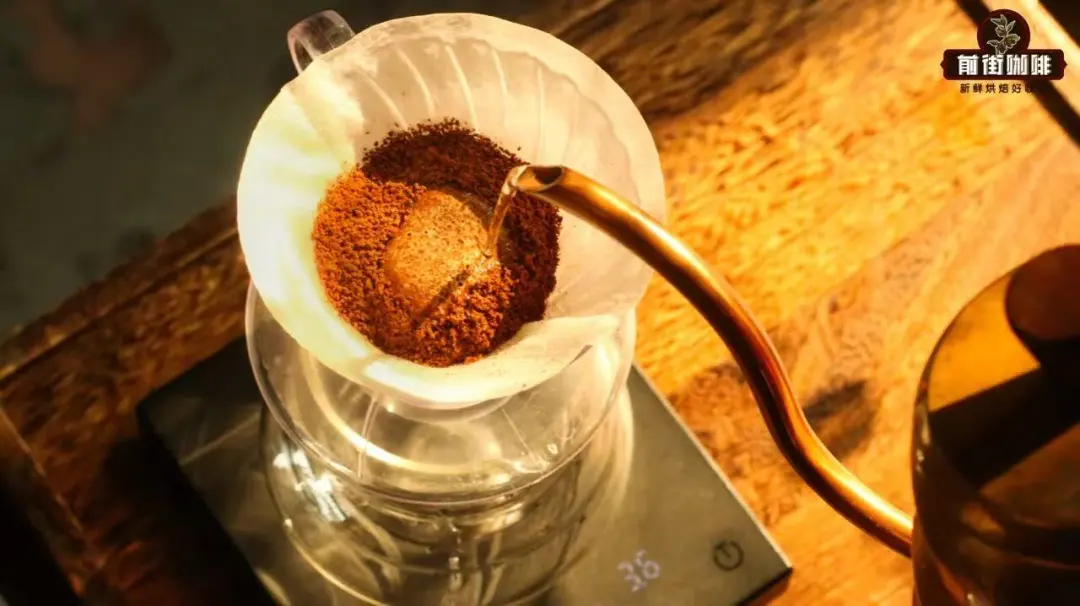
Of course, while avoiding negative substances, we must also ensure that the coffee is fully extracted. Only in this way can we obtain coffee with balanced flavor and moderate mouthfeel. To satisfy both points at the same time, extraction efficiency must be controlled within just the right range: enough to fully dissolve the desired flavor substances, but not so much that negative components are excessively released.
As mentioned earlier, water temperature directly affects extraction efficiency, so it is naturally a variable that needs to be regulated, but it is not the only variable!
In addition to water temperature, parameters such as grind size, extraction time, and coffee-to-water ratio also affect extraction efficiency. During brewing, what we need to do is coordinate all parameters so that extraction efficiency falls within the appropriate range, rather than relying on water temperature alone to decide everything.
For this reason, for the same coffee beans, different people may use completely different water temperatures. Some use 90°C, some use 88°C, and others use 96°C or even 100°C, because the other parameters they use are different. For example, some grind finer, some grind coarser, or the extraction time differs, and these differences all affect the choice of water temperature. When the extraction efficiency brought by other parameters is too high or too low, it needs to be balanced by adjusting the water temperature.

In addition, there are other factors that may lead us to change the water temperature. For example, we may want to highlight a certain characteristic of the coffee, or make a certain aspect of its performance more pronounced.
In yesterday's sharing, Front Street mentioned that when brewing floral coffees from the Front Street bean list, such as Front Street Panama Boquete Geisha, Front Street Yirgacheffe Gotingding, and Front Street Ethiopian Hualei, you can lower the water temperature to make the floral notes in the final cup more prominent.
Lowering the water temperature can achieve this effect because floral substances in coffee dissolve relatively quickly. Cooling weakens the extraction efficiency in the early stage, shifting the point at which floral substances are fully dissolved later; at the same time, a lower water temperature can also prevent floral notes from escaping too quickly, allowing more floral notes to remain in the final coffee.
But lowering the water temperature also slows down overall extraction efficiency, so in yesterday's article Front Street also mentioned that in order for the coffee to still be fully extracted, it is necessary to increase grind fineness, extend extraction time, and so on, using other parameters to compensate for the extraction efficiency lost due to the drop in water temperature.
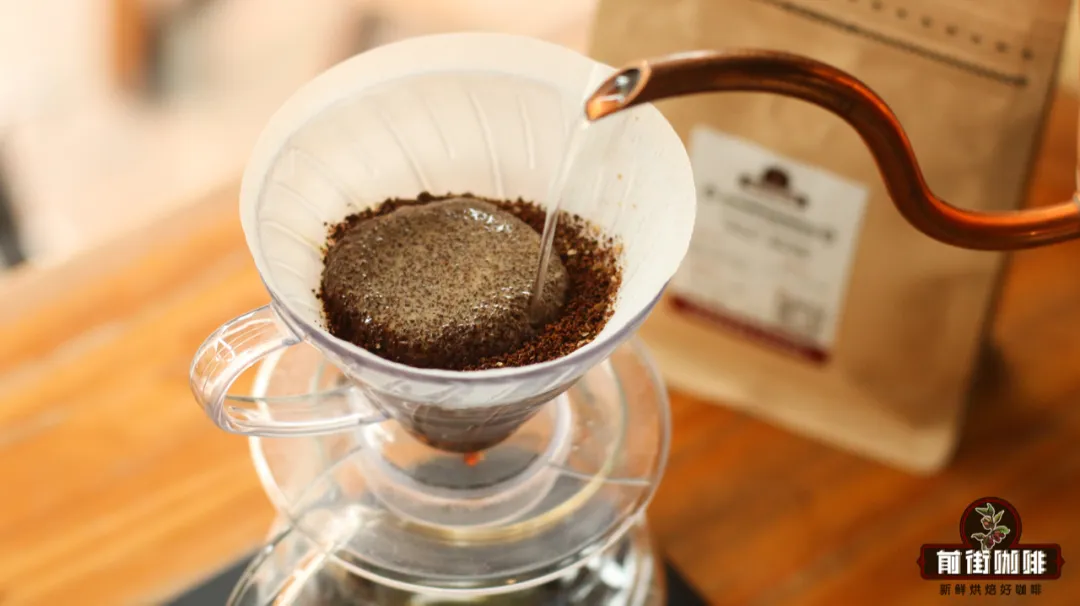
By this point, it is clear why everyone uses a different water temperature for the same coffee. It may be because the grind, equipment, time, and brewing technique everyone uses are different, so changing the water temperature is needed to bring extraction efficiency back into the ideal range; it may also be because the goals are different, for example wanting to highlight a certain flavor characteristic, and therefore adjusting the water temperature accordingly.
- END -
The above content is compiled by CoffeeHunters, a coffee news website.


