







Why does Luckin Coffee refuse counter ordering?
Luckin Coffee uses a mobile-only ordering model with no counter service, and the policy drew attention after an elderly customer could not work out how to order and a staff member placed the order on his own phone. The chain has kept the counterless system, which reduces staff time spent taking orders and shifts payment and queue management to the app.
In third- and fourth-tier cities, coffee is not yet a daily habit, and customers without smartphones or app familiarity run into difficulty. Critics point to slow loading pages and busy staff who cannot always help. Luckin's approach trades that friction for lower labor costs and steadier order flow, while employee training and a coffee store's ability to serve walk-in customers remain the main points of debate.
Recently, an elderly consumer encountered difficulties at Luckin Coffee because they did not know how to order using a mobile phone, sparking widespread discussion online. Many people have called on Luckin to add manual ordering service, but Luckin has consistently adhered to a counterless ordering model. What business logic lies behind this approach? This article analyzes the reasons why Luckin does not offer manual ordering and the pros and cons it brings from the perspectives of consumer experience and brand operational efficiency, while also exploring the balance between employee training and consumers adapting to digital consumption habits.
For professional coffee knowledge exchange and more coffee bean information, please follow Coffee Workshop (WeChat public account: cafe_style)
For more specialty coffee beans, please add the private WeChat account Front Street Coffee (FrontStreet Coffee), WeChat ID: qjcoffeex
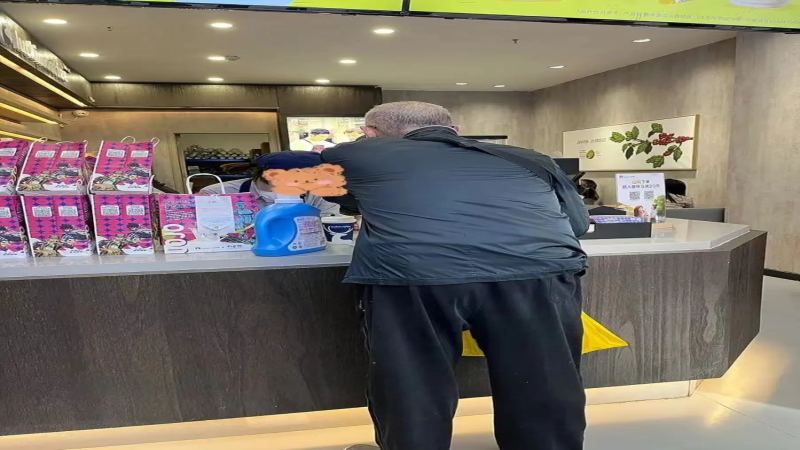
Recently, a netizen shared what they witnessed: an elderly person wanted to buy coffee at a Luckin Coffee store but was stumped at the counter because they were unfamiliar with mobile ordering.
According to the description, the elderly person noticed several cups of prepared coffee placed in the pickup area and wanted to buy one. The staff member told him he needed to scan a QR code with his phone to place an order, then turned around and went to make drinks.
The elderly person walked around the store but still could not figure out how to place an order, so he had to ask again about the price of the coffee and said he wanted to buy a cup directly. At that point, another staff member told him there were multiple price options available. After the elderly person made a choice, the staff member used his own phone to place the order for him.
The netizen who posted mentioned that in third- and fourth-tier cities, drinking coffee is not a daily consumption habit. Although Luckin has opened many stores, they all rely entirely on mobile ordering, and they had never ordered at the counter themselves, so they felt confused: is Luckin the only one without counter ordering service?
After the post was published, it quickly triggered a large amount of discussion among netizens. Many people complained that mobile ordering is indeed troublesome—when the network is poor, pages load slowly, and when they want to ask staff for help, the staff are busy making drinks and have no time to attend to them.
Some netizens also shared that they had seen elderly people at a loss because they did not know how to operate the app, and the staff did not proactively assist, so in the end other customers helped complete the order.
As the discussion heated up, more and more netizens left comments under other Luckin posts, demanding that the brand add manual ordering service.
WeChat changed people's social and lifestyle patterns, e-commerce platforms changed shopping habits, food delivery platforms changed dining habits, and Luckin reshaped the way people order.
Looking back, Luckin Coffee indeed has never offered manual ordering service. Although many consumers expressed dissatisfaction during the process, Luckin still insists on not offering manual ordering because the benefits behind it are considerable.
Luckin is able to keep product prices so low precisely because of its operating model of "small stores + few staff + high efficiency." If additional staff were assigned to handle ordering, dedicated personnel would be needed for that task, and the work efficiency of in-store staff could not be maximized.
Although this approach sacrifices part of the customer service experience, for the brand it indeed greatly cuts labor costs and improves operational efficiency, allowing staff to reduce communication time and focus on efficiently making products. For consumers, it is also because of this choice by Luckin that they can enjoy faster pickup and more affordable coffee prices.
This matter has both advantages and disadvantages. Although more and more consumers have become accustomed to using digital payments, getting all consumers to adapt to this consumption method is not easy. But it is also precisely because of this that there are more favorable prices, making more people willing to accept coffee and learn about coffee.
In similar incidents, Luckin was criticized by netizens more because individual employees had a poor attitude when handling problems, and because Luckin had omissions in employee training.
Many insiders at Luckin also revealed that employees can actually use their own phones to help customers place orders, and this is part of their duty, except that they cannot enjoy discounted prices. But if customers are willing to accept it, most employees are still willing to help place the order.
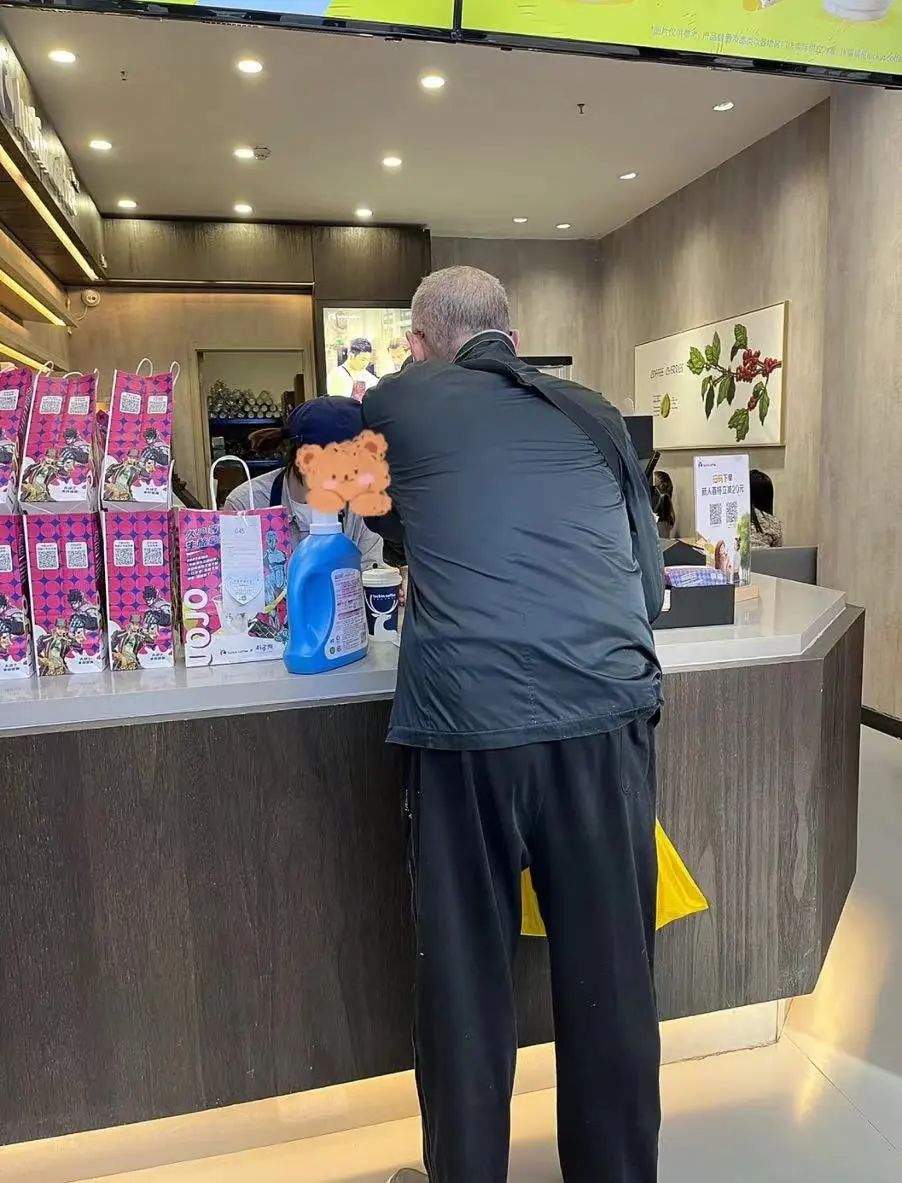
Image source: Xiaohongshu
The above content is compiled by CoffeeHunters, a coffee news website.


