Pour-Over Coffee Water Pouring Techniques | How Should Coffee Beginners Learning Pour-Over Coffee Pour Water? What Details Should Be Paid Attention to When Pouring Water in Pour-Over Coffee?
November 16, 2025
qj
Front Street store often welcomes friends who are self-learning pour-over coffee at home and want to discuss brewing-related questions with Front Street. Many friends say that although they use parameters exactly the same as those recommended by Front Street in the store, the coffee they brew always tastes inconsistent, and they do not know where the problem lies.
This kind of situation can be said to occur without exception mainly because the water flow during coffee brewing is not stable enough, so the coffee tastes good sometimes and bad sometimes.
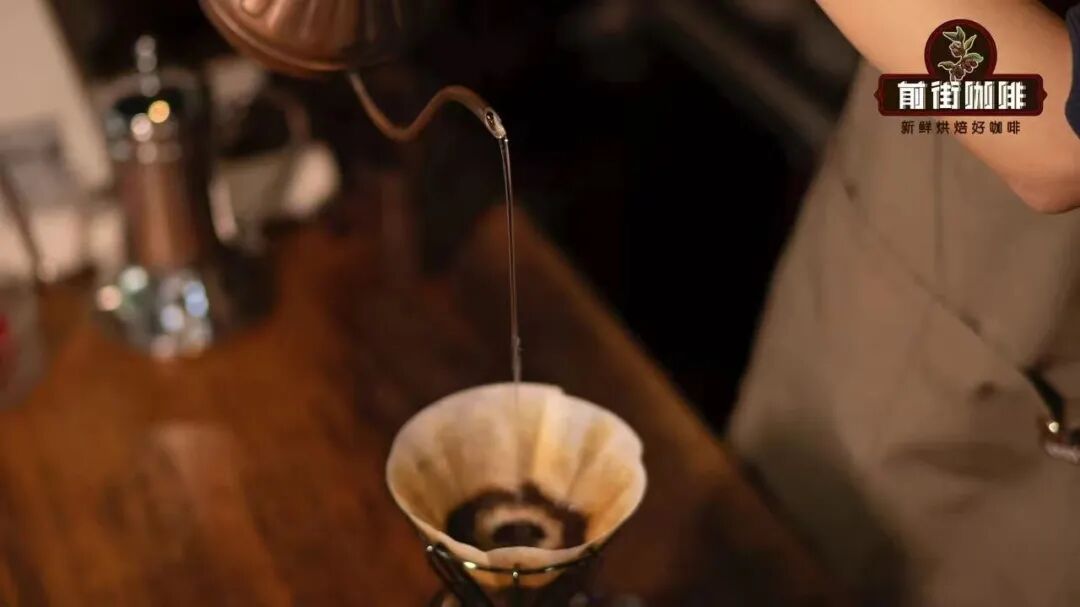
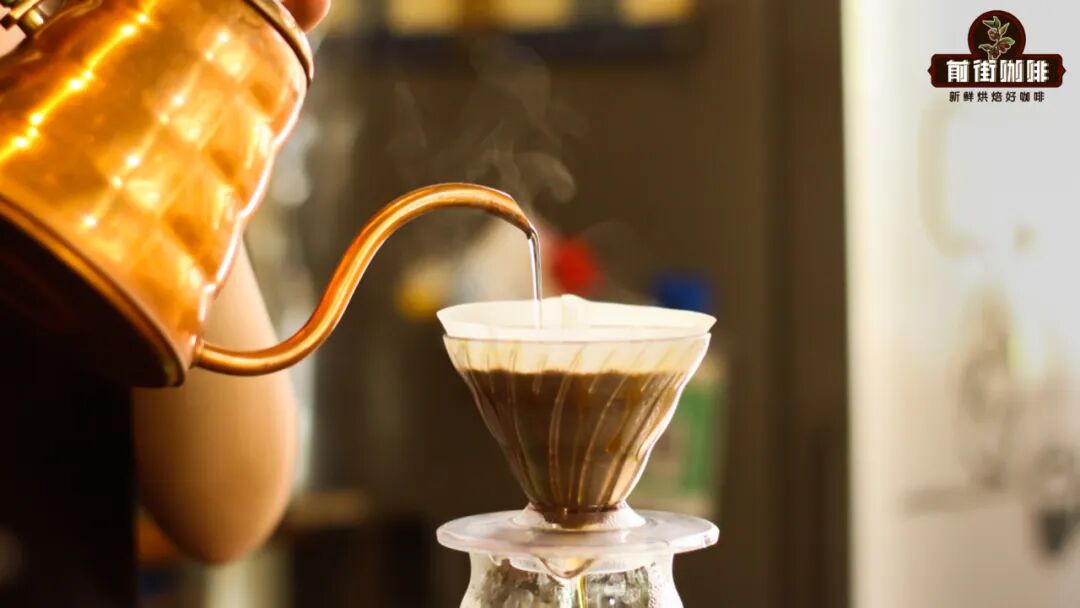
That's right! Just like the various parameters we pay attention to in order to brew delicious coffee, the pouring during brewing is also very particular. The position, path, height, and size of the water flow all directly affect coffee extraction. According to SCA experimental data, the higher the stability of the water flow, the higher the uniformity during extraction. So if we want tostablybrew a delicious cup of coffee, then in addition to controlling the various extraction parameters, we also need to control the water flow during brewing!
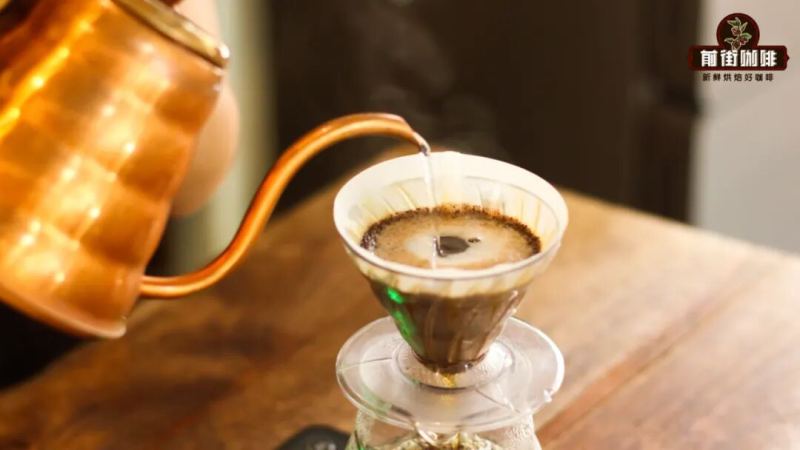
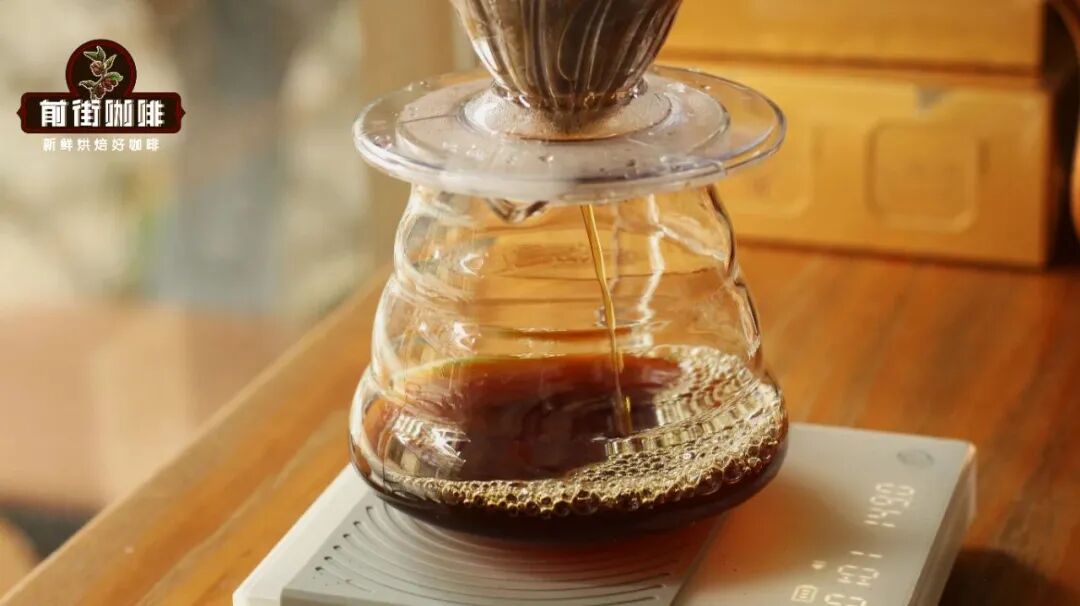
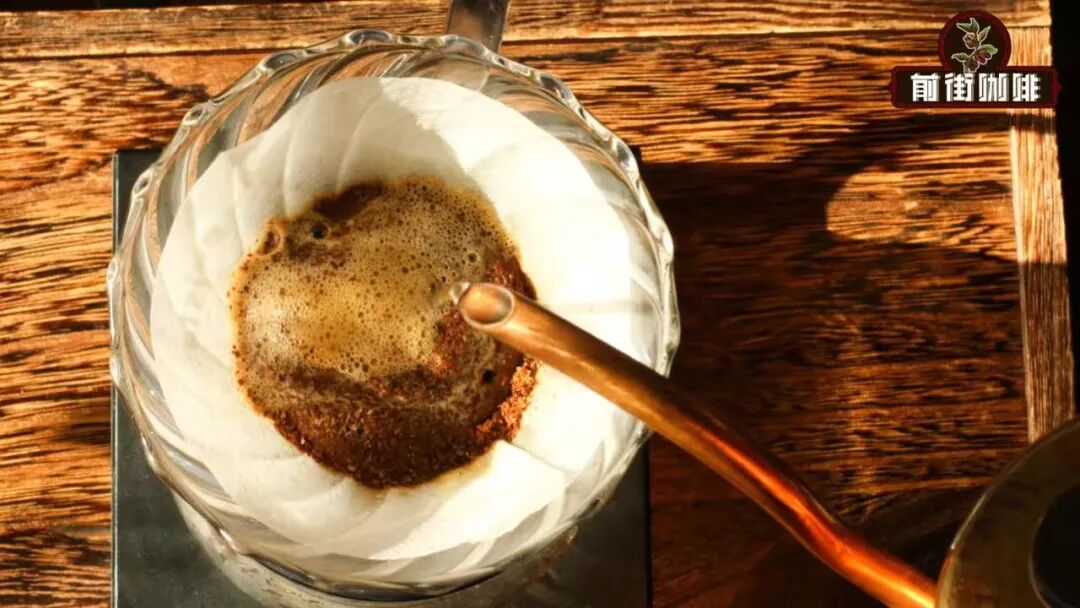
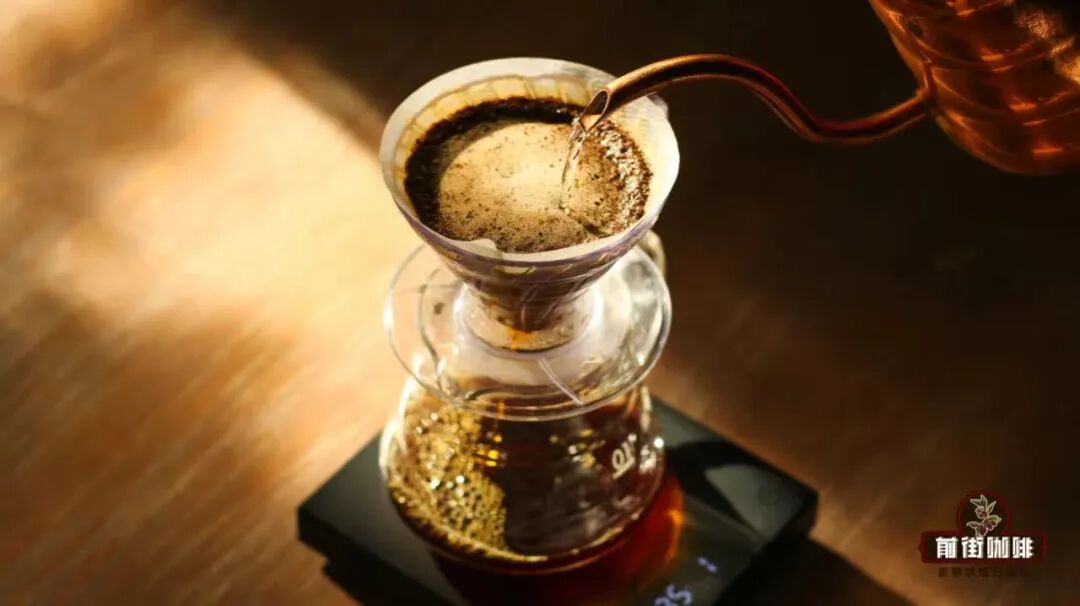
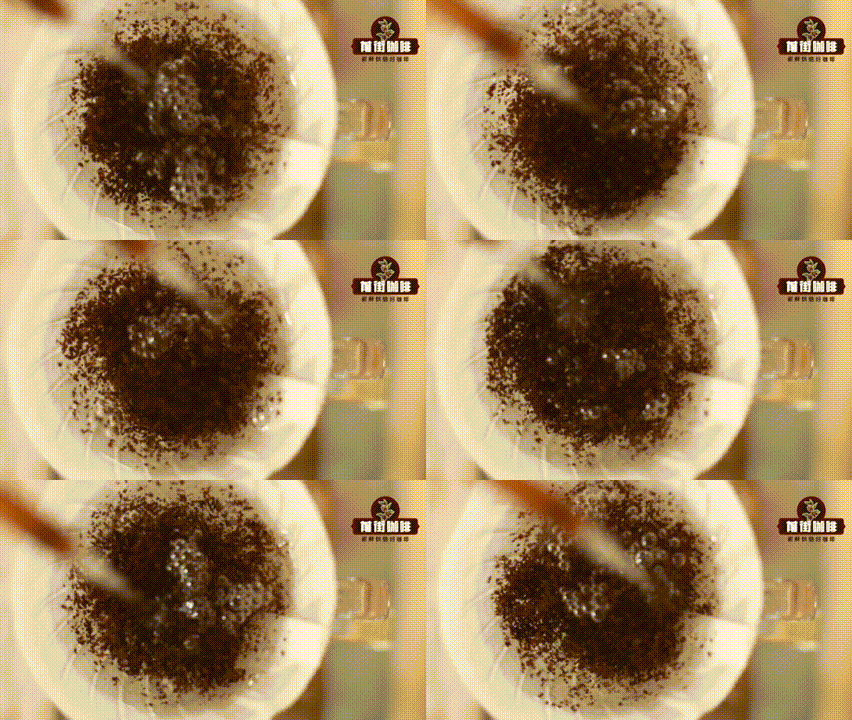
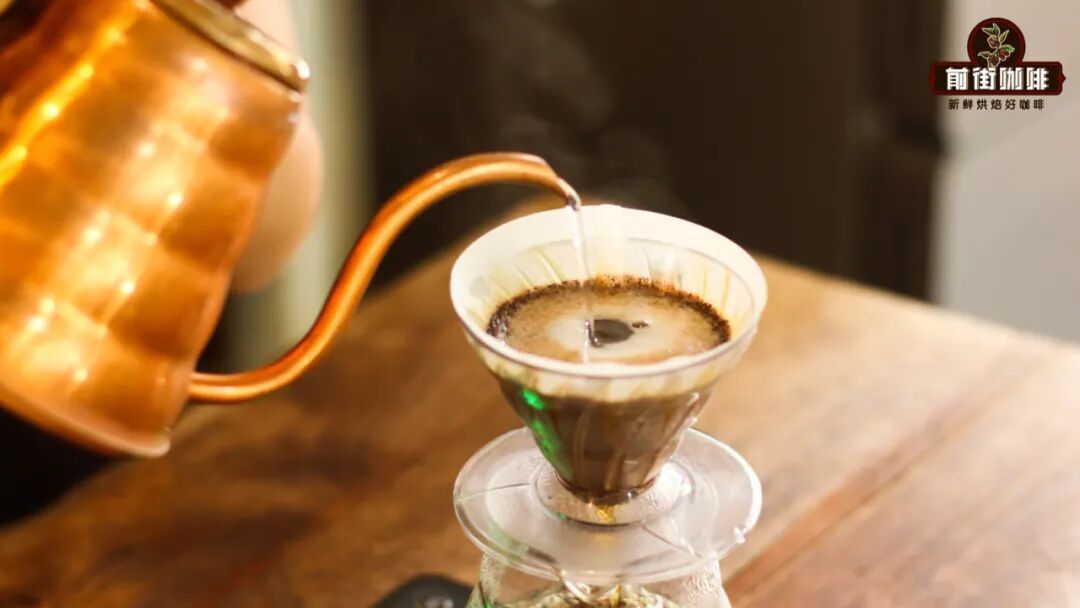
Therefore, today Front Street will share with everyone how water flow affects coffee extraction, and how we should match the water flow during brewing to stably brew a delicious cup of coffee. Key Point 1: Pouring PositionWhen beginners first start learning about pour-over coffee, we can first focus onthe pouring position, that is, the landing point of the water flow. The landing point of the water flow determines which coffee grounds the hot water can contact and how much it can contact. Taking a conical dripper such as V60 as an example, the coffee bed structure of a conical dripper is an inverted cone, so the coffee bed is thicker toward the center and thinner toward the outer edge. Naturally, hot water poured at different positions will contact different coffee grounds and amounts, and the amount of dissolved substances will also change accordingly.If we want the coffee to obtain relatively uniform and efficient extraction, then first we need to ensure that before the hot water drips out of the dripper, it can contact as many coffee grounds as possible or remain in contact with the coffee grounds throughout, rather than slipping away through the channels supported by the dripper ribs and forming bypass water. To achieve this, we only need to control the pouring range. Still taking V60 as an example, when the impact force of our water flow is not very strong, we only need to control the pouring range within two-thirds of the coffee bed. Within this range, the hot water will hardly have a chance to break through the coffee bed and form bypass water because the impact force is too high, so the coffee will have fuller extraction.(Here Front Street is just giving an example; in actual brewing, various factors still need to be considered to determine the pouring position.) Key Point 2: Pouring PathOnce we understand the pouring range, the next thing to do is to make the coffee grounds move in the dripper! The reason is simple: we want to improve extraction efficiency! Front Street has often shared the principles of coffee extraction recently, so everyone must already be quite familiar with them. To put it simply, after hot water contacts coffee grounds, the soluble substances in the coffee grounds transfer into the water with a relatively lower concentration due to the concentration gradient. As there are more and more flavor substances in the water, the concentration becomes higher and higher.When the internal and external concentrations become more and more balanced, extraction efficiency becomes lower and lower, which means the dissolution rate of flavor substances decreases. Drip-style pour-over, unlike immersion coffee, does not have enough time for full contact between water and coffee grounds. If we pour in a fixed spot without moving, then in the end we will get a cup of coffee that is not rich enough in flavor and has a very thin mouthfeel. This is because the extraction is insufficient, and there are not enough flavor substances to support the coffee's taste and mouthfeel. If everyone does not want to drink under-extracted coffee, then we need to control the pouring kettle in circles so that the water flow can stir up the coffee grounds and form turbulence, thus improving extraction efficiency, and naturally the coffee's taste and mouthfeel can become fuller.Just like the example of Banlangen granules that Front Street often gives, if we simply pour Banlangen granules into hot water and leave them alone, they will dissolve very slowly. But if we use chopsticks to stir them, they will dissolve almost completely in just a few seconds. So if we want to accelerate the dissolution of flavor substances, we can let the water flow stir up the coffee grounds like chopsticks, causing relative movement between the coffee grounds and water, which can greatly increase the dissolution rate of flavor substances. But it should be noted that Front Street is not saying fixed-point pouring is bad. The difference between fixed-point pouring and circular pouring lies in extraction efficiency, and they have their own suitable usage scenarios.According to different situations, we need to use different pouring methods,so there is no distinction of good or bad. Key Point 3: Pouring HeightIn addition to circling, there are two other factors that affect extraction efficiency. The first is the pouring height, that is, the distance between the pouring position and the liquid surface. The pouring height determines the impact force of the water flow. When the pouring height is higher, the impact force of the water flow is usually stronger. And stronger impact force can create stronger turbulence, so naturally, extraction efficiency is also higher; conversely, if the pouring height is lower, then the impact force of the water flow is smaller, the turbulence produced is smaller, and extraction efficiency is also lower. Similar to the choice between circling and fixed-point pouring, the height at which to pour during brewing specifically depends on our needs. If you want to improve extraction efficiency, you can appropriately raise the pouring height, and vice versa. But everyone needs to know that in addition to extraction efficiency, pouring height also brings three different effects!Movement of coffee grounds:Front Street mentioned earlier that when the pouring position is higher, usually the turbulence is greater. Turbulence changes the position of the coffee grounds. If the stirring amplitude is too large, it is easy for some fine particles that quickly absorb enough water to sink to the bottom of the dripper and clog the filter paper, slowing the water flow speed and prolonging the extraction time, and the coffee may risk over-extraction. Changes in water temperature:The second is the effect on temperature! In"What Water Temperature Is Best for Brewing Coffee?"this article, Front Street shared that the extraction water temperature we usually mention is not the actual extraction water temperature. The actual extraction water temperature will decrease during extraction because various factors absorb heat.For example, if the water temperature in the kettle is 92°C, the actual extraction water temperature may be only 80°C+. The various factors include pouring height. The higher the height, the more air the hot water contacts, and naturally the more heat is absorbed, and vice versa. The famousMatsuya-style brewinglowers the brewing water temperature by increasing the pouring height, allowing the coffee to obtain suitable extraction. Form of the water flow:I believe attentive friends have already noticed that Front Street did not say very definitively earlier that the higher the pouring height, the stronger the impact force of the water flow must be. This is because when the pouring height reaches a certain level, the water flow cannot maintain the form of a stream and breaks into droplets.Droplets cannot stir up the coffee grounds, so compared with the stream form, their extraction efficiency is much lower. If we do not want the above three negative effects to appear during brewing, then we need to control the pouring height well. As usual, Front Street recommends controlling the height at about the distance of one fist from the liquid surface. Key Point 4: Size of the Water FlowFinally, there is the effect of the water flow. The size of the water flow refers to the pouring speed/rate, that is, how much hot water you can pour out per second. The more hot water poured out, the relatively larger the stream/flow, and vice versa.The rate/size of the water flow brings three different effects! In addition to the impact force of the water flow mentioned by Front Street, there are also extraction time and the distribution of coffee grounds! Effect of water flow size on time:The size of the water flow affects extraction time. When the water flow used during brewing is larger, the draining speed is relatively faster, and vice versa.How water flow size affects the coffee bed:When the poured water amount is greater than the draining amount, the liquid surface is raised. So when we want to raise the coffee bed, we only need to increase the poured water flow to raise the water level and at the same time raise the coffee bed. For the specific operation and the function of raising the coffee bed, please refer to"Portal"to understand this article. Front Street will not elaborate too much here. How should you pour water for pour-over coffee?In summary, we can know thatthe position, path, height, and size of the water flow all directly affect coffee extraction. If you want to stably brew delicious coffee, then during brewing, try not to let the pouring change too greatly. For example, the water flow suddenly becoming larger or smaller, or the height rising and falling from time to time, will reduce the uniformity of coffee extraction, and the coffee will therefore become less delicious. If everyone does not know how to pour water, then you can refer to the method Front Street uses in daily brewing. In"Three-Pour Brewing Is Just This Simple"this article shares it in detail; interested friends can go read it themselves~