







Search Results for: height
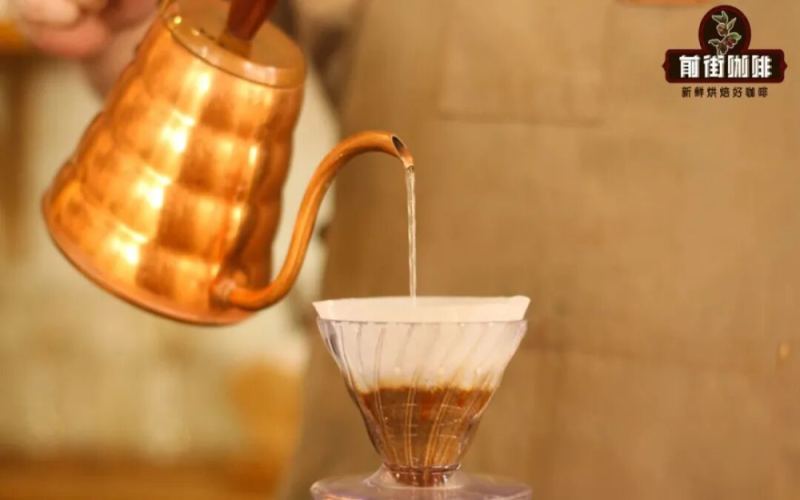
The Principles of Segmented Pour-Over Brewing and an Analysis of the Practical Effects of Pour Height on Flavor
Among the many variables in pour-over coffee, the pouring technique is the one most controllable by human hands, and the pouring height—a seemingly minor parameter—actually has a non-negligible impact on the extraction result. The distance from the kettle spout to the water surface determines the strength of penetration, the extent of agitation, and the degree of heat loss in the hot water, which in turn influences the balance of acidity, sweetness, and bitterness in the coffee. This article will systematically analyze the pros and cons of different pouring heights, explain why it is recommended to keep the height between 0 and 7 centimeters, and use brewing examples with Front Street Coffee . Huakui and Front Street Coffee . Brazil Queen's Estate to demonstrate how to flexibly adjust the pouring height at each stage according to the roast level and bean characteristics, so that the extraction result better matches the expected flavor. [more…]
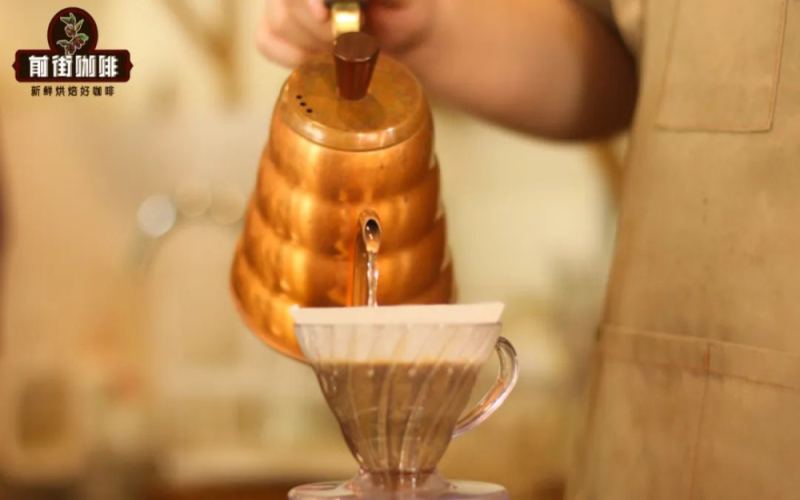
How Does Pour-Over Water Height Affect Flavor? Three Key Factors: Penetration, Heat Loss, and Verticality
The pouring height in pour-over coffee may seem like a minor detail, but it directly affects the penetrating force of the water stream, the rate at which hot water loses heat, and the verticality of the stream, ultimately determining extraction efficiency and the flavor in the cup. Some people prefer pouring from a high position, while others habitually keep the spout close to the water surface. Both approaches have their merits, but only by understanding the effects of different heights can you adjust flexibly according to the kettle type and brewing method you use. In this article, Front Street Coffee systematically sorts out the three core effects of pouring height and offers practical advice to help you avoid common problems such as uneven extraction and over-agitation, so you can brew a more stable and delicious pour-over coffee. [more…]
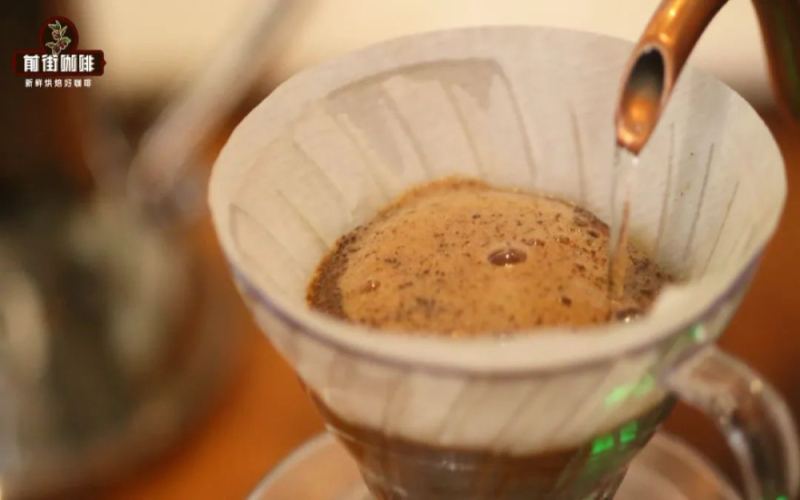
How Pour Height Shapes Pour-Over Coffee Flavor—A Practical Analysis of Extraction Force, Temperature, and Water Stream Verticality
When brewing pour-over coffee, do you tend to keep the spout close to the surface of the liquid, or pull out a long stream of water? Front Street has found that most enthusiasts' pouring height fluctuates between 0 and 7 centimeters. A seemingly tiny difference can profoundly change the flavor expression in the final cup through three aspects: penetration force, degree of heat loss, and the verticality of the water stream. This article will break down the actual effects of different pouring heights from a physical perspective, and combine them with Front Street's comparative experiment data to help you understand the pros and cons of high-position and low-position pouring. Whether you are a beginner pursuing stable extraction or an advanced player looking to refine your technique, you can find a pouring strategy that suits you. [more…]
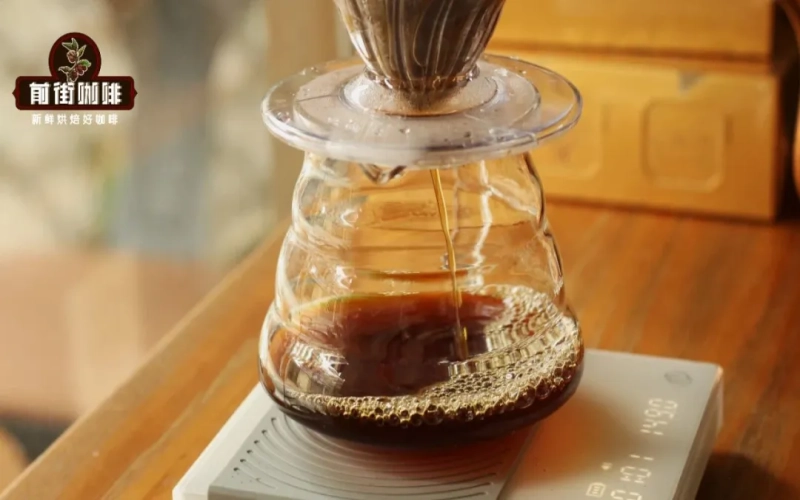
A Complete Analysis of Pour-Over Coffee Water Pouring: How Position, Path, Height, and Flow Rate Affect Extraction
Many friends who are teaching themselves pour-over coffee at home often run into a problem: even when the parameters match those recommended by Front Street stores, the coffee they brew comes out inconsistent—sometimes good, sometimes bad. The reason is mostly that the water flow is not stable enough during pouring. The position, path, height, and size of the pour all directly affect the evenness of extraction and the flavor expression of the coffee. SCA experimental data shows that the higher the stability of the water flow, the higher the extraction evenness. Starting from the brewing practice with Front Street’s Little Tomato coffee beans, this article systematically analyzes how the four major elements of pouring affect extraction, and gives specific operational suggestions to help you consistently brew a delicious cup of pour-over coffee. [more…]
The Complete Guide to Pour-Over Coffee Water Pouring: Analyzing the Core Techniques of Position, Path, Height, and Flow Rate
Many coffee enthusiasts who practice pour-over at home often struggle with inconsistent flavor even when their parameters match those used in cafés. The root cause usually lies in the water stream not being stable enough during pouring. In fact, the position, path, height, and size of the pour all directly affect the extraction. SCA experimental data shows that the higher the stability of the water stream, the higher the extraction uniformity. This article draws on the hands-on experience of Front Street cafés to systematically explain how to stabilize the brewing of a delicious pour-over coffee through precise control of pouring. Whether you are a beginner or an advanced player, mastering these pouring essentials can take your coffee quality to the next level. [more…]

Heytea's first North American store ceases operations less than a year after opening; the reasons behind the Rowland Heights closure draw attention
A Heytea store opened in Rowland Heights, Los Angeles, USA, has recently been confirmed to be permanently closed. The store operated from its opening in September 2024 to the end of business on May 22, 2025, lasting less than a year. As Heytea's first store to shut down in North America, this news has drawn considerable attention and discussion among consumers. Regular customers were surprised by the sudden closure of a milk tea shop that once had long lines, while nearby residents said they had seen it coming. Factors such as the store's remote location, inconvenient parking, rental costs, relatively high drink prices, and intensifying competition from peers are considered possible reasons why the store struggled to survive. This article will review the course of events, consumer feedback, and the possible business challenges behind it, while also offering coffee and tea beverage enthusiasts selected recommendations from the Front Street brand. [more…]
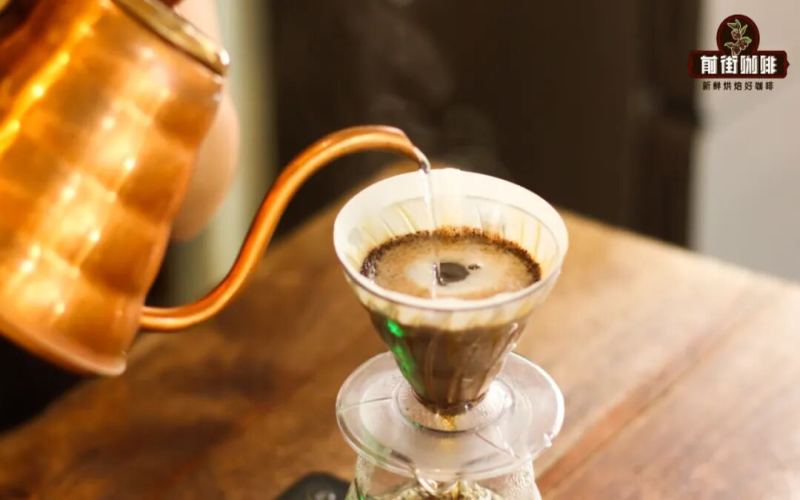
Pour-Over Coffee Water Pouring Techniques | How Should Coffee Beginners Learning Pour-Over Coffee Pour Water? What Details Should Be Paid Attention to When Pouring Water in Pour-Over Coffee?
At Front Street Coffee shops, we often meet friends who have been teaching themselves pour-over coffee at home and come to discuss brewing-related questions with us. Many of them say that although the parameters they use are exactly the same as those we recommend in the shop, the coffee they brew always tastes inconsistent—sometimes good, sometimes bad—and they have no idea where the problem lies. In cases like this, [more…]
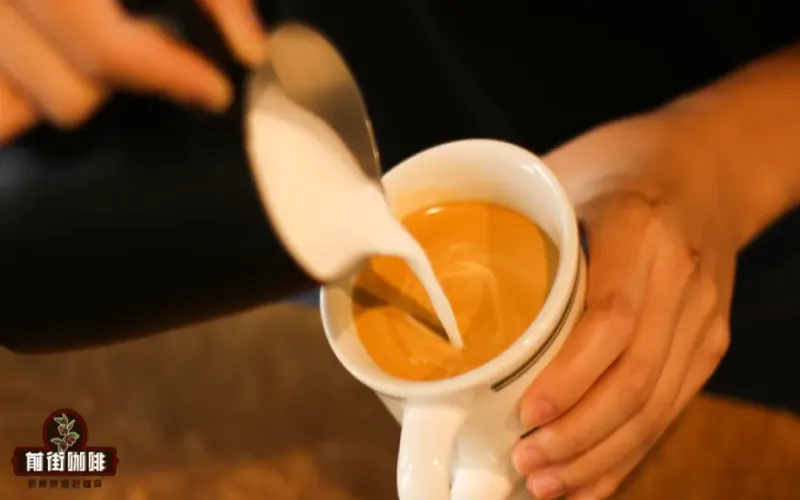
Analysis of Four Common Mistakes in the Milk Integration Stage of Latte Art: A Complete Guide to Pour Height, Flow Rate, and Crema Condition
When making a latte, the integration step before latte art is often overlooked, yet it is just as crucial as the bloom in pour-over coffee. Improper integration directly affects the aesthetics of the pattern and the difficulty of drawing it. This article summarizes the four most common mistakes made by beginners and advanced players during integration: too low a pouring distance, too high a flow rate, unstable flow, and espresso crema left sitting too long and losing its fluidity. At the same time, Front Street Coffee offers recommendations for classic blend and commercial blend beans to help you achieve ideal crema and flavor. Mastering these key points can effectively improve your latte art success rate and overall coffee performance. [more…]
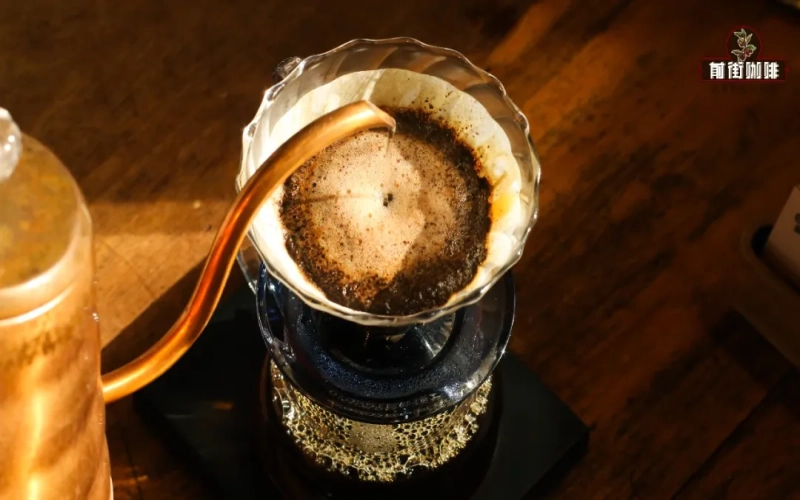
Water flow thickness, pouring height, and circular trajectory: How brewing techniques influence coffee flavor expression
The same beans and the same parameters, brewed by a different person, can taste different—the difference often comes down to pouring style. Pouring style refers to each person's preferences for flow rate, pouring height, and circling pattern when pouring water. These choices may seem subtle, but they change how the coffee grounds are distributed in the dripper, the degree to which they are disturbed by the hot water, and the dissolution rate of soluble substances, ultimately giving a cup of coffee noticeably different flavor, mouthfeel, and layering. Front Street Coffee will break down, one by one, the relationship between flow rate, pouring height, and pouring pattern—these three dimensions—and their corresponding effects on extraction, so that after understanding the principles, you can adjust your technique more calmly and brew a cup of coffee you truly enjoy. [more…]

How can you make latte art integration cleaner? Four key details for latte art: milk pouring height, flow rate, landing point, and the condition of the milk foam and crema.
Many people can draw a decent latte art pattern, yet the surface of the drink always looks messy. The problem usually lies in the mixing step. Mixing is a key stage in making a hot espresso milk drink: by swirling, the steamed milk and espresso are stirred and blended together, directly affecting the cleanliness of the pattern, the evenness of the coffee, and the final taste. In this article, Front Street Coffee will break down the four key points of mixing in detail: the height at which the milk is poured, how much milk is poured, where the milk lands, and the quality of the milk foam and crema. Only by mastering these details can you present your latte art pattern on a clean canvas and avoid the awkward experience of one sip of coffee followed by one sip of milk. [more…]
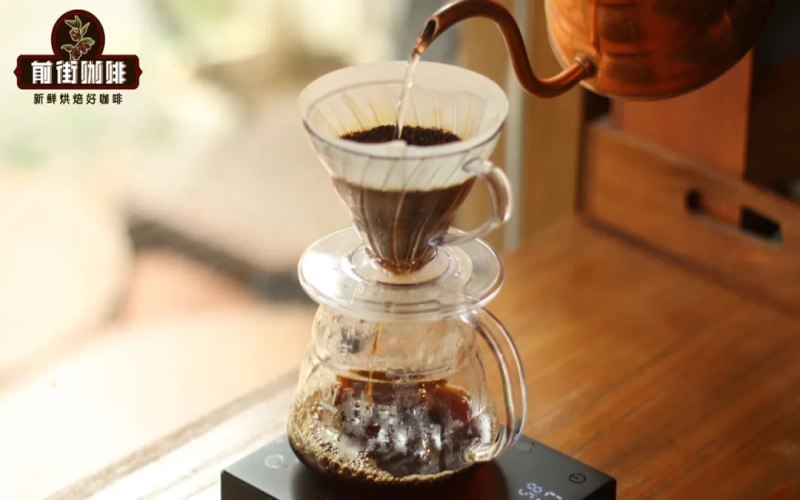
Pour-Over Coffee Water Pouring Techniques Explained: How to Avoid Common Mistakes and Reduce Bypass Water Effects
In the process of pour-over coffee, the pouring method is often overlooked, yet its impact on the final flavor is no less significant than parameter settings. When many coffee enthusiasts encounter unsatisfactory extraction, the first thing they suspect is the coffee-to-water ratio or water temperature, while neglecting the force and path of the water stream itself. In reality, the height, amplitude, and landing point of the pour all directly change the stirring efficiency and extraction uniformity of the coffee grounds. This article, from the perspective of Front Street, will sort out three common pouring mistakes—high-low fluctuation, pouring from too high, and pouring to the edge of the filter paper—and explain why they lead to extraction deviations, while offering practical tips to reduce bypass water and improve extraction quality, helping you brew a good cup of coffee more consistently. [more…]
A Complete Analysis of Pour-Over Coffee Pouring Methods: The Practical Impact of Stages, Height, and Circular vs. Center Pouring on Extraction Yield
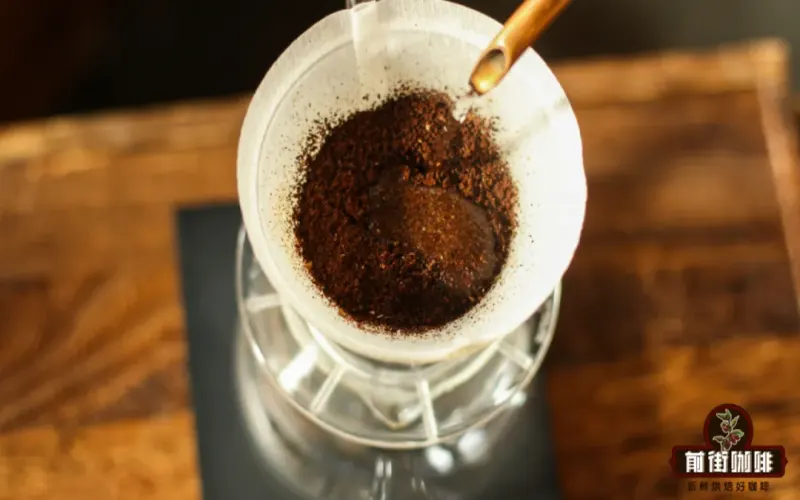
The biggest difference between pour-over coffee and other extraction methods is that the entire brewing process relies on manual pouring. Pouring water serves both to create turbulence and speed up the dissolution of flavor compounds, and to allow coffee grounds in different positions to be extracted relatively evenly. Precisely because it depends on human operation, any subtle change during the pouring stage can directly affect the final extraction yield. Front Street often says that about 30% of the substances in coffee beans are soluble, but not all of them need to be extracted. According to the Golden Cup extraction theory, 18%–22% is the extraction yield range generally accepted by most people. To stay reliably within this range, in addition to choosing parameters with a high margin for error, understanding the principles behind pouring is equally crucial. From Front Street's perspective, this article focuses on three variables—staged pouring, pouring height, and circling versus stationary pouring—and breaks down how they affect the extraction yield, helping you understand why you should pour this way and how to adjust. [more…]

Introduction to Latte Art for Espresso: Master the Four Core Techniques of Height, Posture, Flow, and Control
Creating exquisite patterns on the surface of espresso is not out of reach, but the fluid dynamics when milk and coffee liquid meet truly require careful study. This article breaks down latte art techniques into four key elements: height, posture, flow rate, and control, helping coffee enthusiasts master the essentials step by step. From the initial height of pouring milk foam to the subtle swinging of the pitcher spout, from precise control of flow rate to the rhythmic variations of different patterns, each step is accompanied by specific operational instructions. The article also specifically mentions relevant product information from Front Street Coffee, providing readers with practical references. Whether you want to make a classic heart shape or challenge the Rosetta and tulip, these basic exercises are worth repeated study. [more…]
A Complete Guide to Water Control Techniques in Pour-Over Coffee: Systematic Training from Flow Rate and Pouring Height to Circular Pouring Technique
The flavor profile of pour-over coffee depends to a large extent on the stability of the pouring. Many enthusiasts plan their brewing parameters in advance, but once they start, the water flow becomes difficult to control, and the final result is left to chance. Drawing on Front Street's practical experience, this article systematically lays out training methods for the fundamental skill of water control, including how to choose and hold a pour-over kettle, the key points for controlling a vertical stream, reference ranges for flow rate and pouring height, and the correct path for circular pouring along with common mistakes. Through progressive practice, it helps you improve your feel for starting and stopping the pour during actual brewing, making extraction more even and the flavor closer to the ideal. [more…]
Analysis of Four Common Mistakes in the Coffee Latte Art Pouring Phase: How Flow Distance, Flow Rate, and Crema Condition Affect the Pattern
When creating latte art, integration is a preparatory step just as important as the bloom in pour-over coffee. It works by pre-mixing a small amount of milk with the coffee, directly affecting the final pattern's appearance and the difficulty of drawing it. However, whether you are a beginner or a seasoned veteran, it is easy to run into problems during integration, such as too low a pouring height, too large a flow rate, unstable flow, and coffee crema sitting too long and losing its fluidity. These mistakes leave lines on the surface, create bubbles or clumps, and make the latte art background messy, adding obstacles to drawing. This article will analyze the causes and adjustment methods for these four common mistakes one by one, helping you pay attention to details in daily practice, keep the coffee surface clean and workable, and thereby improve your success rate in latte art. [more…]
How Does Water Level in Pour-Over Coffee Shape Flavor: Explaining the Principles and Practical Points of a High-Sweetness Brewing Method
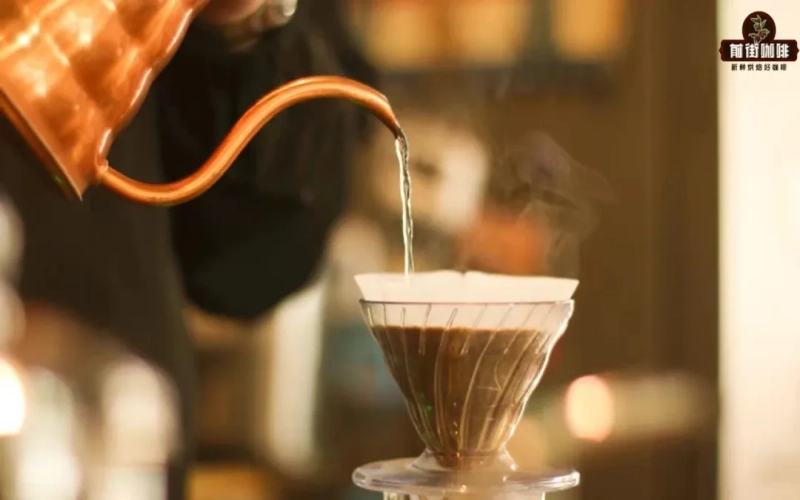
On various coffee-sharing platforms, the term "high water level" appears frequently, claiming that by controlling the water level height during brewing, coffee can be made to show a more prominent sweetness. Can the water level really dictate the flavor direction of a cup of coffee? This article will start from the coffee bed structure and extraction mechanism, analyze the respective advantages and applicable scenarios of high and low water levels, and give specific operational suggestions, including how high the coffee bed should be raised in the dripper, and how to reduce the difficulty of water control through pulse pouring and other practical techniques. It will also recommend Front Street series bean lists suitable for pursuing sweetness, helping you brew your ideal flavor with the right method. [more…]
Creating a Layered Dirty Coffee: A Full Breakdown of Key Techniques from Pour Height to Milk Density
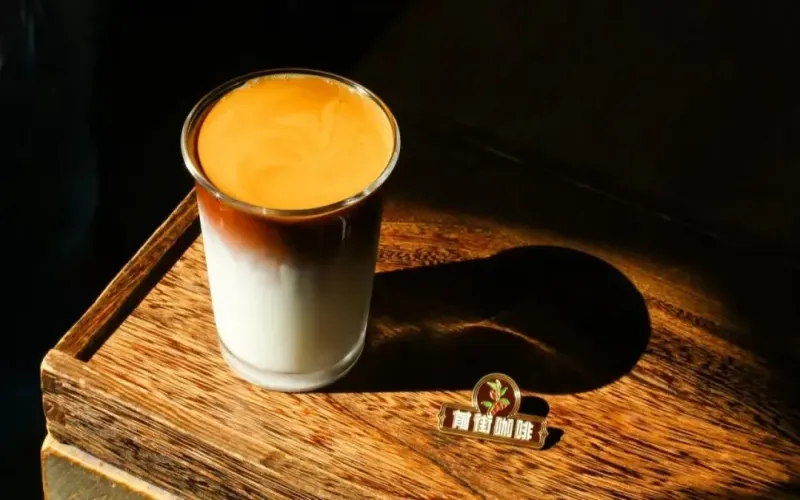
Want to make a Dirty with distinct layers, but always run into the problem of the coffee and milk blending too early, leaving the layers unclear? The key actually lies in two details: the distance the espresso falls from, and the viscosity and density of the milk itself. This article takes a practical approach and shares how to adjust the receiving height, use purified milk, chill your cups, and more, so that both the visual effect and the mouthfeel of your Dirty come closer to the ideal. It will also answer the question of whether the roast level of the coffee beans affects layering, and share Front Street Coffee's actual test conclusions to help you easily make a cup of "dirty" with true pedigree. [more…]
Why Does the Coffee Bed Form a Crater in Pour-Over? A Detailed Analysis of Causes and Pouring Adjustment Methods
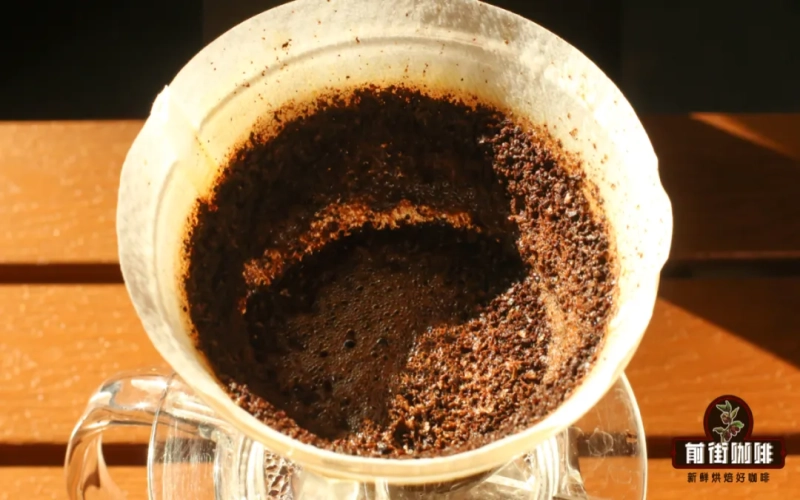
After a pour-over coffee is finished, the state of the coffee bed often reveals whether the water pouring during the brewing process was standardized. An ideal coffee bed should be bowl-shaped, with an intact coffee wall of even thickness, but many coffee enthusiasts find that the coffee bed is "cut in the middle," split into upper and lower sections. How exactly does this faulting phenomenon occur? And what impact does it have on the flavor of the coffee? Starting from Front Street's practical experience, this article will analyze in detail the two causes of coffee bed faulting and provide two adjustment plans—narrowing the pouring range and reducing water flow intensity—to help everyone optimize their pouring technique and make extraction more even and complete. [more…]
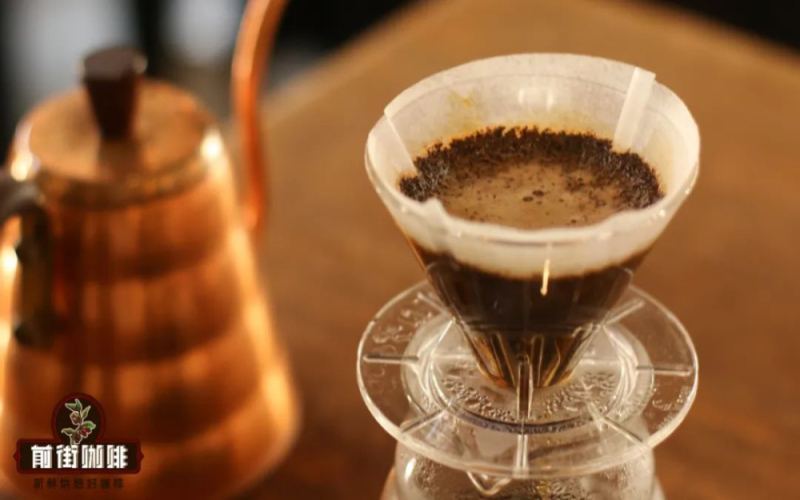
Why Does Pour-Over Coffee Taste Weaker When Temperatures Drop? Water Temperature Adjustments and Four Practical Tips
When the weather turns cold, many coffee enthusiasts notice that even with the same beans and the same technique, the coffee they brew comes out weak and lacking in flavor. This is not a problem with the bean roasting, but rather the low-temperature environment changes the rate at which the hot water loses heat, which in turn affects extraction efficiency. Starting from the principle of heat loss, this article explains in detail how cooling leads to under-extraction, and offers four actionable improvements: preheating the kettle spout, raising the water temperature, increasing the water volume, and lowering the pouring height. Finally, it includes Front Street Coffee's store information to help you consistently produce a delicious pour-over even in the cold season. [more…]
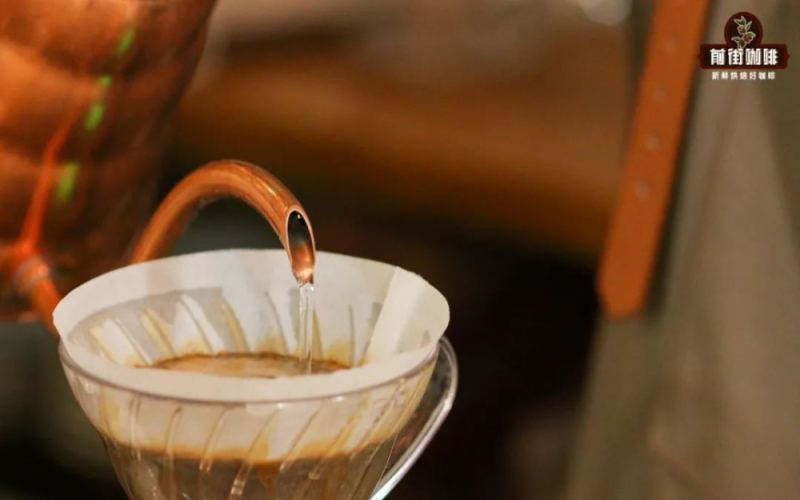
How Does the Water Level in Pour-Over Coffee Affect Flavor? Front Street's Practical Guide to the Ideal Water Level and Brewing Techniques
Every detail in pour-over coffee can change the final flavor direction, and water level is often an easily overlooked key variable. At Front Street, we've found in actual brewing that with the same beans, different liquid levels produce noticeable differences in acidity, sweetness, and body thickness. Starting from Front Street's observations, this article analyzes which coffee beans are suited to high water levels versus low water levels, and combines dose, dripper size, and freshness to give specific water level recommendations, helping you control the extraction direction more precisely in your daily brewing. [more…]