







Search Results for: water level height
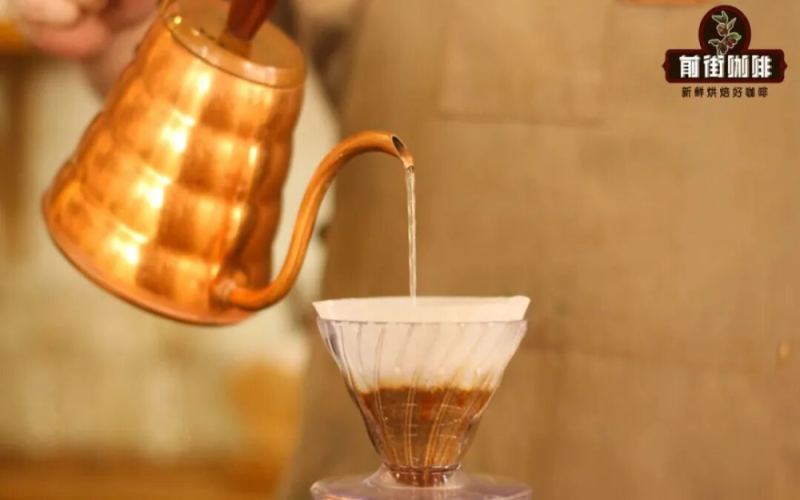
The Principles of Segmented Pour-Over Brewing and an Analysis of the Practical Effects of Pour Height on Flavor
Among the many variables in pour-over coffee, the pouring technique is the one most controllable by human hands, and the pouring height—a seemingly minor parameter—actually has a non-negligible impact on the extraction result. The distance from the kettle spout to the water surface determines the strength of penetration, the extent of agitation, and the degree of heat loss in the hot water, which in turn influences the balance of acidity, sweetness, and bitterness in the coffee. This article will systematically analyze the pros and cons of different pouring heights, explain why it is recommended to keep the height between 0 and 7 centimeters, and use brewing examples with Front Street Coffee . Huakui and Front Street Coffee . Brazil Queen's Estate to demonstrate how to flexibly adjust the pouring height at each stage according to the roast level and bean characteristics, so that the extraction result better matches the expected flavor. [more…]
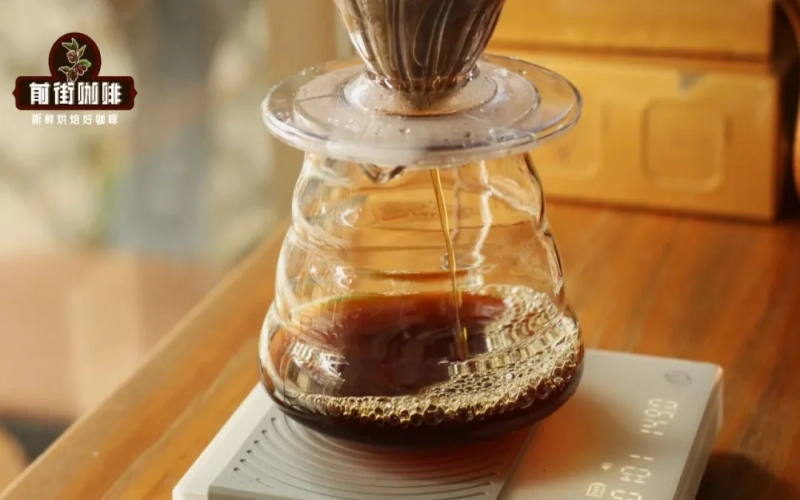
The Complete Guide to Pour-Over Coffee Water Pouring: Analyzing the Core Techniques of Position, Path, Height, and Flow Rate
Many coffee enthusiasts who practice pour-over at home often struggle with inconsistent flavor even when their parameters match those used in cafés. The root cause usually lies in the water stream not being stable enough during pouring. In fact, the position, path, height, and size of the pour all directly affect the extraction. SCA experimental data shows that the higher the stability of the water stream, the higher the extraction uniformity. This article draws on the hands-on experience of Front Street cafés to systematically explain how to stabilize the brewing of a delicious pour-over coffee through precise control of pouring. Whether you are a beginner or an advanced player, mastering these pouring essentials can take your coffee quality to the next level. [more…]
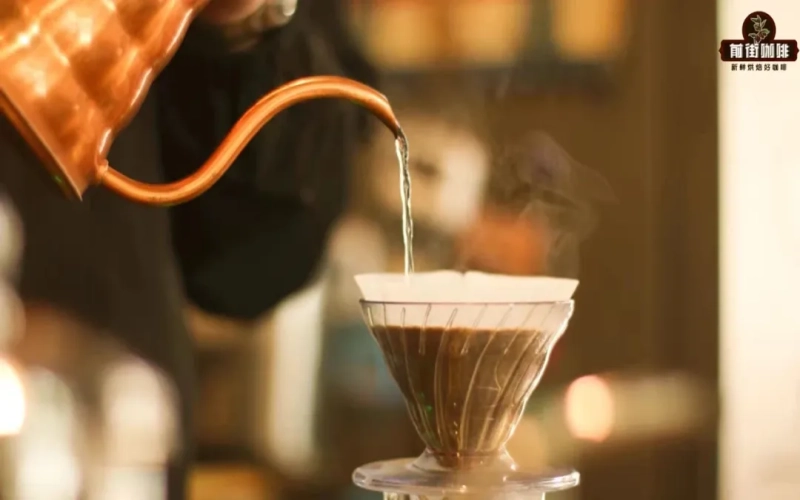
How Does Water Level in Pour-Over Coffee Shape Flavor: Explaining the Principles and Practical Points of a High-Sweetness Brewing Method
On various coffee-sharing platforms, the term "high water level" appears frequently, claiming that by controlling the water level height during brewing, coffee can be made to show a more prominent sweetness. Can the water level really dictate the flavor direction of a cup of coffee? This article will start from the coffee bed structure and extraction mechanism, analyze the respective advantages and applicable scenarios of high and low water levels, and give specific operational suggestions, including how high the coffee bed should be raised in the dripper, and how to reduce the difficulty of water control through pulse pouring and other practical techniques. It will also recommend Front Street series bean lists suitable for pursuing sweetness, helping you brew your ideal flavor with the right method. [more…]
A Complete Analysis of Pour-Over Coffee Water Pouring: How Position, Path, Height, and Flow Rate Affect Extraction
Many friends who are teaching themselves pour-over coffee at home often run into a problem: even when the parameters match those recommended by Front Street stores, the coffee they brew comes out inconsistent—sometimes good, sometimes bad. The reason is mostly that the water flow is not stable enough during pouring. The position, path, height, and size of the pour all directly affect the evenness of extraction and the flavor expression of the coffee. SCA experimental data shows that the higher the stability of the water flow, the higher the extraction evenness. Starting from the brewing practice with Front Street’s Little Tomato coffee beans, this article systematically analyzes how the four major elements of pouring affect extraction, and gives specific operational suggestions to help you consistently brew a delicious cup of pour-over coffee. [more…]
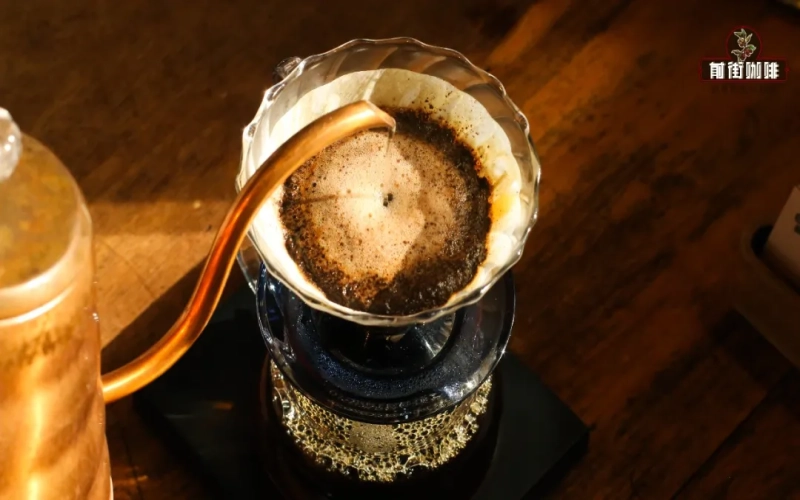
Water flow thickness, pouring height, and circular trajectory: How brewing techniques influence coffee flavor expression
The same beans and the same parameters, brewed by a different person, can taste different—the difference often comes down to pouring style. Pouring style refers to each person's preferences for flow rate, pouring height, and circling pattern when pouring water. These choices may seem subtle, but they change how the coffee grounds are distributed in the dripper, the degree to which they are disturbed by the hot water, and the dissolution rate of soluble substances, ultimately giving a cup of coffee noticeably different flavor, mouthfeel, and layering. Front Street Coffee will break down, one by one, the relationship between flow rate, pouring height, and pouring pattern—these three dimensions—and their corresponding effects on extraction, so that after understanding the principles, you can adjust your technique more calmly and brew a cup of coffee you truly enjoy. [more…]
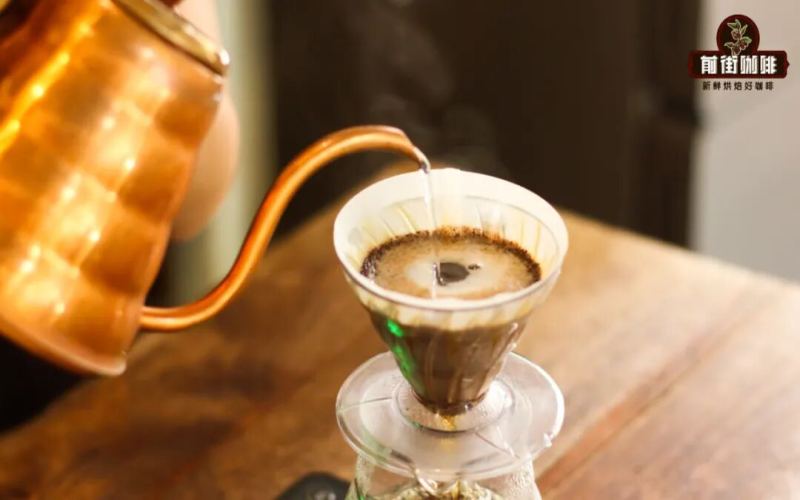
Pour-Over Coffee Water Pouring Techniques | How Should Coffee Beginners Learning Pour-Over Coffee Pour Water? What Details Should Be Paid Attention to When Pouring Water in Pour-Over Coffee?
At Front Street Coffee shops, we often meet friends who have been teaching themselves pour-over coffee at home and come to discuss brewing-related questions with us. Many of them say that although the parameters they use are exactly the same as those we recommend in the shop, the coffee they brew always tastes inconsistent—sometimes good, sometimes bad—and they have no idea where the problem lies. In cases like this, [more…]
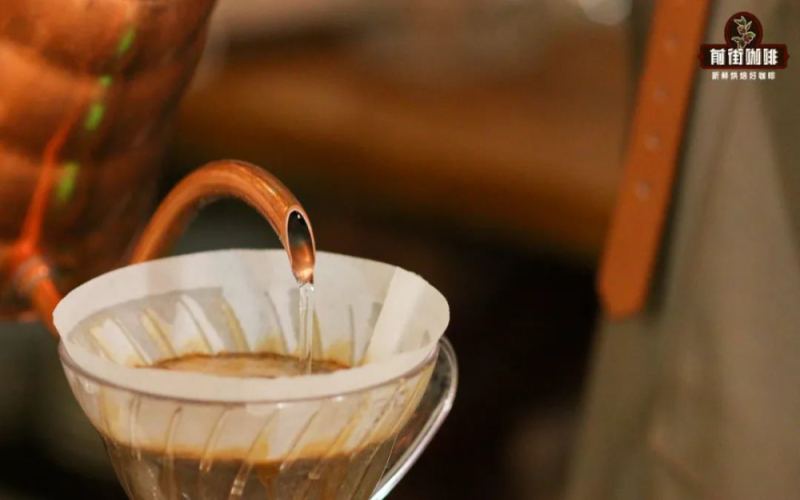
How Does the Water Level in Pour-Over Coffee Affect Flavor? Front Street's Practical Guide to the Ideal Water Level and Brewing Techniques
Every detail in pour-over coffee can change the final flavor direction, and water level is often an easily overlooked key variable. At Front Street, we've found in actual brewing that with the same beans, different liquid levels produce noticeable differences in acidity, sweetness, and body thickness. Starting from Front Street's observations, this article analyzes which coffee beans are suited to high water levels versus low water levels, and combines dose, dripper size, and freshness to give specific water level recommendations, helping you control the extraction direction more precisely in your daily brewing. [more…]
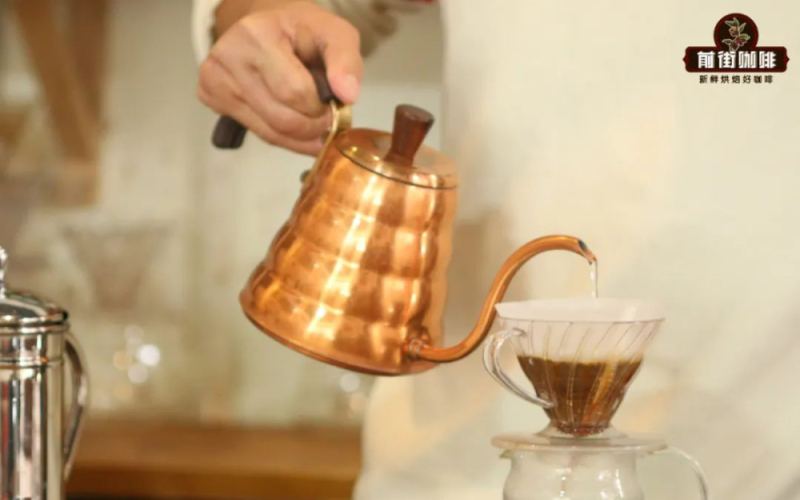
How to Master the Timing of Pulsed Pouring in Pour-Over Coffee? A Detailed Guide to the Water Volume and Time Nodes of the Three-Pour Method
Segmented pouring is a common yet difficult-to-master method in pour-over coffee, with the challenge lying in judging when to stop pouring and when to pour again. This article uses Front Street Coffee's three-stage brewing as an example to explain in detail the techniques for judging pouring checkpoints. The article points out that you should not wait for the water to finish flowing before pouring again; subsequent pours should bring the coffee bed height to exactly the same level as the previous stage to ensure even extraction. Using 15g of coffee grounds as an example, the first stage is blooming, pouring 30ml of water and waiting 30 seconds; the second stage pours water to 1/2 of the short rib, with a reference water amount of 120ml, taking about 55 seconds to 1 minute; the third stage involves observing the water level dropping, and when it falls to 1/2 between the coffee bed and the filter wall, pour 90ml, with a reference time of 1 minute 10 seconds to 1 minute 15 seconds; pouring ends at about 1 minute 30 seconds to 1 minute 35 seconds, and the coffee liquid finishes flowing at about 2 minutes to 2 minutes 10 seconds. The logic for four-stage pouring is the same. [more…]

How to Choose the Water Temperature for Pour-Over Coffee? A Full Analysis of Suitable Temperatures for Light and Dark Roasts and Insulation Details
When brewing pour-over coffee, even if the water quality, technique, and timing are all normal, under-extraction can still occur, and the problem often lies with the water temperature. Beans of different roast levels have different water temperature requirements: light-roasted beans are dense and need higher water temperatures, while dark-roasted beans have a loose structure and are better suited to lower water temperatures. Front Street Coffee typically uses 91~93°C for light-roasted beans and 86~89°C for dark-roasted beans, making fine adjustments based on the condition of the beans and the grind size. In addition, details such as the pouring height and whether the kettle spout and dripper are preheated can also affect the actual water temperature, thereby changing the extraction effect. This article will analyze the logic of water temperature selection in detail and share how to maximize the efficiency of hot water through operations such as preheating, making the coffee flavor more pleasant. [more…]
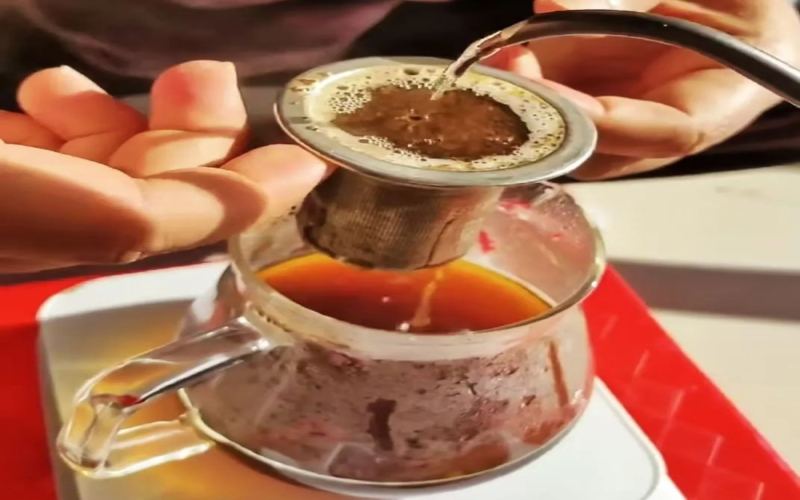
What to Do If You Don't Have a Digital Scale for Pour-Over Coffee? Visual Estimation Tips and Pulsed Pouring Plans for 15g of Grounds
The consistent output of pour-over coffee is inseparable from the precise measurement of an electronic scale, but if you run into the predicament of a broken scale, a dead battery, or simply no alternative tool to be found, does that mean you have to give up on a good cup of coffee? Starting from the two core variables of coffee dose and water volume, this article shares Front Street Coffee's hands-on experience: how to judge 15g or 20g of ground coffee by visually estimating the height of the coffee bed, how to use the dripper's markings as a reference under different roast levels, how to choose a coffee-to-water ratio between 1:14 and 1:16, and a three-stage blind brewing process that requires no scale. Even without equipment, mastering these techniques can still brew a qualified pour-over of about 210ml. [more…]
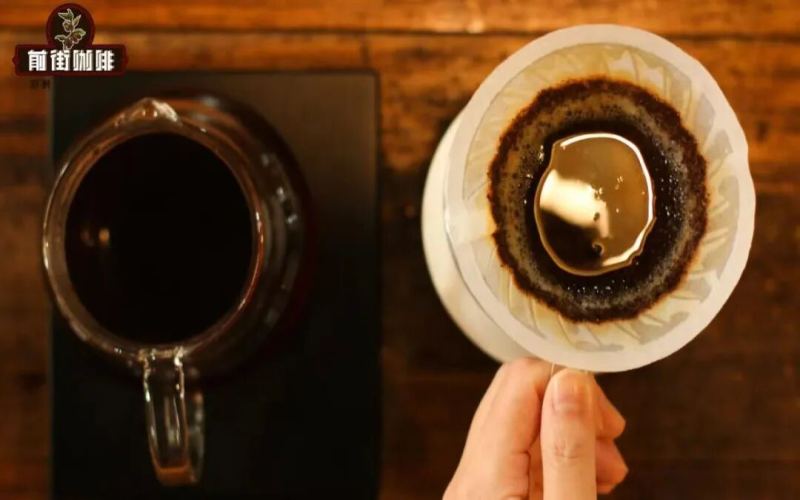
Pour-over coffee tutorial | What common pitfalls do coffee beginners easily fall into when self-learning pour-over coffee? How can coffee novices avoid mistakes in pour-over coffee brewing?
With its extremely high fault tolerance and outstanding flavor performance, pour-over coffee has become one of the top extraction methods after the rise of specialty coffee. At the same time, because it is simple to operate and has a low barrier to entry, many friends have bought their own pour-over equipment and started teaching themselves how to make pour-over coffee at home. Logically speaking, self-learning pour-over coffee [more…]
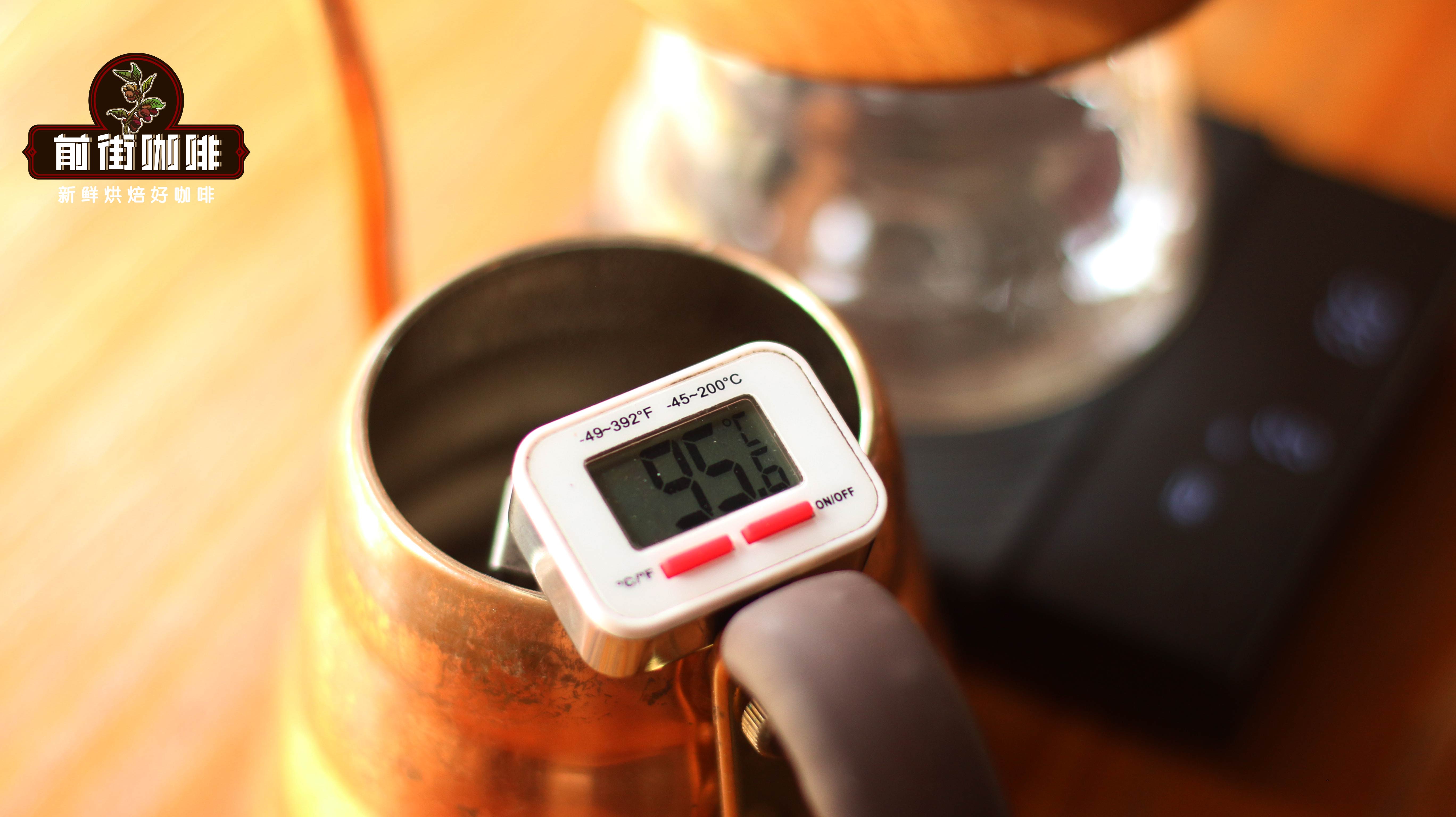
How Should You Set the Water Temperature for Pour-Over Coffee? An Analysis of the Relationship Between Brewing Temperature and the Actual Extraction Temperature in the Coffee Bed
What temperature should the water be for pour-over coffee? Mainstream recommendations fall between 86°C and 93°C; lightly roasted beans suit higher temperatures, while darkly roasted beans suit lower ones. But the water temperature in the brewing kettle and the actual extraction temperature that comes into contact with the coffee grounds are not the same thing. Through measured data, this article shows how the temperature inside the coffee bed changes starting from initial temperatures of 90°C and 93°C, and how raising the pouring height affects the actual extraction temperature. At the same time, drawing on Front Street Coffee's brewing parameters for beans of different roast levels, it helps coffee enthusiasts understand and apply water temperature more accurately in their daily brewing. [more…]
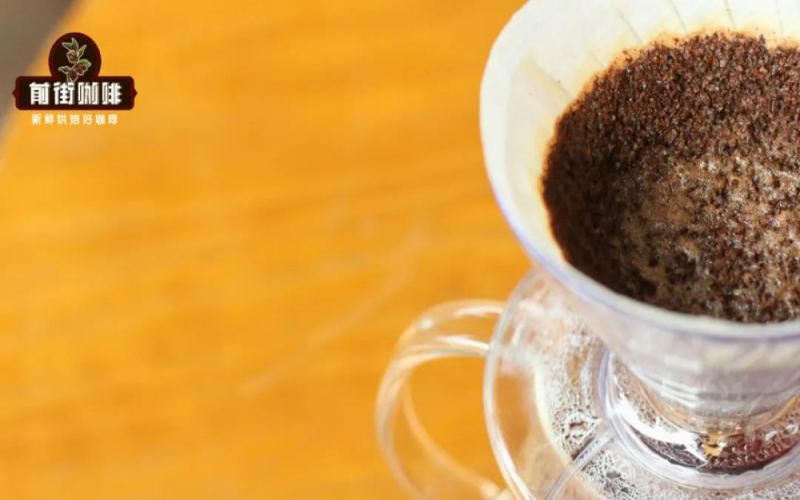
Why Does the Pour-Over Coffee Bed Crack into Two Segments? An Analysis of How Pouring Force and Spiral Pouring Technique Affect Extraction Uniformity
The shape of the coffee bed after a pour-over often reveals whether the pouring technique was appropriate. Some beginners find that after brewing, the coffee wall breaks into two sections, with a thin ring of coffee grounds in the middle dotted with small bubbles, some grounds sinking to the bottom, and the coffee tasting less than ideal. This usually happens because the water flow was too forceful during the final pour, breaking through the coffee wall built up earlier, so hot water runs straight down along the filter paper's ribs, creating channeling and causing uneven extraction. In addition, too wide a pouring circle can also let the water level rise above the coffee wall, leading to under-extraction and bitterness. This article will analyze the causes of these two types of coffee beds and, drawing on Front Street Coffee's usual three-stage method, explain how to master the basics of flow control by managing pouring height and circle size, so that the coffee grounds release their flavors evenly. [more…]
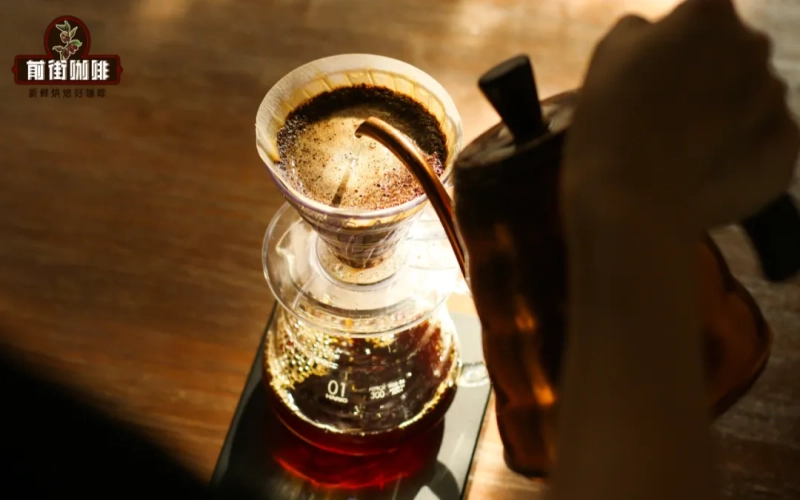
Pour-over coffee bed shape and brewing assessment: What do the bloom dome, bed height, foam color, and drawdown speed reveal?
When brewing pour-over coffee, the filter cup actually holds quite a few clues. The size of the dome that the coffee bed puffs up into during the blooming stage, and how well it retains water, can reflect the freshness of the coffee beans and the depth of the roast; whether the coffee bed can be lifted indicates the density of the coffee grounds; the color change of the foam on the surface can help us track the pouring path; and the speed of the drawdown is related to the coarseness of the grind, the density of the coffee bed, and fine particle clogging. As for the deep coffee bed pit that many beginners obsess over, it does not directly equate to a better-tasting cup; it is more just a reflection of the pouring method. In this article, Front Street will break down these readable pieces of information one by one during the brewing process, to help you have a few more bases for judgment when adjusting parameters. [more…]
Advanced Pour-Over Coffee Guide: Water Distribution and Technique Details, with Three Front Street Single-Origin Beans for Practice
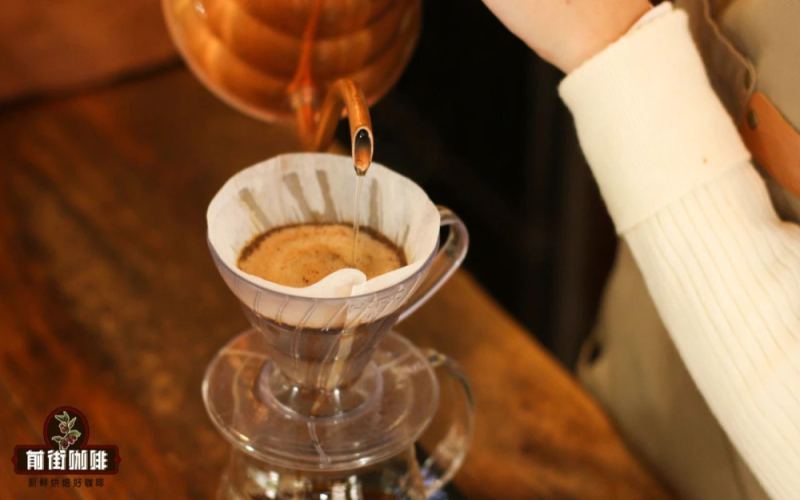
Front Street Coffee has previously discussed many factors that influence coffee flavor, starting from five objective conditions: coffee dose, coffee-to-water ratio, water temperature, grind size, and brewing device. This time, however, we turn our attention to an easily overlooked subjective variable—your hand, that is, the pouring method during brewing. This article will break down two major areas: water volume distribution and pouring technique. First, it compares the extraction differences between a single-pour and a three-pour method, then analyzes item by item how blooming, circling speed, pouring height, flow rate, and circling range affect the direction of the flavor. At the end, Front Street Coffee has also selected three single-origin beans with high regional distinctiveness for reference in daily brewing practice. [more…]
Master the Four Key Pour-Over Essentials: From Pouring Strategy to Circular Pouring Details, with a Practical Guide to Three Front Street Coffee Single-Origin Beans
In the flavor differences of pour-over coffee, besides the five major objective variables—dose, brew ratio, water temperature, grind size, and equipment—the brewer's own technique is equally decisive. This article focuses on two dimensions: the distribution of poured water and pouring technique, breaking down the logic of choosing between a single-pour and a three-pour method, the advanced principles of bloom water volume and time, and the specific effects of circling speed, pouring height, flow rate, and circling range on the flavor in the cup. At the end, it includes brewing recipes for three distinctive single-origin beans—Front Street Coffee washed Yirgacheffe, Costa Rica Tarrazu, and Indonesia Lintong Mandheling—to help coffee enthusiasts build a stable brewing feel through practice. [more…]
What to Do When Drip Bag Coffee Flavor Is Unbalanced? Start with Cup Capacity and Shape to Find the Extraction Balance Point
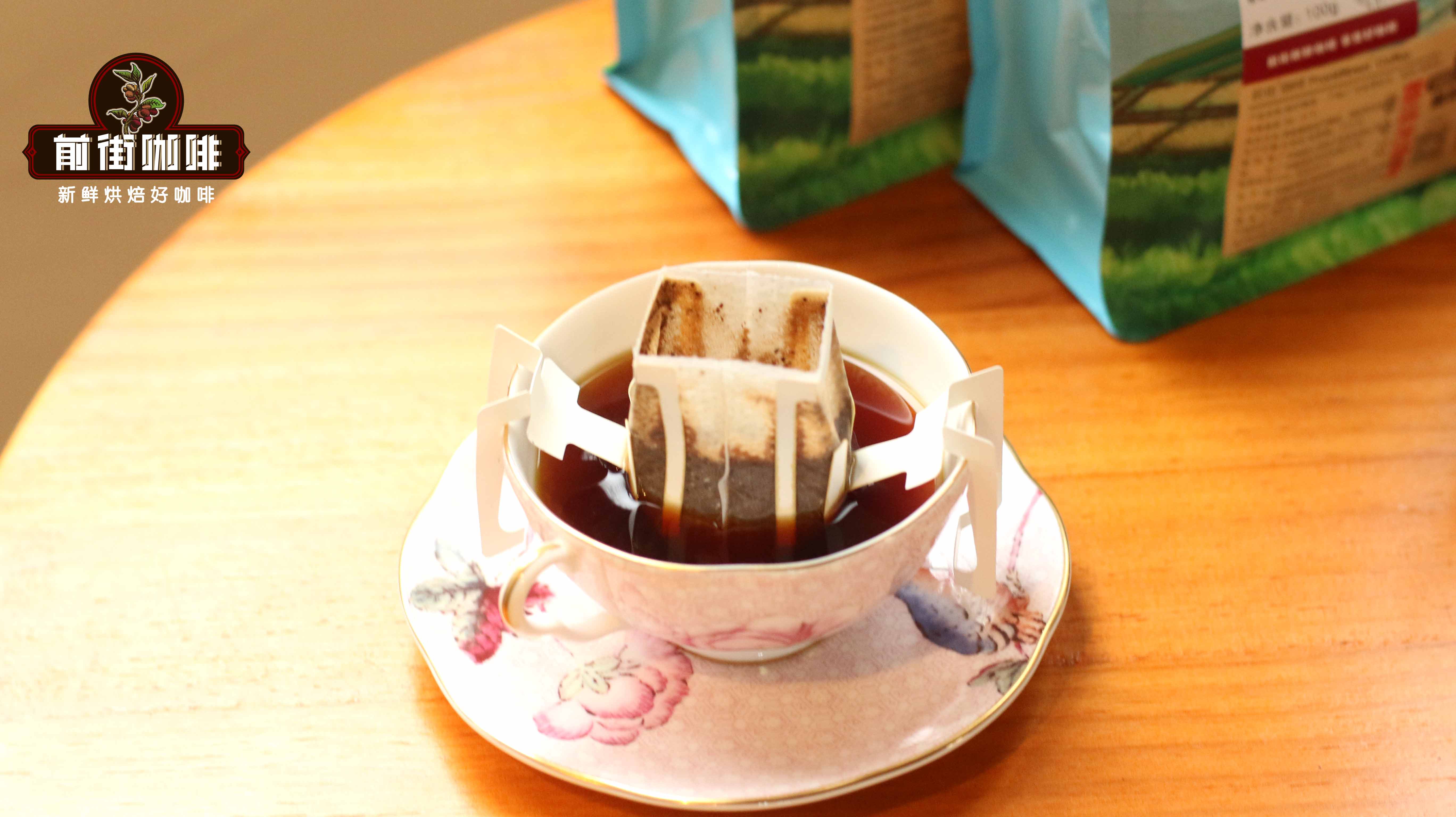
The National Day holiday is approaching, and many people have prepared drip coffee bags, hoping to enjoy filter coffee in the most effortless way. But without using an electronic scale and just grabbing any cup to brew, two bad results often occur: the coffee tastes weak, or it's bitter and over-extracted. Actually, the problem may lie with the cup—its capacity determines whether the amount of water poured is appropriate, and the cup's height affects whether the drip bag gets soaked. This article teaches you how to judge where to pour the hot water by observing the cup's appearance and capacity, combined with the standard 1:15 coffee-to-water ratio, and offers water temperature adjustment suggestions for short cups and tall cups. It also includes tips on using chopsticks or a spoon to assist stirring, so that even without professional equipment, you can brew a Front Street Coffee drip bag with suitable strength and clean flavor. [more…]
Advanced Guide to Pour-Over Coffee: The Practical Impact of Pouring Distribution and Technique Details on Flavor
Making pour-over at home, but the taste is still inconsistent even after you've dialed in your parameters? The problem often lies in "how you pour the water." This article breaks down the extraction differences between the one-pour method and the three-pour method from two dimensions—water distribution and pouring technique—and analyzes the actual effects of bloom water volume, circling speed, pouring height, flow rate, and circling range on flavor. It also includes complete brewing recipes for three highly distinctive single-origin coffees from Front Street Coffee—washed Yirgacheffe, Tarrazú, and Lintong Mandheling. Whether you're just starting out or looking to refine your technique, these details can help you find the direction for adjustment. [more…]
What Is the Ideal Water Temperature for Pour-Over Coffee? An Analysis of the Difference Between Brewing Water Temperature and Actual Extraction Temperature
When brewing pour-over coffee, what temperature should the water actually be set to? Mainstream recommendations fall between 86°C and 93°C—light roasts suit higher temperatures, while dark roasts are better with lower water temperatures. However, the initial water temperature in the pour-over kettle does not equal the actual extraction temperature when it contacts the coffee grounds. Through actual testing, Front Street found that when the water temperature in the kettle is 90°C, the temperature participating in extraction within the coffee bed only remains around 84.5-86°C, with a clear gap between the two. This temperature difference mainly comes from the coffee grounds absorbing heat, the dripper absorbing warmth, and the water flow losing heat as it is exposed to air. As long as you deliberately raise the height of the water stream during the pouring stage, you can accelerate the temperature drop, bringing the effect of a 93°C initial water temperature close to 90°C during extraction. Understanding the relationship between the set parameter temperature and the actual extraction temperature helps you adjust flexibly in daily brewing and consistently present your ideal flavor. [more…]
A Detailed Guide to the Seven Key Factors in Pour-Over Coffee Flavor Control and Brewing Practice
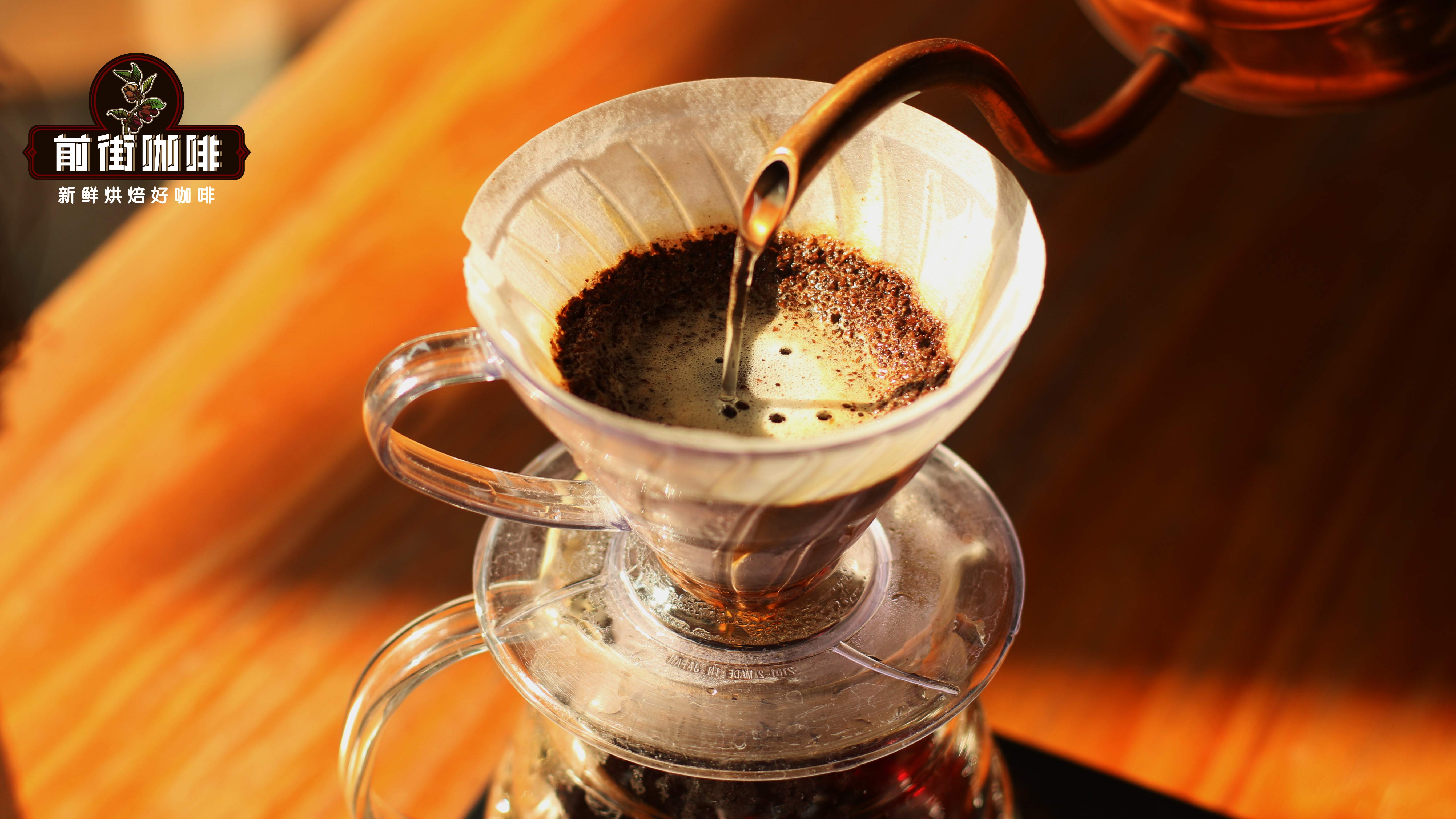
Pour-over drip extraction occupies a central position in single-origin coffee brewing, and a good cup of pour-over coffee can present rich layers of acidity, aroma, sweetness, and bitterness. So behind the seemingly simple act of pouring water, what variables are actually influencing the final flavor expression? This article will systematically sort out the seven key factors affecting pour-over coffee, from water volume distribution, blooming technique, circling speed, pouring height, and flow rate to circling range, analyzing one by one their specific effects on extraction. At the same time, Front Street Coffee will also share three highly recognizable single-origin beans from different regions and their brewing parameters, helping coffee lovers build a flavor cognition system through practice. [more…]