







How does cup capacity affect coffee extraction?
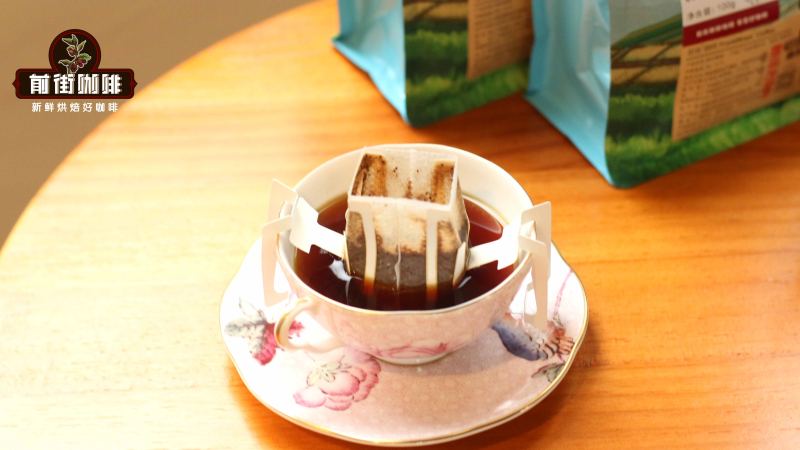
An unbalanced drip bag usually comes down to the cup. Capacity decides whether the water volume suits the dose, and cup height determines whether the bag sits submerged in hot water. Pair the cup with the standard 1:15 coffee-to-water ratio, and watch how the bag sits before pouring.
Most drip bags use arabica beans, split by roast level into dark and light. Floral, fruity profiles suit light roasts such as Yirgacheffe, Huakui or Geisha, while Mandheling, Blue Mountain No. 1 and Brazil seasonal lots give nutty, caramel, low-acid cups. Without a scale, people often rest the bag on any cup and let it steep too long, which over-extracts the grounds.
As the National Day holiday approaches, many people have stocked up on drip bags, hoping to enjoy drip coffee in the most effortless way. But without a digital scale and just grabbing any cup to brew, you often end up with one of two bad results: a weak, bland taste or a bitter, over-extracted cup. The problem may actually lie with the cup—its capacity determines whether the amount of water poured is appropriate, and its height affects whether the drip bag gets submerged. This article teaches you how to judge where to pour the hot water by observing the cup's appearance and capacity, combined with the standard 1:15 coffee-to-water ratio, and offers water temperature adjustment suggestions for short and tall cups, plus tips on using chopsticks and spoons to assist stirring, so you can brew a properly concentrated, clean-flavored Front Street Coffee drip bag even without professional equipment.
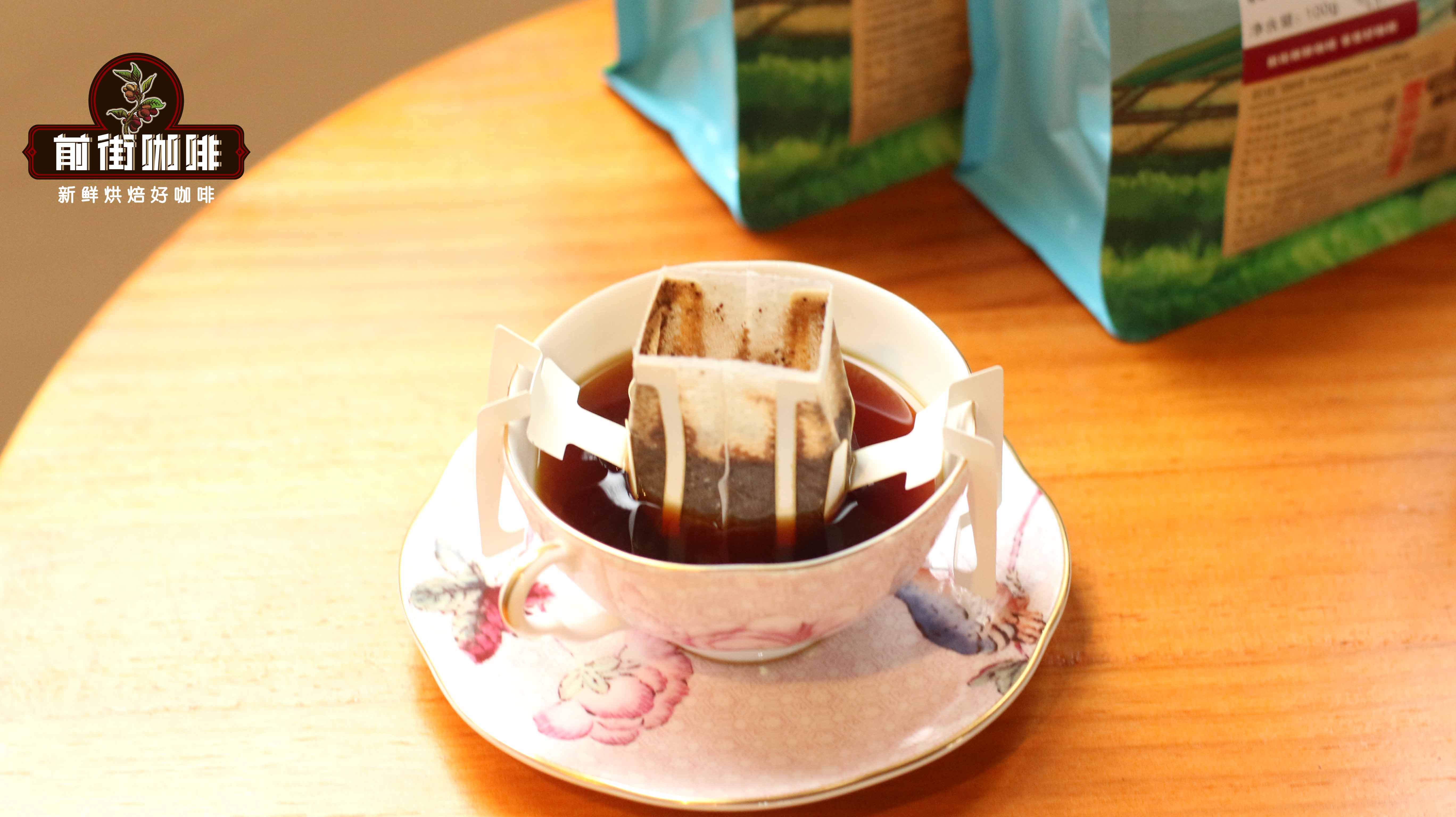
The National Day long holiday is almost here, and I believe many of you have stocked up on drip bags, aiming to escape the constraints of complicated equipment and tedious parameters during the long break, give yourself some time to unwind, and enjoy a cup of black coffee in the most hassle-free way.
This is actually the original purpose behind the design of drip bags—allowing everyone to get a coffee experience close to pour-over drip without investing too much effort. No need for a bunch of gear, no need to obsess over precise numbers; just a cup, a kettle of hot water, and a drip bag, and it can handle the job of drip coffee.
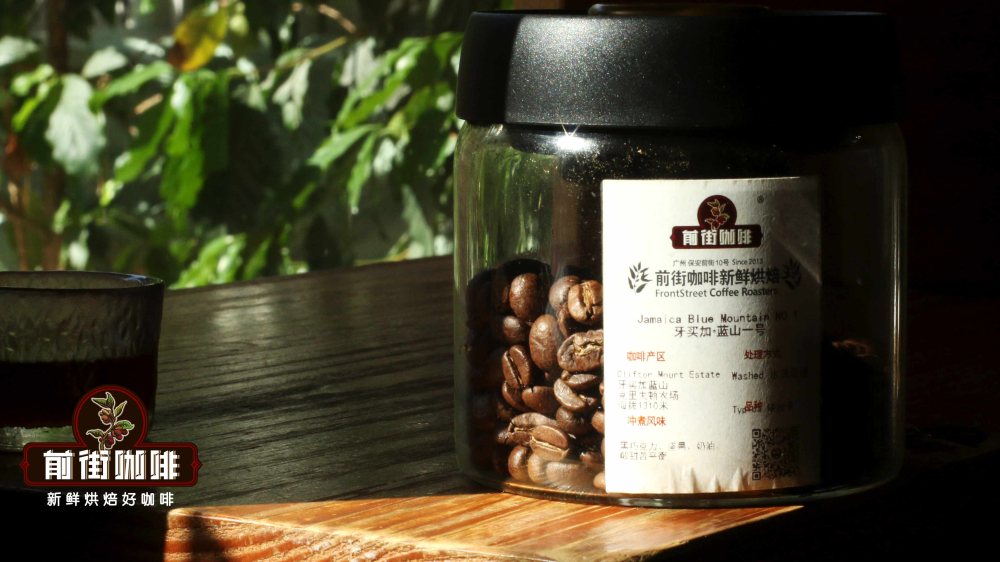
Choosing drip bags isn't really complicated—what suits your taste is what matters most. Most drip bags on the market use Arabica beans, roughly divided by roast level into dark roast and light roast. If you prefer floral and fruity notes, you can choose Front Street Yirgacheffe drip bags, Front Street Huakui drip bags, or Front Street Geisha drip bags;
If you usually prefer rich, bitter coffee, then Front Street Mandheling drip bags, Front Street Blue Mountain No. 1 drip bags, and Front Street Brazil seasonal drip bags are worth trying. The black coffee they brew has prominent nutty and caramel aromas, is full-bodied with a sweet aftertaste, and is very friendly to those who fear acidity.
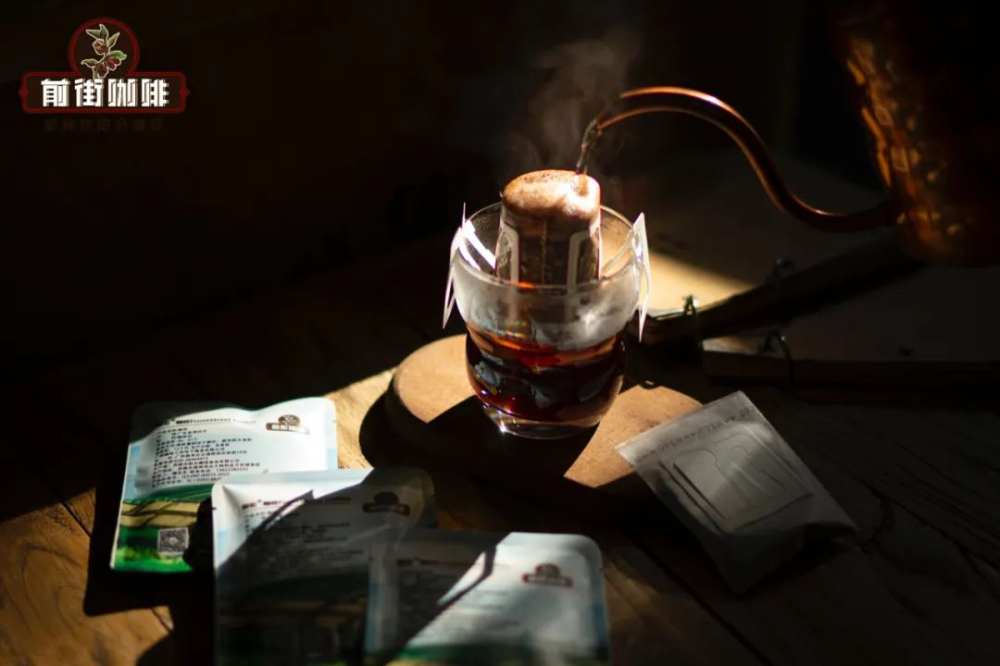
In reality, however, many people without a digital scale just perch the drip bag on any cup and let it steep in high-temperature hot water for a long time. This makes it hard to get an ideal cup of drip coffee and instead most likely leads to two extremes: first, pouring too much water, making the coffee taste weak and bland; second, steeping too long causing over-extraction, leaving only bitterness on the palate.
So we can absolutely compensate for the errors caused by lacking a digital scale and temperature control equipment by observing the cup's appearance and capacity, avoiding brewing coffee that's hard to swallow. After all, no matter how convenient we want things, we should still have some pursuit of quality.
Cup capacity
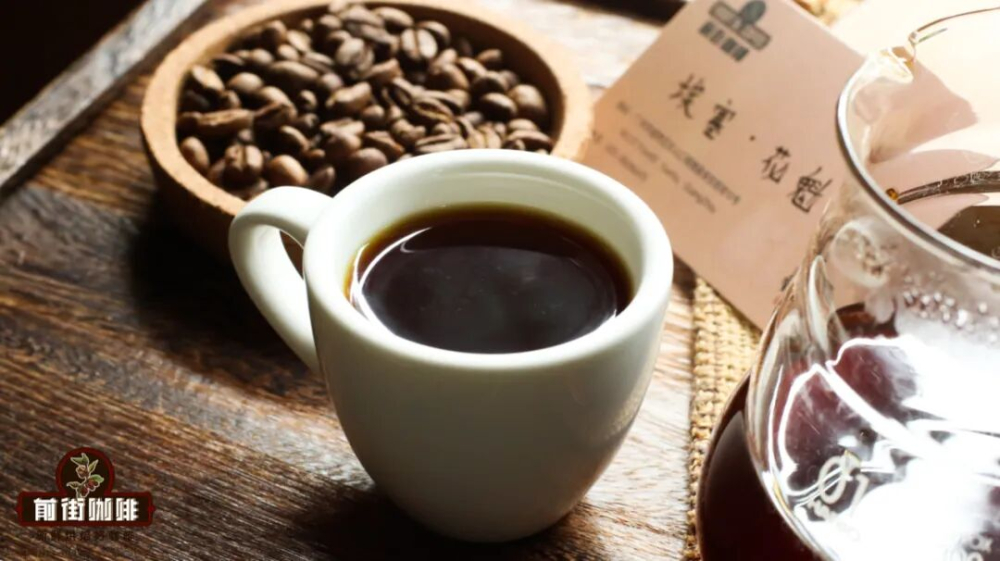
First figure out the capacity of the cup you commonly use, then combine it with the standard coffee-to-water ratio to determine how high you need to pour the hot water to reach the target amount, and ultimately extract a suitable concentration.
In general coffee extraction, 1:15 is a commonly used coffee-to-water ratio, producing a concentration that's fairly palatable. A Front Street drip bag contains 10g of coffee, which converts to needing 150ml of hot water.
If the cup's capacity is 400ml, you only need to pour water to slightly above one-third of the cup's total height to get a cup with proper concentration; for a 300ml cup, pouring to the halfway point gives you roughly 150ml of water, and the rest follows the same logic.
Cup shape
Cups come in various shapes, with different capacities and heights, and these factors directly affect how much the drip bag gets submerged during brewing.
For example, with a shorter cup, the drip bag can directly touch the bottom. After pouring in hot water, the drip bag gets submerged in the hot water at the bottom, easily causing over-extraction. In this case, you need to appropriately lower the brewing water temperature to weaken the extraction power of the hot water.
Front Street recommends this approach: first bring the water to a boil, then let it sit uncovered for 120 seconds, and the water temperature will drop to around 90°C. Brewing with water at this temperature preserves the flavor while reducing the chance of over-extraction.
As for tall cups with large capacity, even after pouring the appropriate amount of hot water, the water level won't reach the drip bag because the height isn't enough. In this case, you can use a slightly higher water temperature for extraction, and the 92–94°C range is a good choice.
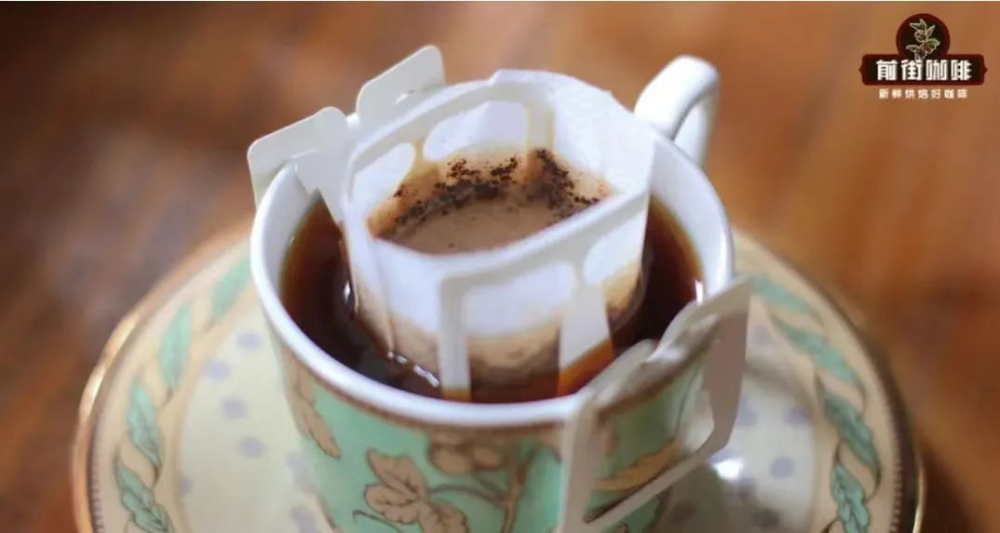
If you have other tools on hand, they can also help. For example, chopsticks, spoons, toothpicks—if you don't have a gooseneck kettle, you can use them as stirring sticks. When pouring hot water, stir in a circle around the center of the drip bag, which can effectively enhance the flavor of the extracted coffee.
The above content is compiled by CoffeeHunters, a coffee news website.


