







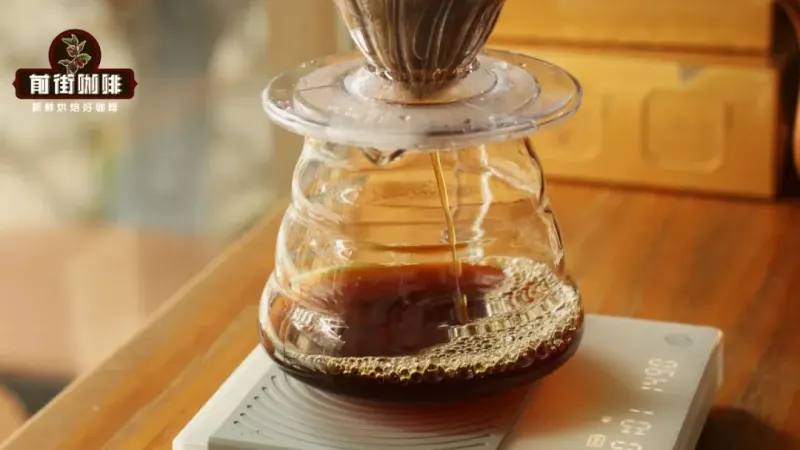
How does water pouring change hand brew coffee extraction?
Inconsistent flavor at home usually traces back to an unstable stream during pouring. The drop point, movement path, height above the liquid surface and flow rate all decide which grounds the water contacts and for how long. SCA data shows that greater water flow stability produces higher extraction uniformity, so the pour stage matters as much as the recipe.
With a conical dripper such as the V60, the coffee bed forms an inverted cone, so the drop point shapes how evenly water reaches the grounds and how hand brew coffee drains. Front Street Coffee shares customer experience on this: matching a cafe's parameters still gives fluctuating cups until pour position, height and flow rate are held steady, which is what keeps coffee extraction repeatable.
Many coffee enthusiasts practicing pour-over at home often encounter the problem of inconsistent flavor even when their parameters match those of a café. The root cause often lies in an insufficiently stable stream of water during pouring. In fact, the position, path, height, and size of the pour all directly affect the extraction. SCA experimental data shows that the higher the water flow stability, the higher the extraction uniformity. This article will draw on the hands-on experience of Front Street Coffee to systematically explain how to precisely control pouring to consistently brew a delicious cup of pour-over coffee. Whether you are a beginner or an advanced player, mastering these pouring essentials will take your coffee quality to the next level.


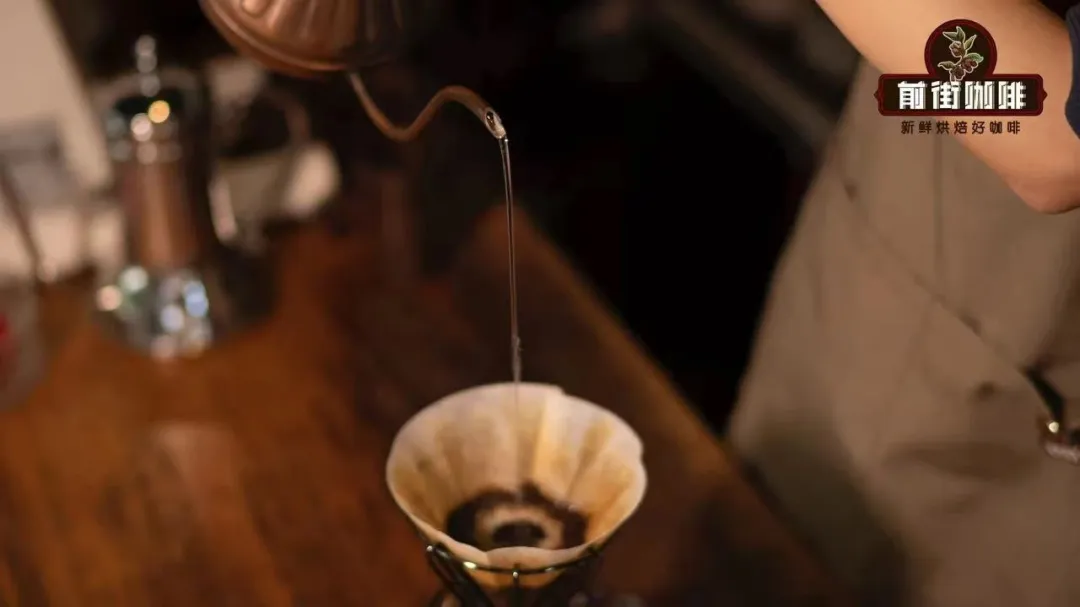
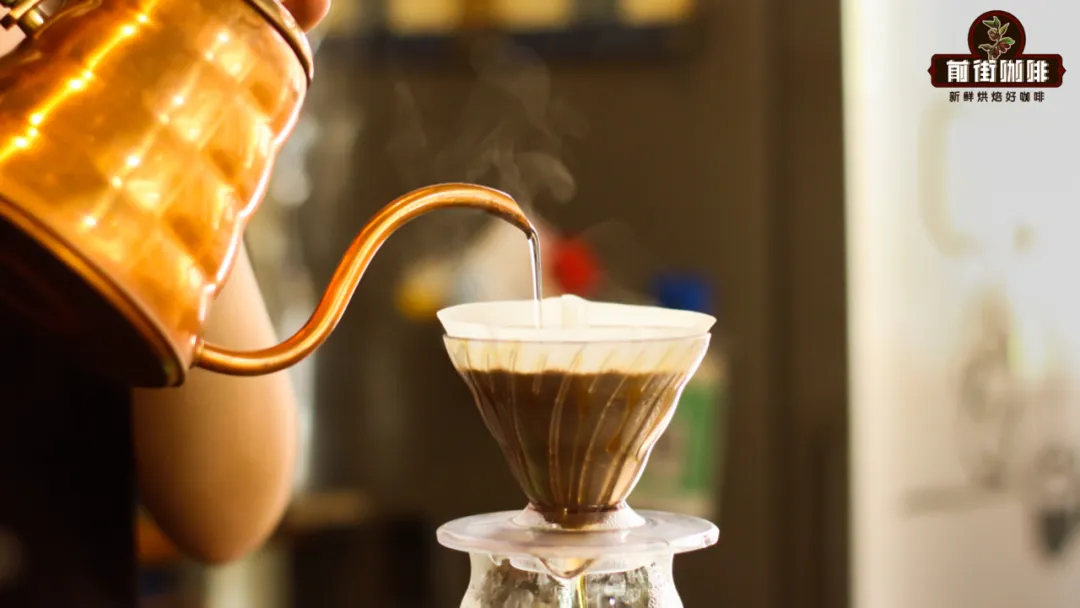
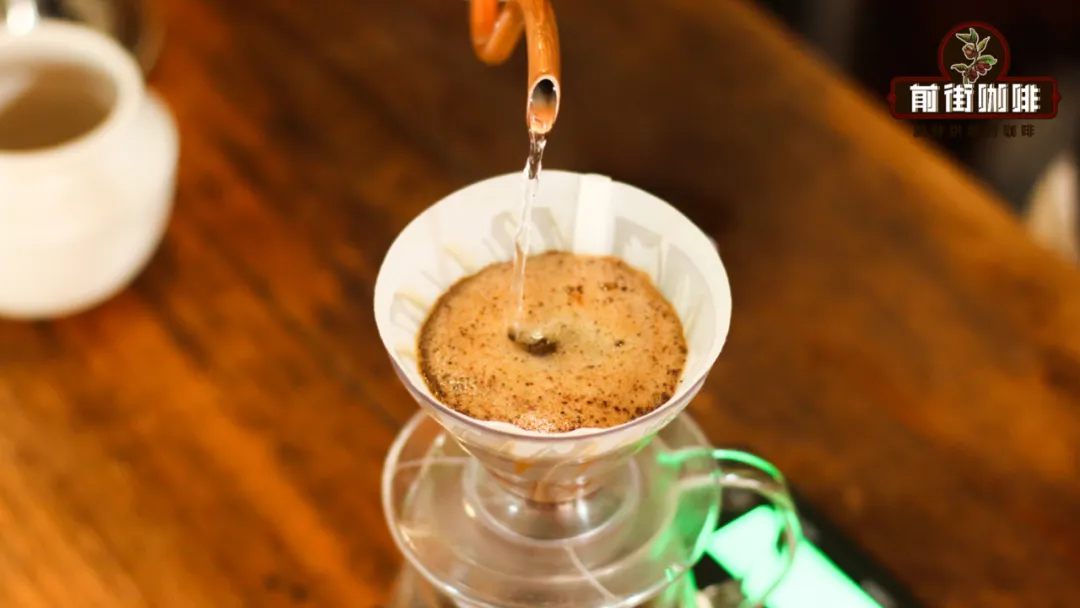
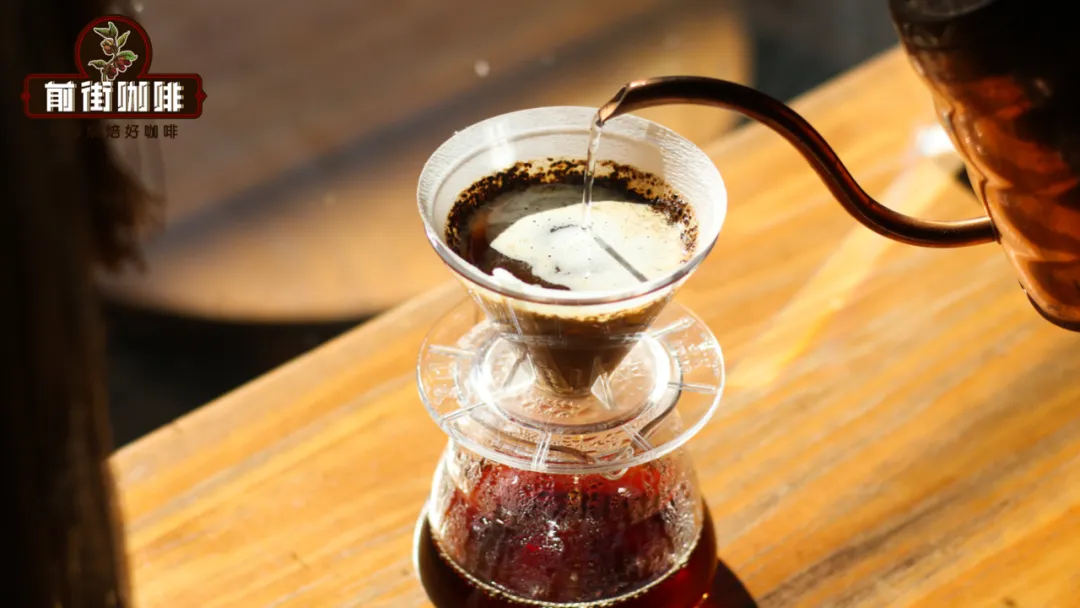
At Front Street Coffee, customers who have been teaching themselves pour-over coffee at home often come by to exchange brewing tips. Many report that even when they completely follow the parameters recommended by Front Street Coffee, the flavor of the coffee they brew still fluctuates unpredictably, which is quite puzzling.
When this happens, it almost always comes down to a lack of stability in the water flow during brewing, which makes the coffee inconsistent from cup to cup.
Exactly! Just as we pay attention to various parameters when pursuing a good cup of coffee, the pouring stage is equally full of nuance. The drop point, movement trajectory, height above the liquid surface, and flow rate of the water all have a direct effect on coffee extraction. According to SCA experimental data, the more stable the water flow, the higher the extraction uniformity. Therefore, if you want to consistently brew a delicious cup of coffee, in addition to controlling all the extraction parameters, you must also master water flow control during pouring!
So today Front Street Coffee will talk with everyone about how water flow affects coffee extraction, and how to pair water flow during brewing to consistently make a good cup of coffee.
Point One: Pouring Position
Beginners who are just getting into pour-over coffee can first focus their attention on the pouring position, that is, the drop point of the water stream.
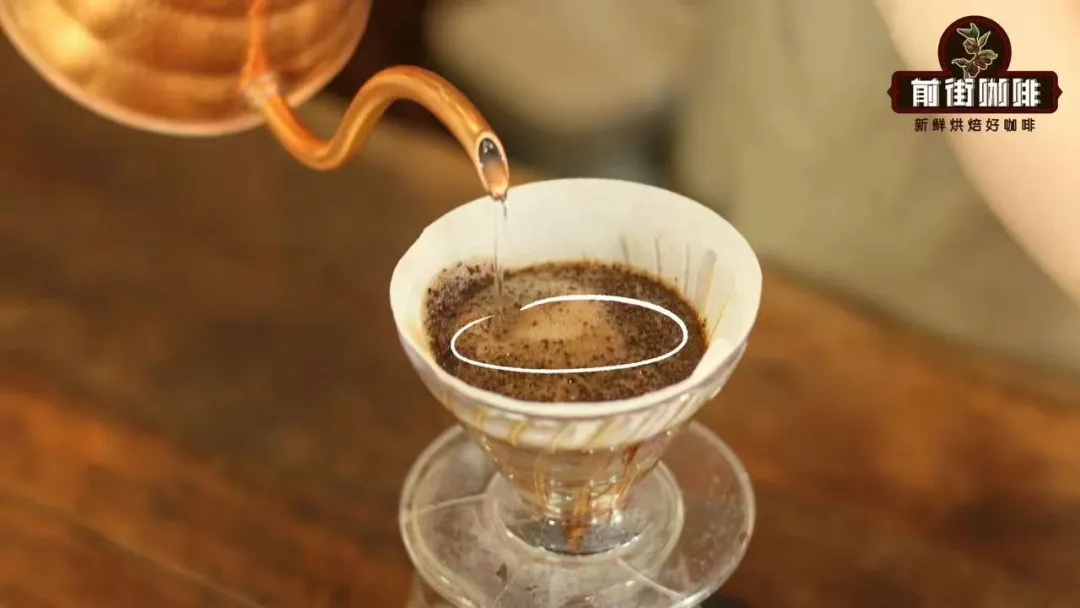
The drop point of the water stream determines which coffee grounds the hot water can contact and how many it contacts. Take a conical dripper like the V60 as an example: its coffee bed has an inverted cone structure, and the bed thickness gradually becomes thinner from the center toward the outer edge. Obviously, pouring hot water at different positions will contact different types and amounts of coffee grounds, and the amount of dissolved substances will change accordingly.
If you want the coffee to achieve relatively uniform and efficient extraction, the first thing is to ensure that the hot water contacts as much coffee as possible before dripping from the dripper, or stays in contact with the coffee throughout, rather than slipping away through the channels propped open by the dripper's ribs and forming bypass water. To do this, you only need to control the pouring range.
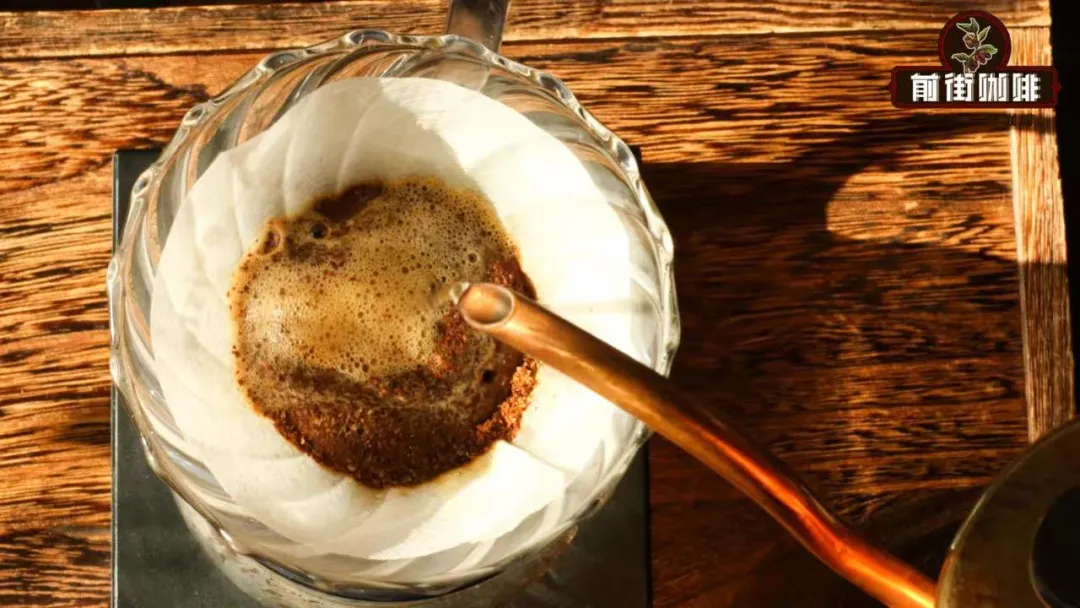
Still using the V60 as an example, as long as the impact force of the water stream is not too strong, you can keep the pouring range within two-thirds of the coffee bed. Within this range, the hot water will hardly break through the coffee bed and form bypass water due to excessive impact force, so the coffee can be extracted more fully.
(Here Front Street is only giving an example; in actual brewing, various factors must also be considered to determine the pouring position.)
Point Two: Pouring Path
Once you understand the pouring range, the next thing to do is get the coffee grounds moving in the dripper! The reason is simple: we want to improve extraction efficiency!
Front Street Coffee has recently shared a lot about the principles of coffee extraction, so you are probably already quite familiar with them. Simply put, when hot water contacts coffee grounds, the soluble substances in the coffee grounds transfer into the lower-concentration water due to the concentration gradient difference. As the amount of flavor substances in the water increases, the concentration gradually rises.
As the internal and external concentrations become more and more balanced, extraction efficiency becomes lower and lower, and the dissolution rate of flavor substances decreases. Drip-style pour-over does not have as much sufficient water-coffee contact time as immersion-style coffee. If you only pour at a fixed point without moving, the final cup will not be rich enough and the mouthfeel will be very thin. This is because the extraction is insufficient, and there are not enough flavor substances to support the coffee's taste and mouthfeel.
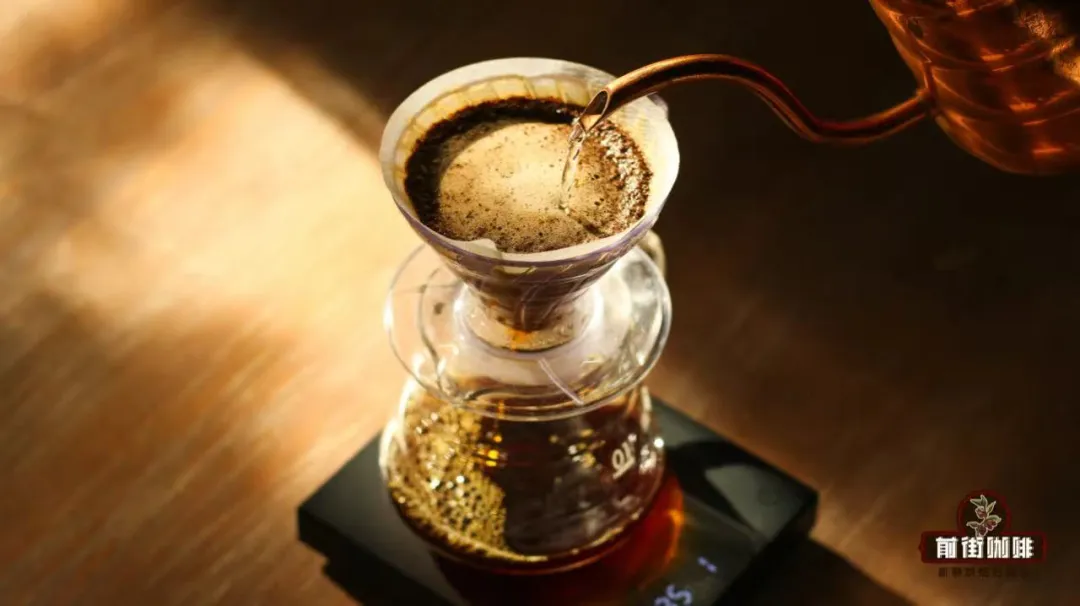
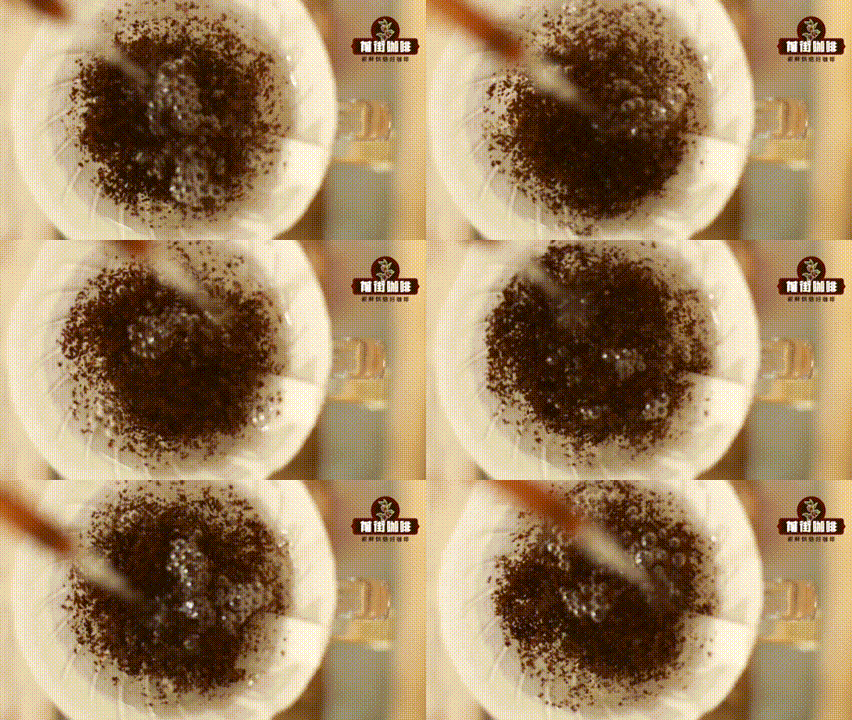
If you do not want to drink under-extracted coffee, you need to maneuver the pouring kettle in circles so that the water stream agitates the coffee grounds and creates turbulence/disturbance. This way, extraction efficiency can be improved, and the coffee's taste and mouthfeel will naturally be fuller.
Just like the example Front Street often gives with Banlangen granules: if you simply pour the granules into hot water and leave them alone, they dissolve very slowly. But if you stir with chopsticks, they can completely dissolve in a few seconds. So if you want to accelerate the dissolution of flavor substances, you can let the water stream stir the coffee grounds like chopsticks, causing relative movement between the coffee grounds and the water, thereby greatly increasing the dissolution rate of flavor substances.
But note that Front Street is not saying fixed-point pouring is bad. The difference between fixed-point pouring and circular pouring lies in extraction efficiency; each has its own suitable use scenarios. We need to use different pouring methods according to different situations, so there is no distinction of good or bad.
Point Three: Pouring Height
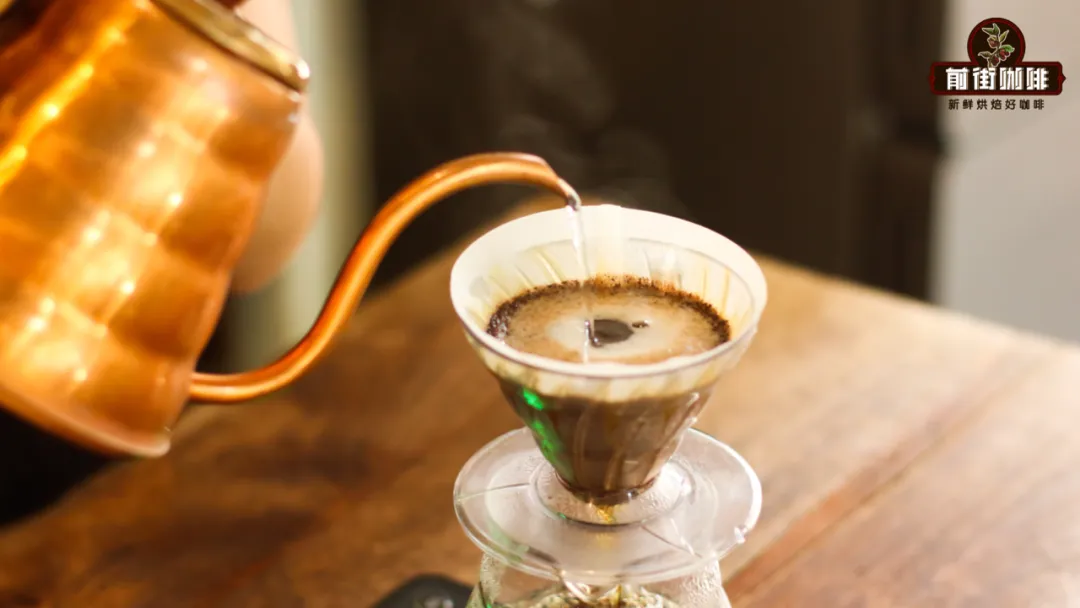
Besides circular pouring, there are two other factors that affect extraction efficiency. The first is pouring height, that is, the distance between the pouring position and the liquid surface. Pouring height determines the impact force of the water stream; the higher the pour, the stronger the impact force is usually. A stronger impact force can create stronger turbulence, and extraction efficiency will be higher; conversely, the lower the pouring height, the smaller the impact force, the less turbulence produced, and the lower the extraction efficiency.
Just like the choice between circular pouring and fixed-point pouring, the height at which you pour during brewing depends on your needs. If you want to improve extraction efficiency, you can appropriately raise the pouring height, and vice versa. But everyone should know that besides extraction efficiency, pouring height also brings three different effects!
Movement of coffee grounds:
As Front Street mentioned earlier, the higher the pouring position, the greater the turbulence is usually. Turbulence changes the position of the coffee grounds. If the agitation is too strong, it is easy for some fines that quickly absorb water to sink to the bottom of the dripper and clog the filter paper, slowing the flow rate and prolonging the extraction time, and the coffee may risk over-extraction.
Changes in water temperature:
Next is the effect on temperature! In the article "What Water Temperature Makes the Best Coffee?" , Front Street shared that the brewing water temperature we usually mention is not the actual extraction water temperature. The actual extraction water temperature will drop during extraction because various factors absorb heat.
For example, if the water temperature in the kettle is 92°C, the actual extraction water temperature may be only 80°C+. Among the various factors involved is pouring height. The higher the height, the more air the hot water contacts, and the more heat is naturally taken away, and vice versa. The famous Matsuya-style brewing lowers the brewing water temperature by increasing the pouring height, allowing the coffee to be extracted appropriately.
Form of the water stream:
I believe attentive readers have already noticed that Front Street did not say very definitively earlier that the higher the pouring height, the stronger the water impact force must be. This is because when the pouring height reaches a certain point, the water stream can no longer maintain the form of a column and breaks into droplets.
Droplets cannot agitate the coffee grounds, so compared with a column-shaped stream, their extraction efficiency is much lower. If you do not want the above three negative effects to appear during brewing, you need to control the pouring height well. As usual, Front Street recommends keeping the height at about one fist's distance from the liquid surface.
Point Four: Size of the Water Flow
The last factor is the effect of the water flow. Water flow size refers to the pouring speed/rate, that is, how much hot water can be poured out per second. The more hot water poured out, the relatively larger the water column/stream, and vice versa.
The rate/size of the water flow brings three different effects! Besides the impact force of the water stream mentioned by Front Street, there are also extraction time and the distribution of coffee grounds!
Effect of water flow size on time:
Water flow size affects extraction time. The larger the water flow used during brewing, the relatively faster the drainage speed, and vice versa.
How water flow size affects the coffee bed:
When the amount of water poured in exceeds the amount draining out, the liquid surface will be raised. So if you want to raise the coffee bed, you only need to increase the poured water flow, which can raise the water level and at the same time raise the coffee bed. For the specific operation and the purpose of raising the coffee bed, please refer to the article "Portal" . Front Street will not elaborate too much here.
For pour-over coffee, how should you pour?
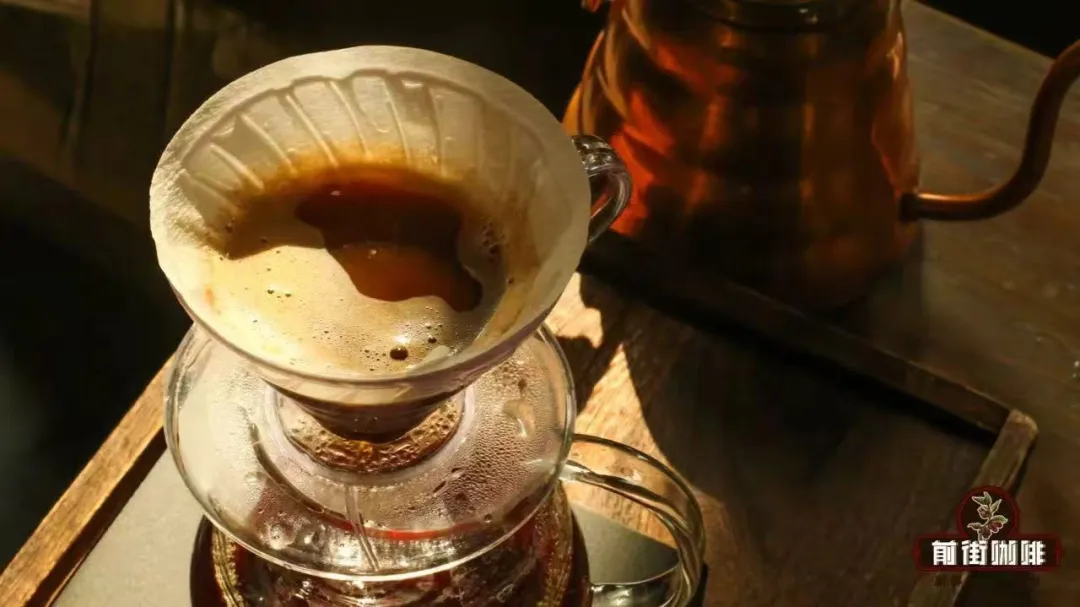
In summary, we can see that the position, path, height, and size of the water flow all directly affect coffee extraction. If you want to consistently brew delicious coffee, try not to let the pouring vary too much during brewing. For example, if the flow suddenly becomes large and then small, or the height keeps rising and falling, the extraction uniformity of the coffee will decrease, and the coffee will become less delicious as a result.
If you do not know how to pour, you can refer to the method Front Street uses in daily brewing. It is shared in detail in the article "Three-Pour Brewing Is Just This Simple" . Interested friends can go take a look themselves~
- END -
The above content is compiled by CoffeeHunters, a coffee news website.


