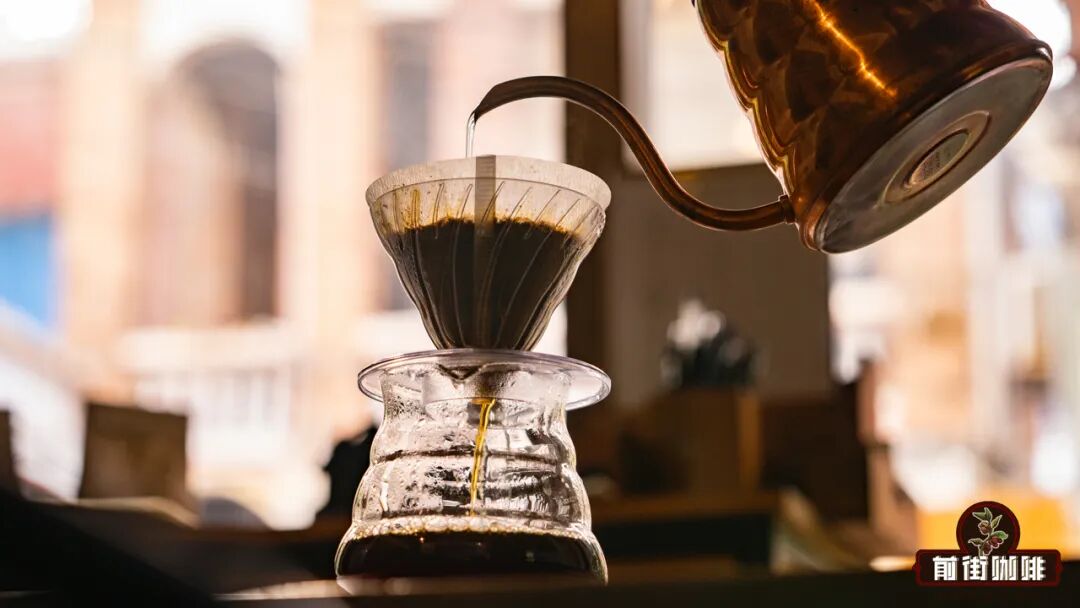
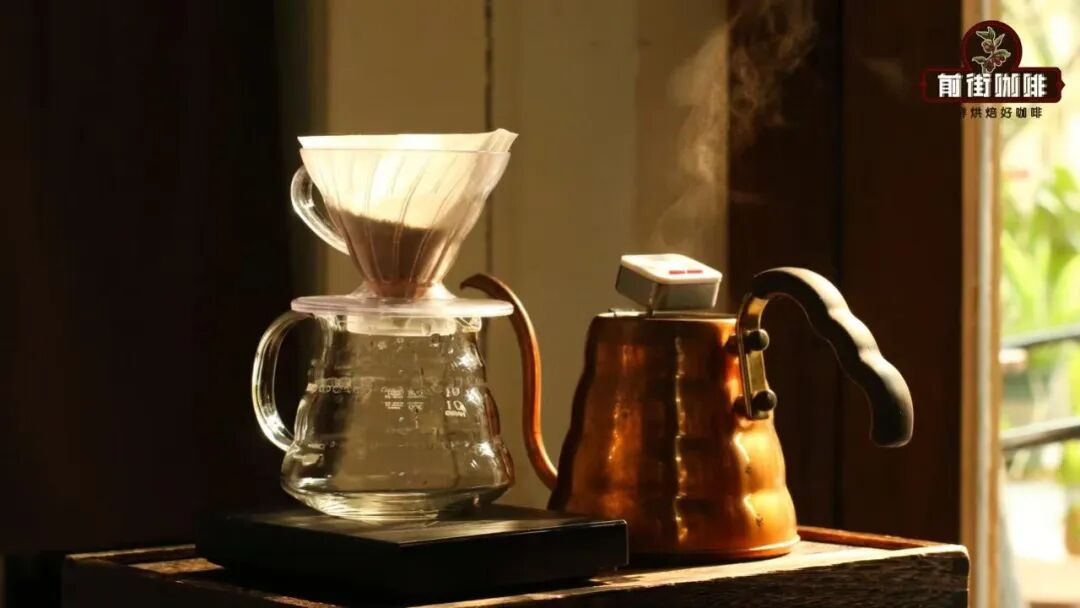
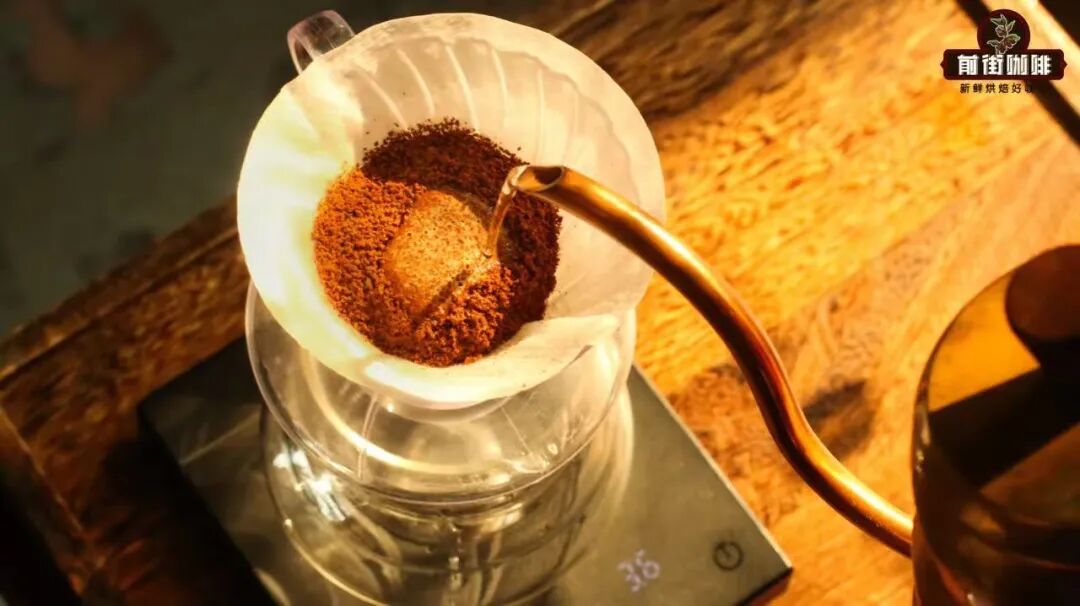
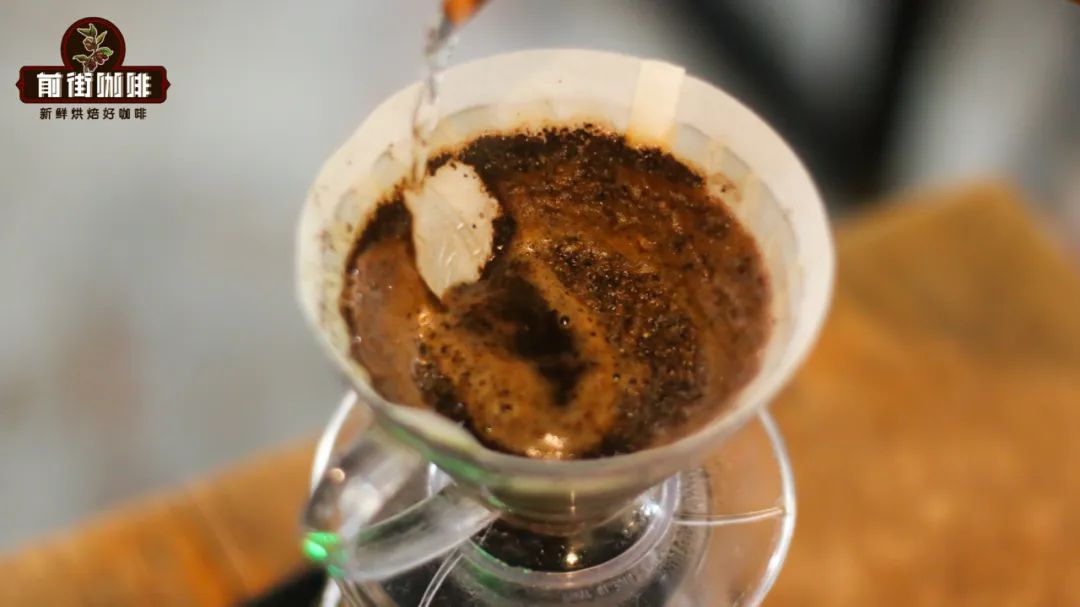
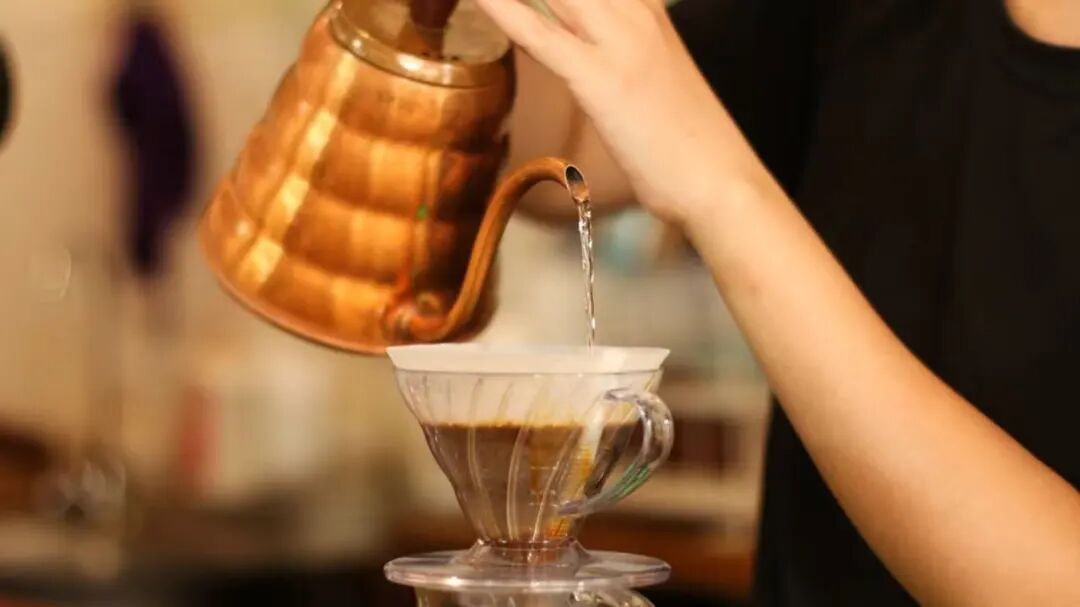
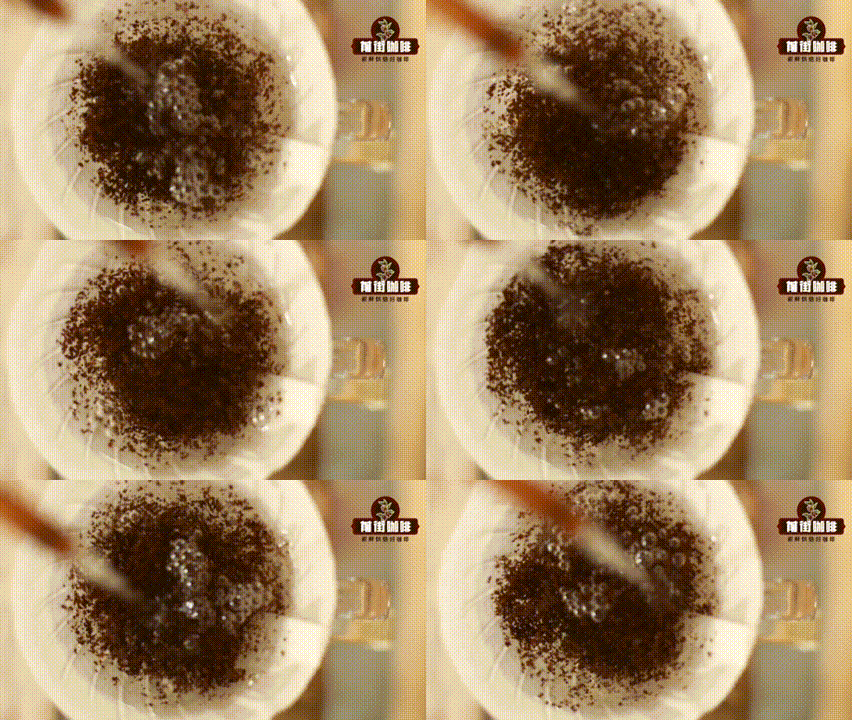
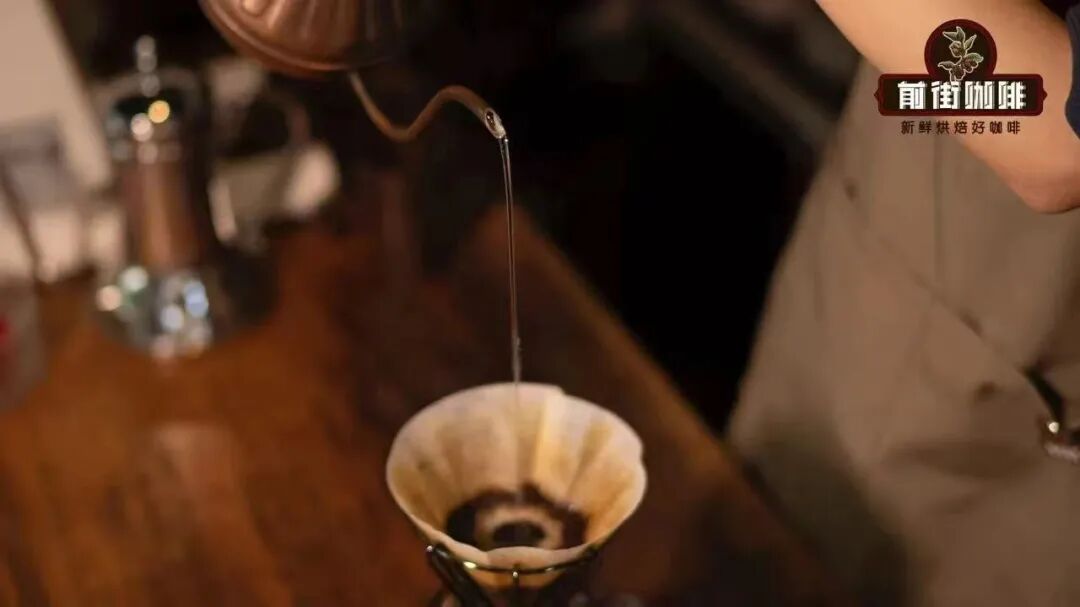
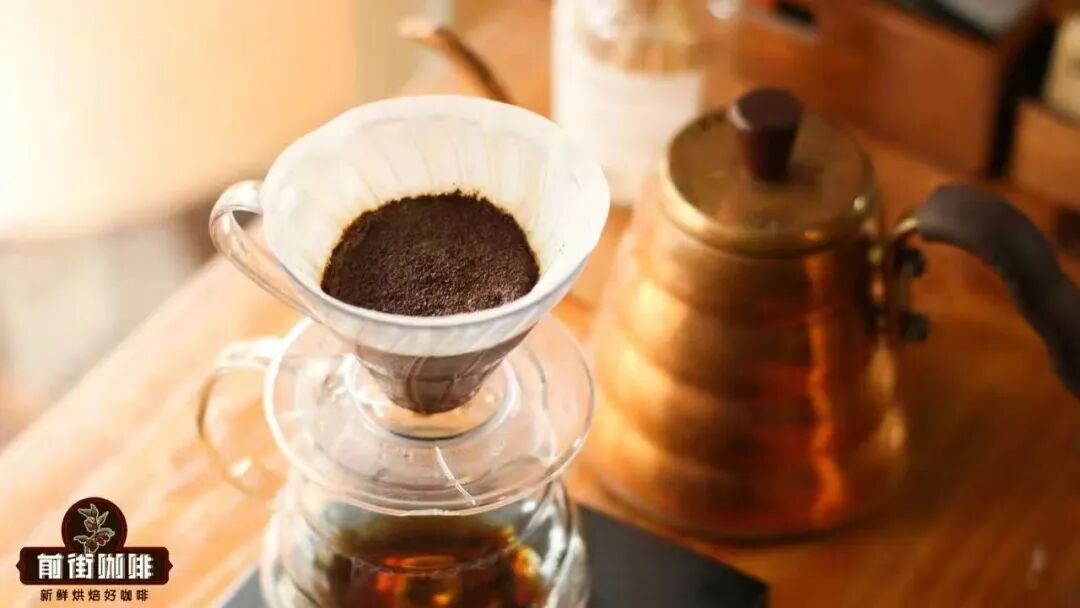
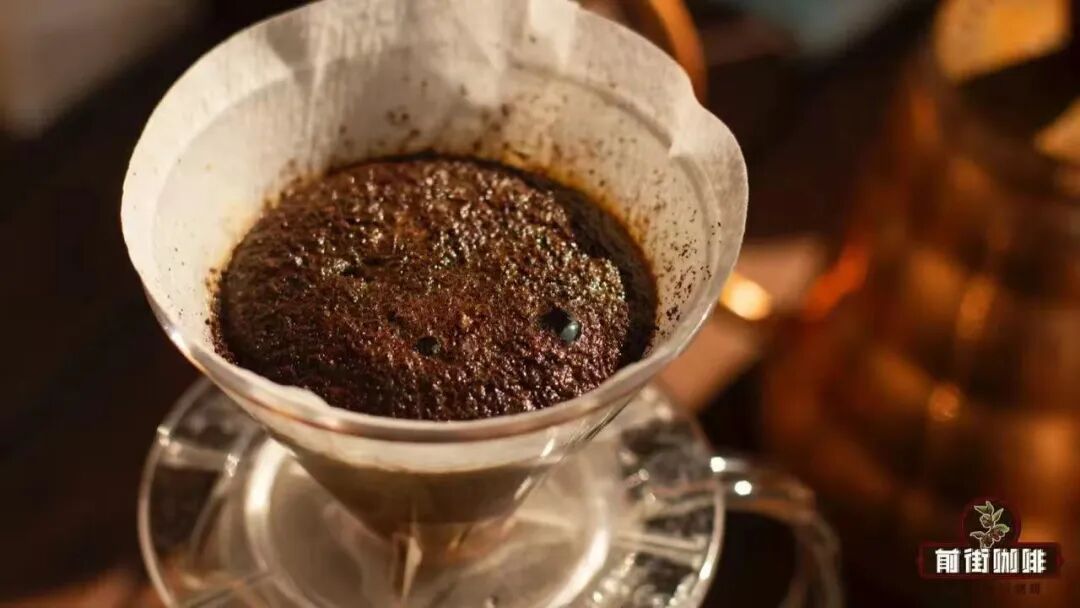
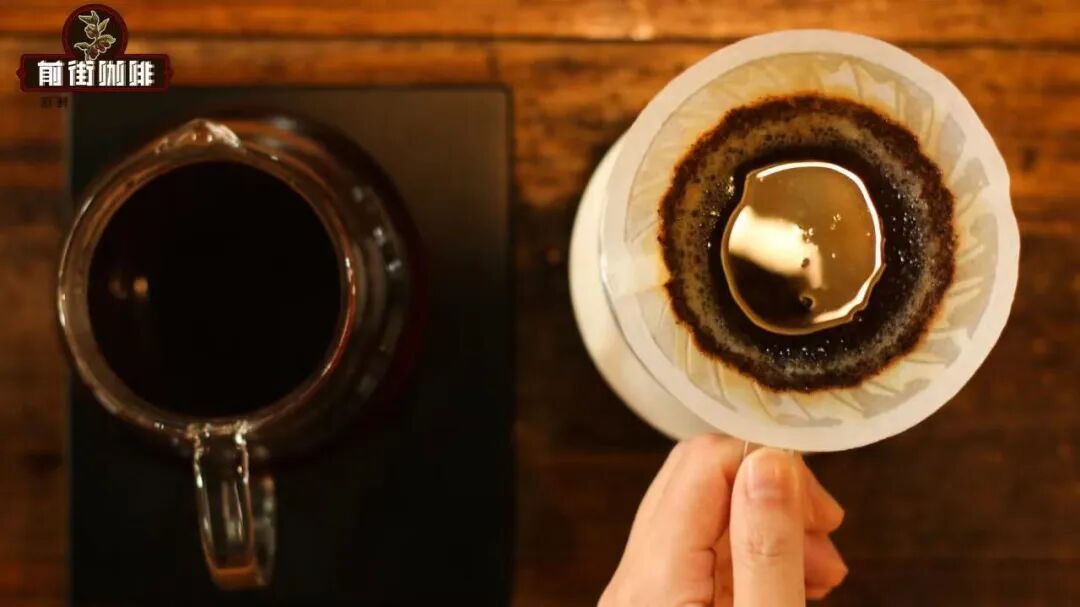
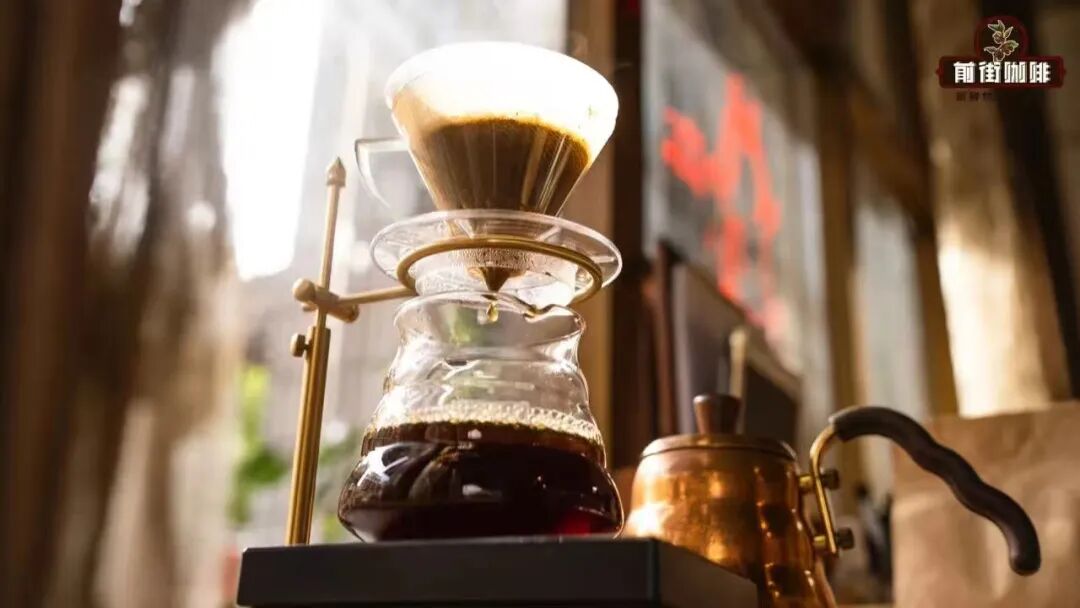
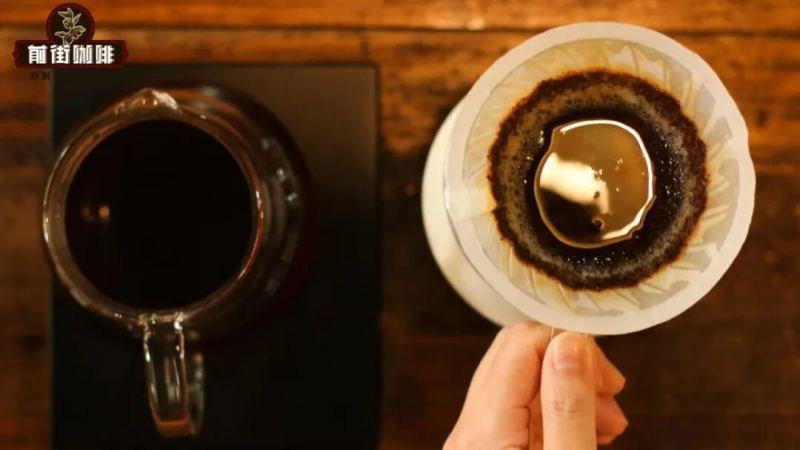
With its high tolerance and excellent flavor performance, pour-over coffee has become one of the top brewing methods after the rise of specialty coffee. At the same time, because it is simple to operate and has a low barrier to entry, many friends have bought their own pour-over equipment and started teaching themselves how to make pour-over coffee at home.To be honest, self-learning pour-over coffee is not difficult, because the internet today is very developed, and we can easily find all kinds of coffee brewing tutorials online. Whether it is coffee equipment, brewing steps, techniques, parameters, or even various other details, we can freely access relevant knowledge sharing online.However, because the content is too complicated and much of it lacks systematic organization, many friends frequently fall into cognitive and operational misunderstandings, invisibly adding many obstacles for themselves and making it difficult to brew delicious coffee. So today Front Street Coffee will share some pits that are easy to step into when getting started, so everyone can pay attention and avoid the landmines!Many friends often have misunderstandings about the use of parameters, for example: "The higher the water temperature used, the better the bean quality." The implication of this sentence is that only high-quality coffee beans can use relatively extreme parameters, such as brewing at 96°C or 97°C.It cannot be denied that high-quality coffee beans are not easily messed up even when paired with extreme parameters, but what we need to know is that the use of parameters does not depend entirely on the coffee beans used; it is mainly determined by our brewing method and extraction parameters.Take water temperature as an example. Water temperature is not the only variable affecting extraction. Besides water temperature, grinding, time, agitation method, and other factors also affect extraction. As long as the other parameters are properly matched, then even if the water temperature we use for brewing is as high as 96°C, 98°C, or even 100°C, we can still easily brew a delicious pot of coffee.Conversely, the same principle applies to other parameters. Even if the coffee grounds are ground finer and the extraction time is longer, as long as the parameters other than those themselves can be reasonably matched with them, then a good cup of coffee can still be brewed, regardless of whether the brewing subject is superior or inferior.2. Habitually using the water stream to knock downthe coffee bedMany friends really like to do one thing when they first start brewing coffee(including Front Street Coffee), which is to use the water stream to wash down the coffee grounds that have already attached to the edge of the dripper during brewing. The purpose is simple—to let this part of the coffee grounds also get fully extracted. Because our pouring range generally does not include the edges, these coffee grounds that have already built up a wall at the edge cannot be reached by the hot water.Although doing this can indeed allow these edge coffee grounds to be more fully extracted, when used improperly, it instead easily makes originally delicious coffee become less delicious.Because the drippers commonly used today all haveflow-guiding ribs, and the existence of these ribs can increase the space for coffee grounds to release gas, while also increasing the channels for water flow. If we use hot water to wash the edge coffee grounds while using these drippers, then the water hitting the dripper will directly break through the filter paper and slip away from the edge, forming so-calledbypass water.The appearance of bypass water affects the extraction of coffee and easily makes the existing coffee weak. Moreover, doing this will also make the coffee bed thicker and make the fines originally attached to the side of the dripper easily wash down to the bottom, causing the water to drain even more difficultly.Therefore, Front Street Coffee does not recommend everyone use this method unconditionally. Although the coffee grounds attached to the edge of the dripper are not extracted as fully as when agitated, this can actually give the coffee more layering due to differences in extraction yield.3. Liking high-position pouringAs everyone knows, the pouring height affects the agitation strength of the water column. The higher the pouring height, the stronger the agitation force of the water column. Then some friends will use a higher height than usual to pour in order to achieve a higher extraction yield.Although a high pouring position can indeed improve agitation strength, there is a limit. Front Street Coffee has found that many friends increase the pouring height without limit, and the coffee brewed in the end actually tastes lighter and has a lower extraction yield than before. The reason this happens is precisely because the pouring position is too high!In the gap from when the hot water leaves the spout to when it contacts the coffee bed, its temperature will continuously be absorbed and lost to the surrounding air. The higher our pouring height, the more the water temperature drops. So when the pouring height is too high, the hot water will lose a certain amount of extraction efficiency because a large amount of its temperature has been absorbed.(Matsuya-style brewing uses exactly this method to lower the water temperature.)Moreover, if the poured water stream is not large enough, then when the pouring height is too high, the hot water will be unable to maintain the shape of a water column and will instead become intermittent droplets. Droplets find it very difficult to agitate the coffee grounds, so naturally the extraction efficiency also drops significantly.Therefore, Front Street Coffee does not recommend everyone raise the pouring position without limit. Usually, pouring at a distance of one fist from the coffee bed is already enough. If a little higher, then two fists away.4. If there is no doming during blooming, it means the coffee is not freshNext are two topics Front Street Coffee often shares, because these two topics really have too many friends asking about them in the background. After many friends buy coffee beans from Front Street Coffee's online shop, they will give feedback to customer service, saying that the coffee grounds did not dome during blooming, and asking whether it is because the beans are not fresh enough.Of course not. Front Street Coffee ships coffee beans roasted within five days, so naturally there is no problem of them not being fresh. Whether the coffee bed can rise into a big "hamburger"-like dome during blooming depends not only on the freshness of the coffee beans, but also on the parameters used during extraction.Because we all know that the doming during blooming is a phenomenon propped up by carbon dioxide. In addition to the roast level and freshness of the coffee beans affecting the carbon dioxide content, whether the parameters are reasonable will also affect the degree of doming of the coffee bed, because the level of extraction efficiency determines the speed of carbon dioxide release.Still using water temperature as an example: the higher the water temperature, the higher the extraction efficiency, and vice versa.So when the water temperature is higher, carbon dioxide will rush out of the coffee beans faster and prop up the "hamburger," while if the water temperature is not that high, then the release speed of carbon dioxide is slow. Naturally, the coffee bed will not dome so much in a short time. The same principle applies to the grinding degree of the coffee grounds.So we need to know that the size of the dome during blooming is not only affected by the freshness and roast level of the coffee, but also related to the extraction parameters. If the dome raised by the coffee bed during blooming is not as large as usual, then besides checking the freshness of the coffee beans, we can also check whether the extraction parameters have changed.5. Misunderstanding the point at which bitterness appearsMany friends have a certain misunderstanding about the point at which coffee bitterness appears, believing that the bitterness of coffee is mainly dissolved out only in the final stage. So we often see that these friends, in order to avoid bitterness, add some "special" operations during brewing, such as cutting off the flow. By cutting off the coffee liquid from the final stage so that it does not flow into the cup, the coffee will not have bitterness.But obviously, this is a misunderstanding. The bitterness of coffee is not dissolved out only in the final stage. The reason many friends have this misunderstanding mainly comes from mistaking the sentence "the final stage is the point where bitter substances are dissolved in large amounts" for "bitterness is dissolved out only in the final stage."And in factfrom the moment water contacts the coffee grounds, bitterness has already begun to be released continuously. It is just that bitter substances dissolve relatively slowly, so even when extraction reaches the final stage, after the acidic and sweet substances have mostly dissolved, bitterness is still continuously being dissolved out.If we do not use the right extraction parameters, then even if we use the flow-cutting method, obvious bitterness will still appear in the coffee. Because the extraction efficiency is too high, bitterness has already dissolved out in large amounts before the flow is cut off. So we need to know that bitterness is not dissolved only in the final stage. The best way to avoid bitterness is not flow cutting, but controlling the extraction parameters well. At the same time, flow cutting is not an operation that can be used casually.So the above are some of the "pits" Front Street Coffee has recently collected that are easy to step into when self-learning pour-over. Everyone can compare and see whether you have stepped into any of them~
The above content is compiled by CoffeeHunters, a coffee news website.