







Search Results for: transportation methods

Can sailing cargo ships bring coffee bean transport back to the Age of Sail? A UK company's zero-carbon experiment
After the COVID-19 pandemic, consumers are paying increasing attention to the environmental friendliness of coffee—from green bean cultivation to the coffee in the cup, carbon emissions are being taken into account. Coffee-producing countries and consuming countries are mostly separated by oceans, and tens of thousands of tons of coffee beans rely on air or sea freight, making fossil fuels an unavoidable source of power. The British experimental company NEW DAWN TRADERS is trying to change this situation. They charter sailing ships, abandon fuel engines, and transport green coffee beans back to the UK from places like Colombia. The voyage lasts more than five months and covers about 7,000 nautical miles. Although it takes much longer, it significantly reduces carbon emissions. At the same time, Canada's Café William and Sailcargo are also building zero-emission sailing cargo ships, with plans to put them into operation in 2023. This article will review the glorious history of sailing cargo ships and explore the possibilities of this ancient mode of transportation in the modern coffee industry. [more…]
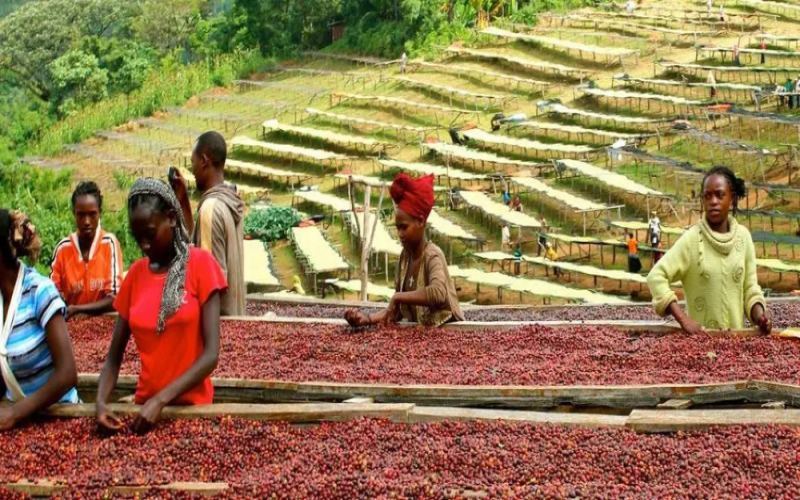
Ethiopian Coffee Exports Face Shipping Delays, Government Plans to Open Rail Freight to Private Capital
Ethiopia's domestic security situation remains tense, with truck drivers frequently attacked, severely disrupting overland transport of major exports such as coffee. As coffee exports account for 30% to 35% of the country's export earnings, transport problems could exacerbate inflation and economic recession. The government is considering shifting to rail transport and plans to allow the private sector to participate in rail freight to reduce logistics costs. However, the existing railway faces challenges including speeds of only 30 kilometers per hour and capacity that is far from fully utilized. This article will outline the background of the situation, its impact, and possible future solutions, along with related product recommendations from Front Street Coffee. [more…]
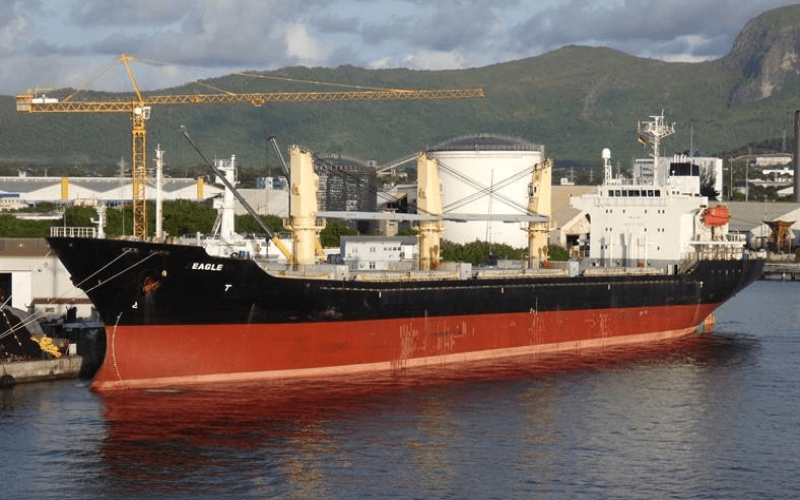
Brazilian green coffee beans are switching to bulk carrier shipping—will quality stability be affected?
A new change has recently emerged in Brazilian coffee exports—some green beans are beginning to be shipped in bulk carriers rather than traditional containerized cargo. This adjustment may have its considerations in terms of logistics costs and efficiency, but for specialty coffee that values flavor and quality consistency, whether bulk shipping will affect the freshness, moisture content, and cleanliness of green beans has become a focus of attention for many industry professionals and enthusiasts. This article will review the background of this transportation shift, analyze the potential risks it may pose to coffee quality, and, drawing on the quality control experience of brands such as Front Street Coffee, explore how to uphold the quality bottom line from origin to roasting. [more…]

Green Coffee Packaging, Storage Conditions, and Seasonality: A Full Analysis of Jute Bags, Vacuum Bags, GrainPro Bags, and Freezing Methods
The quality of green coffee beans depends not only on origin and processing method; their packaging and storage methods are equally crucial. From the most common jute bags to vacuum bags, grain bags, and even frozen storage, different packaging methods vary significantly in their protective effect on green beans and their cost. Over the past decade, specialty roasters have driven innovation in packaging and transportation methods, using faster and more scientific approaches to lock in the freshness of green beans. This article will systematically review the advantages and disadvantages of commonly used packaging, the requirements of the storage environment, and explore the concept of "seasonality," which has attracted much attention in recent years. Whether you are a roaster or a coffee enthusiast, understanding this knowledge can help you better judge and preserve coffee beans. [more…]
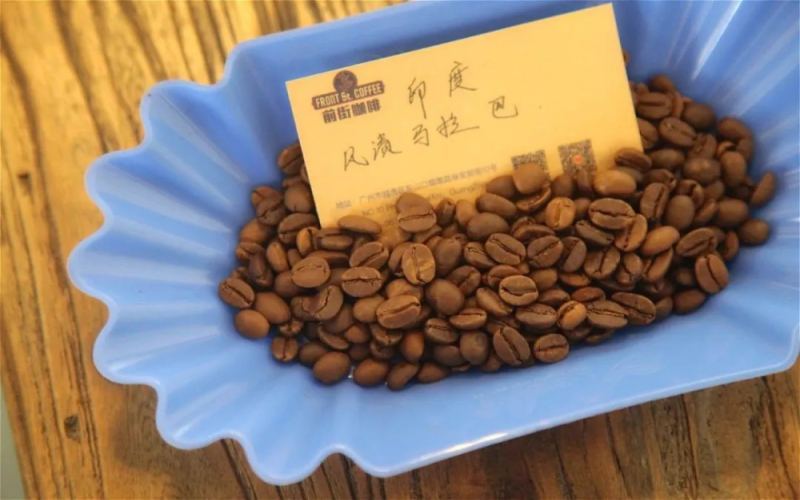
India Malabar Monsooned Coffee's Monsooning Process: A Complete Analysis from Sailing Ship Transport to Monsoon Replication
India is famous worldwide for its curry, but Monsoon Coffee is equally a presence that cannot be overlooked. This coffee, with its distinctive grain and spice flavors, originated as an accidental gift from the era of sailing ship transport in the seventeenth century, then nearly disappeared in the nineteenth century when steamships replaced sailing ships, and was ultimately revived through the monsoon baptism of the Malabar Coast. This article will guide you through the background of Monsoon Coffee's origins, the specific operational process of the Monsoon Process, and every detail from storage in monsoon warehouses, regular turning, bagging control, to smoke-driven pest control and graded sale. [more…]
Green Coffee Storage | What Are Green Coffee Packaging Methods? Introduction to Green Coffee Storage Temperature, Humidity, and Shelf Life
Until recent years, all coffee beans were packaged in burlap sacks and transported in shipping containers, only reaching roasters several months after the beans had been processed. If roasters and importers occasionally wanted to cup coffee beans from the place of origin, or taste a "pre-shipment sample," what they received instead would be stored [more…]
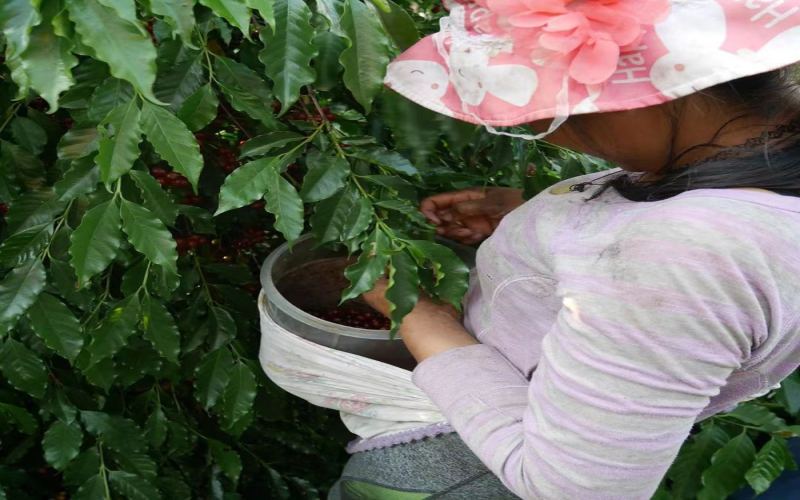
How Does Bolivian Coffee Taste? Analyzing the Yungas Region's Java Variety and Cocoa Natural Processing Characteristics
Bolivian coffee has always been a relatively obscure presence in the specialty coffee circle. High-altitude cultivation, rugged mountain road transport, and limited production make it difficult for it to enter the market on a large scale. But it is precisely this environment that creates the unique flavor expression of Bolivian coffee. The Yungas region, as the country's core coffee belt, has cultivation altitudes ranging from 1,500 to 2,500 meters, along with microclimates and fertile soil. This article will take you through the regional characteristics of Bolivian coffee, the origins of the Java variety, and the innovative cacao natural processing method of the Waliki Estate, while also sharing Front Street Coffee's roasting and brewing suggestions. [more…]
Uganda AA Coffee Beans: Origin Characteristics and Flavor Analysis — A Full Look at Bugisu Cloud Falls Farm
Although Uganda is a landlocked country in Africa, it is the world's tenth-largest coffee-producing country, with abundant water resources and dense forests. For a long time, its coffee quality was constrained by transportation and processing conditions, leaving a gap compared with its East African neighbors. After the end of the war in 1990, transportation gradually developed, and coffee became the country's most important agricultural product. Ugandan coffee is mainly Robusta, with Arabica accounting for only 6%. Its grading follows the Kenyan system, with AA being the highest grade. The AA-grade beans from Yunpu Farm in the Bugisu producing region are the most renowned traditional Arabica there. From the perspective of Front Street Coffee, this article will sort out its origin background, farm information, variety processing, and flavor performance, introducing you to this coffee with notes of cinnamon, fennel, and Baozhong tea. [more…]
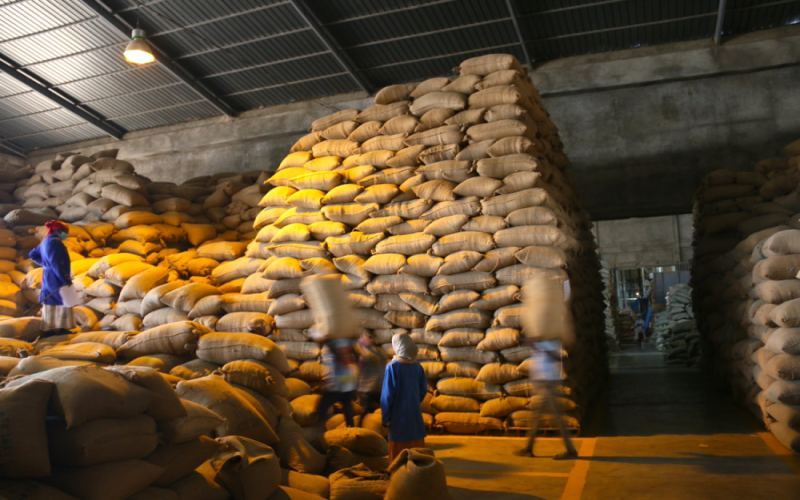
A Complete Guide to Green Coffee Packaging and Storage: From Jute Bags to Vacuum Seals and Freezing Methods
From the moment green coffee beans leave their place of origin and reach the roaster, the packaging and storage methods directly affect the final flavor. In the past, burlap sacks were the mainstream, but today specialty coffee has driven a series of more refined packaging and storage technologies, including vacuum bags, grain bags, and even frozen storage. This article will systematically introduce the commonly used green bean packaging methods, their respective advantages, disadvantages, and costs, and discuss warehouse environment management as well as different understandings of the concept of "seasonal." Whether you are a roaster or a coffee enthusiast, you can learn from this how to better maintain the freshness and quality of green beans. The burlap sacks commonly seen at Front Street stores are also mentioned in the article as one of the most economical options. [more…]
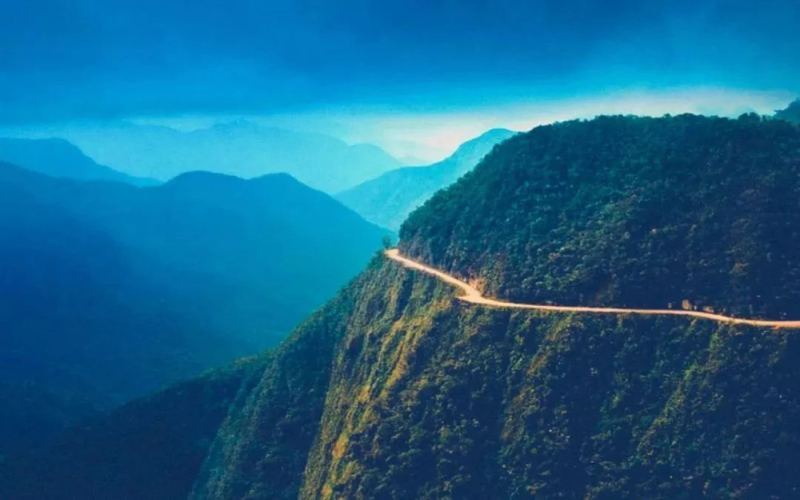
The Origins of Coffee Cultivation in Bolivia and a Full Analysis of the Java Variety Coco Natural Flavor from Finca Valiki
Although Bolivia is surrounded by two major coffee countries, Brazil and Peru, its high-altitude terrain has pushed coffee cultivation toward a "low-altitude" path. This article traces the rise and fall of Bolivian coffee since 1880, focusing on the terroir differences between the two major producing regions of Yungas and Caranavi in La Paz, and takes an in-depth look at the Java variety from the Waliki Estate sourced by Front Street Coffee. This bean uses a distinctive cocoa natural process, leveraging a cocoa dryer for low-temperature slow drying, presenting a complex profile interweaving floral notes, berries, and nuts. The article also discloses Front Street's medium-light roast curve, cupping performance, and V60 brewing parameters, providing coffee enthusiasts with a complete reference for tasting and hands-on practice. [more…]

Is Micro-Lot Coffee Always Higher Quality? Decoding the Unique Flavors of Costa Rica's Musician Series Mozart
Micro-lot coffee is often labeled as high quality, but is it necessarily superior to regular lots? This article examines the true positioning of micro-lot coffee from the perspectives of transportation costs, estate production logic, experimental processing, auction selections, and private customization. At the same time, using the Costa Rica Musician Series Mozart as an example, it introduces the flavor performance of this raisin honey-processed micro-lot from Front Street Coffee's bean list, and analyzes the differences between air-freighted lots and sea-freighted lots, helping coffee enthusiasts view the concept of micro-lots rationally. [more…]

Why Has Harar Coffee Gone from One of the Big Three Regions to Scarce? A Deep Dive into Its Historical Origins and Current Situation
Harar was once known, alongside Sidamo and Yirgacheffe, as one of Ethiopia's three major coffee regions, and it took the world by storm with its wild chocolate and red wine fermentation flavors. Yet today it is rarely seen on the market. This article begins with the historical origins of Yemen's Port of Mocha, traces the rise of Harar coffee, and takes a deep look at the multiple reasons behind its sharp decline in production, unstable quality, and the imbalance between price and quality, giving you a clear view of the entire process by which this legendary region fell from prosperity to decline. Finally, it includes the store information for Front Street Coffee. [more…]
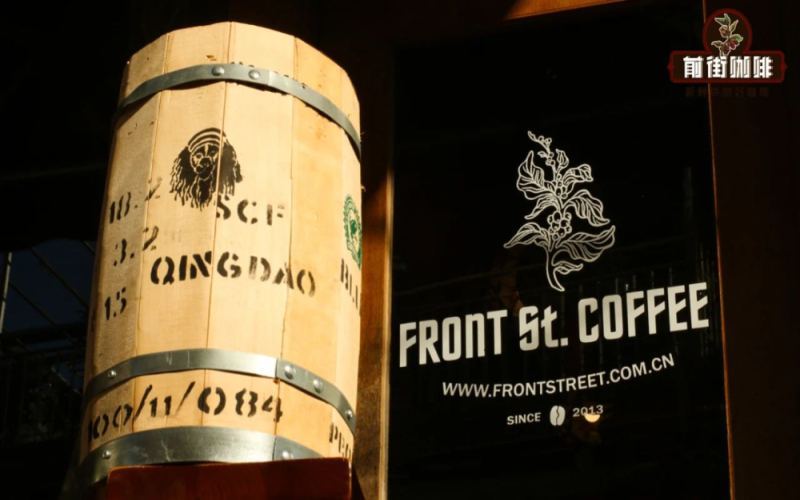
Which country does Jamaican Blue Mountain coffee come from? A full analysis of growing conditions, flavor characteristics, and authenticity identification
Blue Mountain coffee is one of the finest representatives of high-quality coffee. It is produced in Jamaica's Blue Mountains, where a cool and misty climate, fertile volcanic soil, and the Typica variety combine to create a classic flavor profile with balanced acidity, sweetness, and bitterness, and a clean, mellow character. Front Street Coffee sells washed Blue Mountain coffee beans grown at 1310m on Clifton Estate; after medium-dark roasting, they present rich dark cocoa, subtle fruity acidity, and a pronounced sweet aftertaste. Why is Blue Mountain coffee so expensive? Japan's long-term investment and preferential purchasing rights, the impact of hurricanes, labor costs, and the difficulty of mechanizing terraced fields are all important reasons. Jamaica also insists on packaging and transporting the coffee in wooden barrels of 15, 30, and 70 kilograms, and it must obtain a quality certification certificate from the Coffee Industry Board. Front Street Coffee also shares methods for identifying authentic Blue Mountain coffee: look for whole wooden barrels, apply for certification documents, and observe whether the roasted beans are uniform and plump. This article also compiles brewing suggestions and extraction parameters for Blue Mountain coffee to help coffee lovers recreate the classic Blue Mountain flavor. [more…]
What is a microlot coffee bean? Will the quality of microlot coffee beans be better than that of regular batches?
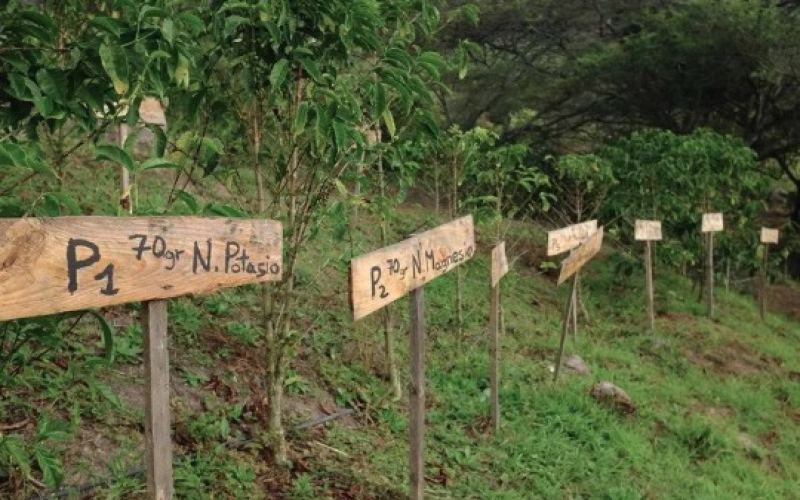
What is a microlot coffee bean? Will the quality of microlot coffee beans be better than that of regular batches? Now, when drinking single-origin coffee, it is very easy for us to trace back to which country, which producing area, and even to the ha [more…]
From Coca Fields to Coffee Plantations: The Rocky Road of Colombia's Coffee Industry Transformation
Colombia is the world's second-largest coffee-producing country, and its coffee is renowned worldwide for its smooth, balanced flavor. However, this nation abundant in high-quality coffee was once mired for a long time in coca cultivation. From the agricultural economy of the colonial period to the shocks of the modern market, from the government's eradication of coca to guiding farmers to switch to coffee, Colombia has walked an extremely difficult road. This article will sort through this history, analyze the struggle between cocaine and coffee, and the multiple challenges facing the transformation of the coffee industry, such as cultivation training, transportation, and funding guarantees. [more…]
Bolivia Coffee Regions and Java Variety Flavor Analysis: Waliki Estate and Washed/Natural Processing Methods
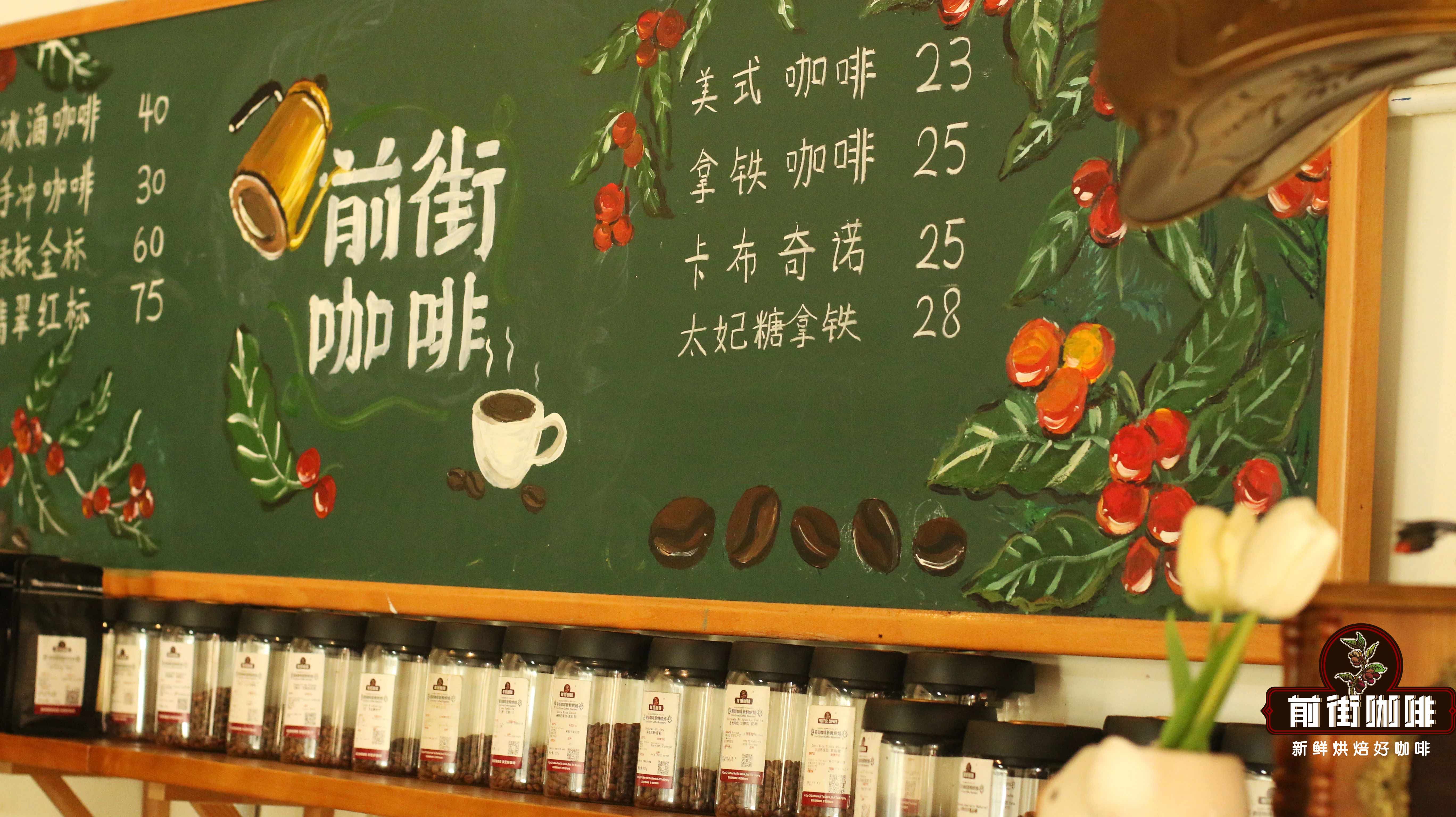
Although Bolivia is a low-output, niche coffee-producing country, it produces specialty coffee beans with distinctive flavors. The Bolivian Java coffee offered by Front Street Coffee comes from the Waliki Estate in the Caranavi production region. The estate covers only six hectares and sits at an altitude of over 1,660 meters. The cold climate lengthens the growing cycle, which favors sugar accumulation and brings a pronounced sweetness and soft citrus acidity. This article will introduce the varietal characteristics, processing methods, transportation difficulties, and cupping and pour-over performance of Bolivian coffee, and compare it with Indonesian West Java coffee beans, helping readers gain a comprehensive understanding of the unique charm of this niche origin. [more…]
Flavor Analysis of Bolivian Geisha and Java Varieties: From Origin Challenges to the Rodriguez Family's Specialty Journey
Although Bolivia is hailed as an ideal place for coffee cultivation, its production has always been limited, yet its coffee impresses with rich sweetness and soft acidity. From the cupping perspective of Front Street Coffee, this article sorts through the historical ups and downs of Bolivian coffee, the distribution of producing regions, and cultivation models, focusing on how the Rodriguez family has driven the development of specialty coffee, and offering an in-depth analysis of the origins of the Geisha and Java varieties. The article also documents in detail a cacao natural Java coffee bean from Finca Valiki that Front Street Coffee cupped, presenting the unique charm of this bean in full, from processing method, roasting curve, to brewing parameters and flavor description. [more…]
Bolivian Coffee Beans | Why is Bolivian coffee rarely seen in China? What unique characteristics does Bolivian coffee have?w
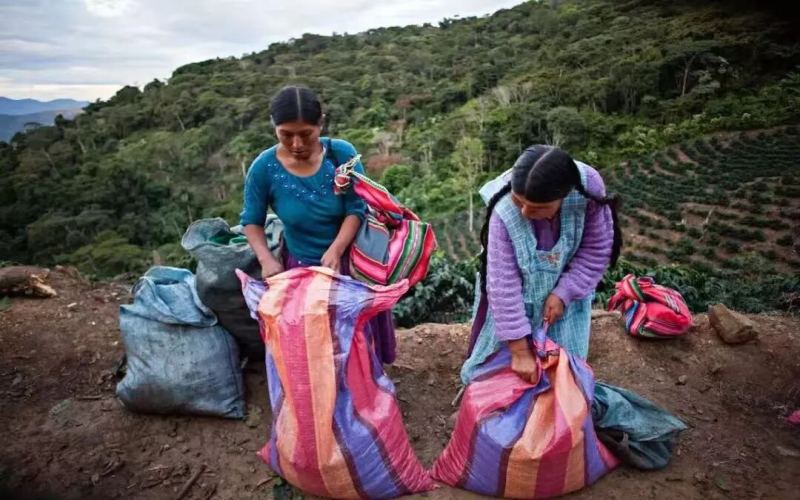
Bolivia is a fascinating place. Although it is called a paradise for coffee growing, its production has always been low. Front Street Coffee is deeply impressed by the delicate flavors of Bolivian coffee. In terms of flavor expression, Bolivian coffee is mostly characterized by rich sweetness and soft acidity. At the 2017 WBC (World Coffee [more…]
A Complete Analysis of Bolivian Coffee Regions: From Java Variety to the Rodriguez Family's Specialty Journey
Although Bolivia is hailed as an ideal place for growing coffee, its production has always remained low, and it even once became a minor coffee country. Yet the coffee flavors nurtured on this land are stunning—rich sweetness and soft acidity make it stand out in the specialty coffee world. Front Street Coffee has introduced several Bolivian beans, among which the Java variety cultivated by the Rodriguez family is especially striking, known as Geisha's cousin. This article will guide you through the regional characteristics, development history, and cultivation models of Bolivian coffee, and provide an in-depth analysis of the Coco Natural Java coffee beans from Waliki Estate, from variety tracing to processing innovation, exploring the coffee charm of this landlocked South American country. [more…]
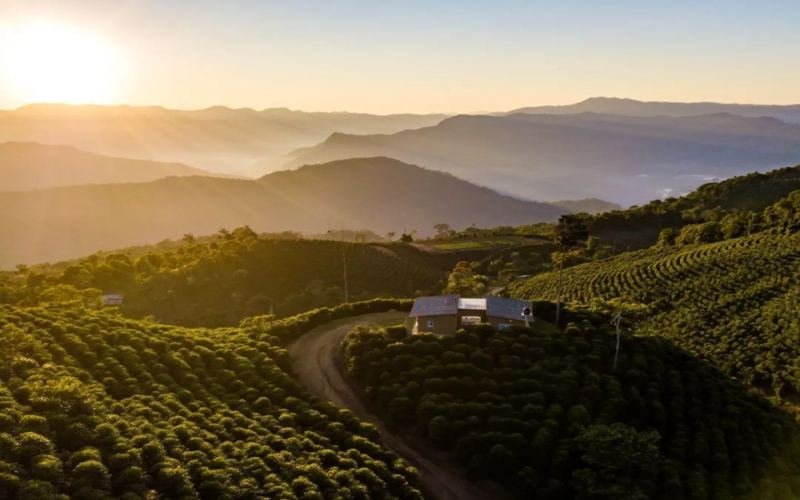
Planting Background, Development Trajectory, and Java Variety Flavor Analysis of Bolivian Coffee Regions
Although Bolivia is hailed as an ideal place for growing coffee, its production has always been limited. The high altitude and diverse terrain give the coffee rich sweetness and soft acidity. It was with Bolivian Geisha that Miki Suzuki, runner-up in the 2017 WBC, won attention. However, steep roads, the temptation of coca cultivation, and the blow of leaf rust in 2013 have repeatedly brought twists and turns to the coffee industry of this landlocked South American country. From the glory of the COE competition to the export difficulties amid political turmoil, the revival of Bolivian specialty coffee cannot be separated from the perseverance of the Rodriguez family. They promote the Tomorrow's Sun project and have cultivated distinctive bean varieties such as Coco Natural Java. This article will introduce Bolivia's coffee-producing regions, historical context, and variety flavors, and Front Street Coffee also shares its cupping experience. [more…]