







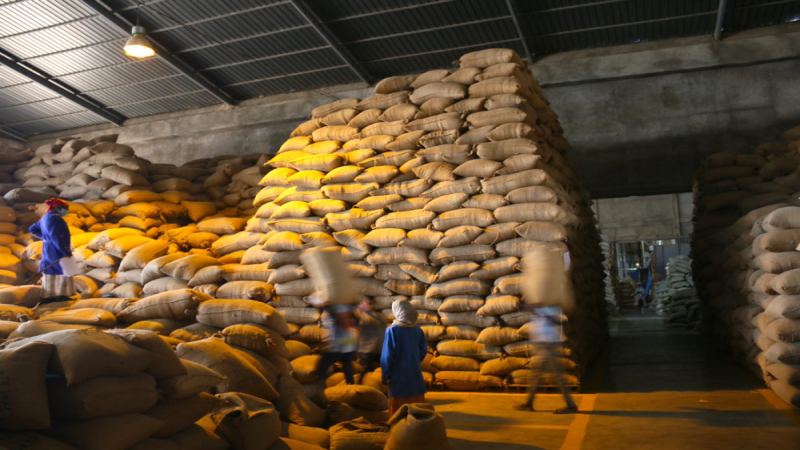
From the place of origin to the roaster's hands, the packaging and storage of green coffee beans directly affect the final flavor. In the past, burlap sacks were the mainstream, but today specialty coffee has driven a series of more refined packaging and storage technologies, including vacuum bags, grain bags, and even frozen storage. This article will systematically introduce common green bean packaging methods, their respective advantages, disadvantages, and costs, and discuss warehouse environment management as well as different understandings of the concept of "seasonal." Whether you are a roaster or a coffee enthusiast, you can learn how to better maintain the freshness and quality of green beans. The burlap sacks commonly seen in Front Street Coffee stores are also mentioned in this article as one of the most economical options.
For a long time in the past, green coffee beans were almost entirely packaged in burlap sacks and then shipped by container. From completion of processing to arrival in the roaster's hands, several months often passed. If importers or roasters wanted to cup samples from the place of origin, or taste "pre-shipment samples," the beans they received might have deteriorated in quality due to harsh conditions during storage or transport.
In the last decade, some small roasters focused on quality began trying to change the way green beans are packaged and transported. Many roasting companies—even very small ones—now buy coffee directly from growers, share cupping and scoring information with farmers, and use faster logistics as well as packaging specially designed to better maintain bean freshness. This kind of packaging is not cheap, but considering the continuously rising prices of specialty coffee, the increased shipping cost is also within an acceptable range.
The following are several of the most commonly used packaging methods in the industry:
Burlap sacks are the most common and most economical choice for packaging and transporting green beans, and they can be seen everywhere in Front Street Coffee stores. Jute is a renewable resource, burlap sacks are inexpensive, and using them does not require mills or export points to have special skills or equipment. However, burlap sacks cannot block moisture and odors, so the coffee beans inside are easily damaged during storage and transport.
Vacuum packaging is considered the best solution for green bean packaging. Vacuum bags can isolate moisture, odors, and oxygen, and significantly slow the beans' respiration, thereby delaying aging. Before putting green beans into vacuum bags, close attention must be paid to water activity to prevent mold during storage. The cost of vacuum packaging is about US$0.15–0.25 per pound (€0.45–0.75 per kilogram), and it requires specialized machines and skills, and usually also slows down the pace of transport, so this method is not without costs and risks.
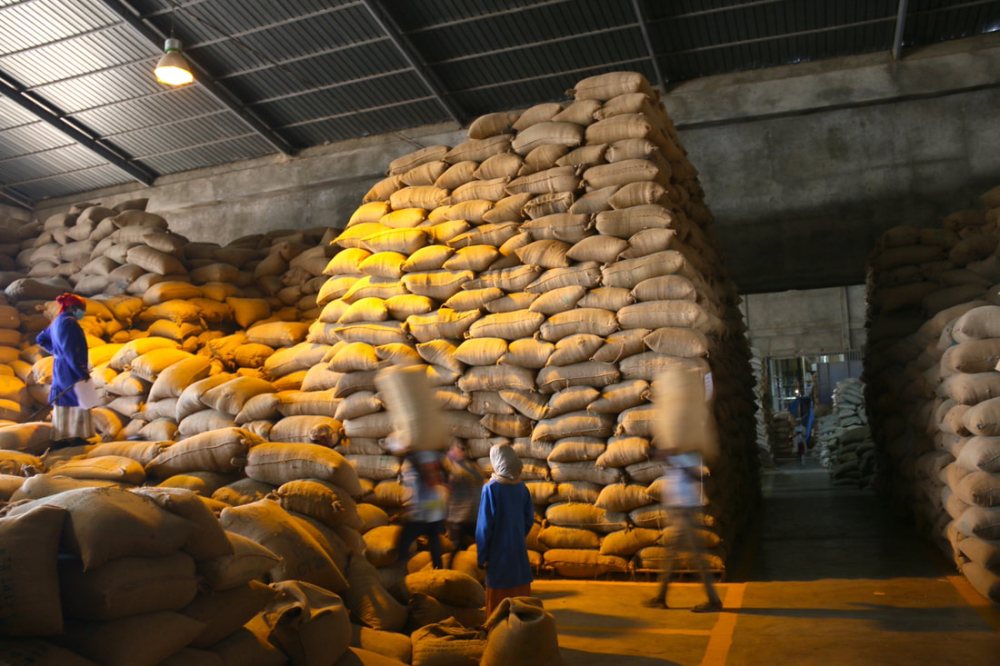
Burlap sacks and other sealed bags can also isolate green beans from moisture and odors, and are cheaper and more convenient than vacuum bags. Grain bags protect green beans for much longer than burlap sacks, but only about half as long as vacuum bags. The cost of grain bag packaging is US$0.05–0.10 per pound (€0.15–0.30 per kilogram), making grain bags the most practical and best choice for quality-focused roasters. As with vacuum packaging, close attention must be paid to the beans' water activity before bagging to avoid mold or microbial growth during storage.
Frozen storage, that is, placing green beans in vacuum bags and then storing them in an environment below 0°C (32°F), can keep coffee flavor for several years. Some roasters freeze large quantities of specialty coffee for several years and then sell it as "vintage coffee beans," although current market demand for such beans is still very small. Cold storage can preserve the flavor of five-year-old green beans as well as one-month-old new beans, which is truly surprising, but the cost is too high, and some even consider it a waste. However, in high-temperature regions, freezing is still well worth considering, because most green beans will be damaged after a few days in extremely hot environments.
No matter which method roasters choose, they must take action to ensure a stable storage environment in the warehouse throughout the year. Extremely hot or humid environments, storing green beans high above the ground (where temperatures may be higher than expected), or placing green beans too close to the roaster can all affect green bean quality.
Seasonality
In recent years, some roasters have particularly emphasized offering only "seasonal" coffee beans. As with many concepts in the coffee industry, there is no uniformly accepted definition of seasonality. Some believe that only recently harvested green beans count as seasonal, while others define the harvest time of seasonal green beans less strictly.
Professional green bean buyer Ryan Brown once proposed a definition: "We focus on seasonality precisely because we focus on coffee quality. As long as the cup tastes vibrant, can express its acidity, and has no signs of being 'old,' then the beans can be called seasonal, and it is as simple as that."
The above content is compiled by CoffeeHunters, a coffee news website.


