








Why did Harar coffee fade from the big three regions?
Harar was once named alongside Sidamo and Yirgacheffe as one of Ethiopia's three major coffee regions, known for wild chocolate and red-wine fermented flavors. Today it is rarely found on the market. Production has fallen sharply, quality has become inconsistent, and price no longer matches what buyers get, so the region has largely dropped out of regular specialty offerings.
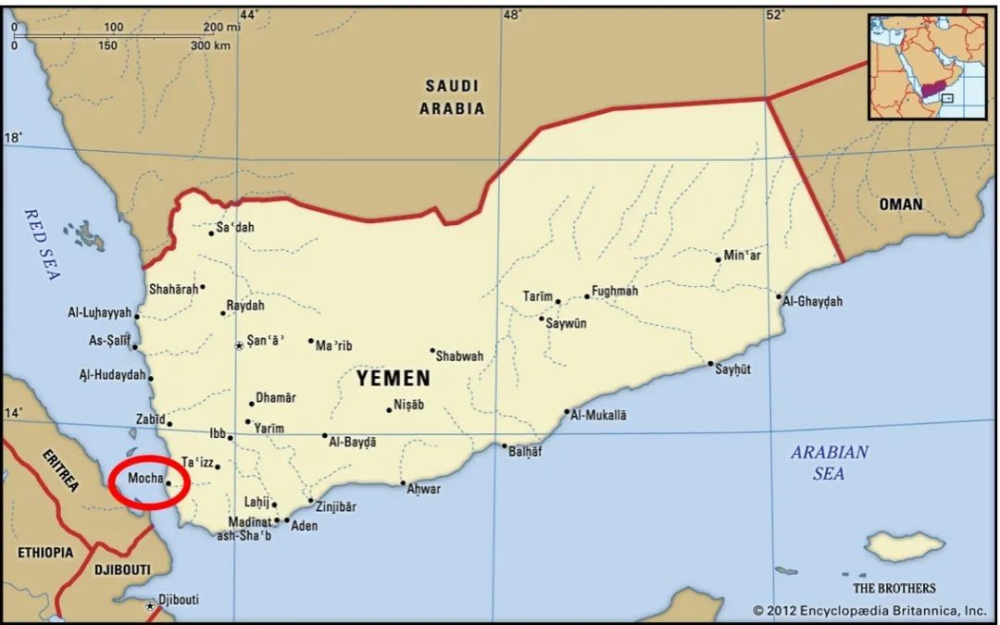
The story starts at Yemen's Port of Mocha, where coffee from many areas was gathered and shipped for centuries, and where exporters stamped Mocha on the sacks. Yemeni growers later planted coffee trees on low-rainfall slopes, a hard test for the arabica variety, and used rough natural sun-drying. That combination produced the original Mocha character, but it also left later Harar output hard to keep consistent.
Harar was once known alongside Sidamo and Yirgacheffe as one of Ethiopia's three major coffee regions, winning worldwide fame with its wild chocolate and red-wine fermented flavors. Yet today it is rarely seen on the market. This article begins with the historical origins of Yemen's Port of Mocha, traces the rise of Harar coffee, and offers an in-depth analysis of the multiple reasons behind its sharp decline in production, unstable quality, and the imbalance between price and quality, giving you a clear view of this legendary region's full journey from prosperity to decline, with Front Street Coffee's store information included at the end.

Why Harar Earned Its Place Among the Big Three Regions
Let us first turn our gaze to Yemen—it was this country that pushed coffee onto the global stage. Within Yemen lies a port city facing Harar across the sea, named the Port of Mocha.
From the fifteenth century onward, for several hundred years, because transportation conditions were extremely primitive, coffee beans produced in various places all had to first converge at the Port of Mocha, then cross the Red Sea from there to be sold around the world. It could be said that in that era, the Port of Mocha was the transit heart of the entire coffee trade.
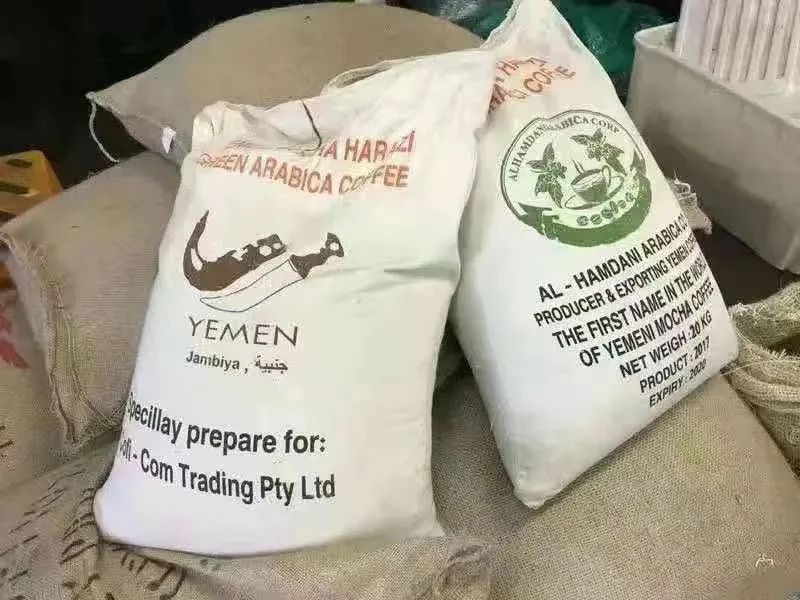
The earliest batches of coffee beans exported through the Port of Mocha carried an intense chocolate aroma, which Europeans could not get enough of. To indicate that these beans had indeed been shipped from the Port of Mocha, exporters deliberately printed the word "Mocha" on the burlap sacks as a mark. Over time, all coffee beans bearing the Mocha mark came to be collectively known as "Mocha coffee."
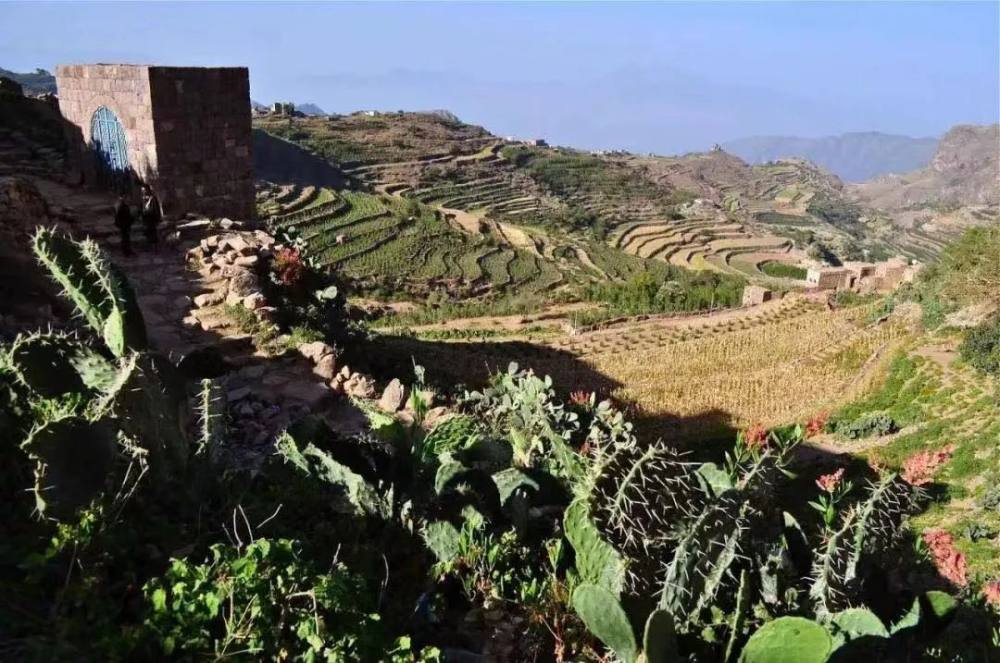
Later, Yemen began growing coffee itself. They planted coffee trees on slopes with scarce rainfall and harsh conditions—conditions that amounted to a survival test for the Arabica variety, but such is Yemen's geography, with no other choice. In green bean processing, they were also quite rough, using the natural sun-dried method and casually spreading the beans out on open ground to dry.
Yet it was precisely this unique terrain combined with rough processing methods that created the world-renowned "Mocha coffee." The long sun-drying fermentation gave it a faint fruity aroma and a red-wine-like fermented charm. After dark roasting, the beans also presented a rich chocolate character, truly wild in nature. Soon after, people made a discovery—the coffee produced in Harar, across the strait, actually possessed flavors extremely similar to Yemeni beans!
Harar's beans likewise have a solid chocolate base, along with blueberry sweetness and a red-wine fermentation quality, equally full of wild tension. This is because the growing conditions, climate environment, and processing methods of the two places are almost identical. For this reason, the coffee produced in Harar was given the name "Ethiopia's Mocha."
The chocolate flavor that people outside Africa first encountered came from Yemeni coffee exported through the Port of Mocha, but whether in terms of bean varieties, cultivation techniques, or processing methods, Yemen's roots all lie in Harar across the sea. Harar beans, with their highly similar flavors, thus quickly gained recognition, and sales soared.
There was even a saying circulating: the first batch of beans shipped from the Port of Mocha was actually produced in Harar. Some people also passed off Harar beans as Mocha to sell at high prices. With both fame and profit secured, Harar naturally became one of Ethiopia's three major coffee regions.
Harar's burlap sacks are also very distinctive, printed with a horse pattern as the region's exclusive emblem. In that era of underdeveloped transportation, most goods could only be transported by horse-drawn cart, so a fine thoroughbred horse was the symbol of "the best" in Ethiopians' hearts. Printing a good horse on the burlap sack implied that Harar coffee was also a top-quality product benchmarked against the finest.
Why Harar Coffee Is Now Hard to Find
Originally, all of Harar's producing areas were located in Hararghe Province in the eastern highlands of Ethiopia. This province was quite vast at the time, even larger than Sidamo, and its output went without saying.
But after Ethiopia redrew its administrative divisions, most of the producing areas were incorporated into Oromia Region, Hararghe Province was abolished, and it was replaced by Harari Region centered on Harar city. The producing area shrank, and production was halved accordingly. However, this alone is not enough to explain why it rarely appears.
The real reason Harar beans are increasingly hard to find on the market is the severe mismatch between their quality and their high price. Harar's local traders are powerful and firmly believe their natural sun-dried processing is the optimal method, thus rejecting the introduction of other new processing methods. But Harar's sun-drying conditions often cause large quantities of beans to mold and spoil during processing, resulting in generally low quality overall.
After a series of setbacks, Harar produces only a small amount of specialty beans, and these good beans are booked up early by dedicated buyers. The rest either fail to meet cleanliness standards or have quality defects. On top of that, inconvenient transportation means the remaining beans must undergo long transport and cumbersome export procedures, causing quality to plummet even further.
The result is that the samples at cupping sessions and the goods buyers actually receive are two completely different things, which discourages many green bean traders, who turn instead to other Ethiopian regions with more diverse processing methods and more prominent flavors.
To this day, although quality Harar can occasionally still be found at a few coffee stalls, such quantities are truly disproportionate to its illustrious reputation as one of the three major regions.
Front Street Coffee (FrontStreet Coffee)
No. 10, Bao'an Qian Street, Yandun Road, Dongshankou, Yuexiu District, Guangzhou, Guangdong Province
The above content is compiled by CoffeeHunters, a coffee news website.


