






Does a Micro-Lot Really Mean Higher Coffee Quality?
A micro-lot label does not guarantee higher quality. It signals a small production batch with traceable estate growing and usually above-average flavor. Because volumes are tiny, sea freight costs climb sharply, so exporters often choose air freight to protect freshness, and a lot only sells when its cup profile justifies the higher price.
The specialty coffee market has spread micro-lots beyond Central America, but early examples came from estates in Colombia, Panama and Costa Rica that prioritized variety, cultivation and processing over volume. Costa Rica's honey-processed Musician Series Mozart shows the style. Air-freighted lots arrive fresher than sea-freighted ones, while sea freight stays cheaper for large volumes.
Microlot coffees are often labeled as high quality, but are they necessarily superior to regular lots? This article analyzes the true positioning of microlot coffee from the perspectives of transportation costs, estate production logic, experimental processing, auction selections, and private customization. At the same time, using Costa Rica Musician Series Mozart as an example, it introduces the flavor performance of this raisin honey-processed microlot from the Front Street Coffee bean list, and explains the differences between air-freighted and sea-freighted lots, helping coffee lovers view the concept of microlots rationally.

What is microlot coffee? Literally, it can be understood as a batch of coffee with a small production volume. This is indeed the case in practice, and the quantity of microlots is usually limited. For consumers, it often also means small-batch coffee of higher quality or with more unique flavor.
Why has this impression formed? Coffee beans are a bulk commodity, and transportation costs account for a significant share of expenses. The vast majority of coffee beans rely on sea freight for export because, with large production volumes, sea freight is a relatively low-cost mode of transportation and is therefore widely adopted. But sea freight requires renting containers; for example, a 20-foot container can hold about 17.5 tons. If the lot is too small and the quantity of beans is too low, the sea freight cost allocated to each kilogram will rise noticeably. Even if other transportation methods are used, the cost will still be much higher. Therefore, if a microlot coffee is not unique enough—if its flavor is not outstanding and its quality is not high enough—then losing competitiveness because of higher freight costs will put it at a disadvantage against coffee beans of the same quality.
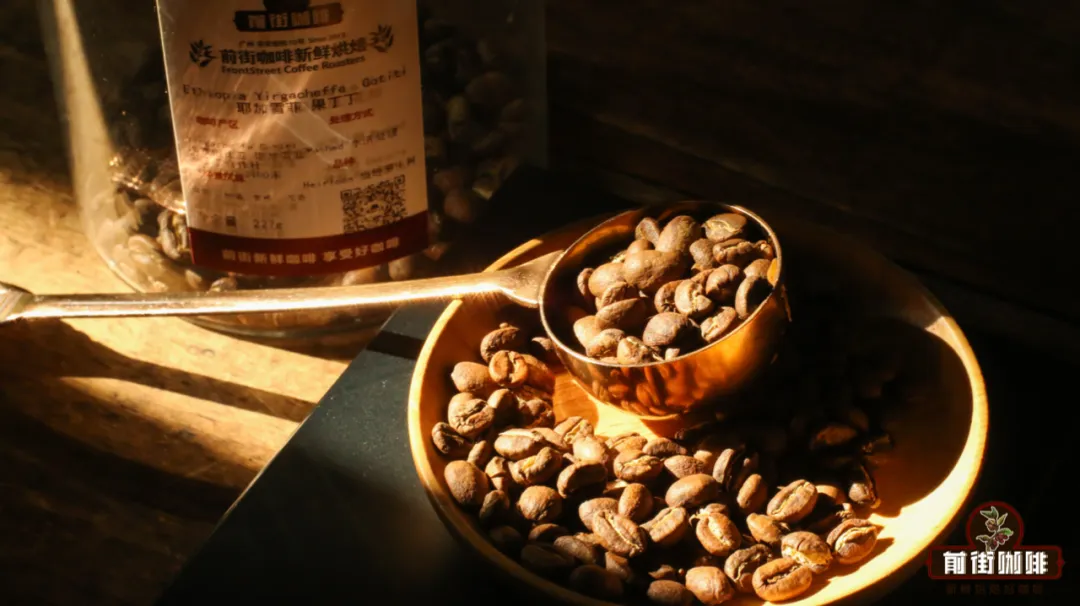
So although "microlot" coffees circulating on the market are priced higher than similar goods, their quality and flavor are usually guaranteed to some extent. Generally speaking, microlots are mostly produced by estates, especially in the early days in Central American producing regions such as Colombia, Panama, and Costa Rica. Compared with volume, these estates value quality more, so they pay special attention to the effects of variety, cultivation, and processing methods on coffee.
However, with the spread of the specialty coffee concept, more and more producing regions have begun to emphasize coffee quality and have also realized the role of each stage in shaping flavor, so microlot coffees have become increasingly common. Among them, specially processed microlots made for experimental purposes are relatively common.
Experimental microlots with special processing
For example, if some estates originally mainly used natural and washed processing, and one day wanted to try what effect other processing methods would bring, such as anaerobic natural or double anaerobic natural, they would take out a portion of coffee beans and make it into a separate batch for experimentation.
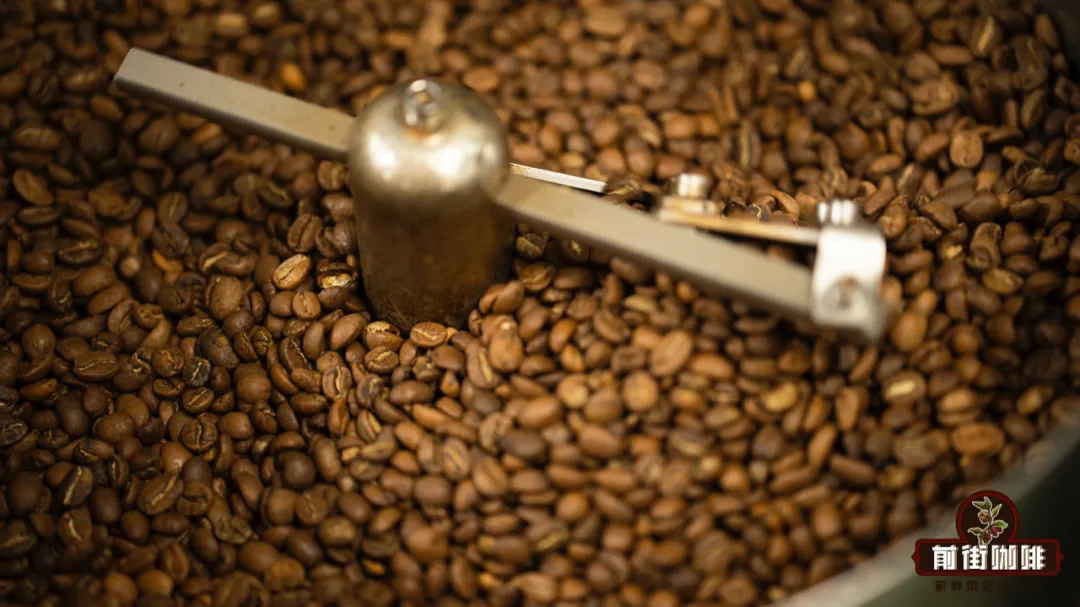
Because of the small output and special nature, this batch of beans will not be mixed with coffee processed in the regular way, so it is called "microlot coffee." This kind of experimental bean is usually brought by coffee hunters to various places to observe market reaction, serving as a reference for the next year's production plan. If the feedback is good, it can be produced in large quantities the next quarter; if the feedback is poor, then it is better to stop in moderation.
Of course, in the case of some famous large estates, after receiving positive feedback, these experimental microlots can even appear as special lots in official website auctions, raising their value. Microlots that can participate in auctions are often of higher quality, for example by selecting coffee beans grown at higher altitudes or by using more meticulous processing.
Carefully selected microlot coffee
Some estates also select the coffee beans with the best flavor and better quality to sell separately as a batch or to enter auctions, such as Hacienda La Esmeralda. Hacienda La Esmeralda has three estates, divided into 22 plots. Every year the estate selects several batches of coffee with the best flavor through cupping for separate auction, with each batch only 50 pounds or even less.
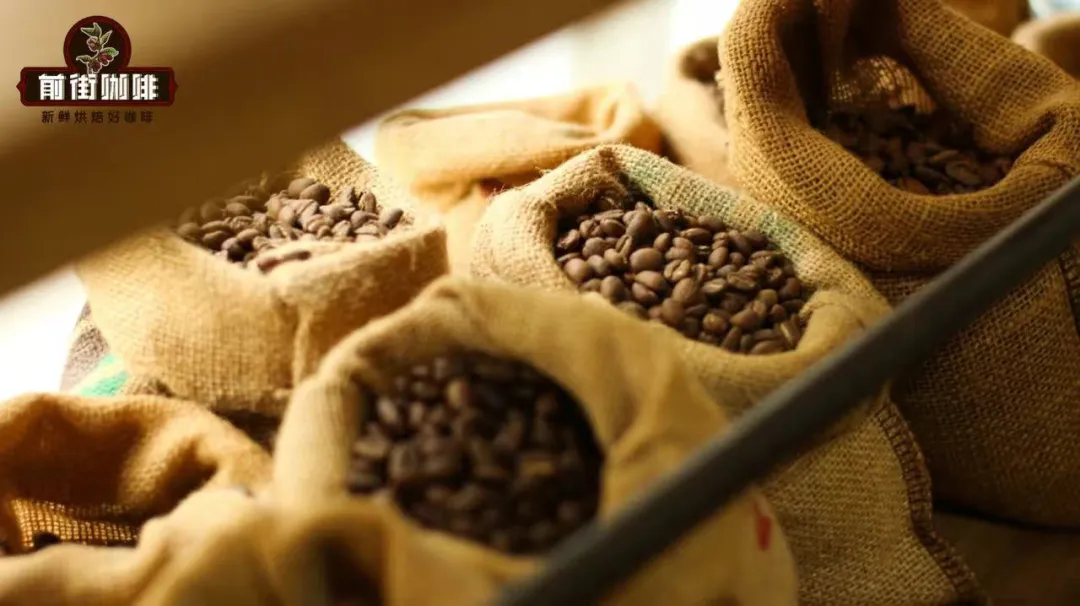
Many other estates also use similar methods to identify their most outstanding coffee beans to enter various competitions. These beans are undoubtedly the estate's best representatives, so both quality and price are higher than regular products.
Privately customized microlot coffee
Many estates have already opened private customization services, processing and producing a batch of coffee beans according to customer requirements, or jointly developing new project lots with traders and roasters. On the Front Street Coffee bean list there is just such a microlot coffee—Costa Rica · Mozart.
This bean uses raisin honey processing, and the flavor is very unique. You can clearly taste notes similar to lavender floral aroma, raisins, sweet orange, and berries, and its performance is quite good.
Microlot coffee for early access
Every year, after some highly famous producing regions or well-known brands enter the harvest season, new-crop coffee beans labeled "air-freighted lot" quickly appear on the market. For example, on the Front Street Coffee bean list, Gesha Village · Red Label Gesha, Ethiopia · Flower Queen, and others all have similar examples.
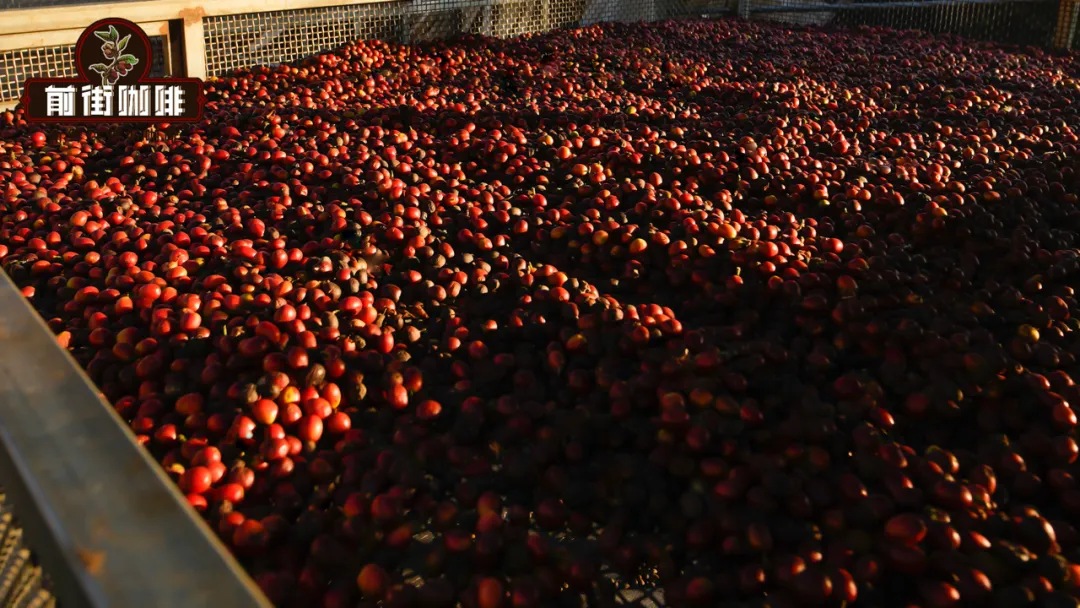
These lots are intended to warm up the market in advance and pave the way for the sea-freighted lots that will arrive 1~2 months later. Air-freighted lots let consumers taste the deliciousness of the new-crop coffee early, thereby increasing the popularity of the beans and making the sea-freighted lots more competitive. Usually, the quality of air-freighted lots tends to be higher than that of sea-freighted lots, and the price is likewise higher.
- END - Front Street Coffee Frontstreet coffee
No. 315, Donghuadong Road, Dadong Street, Yuexiu District, Guangzhou, Guangdong Province
The above content is compiled by CoffeeHunters, a coffee news website.


