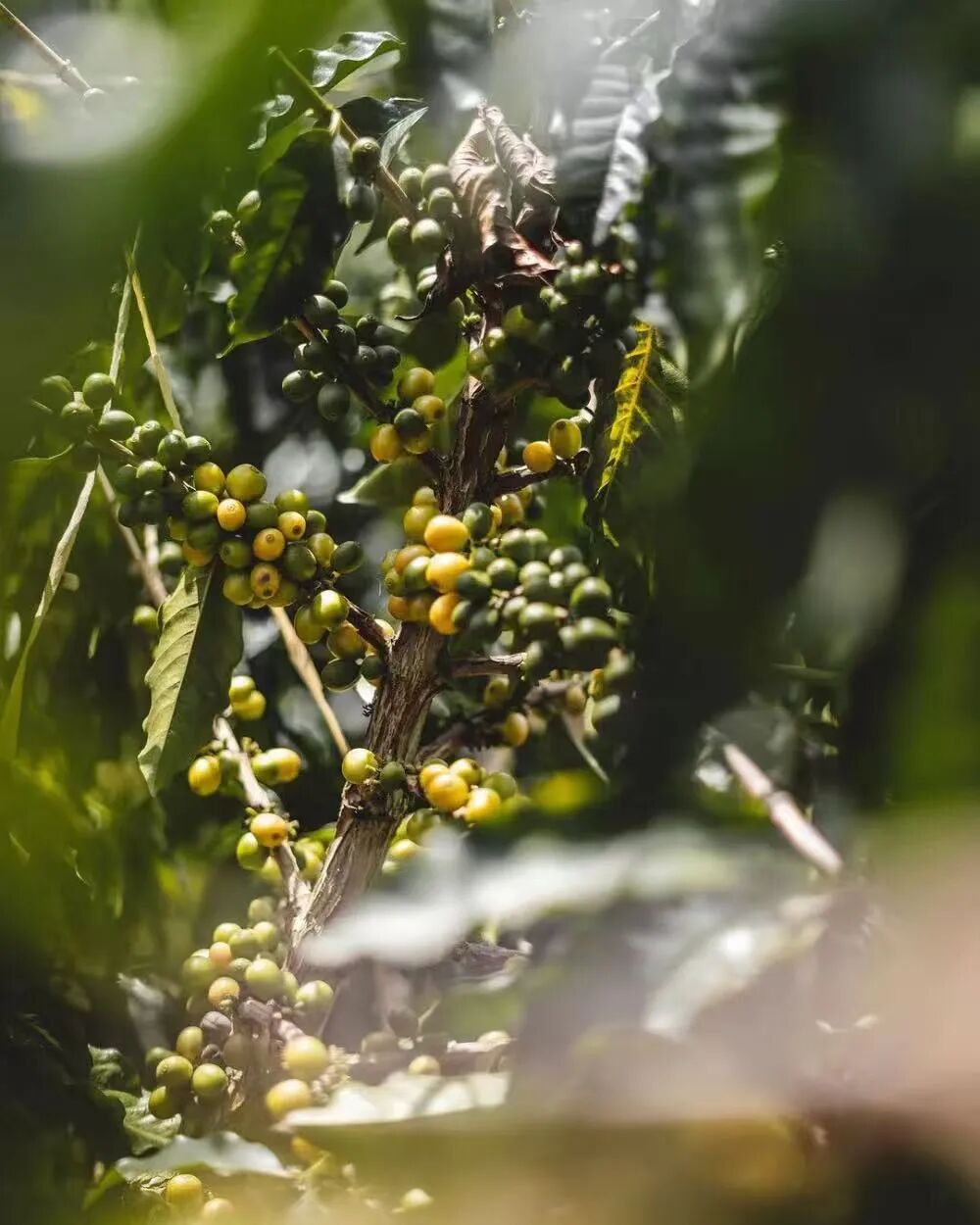
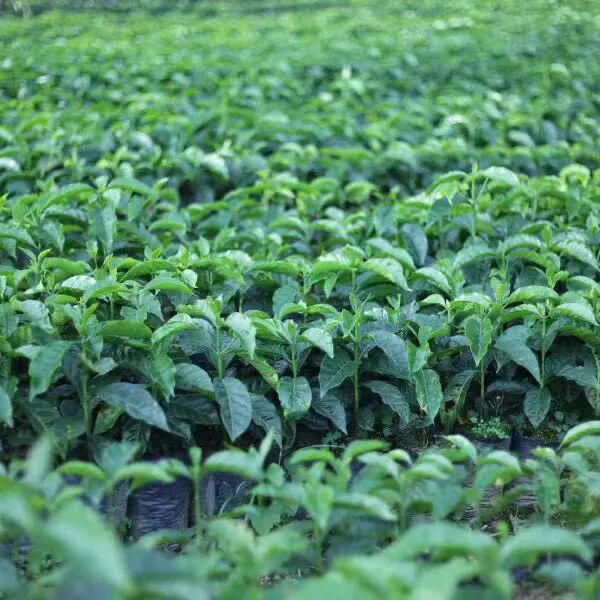
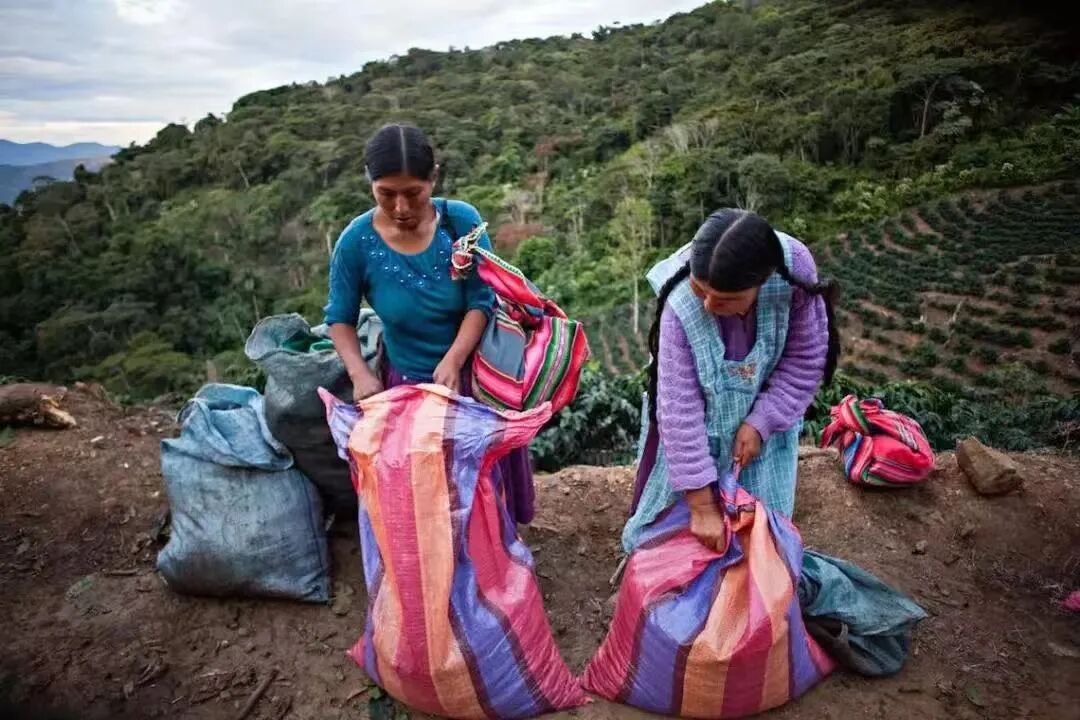
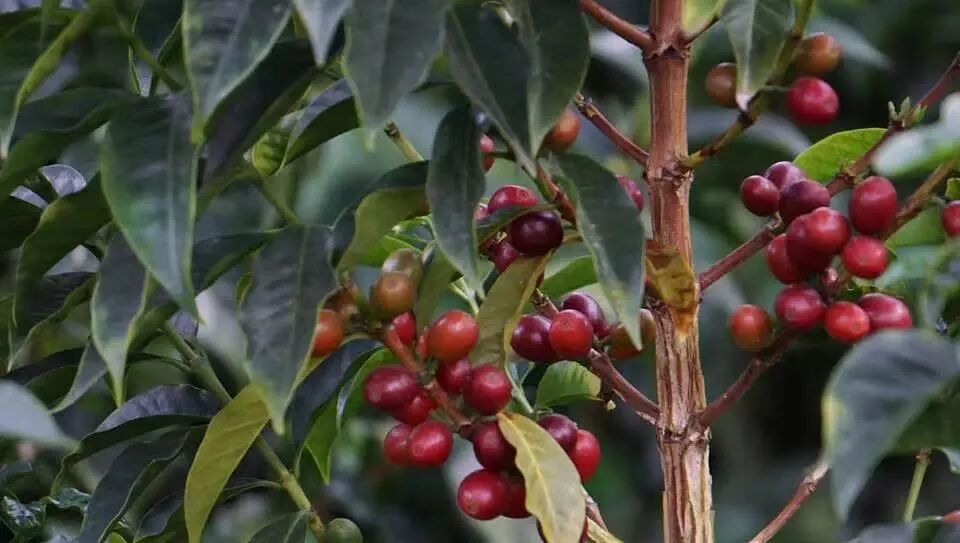
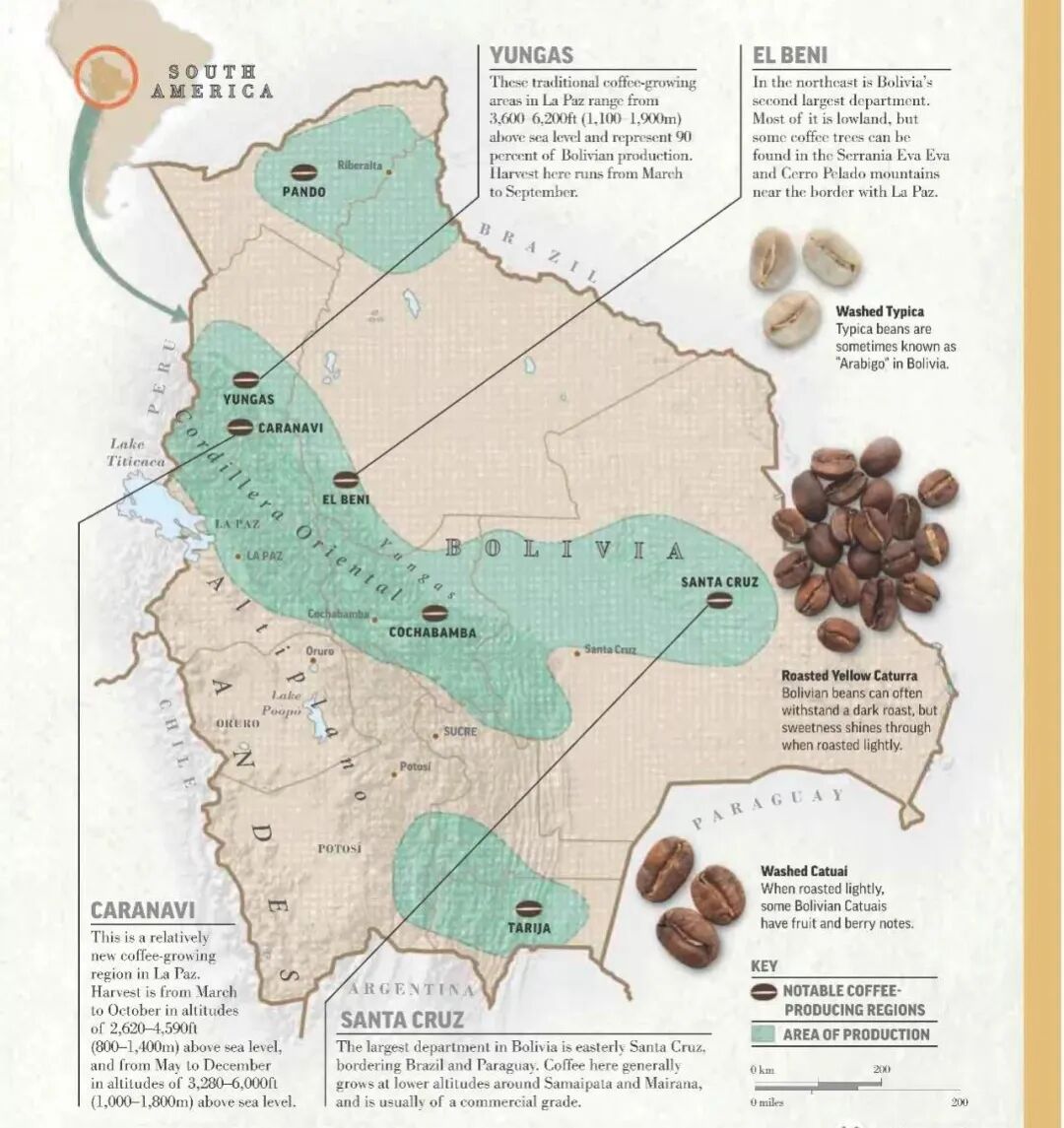
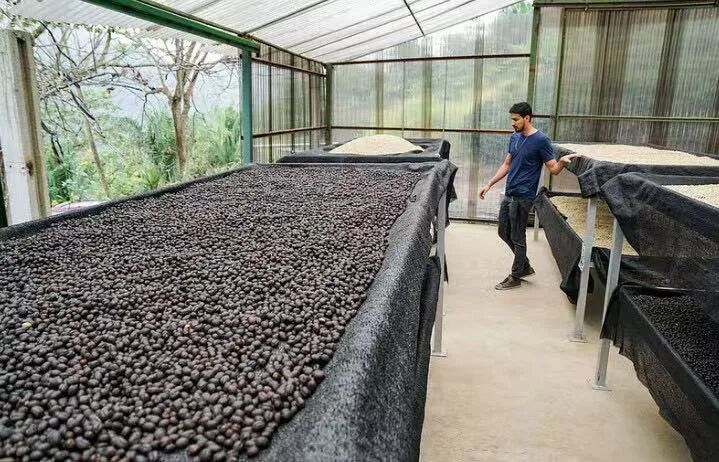
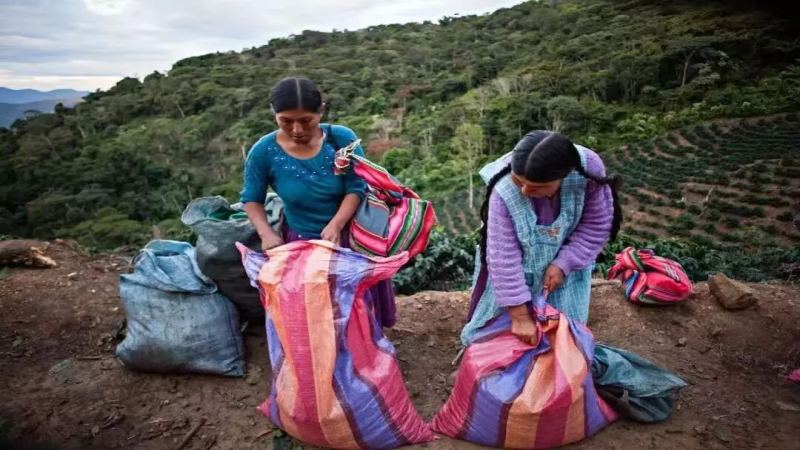
Bolivia is a fascinating place. Although it is called a paradise for coffee growing, its production has always been low. Front Street Coffee is deeply impressed by the refined flavors of Bolivian coffee, which are mostly expressed in rich sweetness and soft acidity. At the 2017 WBC(World Barista Championship), Japanese competitor Miki Suzuki used Geisha coffee beans from Bolivia and, with her superb skills and the profound flavors of Bolivian coffee, won the world runner-up title.Speaking of Bolivian Geisha, Front Street cannot help but mention a Java coffee bean cupped some time ago. Java can be said to be a cousin variety of Bolivian Geisha, exuding a unique and elegant flavor, sweet and sour, with a creamy and smooth mouthfeel.Bolivia borders Brazil and is a landlocked country in South America. Bolivia has diverse terrain, from the high peaks of the Andes to vast salt plains, with an average altitude of over 3,000 meters. Its constitutional capital is Sucre, while the actual seat of government is La Paz. La Paz stands at an altitude of more than 3,600 meters, making it the highest capital in the world. High altitude brings great advantages for coffee cultivation, but Bolivia's coffee industry remains weak, with an annual output of only 223,000 bags(60 kg/bag). The low production is caused by several reasons. First, transportation is inconvenient. Coffee-growing areas often have rugged and dangerous roads, making it difficult to transport coffee out. North Yungas Road(North Yungas Road)is recognized as the most dangerous road in the world. The mountain road basically hugs the edge of cliffs, with no guardrails, and when fog appears, vehicles often overturn. Every year, hundreds of people die here in traffic accidents, and some call it the world's number one "Death Road"(El Camino de la Muerte). The harsh transportation conditions also create huge difficulties for coffee transport. In recent years, the Bolivian government has understood that safe transportation is important for exports and is investing heavily in road construction. Another very important reason is that Bolivia has a small population, only 10.5 million people, and most people are quite poor. Growing coca leaves, which bring greater returns(used as drugs)is more secure, causing many farmers to abandon coffee, and even completely give up their farms. Growing coca requires the use of large amounts of chemical pesticides and fertilizers, which greatly damages the soil. In addition, when leaf rust struck in 2013, Bolivia lost 50% of its coffee production in just one year, directly becoming a small coffee-producing country.The Development History of Bolivian CoffeeIn 1880, Bolivia had a large amount of coffee production, basically on some large farms north of La Paz.In 1991, the government promoted a plan for indigenous people to invest in coffee cultivation, but did not attach importance to coffee quality. Then the government encouraged the cultivation of coca leaves, whose profits were four times that of coffee, causing many farmers to abandon coffee, and even completely give up their farms.In the early 2000s, the United States strongly supported Bolivian agriculture, but because the Bolivian government supported coca leaf cultivation, relations instead deteriorated, which made coffee farmers suffer greatly. Later, under Bolivia's limited anti-drug war, many programs helpful to coffee development were restarted. For example, COE was held with the support of US aid USAID.In 2004, Cup of Excellence(abbreviated as COE)was held in Bolivia. At that time, 13 specialty beans scored above 84 points in total cupping score, and the champion bean scored as high as 90.44 points. The price of green beans also rose accordingly.In 2009, Bolivia participated in the COE competition for the last time. Due to political factors, Bolivia has still not returned to COE.In 2013, leaf rust struck. Combined with the government's coca leaf policy, Bolivia's coffee production decreased by 70% over the past decade, further reducing it to a small coffee-producing country.In 2018, Bolivia signed a quality inspection agreement with China regarding Bolivian coffee exports.In 2019, Bolivia's political turmoil once again made everything uncertain. The coup paralyzed cities and made coffee exports extremely difficult.Bolivian coffee can usually be traced back to a single farm or cooperative. Due to land reform, landowners with huge tracts of land have decreased significantly since 1991. The 23,000 coffee-producing families in Bolivia all grow coffee on small farms ranging from about 1.2 to 8 hectares.Bolivia's main coffee-producing region is Yungas(Yungas), with cultivation at an altitude of 800-2,300 meters and a harvest period from July to November. 95% of Bolivia's coffee comes from this region. Yungas(Yungas)is located on the eastern side of the Andes and is covered by an entire forest that stretches from Peru across Bolivia and into Argentina. The region has some of the highest-altitude coffee in the world and is also Bolivia's oldest coffee-producing region. The government seat La Paz mentioned earlier is located in the western part of this region.In addition to Yungas(Yungas), there is also Santa Cruz(Santa Cruz)and Beni growing coffee. Santa Cruz(Santa Cruz)is located in the easternmost part of Bolivia, but because its altitude is not high enough, high-quality coffee is rare there, and its cultivation volume accounts for about 3% of the country.The Rodriguez Family RodriguezThe development of specialty coffee in Bolivia can be said to owe much to the Rodriguez family. The Rodriguez family began growing coffee in 1986. Due to policies, natural disasters, and other factors, the number of coffee estates in Bolivia gradually decreased. In order to develop the coffee industry, the Rodriguez family began buying land and establishing new estates to grow high-quality specialty coffee, such as Bolivian Geisha coffee beans. The Rodriguez family coffee estates include a total of 12 estates, 4 of which are in Santa Cruz(Santa Cruz), and 8 are in Caranavi in La Paz(La Paz). The estates integrate harvesting, processing, packaging, and exporting.[El Sol de Manana] was a plan launched in 2016 by the Rodriguez family to support small farmers in growing high-quality coffee. By providing coffee farmers with more vocational training and knowledge skills, discounts on the purchase of the latest coffee seeds and other related consulting, as well as fairer trading prices; at the same time, it set up an incentive mechanism for coffee farmers who cultivate seriously and reach a certain cupping score, thereby improving the quality of local coffee and bringing coffee farmers' income and quality into a virtuous cycle of sustainable operation.Front Street previously cupped a batch of washed Java Typica coffee beans from the El Sol de Manana project, with rich flavor and mouthfeel, soft strawberry acidity, caramel sweetness, and a slight cocoa and almond finish.Bolivia's traditional coffee varieties mainly include Typica, Catuai, Red and Yellow Caturra, and so on. With the push of the specialty coffee wave, over the past two decades, many coffee estates have introduced varieties including Bolivian Geisha, Pacamara, SL28, and others. The Bolivian Geisha coffee bean variety of the Rodriguez family comes from the world's most famous Hacienda Esmeralda.Java(Java Nica)comes from an Ethiopian branch called Abysinia(Abysinia)and is a native ancient variety. This branch is actually the same branch as Geisha, from the same place of origin, and also has excellent floral and fruity flavors. For this reason, Java is often called Geisha's cousin.However, Front Street must remind everyone that the Java mentioned here is different from Java in Indonesia. Indonesian Java is actually a synonym for a coffee-producing region, while Bolivia's Java is a coffee variety; moreover, Indonesian Java has lost its innate excellent genes through hundreds of years of migration. The two are different branches.Front Street will first briefly review how Java came to the Americas. After Indonesia, the Java variety first spread to the nearby Timor(Timor)islands, and then to Cameroon in East Africa(Cameroon), and was first released there for farmers to grow in 1980.In 1991, in order to provide small coffee growers with more variety choices while also taking into account conditions such as low fertilizer requirements, CIRAD(International Center for Agricultural Research and Development)introduced Java to Costa Rica, after which it was brought to various countries in Central and South America, and Java was found to perform well in flavor at high altitudes.With the cultivation of the Java variety in Central America, the Mierisch family of Nicaragua was the first to draw the specialty coffee market's attention to this variety; and in order to distinguish Indonesian Java coffee from the Java variety, they named the Central American Java variety JAVA NICA(meaning Java variety from Nicaragua). Java coffee has emerged in Central and South America in recent years, and upon coming to Bolivia, it received careful cultivation from the Rodriguez family.This year, Front Street cupped a Bolivian Coco Natural Java coffee bean, which came from the Rodriguez family. It comes from a small estate called Waliki, located in the Bolinda(La Paz)Caranavi(Caranavi)community in a dense, steep valley about 10 kilometers outside the town, at an altitude of more than 1,600 meters. The climate in this area is cold, and the coffee growing cycle is relatively long. In the following content, Front Street will introduce this bean in detail.(Bolinda)Processing MethodsFrom the 1990s to the 2000s, thanks to development projects funded by foreign aid that established coffee washing stations, the vast majority of Bolivia's small farmers adopted the traditional washed processing method. A small number of large estates, in addition to classic processing methods such as natural, washed, and honey, are also trying special processing methods such as anaerobic fermentation and yeast. Among these few large estates is the Rodriguez family.As mentioned earlier, Front Street obtained a Bolivian coffee bean using Coco Natural processing, and the Coco Natural process was developed by the Rodriguez family. After selection and weighing, the coffee cherries are carefully washed and placed on raised African drying beds to dry, then turned every hour. After about a week, the coffee cherries are placed in a cocoa dryer.Previously, cocoa dryers had never been seen used in coffee bean processing, but Pedro of the Rodriguez family has always been innovating and trying different processing techniques, and found that a cocoa dryer can dry coffee beans slowly and continuously at low temperature, thereby reducing the impact of weather conditions.The coffee beans are placed in large steel drums at a temperature not exceeding 40 degrees Celsius for about 35 hours, turning them once every 30 minutes.After the coffee beans are dried, they are transported to La Paz to rest, and then hulled at a drying factory. At this factory, mechanical equipment is used for careful coffee hulling and sorting. In addition, manual sorting under ultraviolet light and natural light is also required. Front Street Coffee: Bolivia Waliki Estate Coco Natural JavaBolivia Waliki Coco Natural JavaGrowing altitude: 1,600 metersProcessing method: Coco naturalIn order to bring out the unique aroma and juicy character of the Java variety, Front Street adopted a light roast profile.Front Street Coffee Bolivia Java Coffee Bean Roast CurveDry aroma: fermented aroma, grapeOn the palate: grape, citrus, honey, nuts, creamFront Street considered that this Java bean is a light roast, and light-roasted beans have a lower extraction rate of coffee substances than dark-roasted beans. Therefore, in order to ensure sufficient flavor can be fully extracted, a higher water temperature was used for brewing, and a finer grind size was also chosen.Coffee-to-water ratio: 1:15Brewing water temperature: 92°CGrind size: Ek43 setting 10, 75% pass-through rate on a No. 20 sieve, C40 24~26 clicks(Because non-woven filter paper drains faster, the grind needs to be adjusted 1 click finer on this basis.)Brewing method: three-pour methodFirst pour: 30g of water for a 30-second bloom.Second pour: pour 120g of water(scale reads 150g), finish pouring at about 1 minute 05 seconds.Third pour: pour 75g of water(scale reads 225g), finish pouring at about 1 minute 45 seconds.Extraction time: 2 minutes, remove the filter cup to complete brewing.Slight fermented note, grape, slight nuts, floral, medium acidity, juicy mouthfeel.Slight fermented note, grape, slight nuttiness, floral, medium acidity, juicy mouthfeel.
 The above content is compiled by CoffeeHunters, a coffee news website.