







Search Results for: traceability platform
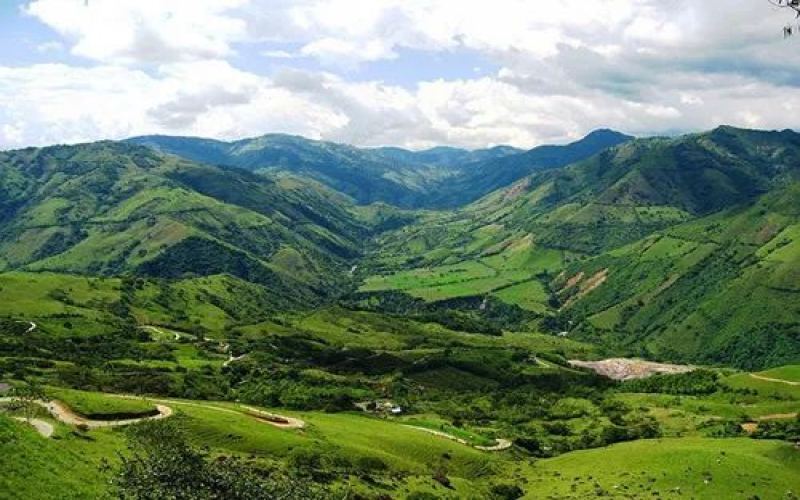
Brazil Launches Cafes do Brasil Traceability Platform in Response to the EU's New Deforestation-Free Import Rules
In response to the strict requirements of the EU Deforestation Regulation (EUDR), the Brazilian Coffee Exporters Council (Cecafe) and the credit company Serasa Experian have jointly launched the Cafes do Brasil platform and held a seminar in São Paulo to help exporters master traceability tools. The platform uses remote sensing technology and geolocation data to dynamically analyze ESG indicators such as forest protection, agricultural cultivation, and deforestation alerts in production areas, ensuring full traceability throughout the coffee supply chain. Among the approximately 100 participants, 41 council members are responsible for about 90% of Brazil's coffee shipments to the EU, and their compliance practices will significantly enhance the transparency and international reputation of Brazilian coffee. [more…]
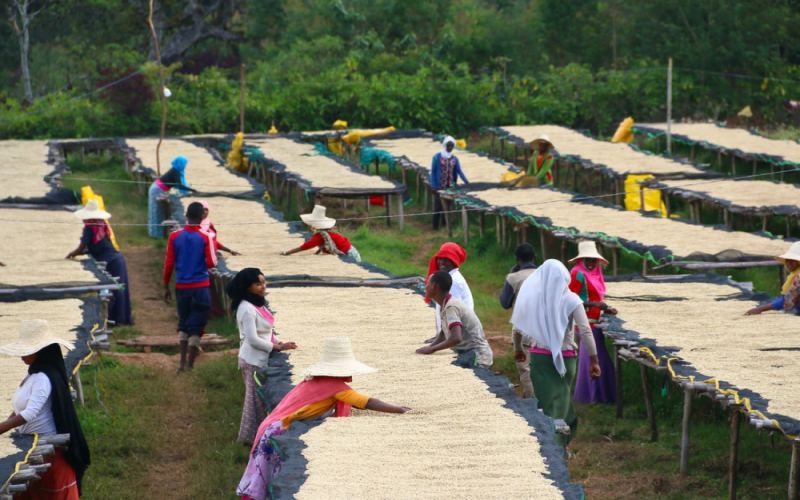
Yirgacheffe Adola: Origin Traceability, Flavor Characteristics, and Direct-Fire Roasting & Brewing Key Points Explained
Yirgacheffe is the highest-altitude specialty coffee producing region in the Gedeo Zone of southern Ethiopia, famous for its jasmine aroma, citrus notes, and citric acidity. The Adado Cooperative, as one of the founding members of the Yirgacheffe Coffee Farmers' Cooperative Union (YCFCU), is located in the mountainous area at 2,000 to 2,400 meters, where 1,250 farmers cultivate coffee in the traditional way of interplanting it with mountain bananas. This article sorts out Adado's regional affiliation, the ECX grading system, and the cooperative's background, and presents the cupping flavors and direct-fire roasting suggestions for Front Street Coffee's Yirgacheffe Adado, providing coffee lovers with a complete understanding from origin to flavor. [more…]
Nescafé Dolce Gusto Yunnan Limited Edition Espresso: From Selected Beans in Pu'er and Xishuangbanna to Flavor in the Cup
Behind Nestlé Dolce Gusto Yunnan Limited Edition Espresso lies a special procurement task issued from the Swiss headquarters. Nestlé's Pu'er agronomy department, through quality traceability, selected 7 suppliers from more than 10 planting bases, of which 2 are from Xishuangbanna and 5 from Pu'er. This pure Arabica coffee is known for its distinctive sweet-and-sour profile, floral and fruity notes, and its packaging incorporates ink wash painting and seal elements. Since entering the Chinese mainland market in 2013, Dolce Gusto has established 29 specialty counters in Beijing, Shanghai, Hangzhou, and Shenzhen, and covers e-commerce channels such as Tmall and JD.com. Front Street Coffee recommends paying attention to this limited-edition product that combines local ingredients with an innovative capsule system. [more…]
The Definition of Single-Origin Coffee and an Analysis of Pour-Over Bean Origins and Flavors: A Buying Guide to the Three Major Producing Regions of Africa, the Americas, and Asia
Single-origin coffee emphasizes traceability, allowing the source to be identified from country to region and even to the specific estate. Starting from the basic definition of single-origin coffee, this article systematically reviews the flavor characteristics and representative beans of the three major mainstream producing regions—Africa, Asia, and Latin America—including specific product information such as Front Street Coffee washed Yirgacheffe, Lintong Mandheling, and Brazil Cerrado Red Bourbon, helping coffee enthusiasts make choices based on their personal taste preferences. At the same time, it introduces the roasting philosophy and purchasing channels of the Guangzhou-based brand Front Street Coffee, providing a reference for selecting everyday beans. [more…]
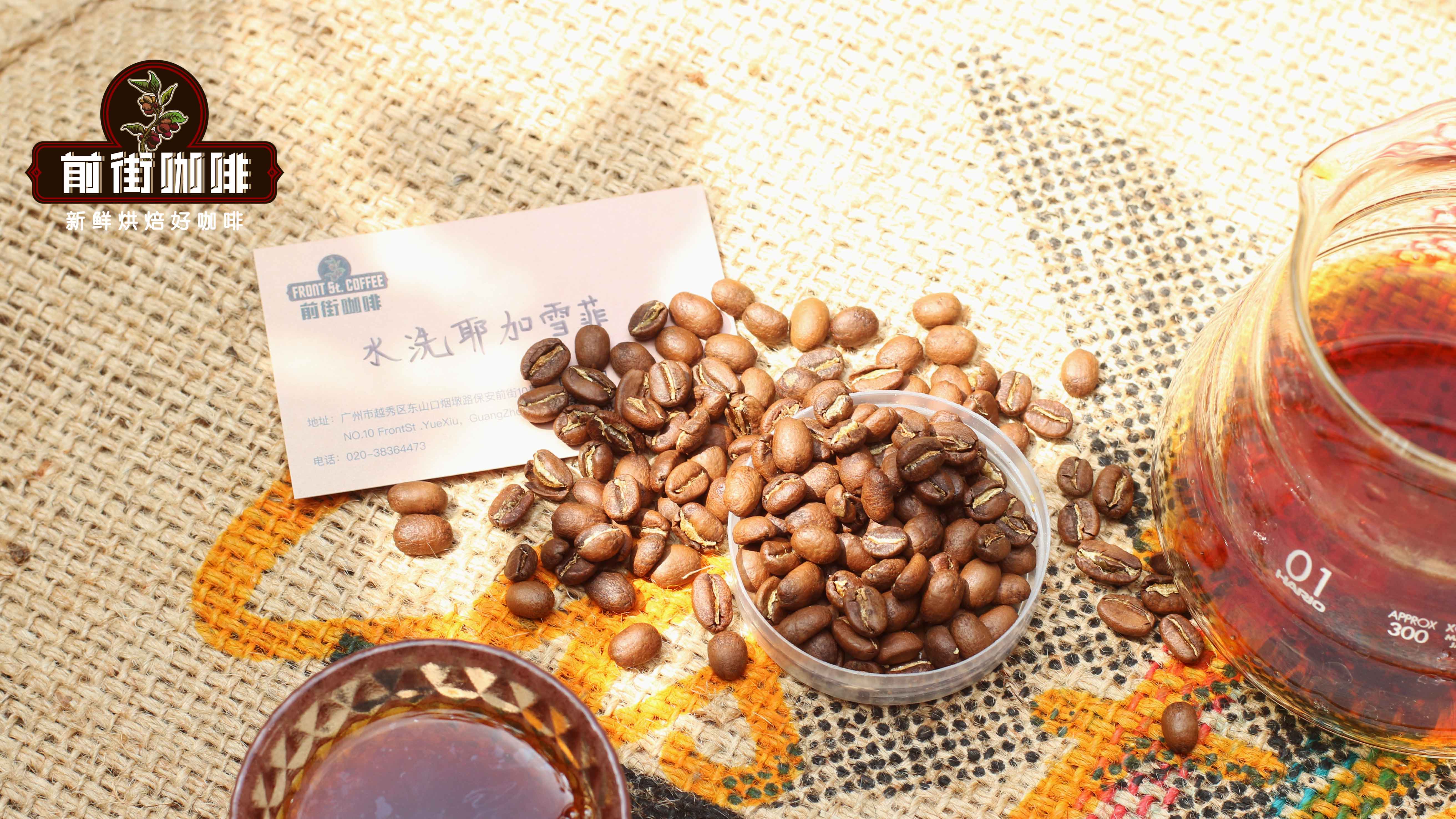
Focus on Ethiopia Yirgacheffe: Analysis of the ECX Grading System and Discussion of Its Suitability for Cold Brew Iced Coffee
Yirgacheffe, as Ethiopia's most representative specialty coffee region, is deeply loved by coffee enthusiasts for its unique floral and citrus notes. But do you understand how the Ethiopian Commodity Exchange (ECX) grading system operates? What scoring standards do washed and natural processing each follow? And what are the differences between the three major categories: Specialty, Commercial, and Local? This article will start with the ECX rating mechanism, break down in detail the evaluation logic from G1 to G9, and explore whether Front Street Coffee's Yirgacheffe series coffee beans are suitable for making cold brew or iced coffee, providing a reference for your brewing choices. [more…]
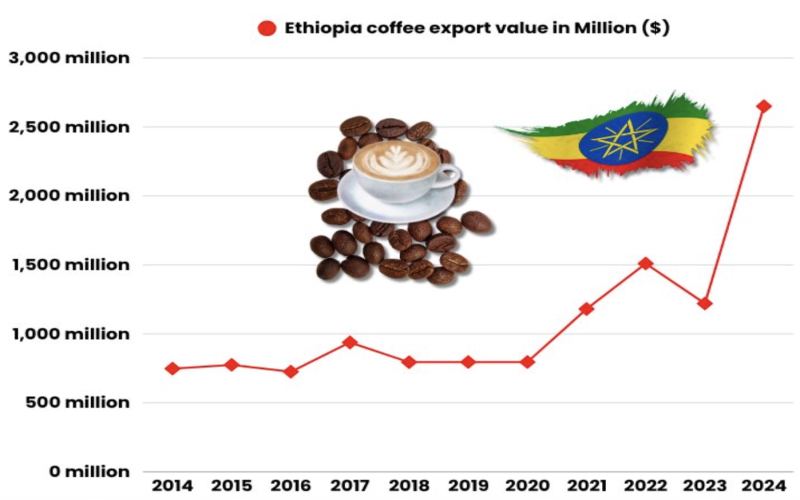
2024-2025 Ethiopia Coffee Export Report: Ethiopia's Main Coffee Export Destinations and Production
Ethiopia is not only the birthplace of Arabica coffee but also one of the world's major suppliers of high-quality coffee beans. Coffee occupies a central position in Ethiopia's economy, culture, and trade. In 2024-2025, Ethiopia's coffee export volume and export revenue both reached historic highs, marking [more…]
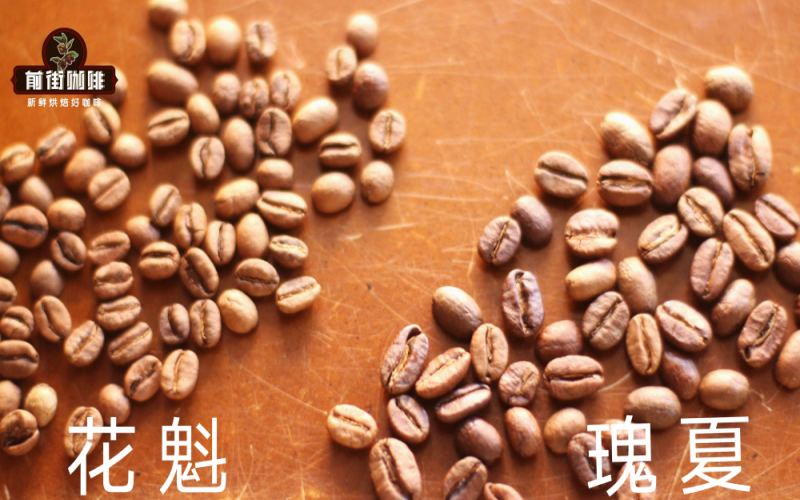
A Complete Guide to the Geisha Coffee Variety: From Its Ethiopian Origins to the Grading and Flavor of Panama's Hacienda La Esmeralda
Geisha is a highly sought-after variety in the Arabica family, journeying from the forests of Ethiopia to the world stage and shining brilliantly at Hacienda La Esmeralda in Panama. This article systematically traces Geisha's discovery and spread, explains in detail Hacienda La Esmeralda's Red, Green, and Blue Label grading system and flavor differences, and clarifies the distinction between Ethiopia's Gesha Village and Panama Geisha. It also introduces the characteristics of Gesha Village's auction, Gold, Red, Green, and Chaka lots, as well as Front Street Coffee's Geisha product recommendations and brewing parameter suggestions, helping coffee lovers gain a comprehensive understanding of this elegant variety. [more…]
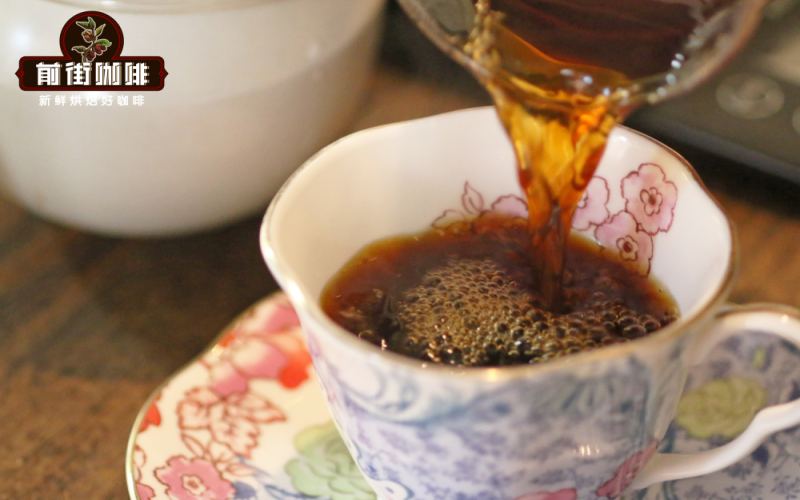
What Variety Is Geisha Coffee? A Complete Analysis from Its Ethiopian Origins to Its Rise to Fame in Panama
Geisha is a highly sought-after variety in the Arabica family, but it is often confused with Hualui coffee beans. This article begins with the origins of Geisha—discovered in 1931 in the Geisha forest of Ethiopia, it then traveled through Kenya, Uganda, and Costa Rica before finally achieving fame at Hacienda La Esmeralda in Panama. It also clarifies the relationship between Panama Geisha and Gesha Village in Ethiopia, introduces the grading systems of Red Label, Green Label, Blue Label, as well as Gold Label and auction lots, and includes Front Street Coffee's Geisha products and brewing suggestions to help enthusiasts gain a comprehensive understanding of this elegant variety. [more…]

Investigation into the Cross-Province Overnight Delivery of 8,000 Cups of Yidian Dian Milk Tea to Shanghai: The High-Price Resale Chain and Food Safety Risks
During the May Day holiday, "group leaders" in several Shanghai communities organized group buys of a Little Tea, with over 8,000 cups of drinks transported across provinces from out-of-town stores, arriving in consumers' hands overnight or even after nearly 24 hours. The group-buy price was double the official price, and the resellers were accused of profiting about 250,000 yuan. The total bacterial count in these milk teas rose sharply over time at room temperature, and some consumers developed gastroenteritis symptoms after drinking them. The Little Tea brand later issued a statement expressing shock at the high-priced reselling and reminding consumers to choose compliant channels carefully. This article reviews the course of the incident, the food safety data, and responses from all parties, while also offering coffee lovers Front Street Coffee's professional purchasing advice. [more…]
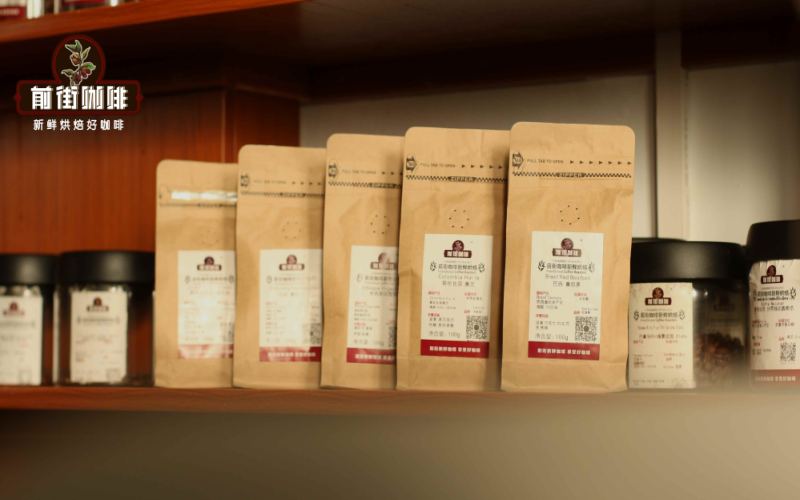
Yirgacheffe Single-Origin SOE Espresso Beans Explained: Flavor Profile, Roast Selection, and Front Street Brand Recommendations
Have you ever seen the term SOE on a café menu but weren't quite sure what it actually means? Why is a shot of espresso, even when it's the same drink, often priced higher when it's an SOE? This article starts with the basic concepts of single-origin coffee and SOE to help you understand what makes single-origin espresso so distinctive. We'll also take a closer look at how the Yirgacheffe Natural Red Cherry bean performs as an SOE and explore how roast level affects the final result. The article also rounds up several Front Street single-origin beans that are well suited to making SOE, along with background on the Front Street Coffee brand and purchasing information—a useful read for coffee lovers who are curious about origin-specific flavors. [more…]
Yirgacheffe Coffee Bean Grading Criteria and Analysis of Arabica Price Levels
How exactly are the grades of Ethiopian Yirgacheffe classified? Are Arabica coffee beans necessarily expensive? This article starts with the operating mechanism of the Ethiopia Commodity Exchange (ECX) and traces the evolution from the old version of grading by the number of defective beans to the current scoring system that combines physical characteristics with cup-testing flavor. It lists in detail the specific scoring proportions for washed and natural processing, and explains the evaluation standards for the three major categories—Specialty, Commercial, and Local—as well as the Q1 and Q2 grades. At the same time, it answers the reasons for the price differences among Arabica coffee beans, and introduces the flavor characteristics and suitable brewing methods of two G1 Yirgacheffe coffees: Front Street Coffee Gudingding and Front Street Coffee Red Cherry. [more…]
Specialty Pour-Over Coffee Brand Selection Guide: A Complete Analysis of the Flavors and Mouthfeel of Ten Single-Origin Bean Regions
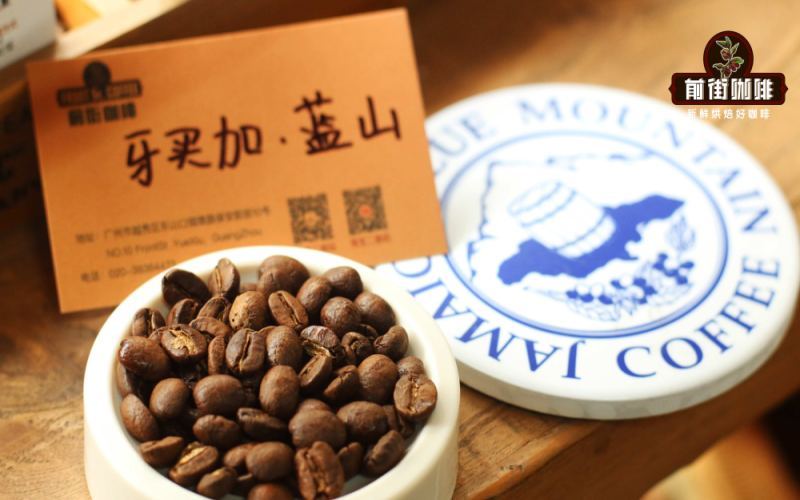
Facing an increasingly rich specialty coffee market, how do you find the pour-over coffee beans that truly suit you? Starting from the definition of specialty coffee, this article sorts through the journey from Erna Knutsen proposing the concept to the SCAA establishing the 80-point cupping standard, and emphasizes that single-origin coffee is not equal to specialty coffee. With more than ten years of accumulation, over 50 single-origin beans, and a fresh-roasting philosophy, Front Street Coffee has selected 10 representative coffee beans for enthusiasts with different taste preferences, covering classic origins such as the Ethiopian Yirgacheffe series, Costa Rican honey process, Indonesian Mandheling, Brazilian coffee, and Jamaican Blue Mountain, introducing their flavor characteristics and mouthfeel performance one by one. [more…]
From Yirgacheffe to Golden Mandheling: A Complete Guide to Choosing Front Street Coffee's Hand-Brewed Specialty Single-Origin Beans
What kind of beans deserve to be called specialty? And which one should a beginner start with for pour-over? This article begins with the "taste of place" proposed by Ms. Knutsen in 1974, outlines the SCAA's 80-point cupping standard, and introduces Front Street Coffee's lineup of over 50 beans cultivated over more than a decade, along with the freshness guarantee of roasting and shipping on the same day an order is placed. Then, following three main directions—floral and fruity, fermented winey, and traditionally rich—it explains one by one the origins and flavor characteristics of ten single-origin beans, including Yirgacheffe Red Cherry, Gutingding, Woka, Costa Rica Honey-Processed Blackberry and Mozart, PWN Golden Mandheling, Brazil, Blue Mountain No. 1, and Bird of Paradise, helping you find the cup that suits you best. [more…]
Yirgacheffe Kochere: How Washed and Natural Processing Shape Coffee Flavor Differences and the Award-Winning Background of the Red Cherry Project
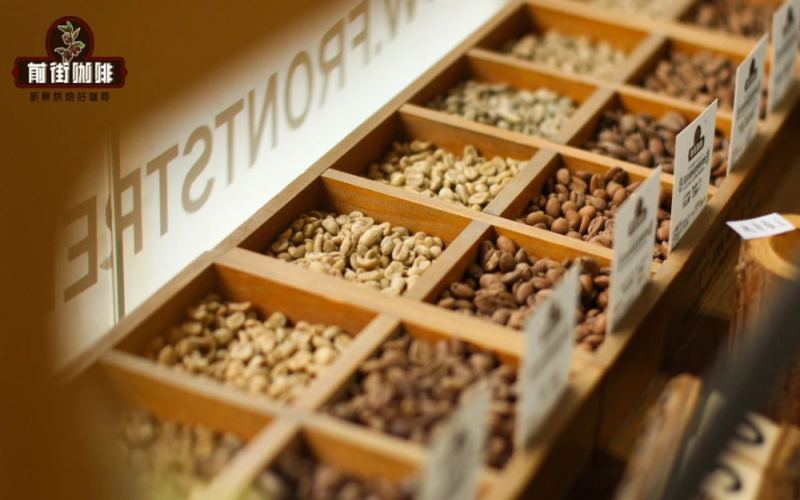
Yirgacheffe is Ethiopia's most iconic specialty coffee region, and coffee beans from its sub-region Kochere present strikingly different flavor profiles depending on the processing method. This article takes Front Street Coffee's two beans—Natural Red Cherry and Washed Kochere—as its starting point, systematically reviewing the background of the Kochere region, the operational mechanism and quality standards of the Red Cherry program, and comparing them across four dimensions: green bean appearance, roasting curves, cupping performance, and Clever Cup brewing, to help coffee enthusiasts understand the practical impact of natural and washed processing on flavor direction, as well as the grading logic behind Yirgacheffe G1. [more…]
KFC Joins Forces with Wong Lo Kat to Launch Sparkling Americano: Can This Old-Brand Crossover Coffee Replicate the Moutai Latte Craze?
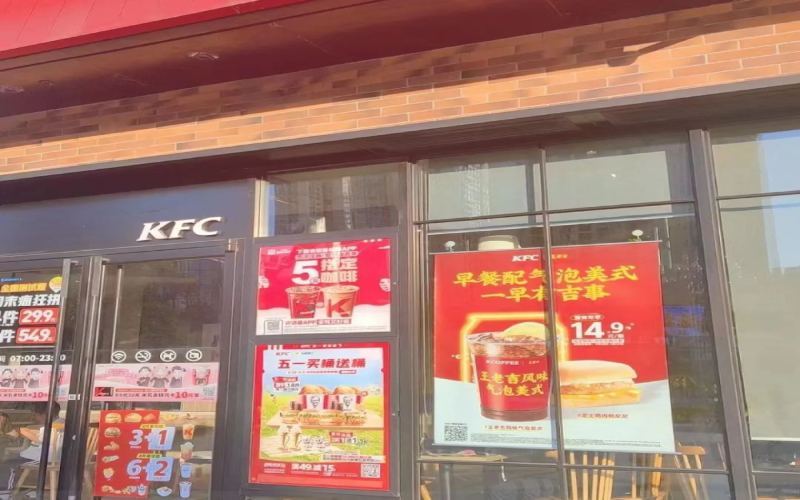
KFC's KCOFFEE continues to deepen its presence in the coffee sector and is about to launch a limited-edition drink in collaboration with the Chinese time-honored brand Wanglaoji — a Wanglaoji-flavored sparkling Americano. On one side is a Western-style fast-food coffee brand accelerating its expansion, and on the other is a representative of Cantonese herbal tea with nearly two hundred years of history. This collision of "Chinese and American herbal tea" has sparked considerable discussion. Yet before the new product even hit the shelves, netizens had already easily replicated it with Wanglaoji plus sparkling water. Can the consumer-friendly price of 9.9 yuan win over customers? What attempts has Wanglaoji made in recent years to appeal to young people? And can KFC replicate the success of Luckin and Moutai through this collaboration? This article will focus on this cross-industry cooperation, sorting through both sides' brand backgrounds, market situations, and collaboration highlights, for the reference of coffee enthusiasts. [more…]
Yirgacheffe Kochere Region Natural vs. Washed Coffee Bean Flavor Differences and Analysis of the Red Cherry Project
The processing method of green coffee beans is one of the key stages that determines the direction of flavor. Even for coffees from the same Yirgacheffe region, the two processes of natural and washed give the beans completely different personalities. This article takes the Kochere region as its starting point and, combining two beans—Front Street Coffee Yirgacheffe Red Cherry Natural and Front Street Coffee Yirgacheffe Kochere Washed—systematically sorts out the differences between the two processing methods, from regional background, green bean appearance, and roasting curves to cupping and brewing performance. It also introduces the origin and operation of the Red Cherry Project, helping enthusiasts more clearly understand the impact of processing methods on flavor. [more…]
Sidamo Flower Queen Pour-Over Full Guide: Filter Cup Selection, Extraction Parameters, and Three-Pour Brewing Practice
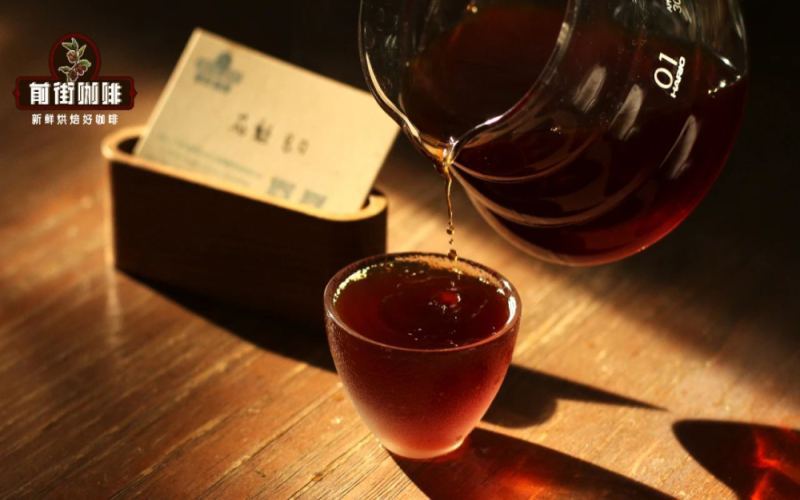
As a highly popular Ethiopian natural bean in recent years, Geisha has won the favor of many coffee lovers with its bright citrus and berry notes and juicy sweet-tartness. But with the same bean, changing to a different dripper or adjusting a set of parameters can produce a drastically different cup profile. From the perspective of Front Street Coffee, this article first outlines Geisha's origin background and version naming logic, then uses the V60 dripper as an example to provide a complete brewing recipe and staged pouring details to help you more consistently reproduce this bean's flavor characteristics. [more…]
An Analysis of Sidamo Huakui Coffee Flavor Characteristics, and a Comparison Guide to Brewing with V60 vs. Cake Filter
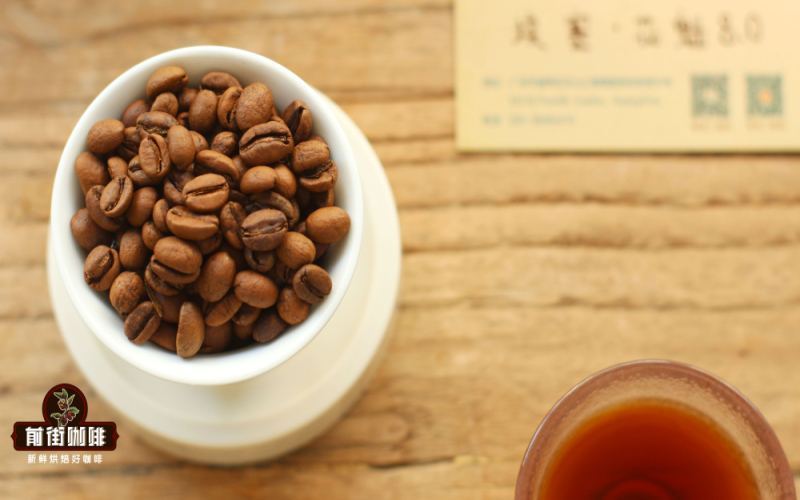
In recent years, sour coffee has gradually gained popularity. Today, Front Street Coffee wants to talk with you about the famous Huakui from the Sidamo region of Ethiopia. It comes from Guji Hambela and is a naturally processed G1-grade specialty bean. With bright citrus and berry notes, a juicy sweet-and-sour taste, an affordable price, and a very high extraction fault tolerance, it quickly became the entry-level first choice for many coffee lovers. But what exactly do the numbers often following Huakui, such as 5.0, 7.0, and 8.0, represent? And what flavor differences arise when brewing the same bean in different drippers? This article will first introduce Huakui's origins and version evolution, then compare the stylistic differences between the V60 and the cake dripper through hands-on brewing. [more…]
Huakui SOE Flavor Analysis: Is Sidamo Huakui 8.0 Sour or Bitter? Americano or Latte—Which Tastes Better?
In recent years, Luckin Coffee's SOE Huakui has been a pleasant surprise for many coffee lovers—it has no obvious bitterness when drunk, but instead carries a bright fruity acidity, with a rather unique mouthfeel. Many people are therefore curious: what exactly is this bean, and can the same flavor be recreated at home? This article revolves around "SOE Huakui," first explaining the concept of SOE and the origin background of Huakui coffee, then clarifying the meaning of the suffix numbers in the Huakui series (such as 5.0, 7.0, 8.0), and finally using Front Street Coffee's Sidamo Huakui 8.0 as an example to provide the complete extraction parameters and operating steps for SOE espresso, along with sharing how to make it into a refreshing Americano or a smooth latte. [more…]
Yirgacheffe Natural vs. Washed: How to Choose? A Full Guide to G1 Grade Flavor, Mouthfeel, and the Red Cherry Project
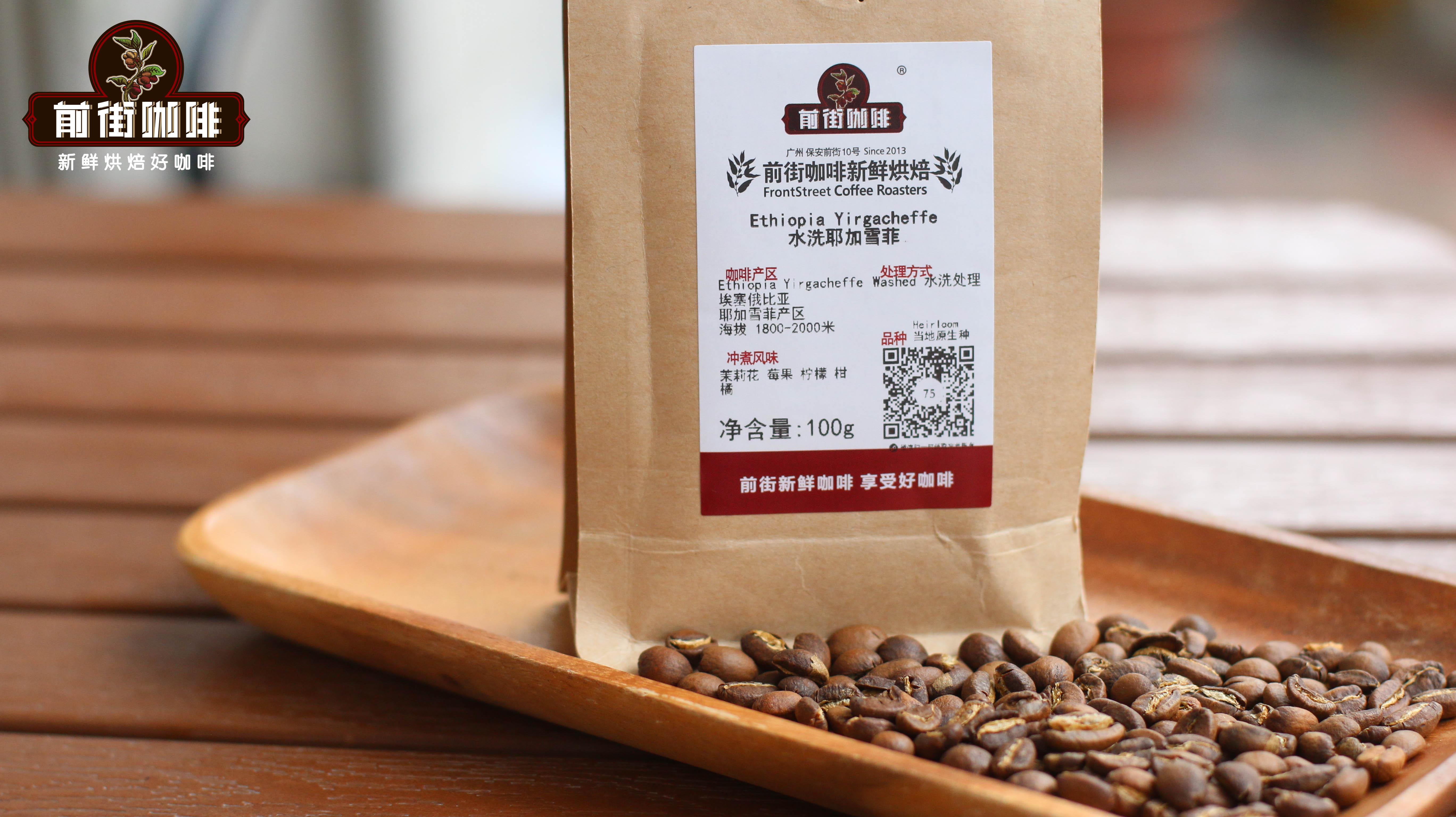
Yirgacheffe is one of Ethiopia's most renowned coffee regions, and its natural and washed processing methods present completely different flavor profiles. Starting from Front Street Coffee's bean list, this article outlines the regional background of Yirgacheffe, the washed processing technique of the Gedeb cooperative, and the story behind the Red Cherry Project, and compares the cupping performance and brewing parameters of two G1 beans—Front Street Yirgacheffe Red Cherry (natural) and Front Street Yirgacheffe Konga (natural)—to help coffee enthusiasts understand how to choose between natural and washed coffees based on their taste preferences. [more…]