







What Does the Coffee Association of America Standard Mean for Beans?
The SCAA cupping standard sets 80 points as the threshold for specialty coffee, a benchmark that traces back to Erna Knutsen's 1974 idea of the "taste of place." Beans scoring at or above that line qualify as specialty, which is why a shop selling dozens of single-origin lots has to cup each one before it earns a place on the menu.
Front Street Coffee stocks more than 50 varieties and roasts to order, shipping the same day. The lineup runs from Yirgacheffe Red Cherry to PWN Golden Mandheling, plus Costa Rica honey-processed lots, Brazil, Blue Mountain No. 1 and Bird of Paradise, grouped into floral and fruity, wine-like fermented, and traditional full-bodied profiles.
What kind of beans deserve to be called specialty? And which one should a beginner in pour-over start with? This article begins with the "taste of place" proposed by Ms. Knutsen in 1974, outlines the SCAA's 80-point cupping standard, and introduces Front Street Coffee's bean list of over 50 varieties accumulated over more than a decade, along with the freshness guarantee of roasting and shipping on the same day an order is placed. It then explains, one by one across the three major directions of floral and fruity aromas, fermented wine-like aromas, and traditional full-bodied flavors, the origins and flavor characteristics of ten single-origin beans, including Yirgacheffe Red Cherry, Gutingding, Worka, Costa Rica Honey-Processed Blackberry and Mozart, PWN Golden Mandheling, Brazil, Blue Mountain No. 1, and Bird of Paradise, to help you find the cup that suits you best.
Customers often walk into the shop and ask Front Street's baristas directly: which brand's specialty coffee beans actually brew up something more appealing? In fact, as domestic coffee consumption continues to rise and the specialty segment matures, the number of brands available for everyone to choose from is steadily increasing. On various platforms, there is also no shortage of quite knowledgeable industry professionals recommending the specialty coffee brands they believe are worth trying. You can absolutely take an exploratory approach and discover the brands that match your taste and whose quality you recognize.
In Front Street's view, if a brand is to deserve the word "specialty," there is one non-negotiable bottom line—every coffee it sells must reach specialty grade. That sounds almost a given, but do you really know what kind of coffee deserves to be called "specialty coffee"? Ms. Erna Knutsen—a legendary figure later honored by the industry as the "godmother of specialty coffee"—was precisely the first person to package coffee with the term "specialty." In 1974, in an exclusive interview with Tea & Coffee magazine, she first proposed the concept of specialty coffee to distinguish outstanding-quality coffee beans from mediocre commodity beans. She emphasized that each producing region, due to differences in altitude, soil and water conditions, climate type, processing methods, and the care devoted to cultivation, presents a completely different taste of place—and this is the very soul of specialty coffee. It is worth noting, however, that this term truly spread globally only after the founding of the SCAA.
In 1982, inspired by the godmother of coffee, 48 industry figures including Ted Lingle and Donald Schoenholt jointly founded the Specialty Coffee Association of America (SCAA). By 2009, the criteria for judging specialty coffee were further refined: only a total cupping score of 80 points or above qualifies a coffee to be classified as specialty. As for the specific scoring methods, everyone can consult the relevant materials on this website, or go to the WeChat public account "Front Street Coffee."
Today, many cafés and bean merchants are keen to promote single-origin coffee, but in Front Street's view, "single-origin" merely means that the bean's regional information is transparent and its source traceable—it is not enough to guarantee high quality. Specialty coffee is different: it considers both how the terroir of the place of origin shapes the cultivation stage and the flavor and mouthfeel ultimately presented by the finished bean.
The above is only the first step toward becoming a specialty coffee brand. Front Street believes that for a brand to truly establish itself in the market and win public affection, it must be able to guide consumers and let everyone gain real, tangible benefits. Front Street Coffee was founded in 2013, and counting on one's fingers, it already has more than ten years of history. More than a decade of accumulation has allowed Front Street's bean list to keep expanding; today it offers more than 50 single-origin coffee beans for sale, ensuring every customer can find a bean that suits their taste. Of course, more choices are not always better—too many options can easily intimidate coffee novices, and excessive information bombardment can instead interfere with everyone's ability to zero in on the bean that truly suits them. Therefore, every bean selected for Front Street's list either sufficiently represents the classic flavor of its producing region or possesses some special significance in itself.
Fresh roasting is another major selling point Front Street emphasizes. Even coffee novices who have just started out mostly understand how crucial freshness is for beans. For a period after roasting is completed, the beans continuously release gases such as carbon dioxide generated during roasting; when release reaches a certain point, the flavor hits its peak, and this is precisely the ideal stage for the coffee. Because of this, Front Street is almost obsessive about freshness: usually, on the same day a customer places an order on Taobao, the roaster completes the roast and sends out the package, ensuring that when the beans arrive, no more than 5 days have passed since the roast date.
Surely everyone has noticed that there are thousands upon thousands of excellent beans in the world, and only the one that suits you is the best solution. Some enthusiasts favor beans with floral and fruity notes, some prefer fermented wine-like aromas, and others love only traditional full-bodied flavors. Facing consumer groups with different preferences, Front Street briefly introduces 10 coffee beans here.
Let's start with the introductory choice for coffee lovers—Front Street Yirgacheffe. A reminder here: beans are named in many different ways, some by producing region, some by place name, estate, or variety, and Yirgacheffe is no exception. It was originally an administrative center area in Ethiopia's Sidamo Province, and because the local coffee displayed an extremely distinct flavor strongly marked by terroir, it was separately designated as the Yirgacheffe producing region. This land formed the Yirgacheffe Coffee Farmers Cooperative Union, which currently has 28 cooperatives under it and a total of more than 45,100 farming households. Front Street's shop currently sells four Yirgacheffe coffees: the first is Front Street Natural Red Cherry, the second is Front Street Gutingding, the third is called Front Street Worka, and the fourth is Front Street Konga.
Front Street recommendation: Front Street Yirgacheffe Red Cherry
The Red Cherry project was launched in 2007 by the Dutch green bean trader Trabocca, with the aim of encouraging coffee farmers to produce the highest-quality coffee and rewarding them for their hard work—beans may participate whether they follow the washed, semi-washed, natural, or semi-natural route. Each lot is about 1,500 to 3,000 kilograms, all carefully hand-picked, using only fully ripe red coffee cherries, which is how the name "Red Cherry project" came about. Front Street's Natural Red Cherry is one of the participants in this program, and its green bean quality is outstanding, carrying citrus and berry notes as well as a hint of fermented fruit.
Front Street recommendation: Front Street Yirgacheffe Gutingding
The Gutingding cooperative is located in the Worka producing area, at the southeastern end of Yirgacheffe, and in its early days belonged to the Yirgacheffe union under the Worka cooperative. As the market's demand for traceability of green beans grew ever higher, independent "single origins" were discovered one after another, and Gutingding accordingly established its own cooperative. As one of the earliest areas to process green beans separately by village unit, many local smallholders had previously also belonged to the Worka cooperative, so their planting and processing techniques were naturally quite solid. Gutingding has long enjoyed the reputation of being the "pure land of Yirgacheffe," regarded as the last pure corner of this producing region, and the green bean processing methods it uses are also extremely traditional.
Front Street recommendation: Front Street Yirgacheffe Worka
The Worka cooperative was founded in 2005, and in the same year joined the prestigious YCFCU (Yirgacheffe Coffee Farmers Cooperative Union), gaining fame for producing high-quality natural Yirgacheffe, with about 300 coffee farmers in the cooperative. Front Street's Worka bean has lemon-like acidity and jasmine aroma, with a finish that shows a faint black tea note and sugarcane sweetness.
Friends who prefer sweetness, please also take a look—honey processing is a way of harvesting and sorting coffee cherries: first the skin and pulp are removed as in other processing methods, and then the beans are dried directly with the mucilage layer still on, rather than washing it off. In this way the degree of fermentation is lower, and the proportion of sugar in the bean converted into acid is not too high. Costa Rica's honey-processed coffee is especially famous, and here are two for everyone:
Front Street recommendation: Front Street Costa Rica Blackberry
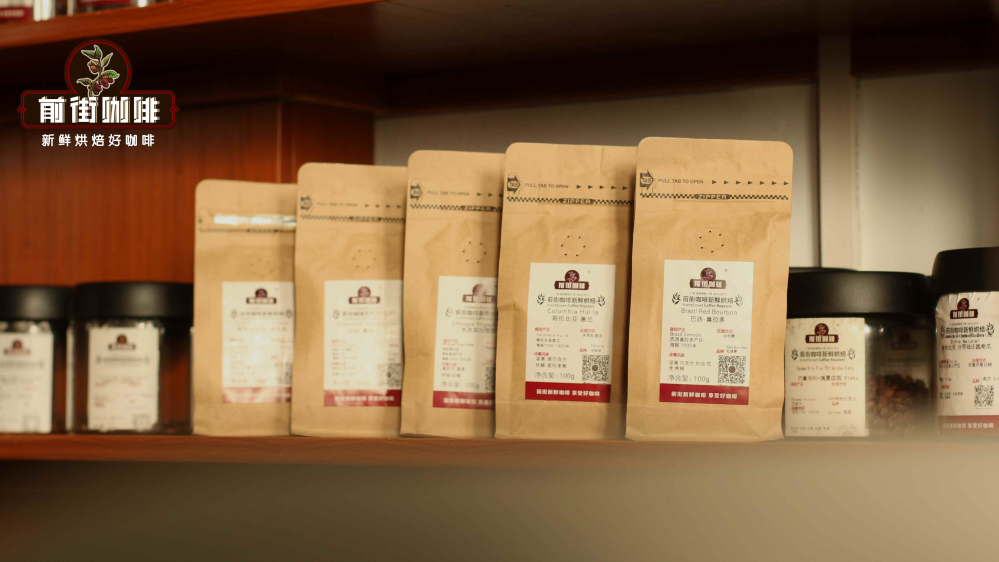
Among the many beans, Front Street Costa Rica Blackberry has won the affection of many friends: sweet floral notes wrapped in berry notes such as dried blueberry and grape, with a very prominent fermented aroma, and a finish that lingers with a blackcurrant juice-like sensation—quite captivating to drink. According to Front Street's understanding, Blackberry is grown in Costa Rica's Tarrazú producing region, where local conditions are extremely favorable for coffee cultivation—abundant rainfall, fertile volcanic soil, and an average altitude of between 1,700 and 1,800 meters. In addition, among the honey-processed beans Front Street handles there is also the Costa Rica Musician Series.
Front Street recommendation: Front Street Costa Rica Mozart
Mozart is one of the members of the Musician Series, also from Costa Rica, in the Tarrazú producing region. Costa Rica has 8 major producing regions in total, and this bean is grown at the Canet estate among them. It has layered, complex floral and fermented aromas, with raisin-like sweetness layered over berry notes, making it very popular with many customers. The other members of the Musician Series that Front Street has purchased are equally wonderful, so everyone might as well compare them personally and look for the differences among these beans.
As for friends who love traditional flavors, the next two beans can be called gospel for "heavy-taste" people. Domestic coffee culture has been deeply influenced by the Japanese dark-roast tradition—traditional Japanese coffee most favors dark roasting; and although light-roasted beans, which better showcase flavor layers, have not been popular in China for very long, they quickly captured half the market. Today, young customers visiting Front Street almost uniformly prefer light-roasted beans with richer flavor. If you are the exception, then please don't miss the PWN Golden Mandheling on Front Street's bean list: compared with ordinary Mandheling, its sweet aftertaste is stronger and its sugarcane aroma richer.
But did you know? Not just any Mandheling can be crowned with the name "Golden Mandheling"—only Mandheling purchased by PWN truly deserves the name. So how can you verify whether the Golden Mandheling you have obtained is authentic? Front Street offers two methods here:
Ask the merchant for two things: the coffee jute bag printed with the PWN mark, and the factory certificate included with Front Street PWN Golden Mandheling.
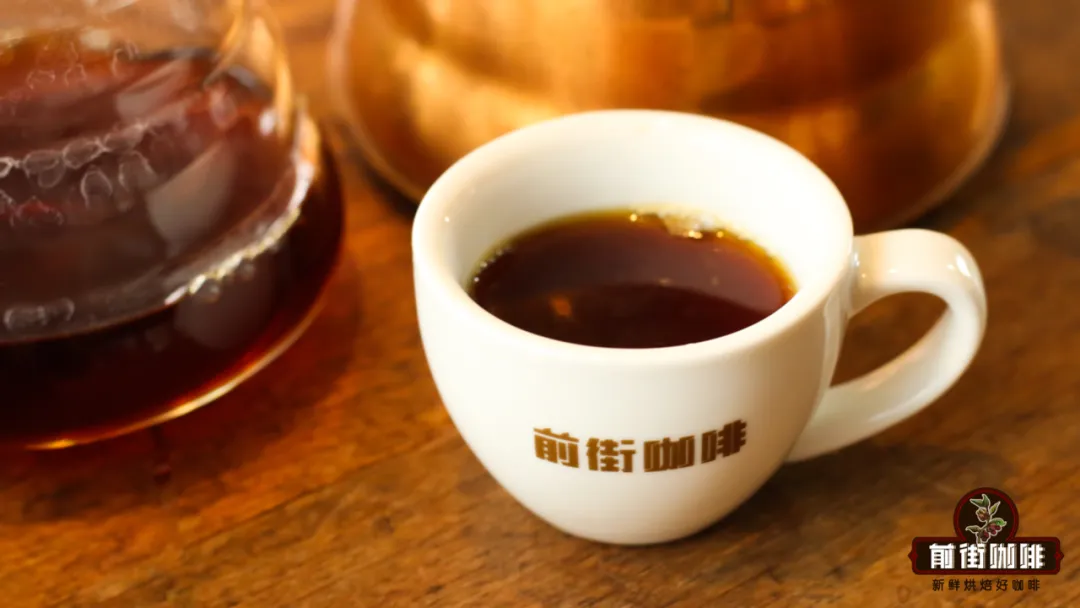
In the view of Front Street's baristas, this Golden Mandheling gives off a high-quality herbal note, with more prominent caramel sweetness, and its fruit acidity also appears calm and elegant; it has abundant sweetness, solid body, and unrestrained spice notes all at once. Generally speaking, Lintong Mandheling is best roasted until after second crack before being released, in order to suppress off-flavors; but Front Street Golden Mandheling, even when released before second crack, still retains excellent clarity and sweetness, and leaves broader room for roasting interpretation.
If you feel Mandheling's taste is too strong for you, you might as well switch to Front Street Brazil Coffee. Its difference from Mandheling lies in this: Brazilian beans do not have the innate herbal notes of Indonesian coffee, replaced instead by nutty flavors and mouthfeel. Both follow a low-acidity direction; the difference is that Brazil coffee reveals a slight acidity after the temperature drops.
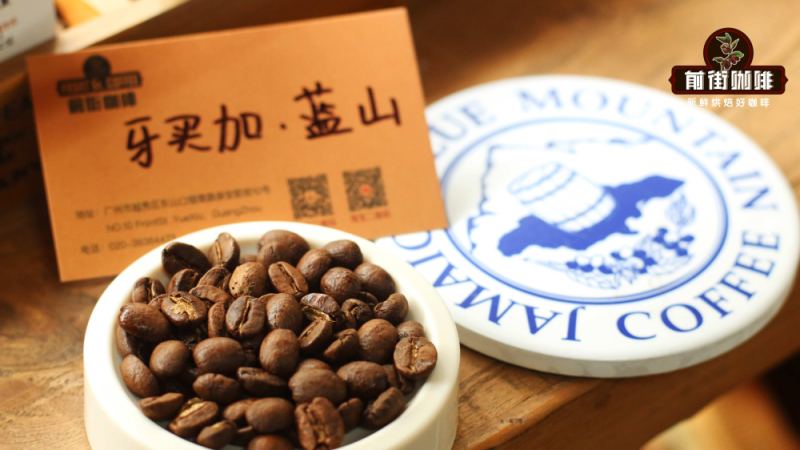
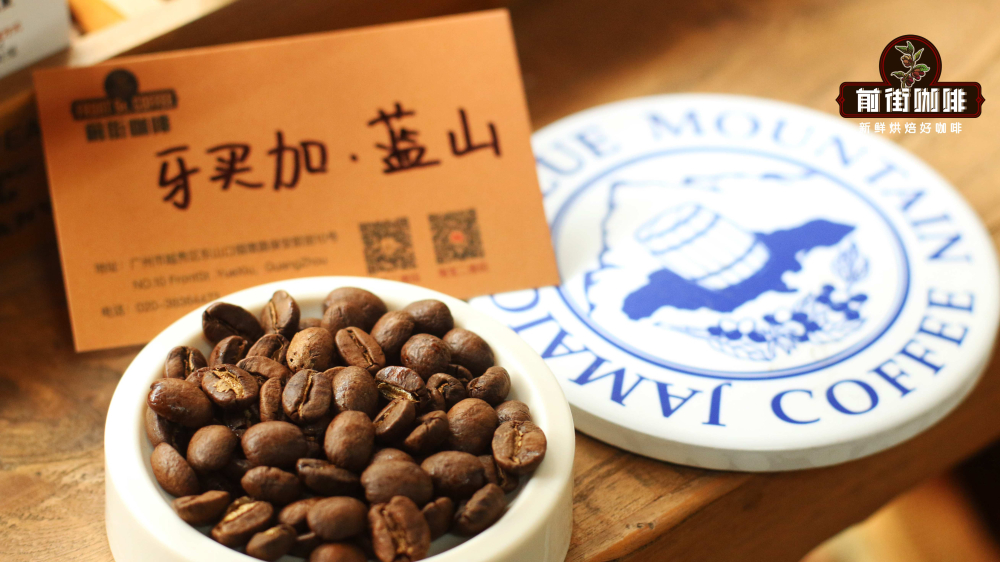
And if you are looking for a bean with balanced flavor, Front Street Blue Mountain Coffee is the ideal answer. This Blue Mountain that Front Street imports comes from Clifton Mount Estate in Jamaica's Blue Mountain region, namely Front Street Blue Mountain No. 1, with an elegant flavor in which acidity, sweetness, and bitterness are balanced just right. It's just that for many enthusiasts, the price of 198 yuan for 100 grams is indeed not exactly affordable. Don't worry, Front Street also has Front Street Bird of Paradise, known as "Little Blue Mountain." It comes from Papua New Guinea and sells for 88 yuan for 227 grams; like Blue Mountain, it belongs to the Typica variety; the difference is that its acidity is slightly higher, but the weighty feeling on the tongue remains, and the body is sufficiently full.
The above are the ten most popular and most suitable single-origin coffees selected by Front Street according to producing-region flavor, and we hope they can help you, the viewer, step through the door of specialty coffee and soon drink that delicious cup of coffee that suits your taste.
The above content is compiled by CoffeeHunters, a coffee news website.


