





What does hand brew coffee mean for a Sidamo Huakui bean?
Hand brew coffee means manual pour-over brewing, where the dripper, grind, water temperature and pouring pattern are controlled by hand rather than a machine. For Sidamo Huakui, a natural Ethiopian coffee from the Hambella area, the same bean tastes different once the dripper or parameters change, so a fixed routine is what makes the cup repeatable.
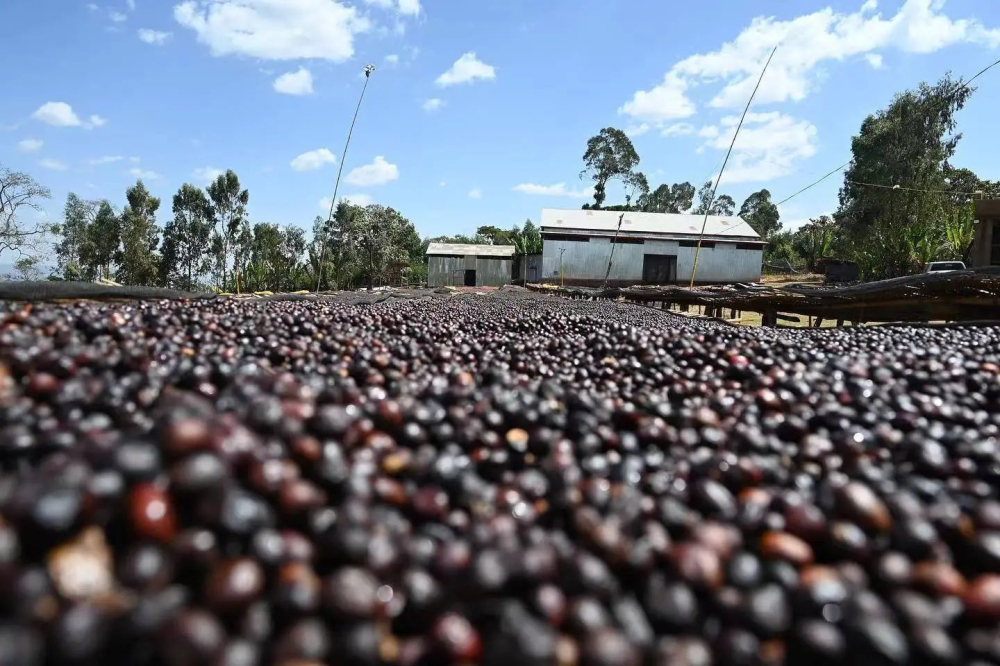
Huakui comes from the Buku Abel processing station in Hambella and gained attention after winning a natural group championship. Its bright acidity meaning is citrus and berry notes with juicy sweetness, which the V60 and staged pours are set up to carry. The guide gives a full brewing plan and pouring details for reproducing those flavors.
As a popular Ethiopian natural coffee in recent years, Huakui has won the favor of many coffee lovers with its bright citrus-berry notes and juicy sweet-tart character. But with the same bean, changing the dripper or adjusting a set of parameters can make the flavor in the cup very different. From the perspective of Front Street Coffee, this article first outlines Huakui's origin background and version naming logic, then uses the V60 dripper as an example to give a complete brewing plan and staged pouring details to help you more consistently reproduce this bean's flavor characteristics.
In recent years, acidic coffee has gradually entered the public eye, and Front Street Coffee has found that Huakui has almost become many people's introductory memory. The name itself carries a bit of a bold, adventurous feel, while in the cup it is a bright acidity interwoven with citrus and berries, plus a juicy sweetness, making it hard not to remember.
A good cup of coffee, in the end, cannot do without the balance of acidity, sweetness, and bitterness and a smooth mouthfeel, and the original purpose of the dripper's design is precisely to present these qualities better. Drippers with different structures also tend to produce different styles. Next, let us first get to know the Huakui bean, then use different drippers for comparative brewing to see where the differences really lie.
Why did Huakui become so popular?
In the context of coffee shops, "Huakui" refers to a natural coffee from the Sidama Hambella producing area in Ethiopia, with the full English name "Ethiopia Guji Hambella Buku Abel." Broadly speaking, it is Ethiopia's champion bean; more specifically, it comes from the Buku Abel processing station in the Hambella producing area and is a specialty natural batch.
The stage name "Huakui" was chosen by domestic green bean merchants in a Chinese-language context after this bean won the TOH natural group championship, meaning "chief of a hundred flowers." Later, through promotion by various merchants, the saying that it is "comparable to Geisha" also emerged. With great fame, stable quality, rich and juicy fruit notes, an affordable price, high extraction fault tolerance, and a pleasant name, these advantages stacked together made Huakui stand out among many Ethiopian beans and also made it the choice for many people when trying single-origin coffee for the first time.
If you search for "Huakui coffee" on a shopping platform, you will find that it is often followed by a number, such as Huakui 5.0 or Huakui 7.0. What exactly does this number represent?
As Front Street Coffee said earlier, before this bean was called "Huakui," it had only one English name, "Hambella," translated into Chinese as "Hanbeila." In other words, what we call Huakui is a traditional natural G1-grade coffee bean from the Hambella producing area, and the "Buku Abel" processing station is more detailed traceability information, located in Dimtu town.
After Huakui became popular, market demand surged, and DW Company added 5 independent green bean drying and processing stations in Hambella Wamena Wereda, all within the core producing area of Dimtu town. In addition to the original Buku Abel, 4 other small villages, including Buku Saysay, Haro Soresa, Tirtiro Goye, and Seke Bokosa, also joined the production of natural beans. It is said that at that time DW Company's annual output of "Huakui" had already reached tens of millions of tons.
Starting from the 2018 harvest season, Huakui (natural G1) from the same origin and the same processing station showed some changes in flavor. Through cupping at the time, Front Street found that although the 2018 and 2019 Huakui had a similar flavor direction to the 2017 Huakui, they were not as good as the "first-generation Huakui" in mouthfeel aspects such as body and finish.
Therefore, in order to continue selling this Hambella natural bean while distinguishing it from the original version, domestic green bean trading companies used 2017 as the baseline and counted forward, adding an X.0 suffix to each year's batch: the 2018 batch was called "Huakui 2.0," the 2019 production was called "Huakui 3.0 and 3.1"... Last year's release was "Huakui 7.0," and so on, so this year's latest version is naturally "Huakui 8.0." In this way, by looking at the suffix you can tell which year's batch the Huakui you bought belongs to.
What dripper should you choose for pour-over coffee?
The dripper can be said to be the signature tool of pour-over coffee, and a handy dripper can make each bag of beans brew more consistently. Generally speaking, the price differences among drippers are mainly reflected in design patents, materials, and appearance. If you value cost-effectiveness, Front Street recommends the resin version of the V60 dripper and the cake dripper. When Front Street Coffee brews with V60, it chooses the resin 01 size dripper; the resin material can reduce heat loss, and the 01 size is just right for a single serving of coffee grounds.
The V60 drains quickly, so Front Street pairs it with a finer grind to increase the contact area between grounds and water, making extraction fuller and the flavor richer. But the finer the grind, the easier it is for coffee grounds to settle at the bottom of the filter paper, increasing water flow resistance, slowing the flow rate, and prolonging extraction time, which can easily cause over-extraction and produce unpleasant flavors such as woody and miscellaneous notes. Therefore, the pouring technique also needs attention to avoid clogging in the later stage.
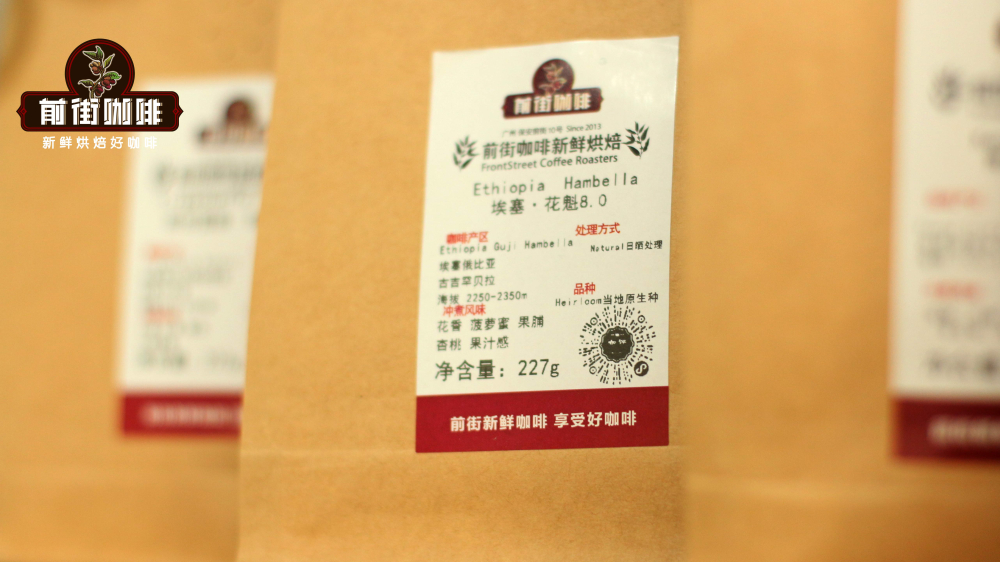
To brew out the flavor while also keeping things reliable and safe, Front Street suggests that after blooming ends, gradually expand the circling range from the center outward. As the water level rises, use the water stream to rinse the entire coffee bed so that the grounds are extracted as evenly as possible. Here, Front Street takes its own roasted Huakui 8.0 coffee beans as an example: 15 g of coffee grounds, a 1:15 coffee-to-water ratio, a total poured water amount of 225 g, and about 200 g of coffee liquid after filtration, using three-stage extraction.
Dripper: V60
Water temperature: 91°C
Coffee dose: 15 g
Coffee-to-water ratio: 1:15
Grind size: 80% passing through a No. 20 standard sieve
For the first stage, pour 30 g of water and bloom for 30 seconds. Start timing when pouring begins, using a small stream throughout and circling outward from the center point, taking care to wet the entire coffee bed.
After 30 seconds, use a slightly larger but steady stream to pour the second stage of 95 g of water, with the aim of lifting the entire coffee bed. The water stream should be poured vertically and evenly. At this point the timing scale shows 125 g, and pouring is finished at around 55 seconds.
When the liquid level drops to the halfway point, switch to a small stream and pour the third stage of 100 g in a small circle, trying to keep the circling from becoming too wide, otherwise it is easy to disturb the coffee bed and cause under-extraction. The final total poured water amount is 225 g, and the drip filtration is completed at about 2 minutes. After removing the dripper, swirl the coffee liquid in the server to mix it evenly, and it is ready to taste.
The above content is compiled by CoffeeHunters, a coffee news website.


