







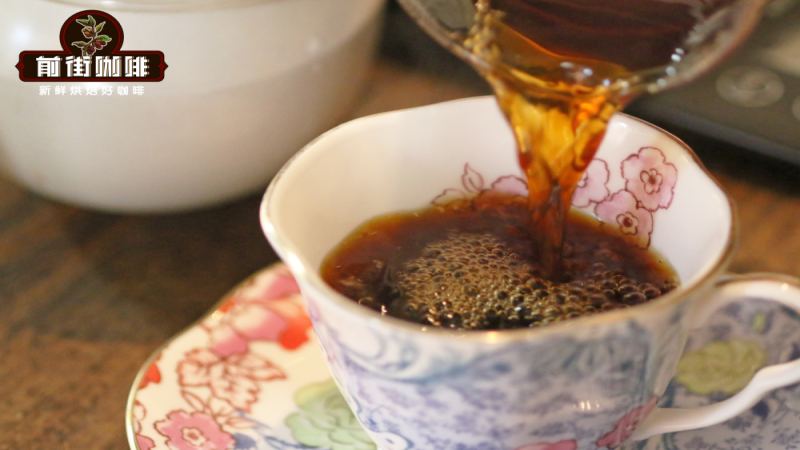
How Did Geisha Coffee Travel From Ethiopia to Panama?
Geisha coffee is a variety within the Arabica species, not a separate species. It was discovered in 1931 in the Geisha forest of Ethiopia, then sent to Kenya's Coffee Research Institute, introduced to Uganda and Tanzania in 1936, moved to Costa Rica in 1953, and reached Panama in 1970. It is often confused with Ethiopia's Flower Chief beans, which are a distinct natural heirloom from Sidamo.
The variety drew little attention until Hacienda La Esmeralda in Panama separated it from other plantings in 2003 and won the BOP competition in 2004. Panama geisha coffee needs high altitude, cloud cover or shade, and fertile soil. Grown that way, it shows distinct floral aromas and a delicate, elegant fruit acidity that built its reputation among buyers and roasters.
Geisha is a highly sought-after variety in the Arabica family, but it is often confused with Flower Chief coffee beans. This article starts from the origin of Geisha—discovered in 1931 in the Geisha forest of Ethiopia, later moving through Kenya, Uganda, and Costa Rica, and finally shining brightly at Hacienda La Esmeralda in Panama. It also clarifies the relationship between Panama Geisha and Ethiopia's Gesha Village, introduces the grading systems of Red Label, Green Label, Blue Label, Gold Label, and auction lots, and includes Front Street Coffee's Geisha products and brewing suggestions to help enthusiasts gain a comprehensive understanding of this elegant variety.
For professional coffee knowledge exchange and more coffee bean information, please follow Coffee Workshop (WeChat public account: cafe_style).
Previously, a coffee professional claimed on multiple social platforms that Ethiopia's Flower Chief coffee beans are the Geisha variety, and this statement sparked considerable debate in the coffee community. Due to the Chinese translation, many friends have long conflated Flower Chief and Geisha. In fact, Flower Chief is a natural Ethiopian heirloom coffee bean produced at the Buku processing station in Hambela, Sidamo, Ethiopia, and the name was given by a domestic green bean trader. Geisha, on the other hand, represents a coffee variety that has been introduced to various producing regions around the world for research and cultivation. So in this article, Front Street will talk about this beloved Arabica variety—Geisha.
Geisha was discovered in 1931 in the Geisha forest of Ethiopia. It was later sent to the Coffee Research Institute in Kenya, introduced to Uganda and Tanzania in 1936, reached Costa Rica in 1953, and arrived in Panama in 1970. At first, Geisha did not attract much attention until Hacienda La Esmeralda in Panama separated it from other varieties in 2003 and won the BOP competition in 2004, after which Geisha truly entered the public eye. Although Geisha's flavor is exquisite, this elegant expression depends on specific growing conditions. It is quite demanding about its growing environment and requires high altitude, cloud cover or abundant shade trees, and fertile soil. Geisha grown at high altitude has distinct floral aromas and delicate, elegant fruit acidity, which is one of the reasons it has become popular worldwide.
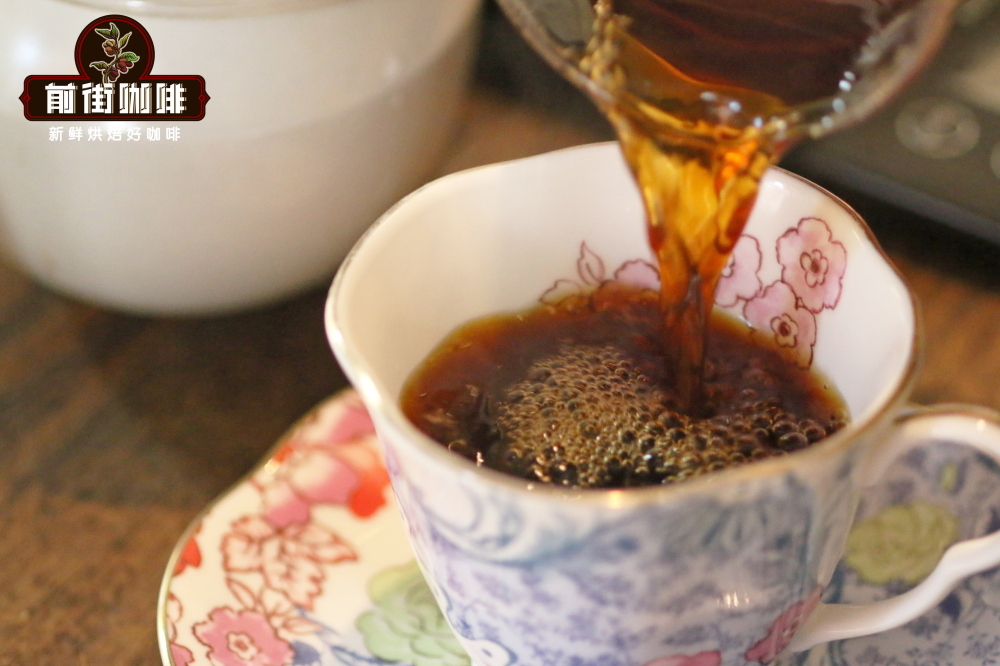
When we usually mention Geisha coffee beans, the most famous are those produced by Hacienda La Esmeralda in the Boquete region of Panama. After being separately identified in 2003 for its unique flavor, it has continued to win championships in BOP and many other green bean competitions. In Front Street Coffee's daily brewing, Panama Geisha shows rose floral notes and citrus tones, more like a cup of floral fruit tea. Hacienda La Esmeralda stands out for three reasons: first, it was the first to discover Geisha; second, Geisha won consecutive BOP championships for it; and third, it established its own quality grading system, and several years later Gesha Village also adopted a similar approach.
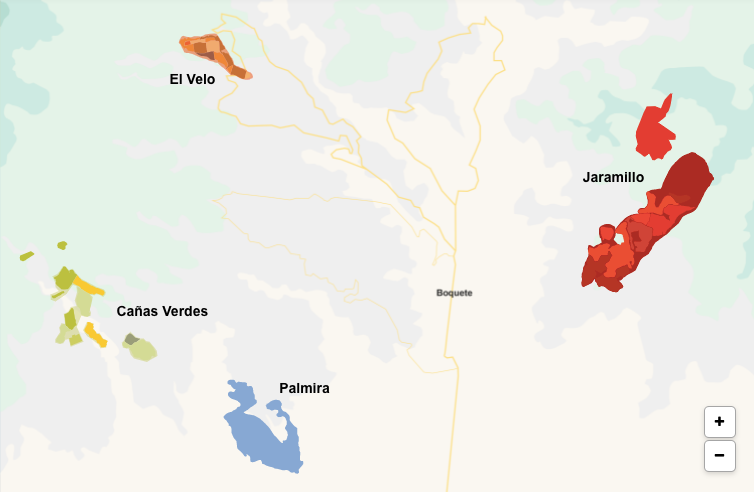
Its grading includes: Red Label Geisha coffee beans, which can be traced precisely to a specific subdivided plot within an estate area at 1,600-1,800 m altitude; Green Label Geisha coffee beans, produced from and blended across subdivided plots within the estate's 1,600-1,800 m altitude area; and the new Blue Label Geisha coffee beans, produced from and blended across the estate's volcanic rock area at around 1,500 m altitude.
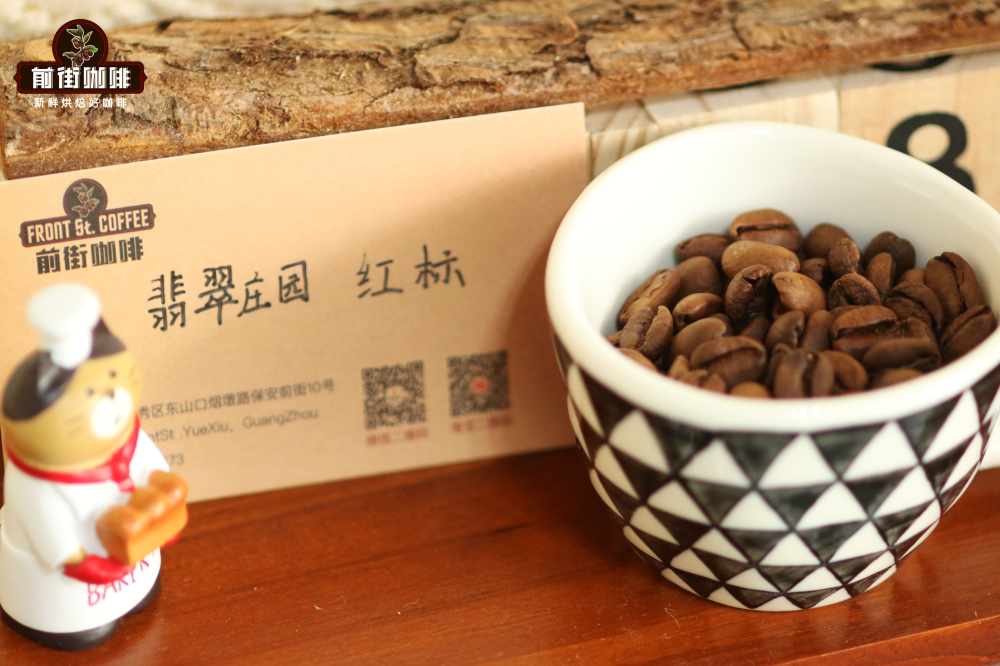
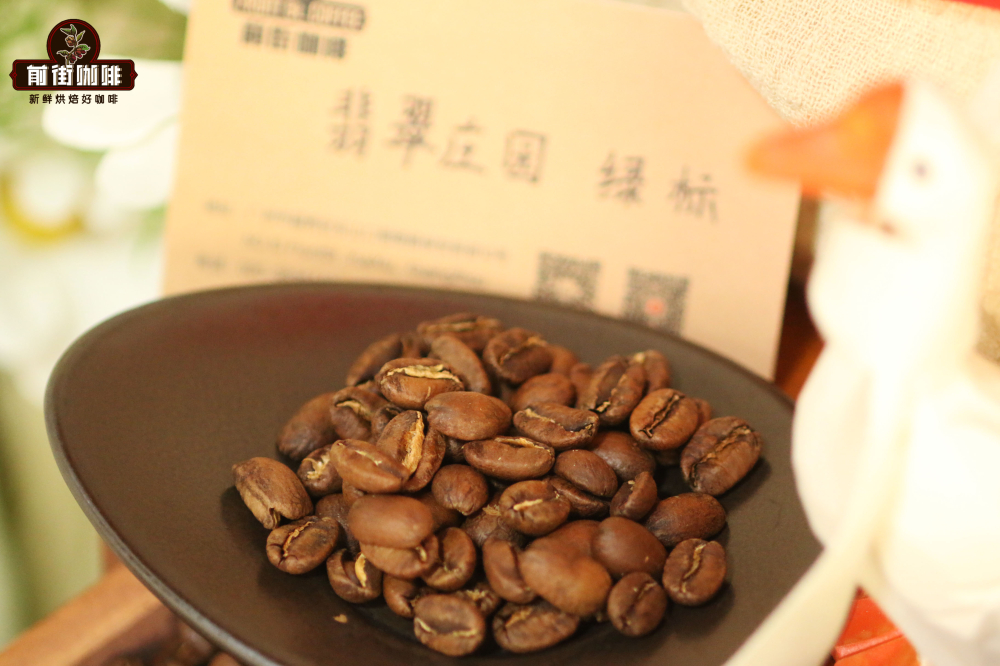
Regarding flavor differences, Front Street Hacienda La Esmeralda Natural Red Label Geisha coffee beans come from the same plot and at a higher altitude, so the flavor is fuller and clearer, with strawberry-like sweet acidity, rose floral notes, oolong tea character, and a honey finish; Front Street Hacienda La Esmeralda Green Label Washed Geisha coffee beans, although not from the same plot, are also grown at high altitude, and the flavor is relatively rich and fresh, with jasmine, ginger flower, citrus acidity, and a Tieguanyin-like sweet aftertaste; Front Street Hacienda La Esmeralda Volcanic Rock Washed New Blue Label coffee beans are grown at a relatively lower altitude, and the flavor is fresher and more pleasant, with white floral notes, citrus acidity, and a honey green tea sweet aftertaste.
Besides Hacienda La Esmeralda's Geisha, attentive friends will also notice that Ethiopia has a coffee bean from Gesha Village, and so they ask Front Street Coffee: Is this also the well-known Geisha? It is not. Gesha Village is located in the Kafa forest, the birthplace of coffee. Although Gesha Village Geisha and Panama Geisha share the same name, they are actually completely unrelated bean varieties, and the two beans can be distinguished just by their appearance. Front Street Coffee will discuss it separately as an Ethiopian Geisha variety.
In 2007, documentary director Adam Overton and his photographer wife Rachel Samuel came into contact with the Gera coffee forest in the Bench-Maji region while filming a coffee documentary for the Ethiopian government. During the process, they not only rediscovered this land but also developed the idea of establishing their own coffee estate and brand, so in earlier years they learned Panamanian cultivation techniques and estate-style management from Wllem Boot, the owner of Hacienda La Mula. Gesha Village is also the first coffee-growing estate in the Ethiopian region.
Adam followed Willem Boot in exploring the surrounding forest and discovered many wild coffee tree species in a jungle surrounded by dense forest (called Gori Gesha forest), and what surprised them most was the native Geisha variety. They collected seeds from native Geisha trees, selected them, and planted them in Gesha Village, and decided to establish an estate there, naming it Gesha Village Coffee Estate, while also subdividing the estate into plots, managing varieties, and classifying products.
The Geisha grown in Ethiopia's Gesha Village is not the Geisha that became famous in Panama. Gesha Village grows three varieties in total: Gori Gesha, Gesha 1931, and Illubabor Forest. The first two are genetically related to Panama Geisha but are not the same variety, while the latter is a disease-resistant variety provided by the Ethiopian research institute.
Gesha Village divides the coffee it produces into 5 lots: Auction, Gold Label, Red Label, Green Label, and Chaka. The Auction lot accounts for only 3.7% of Gesha Village Estate's annual production. After strict selection at every level, it is the estate's top-tier lot and can only be obtained through global auction.
The Gold Label lot of Geisha accounts for about 10% of Gesha Village Estate's annual production. It is very rare and is the top-tier Geisha coffee bean aside from the Auction lot. Front Street previously also cupped a Gold Label lot from the Oma plot (Oma 059 lot), with a natural process involving a drying time of 32 days, and the variety was Gesha 1931 exclusive to the Oma plot. During the dry aroma stage of Front Street's cupping, we smelled intense fruit aromas, and after adding hot water, the wet aroma stage turned into rich floral and berry aromas. When Front Street actually tasted this Front Street Gesha Village Gold Label Geisha, the entry was marked by obvious citrus and creamy notes; the acidity was not as bright as Front Street Yirgacheffe, but rather relatively soft, with obvious sweetness. The caramel and creamy sweetness lingered continuously, and finally there was a fermented-like aftertaste.
Red Label coffee beans account for about 15% of Gesha Village Estate's annual production. They are fully traceable, score over 88 points in cupping (SCA standard), and have a typical Gesha Village flavor. The flavor intensity and complexity are slightly weaker than the Gold Label lot, making it a single-origin lot with very high value for money. In the 2020 harvest season, Front Street Coffee selected a Geisha from the Shewa-Jibabu plot—Front Street Natural Gori Gesha. During cupping, this Red Label lot of Front Street Gori Gesha had tropical fruit, bergamot, and lemon notes, creamy sweetness mixed with fermented notes; as the temperature cooled slightly, jasmine floral notes gradually emerged, and the later flavors were reminiscent of toffee and almonds.
The Green Label lot comes from a single plot and a single variety at Gesha Village Estate. The Green Label lot provides complete traceability information for each lot number, including the farm plot name, coffee variety, and processing date. Chaka is different from the other lots: the Chaka lot blends coffee from all plots on the estate and from the entire production season. Chaka lot coffee has two processing methods, natural and washed, and includes all three coffee varieties at Gesha Village Estate: Gesha 1931, Gori Gesha, and Illubabor.
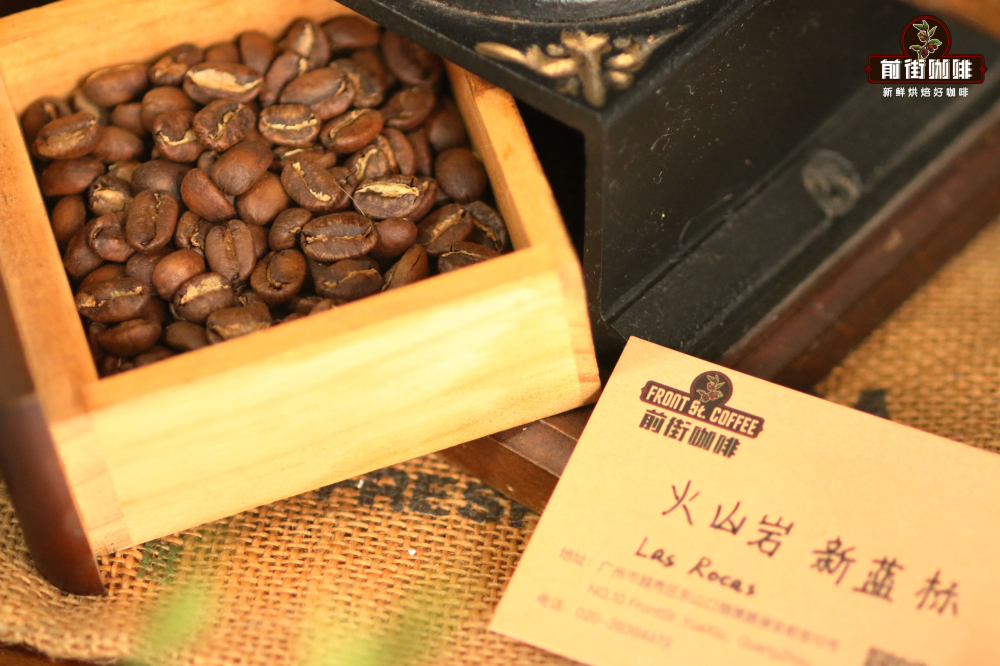
After seeing the differences between Panama Geisha coffee and Ethiopian Geisha coffee, aren't you eager to brew a cup of Geisha coffee to drink? At Front Street Coffee, you can buy three grades of Geisha coffee beans: Front Street Panama Emerald Red Label, Front Street Panama Emerald Green Label, and Front Street Panama Volcanic Rock Blue Label. As for Gesha Village Geisha, for now there is only the Front Street Ethiopia Gesha Village Red Label lot. Coffee beans sold by Front Street are all shipped within 5 days after roasting, so friends should not be in a hurry to drink them after receiving the coffee beans. You can first rest the beans and let them sit sealed in the original packaging in a cool, dry place for 3-4 days after the roast date. Brewed this way, the Geisha coffee will be even more delicious.
Front Street Geisha coffee bean brewing parameter suggestions: dripper: V60 #01, coffee dose: 15 g, coffee-to-water ratio: 1:15, brewing water temperature: 90-91°C, grind size: medium-fine grind (80% passing through a No. 20 standard sieve).
For the brewing method, a three-pour technique is recommended: start the timer, use 30 g of water for the first pour to bloom for 30 seconds, then after 30 seconds begin the second pour, pouring in a slow circular motion up to 125 g. When the coffee liquid in the dripper drops to two-thirds of the coffee bed, begin the third pour, using a slow circular pour up to 225 g, then stop pouring. When all the coffee liquid in the dripper has flowed into the server, remove the dripper and end extraction. The total extraction time for Geisha coffee beans is generally 2 minutes 10 seconds to 2 minutes 20 seconds.
For more specialty coffee beans, please add the private WeChat of Front Street Coffee, WeChat ID: kaixinguoguo0925.
The above content is compiled by CoffeeHunters, a coffee news website.


