







What Does SOE Coffee Mean and How Does Huakui Taste?
SOE coffee, or Single Origin Espresso, is espresso pulled from beans of one origin instead of a multi-origin blend. That is why Luckin's SOE Huakui tastes more fruity and acidic than bitter. Using Front Street Sidamo Huakui 8.0, the same profile can be reproduced at home with set extraction parameters and steps.
The number suffix in the Huakui series, such as 5.0, 7.0 and 8.0, marks different releases of the bean. Adding water to Huakui espresso in a set ratio yields a sweet, refreshing SOE americano, while adding fresh milk gives a latte with clear sweet aroma and a long finish.
In recent years, Luckin Coffee's SOE Huakui has impressed many coffee enthusiasts—it has no obvious bitterness when you drink it, but instead comes with bright fruity acidity and a rather unique mouthfeel. Many people are therefore curious: what exactly is this bean, and can the same flavor be made at home? This article revolves around "SOE Huakui," first explaining the concept of SOE and the origin background of Huakui coffee, then explaining the meaning of the suffix numbers in the Huakui series (such as 5.0, 7.0, and 8.0), and finally using Front Street Sidamo Huakui 8.0 as an example to give the complete extraction parameters and operating steps for SOE espresso, as well as sharing how to turn it into a refreshing Americano or a smooth latte.
Recently, the SOE Huakui launched by Luckin Coffee has attracted the attention of many coffee lovers. Many people's impression after drinking it is that this coffee is not mainly bitter, but instead has obvious fruity acidity, and the overall flavor is quite special. So some people came to ask Front Street what kind of bean this actually uses, and whether they could reproduce it at home. Taking this opportunity, Front Street will talk about what "SOE Huakui" actually means, and what operational points should be noted when making Huakui SOE Americano and Huakui SOE Latte.
What does SOE Huakui mean?
Let's explain the concept first. S.O.E (Single Origin Espresso) refers to espresso extracted from coffee beans of a single origin, which is different from our past usual understanding of espresso.
Traditional Italian-style coffee basically uses dark-roasted beans blended from multiple origins, with the aim of allowing every cup of espresso to maintain a stable and balanced flavor, but the taste is usually relatively intense. S.O.E, however, determines the roast level according to the characteristics of the bean itself and uses coffee from only a single origin, so the espresso it produces is no longer that balanced type dominated by bitterness and intensity.
The so-called "SOE Huakui" is espresso made from the Ethiopian Sidamo Huakui bean. When a barista adds drinking water in a certain ratio, it becomes a cup of SOE Huakui Americano, which tastes sweet, sour, and refreshing; if a certain amount of fresh milk is added to Huakui espresso, you get SOE Huakui Latte, with a clear sweet aroma and a long finish. So here comes the question: what kind of coffee bean is Ethiopian Sidamo Huakui exactly? Why is it so popular?
Why is Huakui coffee so famous?
In coffee shops, "Huakui" refers to a natural-process coffee bean from the Sidamo Hambella producing area in Ethiopia, with the full English name "Ethiopia Guji Hambella Buku Abel." Broadly speaking, it is a champion bean from Ethiopia; more specifically, it is a specialty natural batch processed and produced by the Buku Abel processing station in the Hambella producing area.
The resounding stage name "Huakui" was actually given to this bean by domestic green bean traders in a Chinese-language context after it won the TOH natural group championship that year, meaning "chief of a hundred flowers." Later, driven by promotion and advertising from various merchants, it also gained the title of "comparable to Geisha." Great fame, good quality, rich and juicy fruit-toned character, an affordable price, high extraction compatibility (easy to brew), plus a pleasant name—these advantages combined not only made Huakui stand out among many Ethiopian coffees, but also made it the first choice for many people when trying single-origin coffee for the first time.
If you search for "Huakui coffee" on a shopping platform, you will find that the keyword is often followed by a number, such as Huakui 5.0, Huakui 7.0, and so on. Many friends are curious: what exactly does this number represent?
As Front Street Coffee mentioned earlier, before this bean was called "Huakui," it had only one English name, which was "Hambella," translated into Chinese as "Hanbeila." To put it plainly, what we call "Front Street Ethiopian Sidamo Huakui Coffee" is a traditional natural G1-grade coffee bean from the Sidamo Hambella producing area, and the "Buku Abel" processing station is its more detailed traceability information, located in Dimtu town.
After "Huakui" became famous, in order to respond to surging market demand, DW Company added up to 5 independent green coffee drying and processing stations in Hambella Wamena Wereda, all located in the core producing area of Dimtu town. In addition to the original Buku Abel, four other small villages—Buku Saysay, Haro Soresa, Tirtiro Goye, and Seke Bokosa—also joined the production of natural-process coffee beans. It is said that at that time, the "Huakui" produced annually under DW Company had already reached tens of millions of tons.
Since the 2018 crop year, Huakui (natural G1 coffee beans) from the same growing origin and the same processing station has already shown some changes in taste. Through cupping at the time, Front Street found that although the Huakui of 2018 and 2019 also had flavors similar to the 2017 Huakui, it was not as good as the "first-generation Huakui" in mouthfeel performance such as body and finish.
Therefore, in order to continue selling this natural-process coffee from Hambella while also making a certain distinction from the original version, domestic green bean trading companies calculated from 2017 onward and created an X.0 suffix for each subsequent year's batch. For example, the 2018 batch was called "Huakui 2.0," the 2019 production was called "Huakui 3.0 and 3.1"... last year's release was "Huakui 7.0," and so on, so this year's latest version is naturally "Huakui 8.0." In this way, we can also easily tell from the suffix which year's batch the Huakui we bought belongs to.
How to use Front Street Sidamo Huakui 8.0 to make delicious SOE coffee?
Making SOE greatly tests a barista's extraction skills. It requires considering the roast level of the coffee beans and slowly adjusting different extraction parameters in order to present the best flavor and mouthfeel. If the coffee beans are not chosen well and you are also unfamiliar with the process of making espresso, the probability of failure will be higher, and the resulting coffee will either be so bitter it is hard to swallow or so sour it makes people frown. So in Front Street's view, choosing a coffee bean suitable for SOE extraction not only makes it easy to produce delicious espresso, but also makes it much easier to make Americano or latte after adding water or milk.
Take the Front Street Sidamo Huakui coffee discussed today as an example. Because everyone may brew it differently after purchase, Front Street's roasters specially launched two different roasting profiles: one is a medium-light roast for cold brew and pour-over, and the other is a medium roast suitable for espresso machines and moka pots. For example, if someone likes something simple and convenient and chooses cold brew, or pursues a sense of ritual and extracts by pour-over, then they can choose the medium-light roast; if you prefer golden crema, or hope to pour delicate patterns on a latte, Front Street recommends choosing the SOE roast profile.
Front Street SOE Huakui Espresso Extraction Parameters
Coffee beans: Front Street Ethiopian Sidamo Huakui 8.0
Coffee powder amount: 20g
Coffee liquid amount: 40g
Powder-to-liquid ratio: 1:2
Extraction time: 26–32 seconds
Grind setting: Galileo 2.0
The coffee machine used by Front Street has a double basket capacity, so 20 grams of coffee powder is needed each time, and the extraction powder-to-liquid ratio is 1:2, meaning 40 grams of coffee liquid is yielded within a reasonable time. Extraction time is related to the flow rate of the coffee powder. Generally, a single extraction is controlled within 20–35 seconds: if it is less than 20 seconds, the coffee taste tends to be thin and bland; while if it exceeds 35 seconds, it is easy to over-extract and cause a burnt bitter taste in the coffee. Therefore, when producing it, Front Street controls the espresso time within the range of 26–32 seconds.
Before extraction, we need to first wipe the basket dry, turn on the grinder, grind a double dose of coffee powder, and place it on an electronic scale to measure and adjust until it reaches exactly 20 grams. Then use a distribution tool to level the coffee powder, and use a tamper to press vertically downward with force to tamp the coffee puck firmly, ensuring more stable coffee extraction.
Then turn on the extraction switch and let water run for 1–2 seconds to wet the brew head, which can also wash away the coffee grounds stuck on it. Place an electronic scale under the cup that will catch the Espresso and reset the weight to 0, then place it together under the brew head during extraction.
Gently lock the portafilter onto the brew head and start pulling down the extraction switch. Observe the changes in the extracted liquid. When the electronic scale shows 40 grams of coffee liquid extracted, at about 30 seconds, pull down the extraction switch. The brewing parameters will produce subtle changes according to daily air humidity and the condition of the coffee beans, so it is necessary to adjust the coffee powder amount, grind setting, and extracted coffee liquid amount up or down.
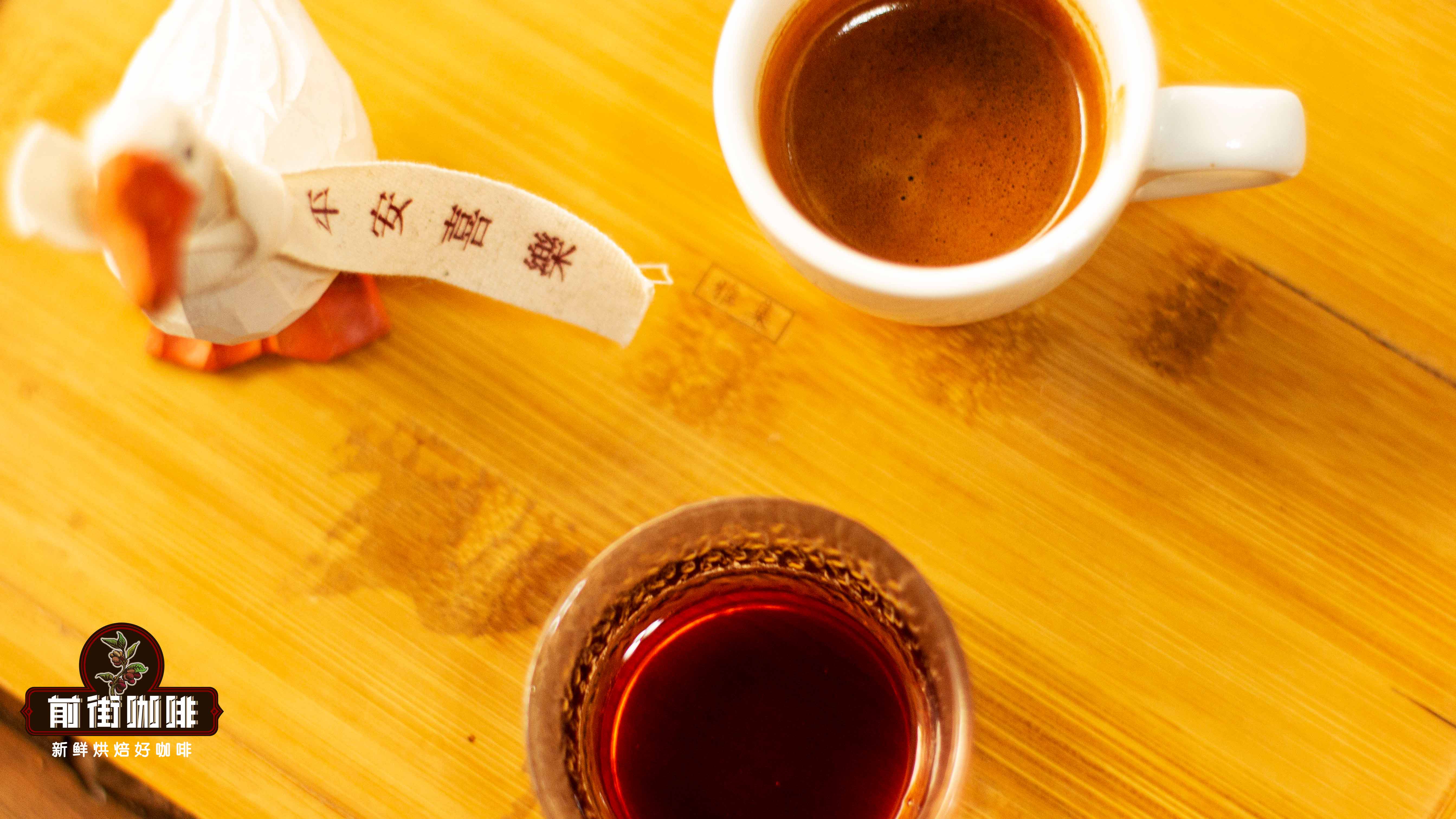
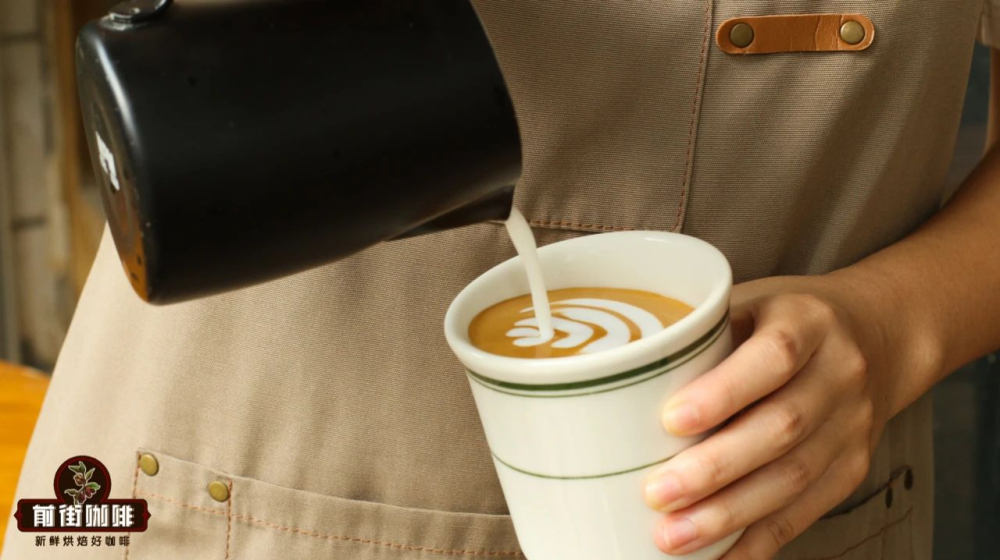
The extracted Huakui SOE can be drunk directly. Remember to pair it with a glass of water to rinse your mouth, so you can taste the dense crema foam and the rich tropical fruit aroma of the coffee liquid underneath. If you cannot accept the intense bitterness of espresso, then of course you can also add ice water or warm water at a 1:4 ratio according to your preference to make a refreshing SOE Huakui Americano, or add steamed fresh milk at a 1:6 ratio to soften the mouthfeel, and it becomes a delicious cup of SOE Huakui Latte.
The above content is compiled by CoffeeHunters, a coffee news website.


