







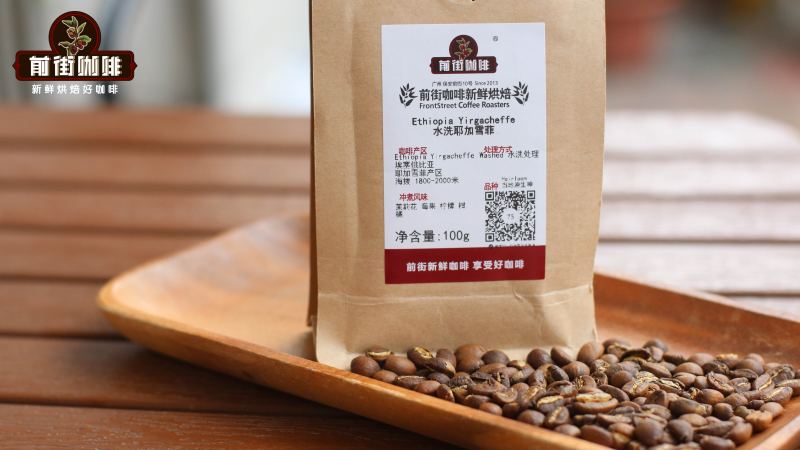
How Does Yirgacheffe Natural Compare With Washed Processing?
Yirgacheffe natural and washed lots from the same Ethiopian region taste quite different. Natural processing dries the whole cherry and yields heavier body with berry and fermented fruit notes, while washed processing removes the fruit first and produces a lighter, brighter cup with clean floral and citric acidity. Neither is better; the choice comes down to whether you want sweetness and depth or clarity.
The article compares two G1 lots, Red Cherry and Konga, and traces the washed work of the Banko Gotiti Cooperative plus the origins of Operation Cherry Red. Because coffee bean processing shapes flavor so strongly, cupping the two side by side is the quickest way to decide. Gesha vs Yirgacheffe comparisons aside, both beans show why grade and process matter as much as region.
Yirgacheffe is one of Ethiopia's most renowned coffee regions, and its two processing methods—natural and washed—produce strikingly different flavor profiles. Starting from Front Street Coffee's bean list, this article outlines the regional background of Yirgacheffe, the washed processing at the Banko Gotiti Cooperative, and the origins of Operation Cherry Red, then compares the cupping performance and brewing parameters of two G1 beans—Front Street Yirgacheffe Red Cherry (natural) and Front Street Yirgacheffe Konga (natural)—to help coffee lovers understand how to choose between natural and washed based on their taste preferences.
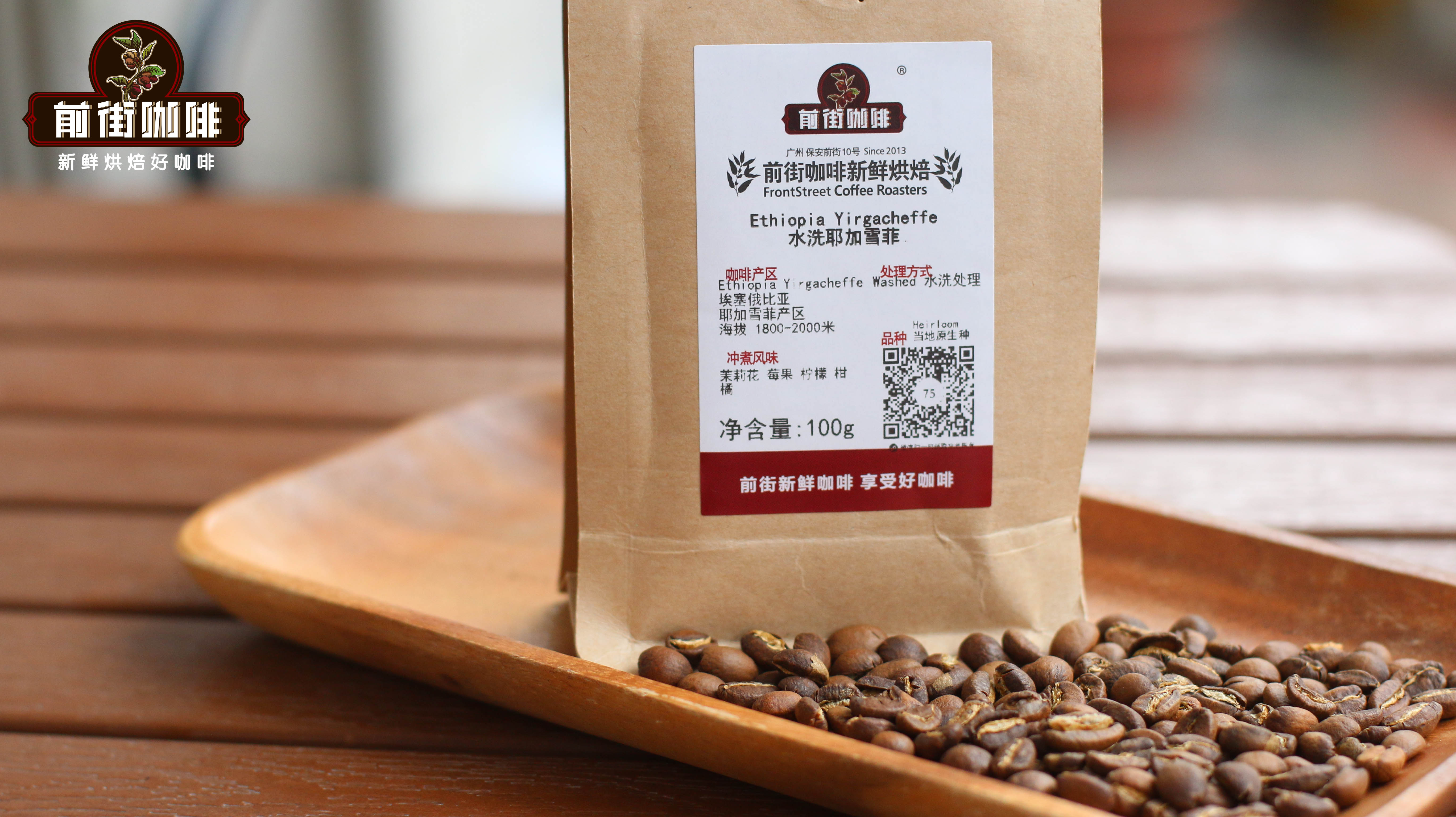
Opening Front Street Coffee's bean list, beans from the Ethiopia region have always accounted for the largest proportion.
1. There is Front Street.Banko Gotiti Cooperative, which spun off from the Worka Cooperative due to its outstanding flavor, as well as Front Street.Kaffa Forest, which insists on natural cultivation; 2. There are also outputs from rare large estates in Ethiopia—Front Street Gold Label Gesha, Front Street Red Label Gesha, and Front Street Chaka Gesha from Gesha Village; 3. And the classic berry-toned Front Street Sidamo Natural Huakui Coffee and Front Street.Natural Red Cherry.
Front Street Coffee has done its homework on the regional background of every bean; even different varieties within the same region, or the same variety processed in different ways, are distinguished one by one. For example, natural and washed processing methods bring different flavors and mouthfeels; likewise, different regions produce different bean performances. Front Street has categorized and built a database of this information, making it easier for coffee-loving friends to obtain more detailed materials and helping more people step into the world of coffee.
Yirgacheffe Coffee Region
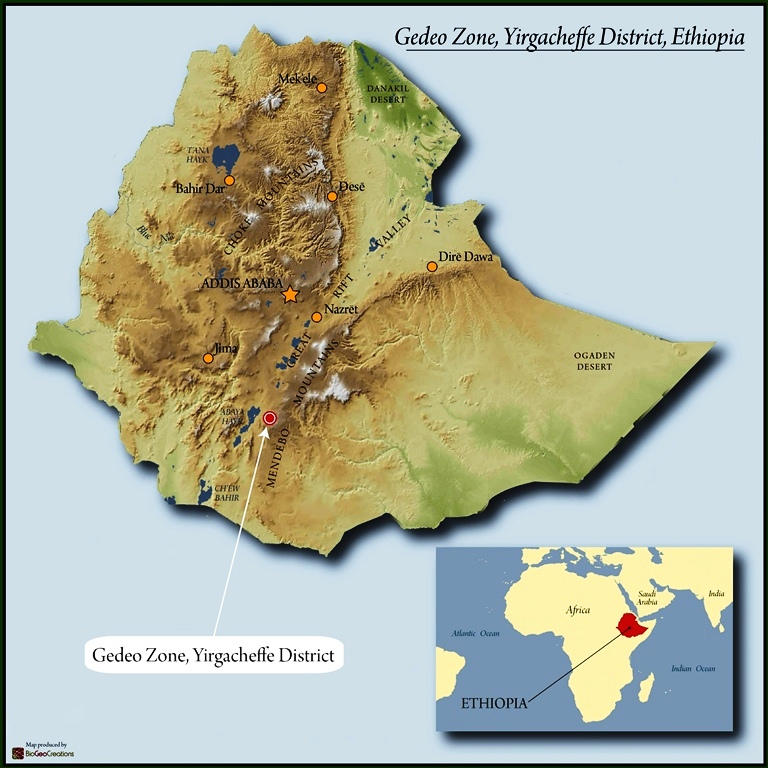
The Yirgacheffe region is located in Ethiopia and was originally just a sub-region under Sidamo. Because its coffee flavor is bright and delicate, it formed its own distinct style within Sidamo. As its recognizability became too high to ignore, coffee farmers took pride in their beans having a Yirgacheffe flavor, and it eventually became independent from Sidamo, becoming today's most famous Yirgacheffe region.
In the early days, the Yirgacheffe region used the most traditional natural drying method to process coffee beans. Later, the Ethiopian government introduced washed processing from Central and South America, and Yirgacheffe's coffee quality rose substantially; its bright, uplifting acidity and white floral characteristics quickly won over a large following. The Yirgacheffe coffee region is a high-altitude area, at around 2,000 meters above sea level. There are more than 40 cooperatives in the region, mainly managed through family-run operations. Yirgacheffe also has many well-known micro-regions, such as Kochere, Misty Valley, and Gedeb. These micro-regions all have capable cooperatives, and the Front Street Yirgacheffe coffee beans they produce each have their own flavor characteristics.
Banko Gotiti Cooperative
The Banko Gotiti Cooperative is located in the Worka region at the southeastern end of Yirgacheffe and was originally part of the Worka Cooperative under the Yirgacheffe Coffee Farmers' Cooperative Union (YCFCU). As the industry increasingly emphasized traceability of green coffee, "single-origin" was gradually uncovered by coffee hunters around the world.
In 2012, Banko Gotiti, with about 300 members, officially became independent as the "Banko Gotiti Cooperative." Banko Gotiti village was the earliest village area to be separately demarcated, and many smallholder farmers were originally members of the Worka Cooperative, so their production skills were naturally solid. The Banko Gotiti Cooperative is called the last pure land of Yirgacheffe, and the green bean processing methods it uses are quite traditional (washed and natural).
Coffee Bean Processing Methods Front Street Yirgacheffe Banko Gotiti Cooperative coffee beans use washed processing. First, a depulper removes the skin and flesh of the cherries, then they are left to rest in fermentation tanks for 18 to 36 hours so the mucilage layer breaks down (the specific duration depends on local temperature and humidity), after which the parchment beans are scrubbed through washing channels for 30 to 60 minutes.
Through channel design and water flow, low-density, poor-quality beans are removed, while high-quality parchment beans are placed on African-style raised beds to dry for about 14 days. After drying is complete, they are first stored in the processing plant warehouse, and before export they are sent to a Dry Mill for hulling. After a series of complicated steps including foreign matter removal, silver skin polishing, gravity sorting, and color sorting, they are finally bagged for export.
Front Street. Washed Banko Gotiti Coffee Beans
Country: Ethiopia
Region: Yirgacheffe Gedeo Zone
Altitude: 1900-2300m
Variety: Heirloom
Processing Method: Washed Grade: G1 Flavor: Berry, cream, honey, citrus, juicy
Friends familiar with Ethiopian coffee are probably no strangers to Operation Cherry Red. Below, Front Street Coffee will talk about what Operation Cherry Red actually is.
About Operation Cherry Red Introduction
The core of Operation Cherry Red is to process only fully red coffee cherries in order to improve coffee quality. Today, processing only fully red cherries is no longer anything new (isn't using fully red cherries a given?), but in 2007, this absolutely counted as a landmark innovation.
In 2007, Trabocca, the largest green bean trader in the Netherlands, proposed " Operation Cherry Red " ((Operation Cherry Red)) in pursuit of high-quality Ethiopian beans, namely a project to improve the production quality of small-scale farms. Before that, whether local processing stations or green bean traders, all tried to keep cherry purchase prices as low as possible to gain higher profits. For coffee farmers, the number of cherries sold directly determined their income, so they did not care about quality. Traders kept prices low and coffee farmers chased volume, sending coffee bean quality into a vicious cycle. Trabocca saw this and was determined to break the dead loop, and so the win-win "Operation Cherry Red" came into being.
Project requirements: Picking green coffee cherries not only requires selecting fully red fruit, but also must be entirely hand-harvested, but this is only the most basic requirement; the project is far from this simple. To encourage coffee farmers, Trabocca, the largest coffee bean trader in the Netherlands, invited all Ethiopian farms before the harvest season to produce small batches of about 1,500-3,000 kg (25-50 bags) of beans, with women specially selecting 100% ripe red cherries. This has an enormous impact on the final coffee flavor, so sharp-eyed and diligent Ethiopian women are important drivers of Operation Cherry Red.
Operation Cherry Red is also a reinforcing approach, pushing farms to invest more thought into screening and sorting beans, and these coffees also command relatively higher prices. Operation Cherry Red covers washed, natural, semi-washed, semi-natural, and experimental coffees, with main production areas including Yirgacheffe, Sidamo, Bonga Forest, Lekempti, Kambata, Ilubabor, Harar, and Limu; in 2011, the Golocha production area (near Harar) was also added. These production areas have unique flavors and can fully display the charm of Ethiopian coffee.
First, the cupping score threshold is high. In the cupping rooms in Addis Ababa, Ethiopia, and Amsterdam, the Netherlands, after Trabocca receives coffee shipped from the production areas, it screens it again and determines through two cuppings in the two locations whether the coffee beans meet the standard. Beans that meet the standard are organized by Trabocca for auction to coffee bean buyers worldwide. Usually, coffee beans auctioned through this platform can fetch more than 4 times the international general coffee spot price, and at the highest even 20 times.
Second, production volume requirements are small, and quality requirements are high. In order to have enough energy to look after these top Ethiopian local beans, Trabocca requires that beans participating in the project must be in small batches, with output roughly between 1,500 kg and 3,000 kg.
Finally, Trabocca's investment in and attention to the project are both very large. Trabocca donated new raised drying beds, shade nets, generators, and more locally, while also providing financial loan support, new hardware equipment, and production processing knowledge and technology to help farmers raise their production level. In addition, through real-time monitoring, safe transportation, and other means, it ensures that the beans of "Operation Cherry Red" receive the best care at every stage.
Specifically, Operation Cherry Red encourages coffee farmers to more attentively complete every step, including picking and processing, by raising the purchase price of high-quality green coffee. The coffee beans produced this way are of better quality and taste better, making them more likely to gain recognition in the end market, thereby balancing the relatively high coffee purchase cost. Although the advantages of Operation Cherry Red coffee beans no longer seem outstanding today, the project's contribution to the refinement of coffee cannot be ignored.
How does Yirgacheffe Red Cherry coffee bean flavor perform?
Front Street Yirgacheffe Red Cherry coffee beans, use fully red cherry natural processing from Aricha Farm . Each smallholder coffee farmer at Aricha Farm cultivates an average area of about 0.6 hectares, and the farm is made up of hundreds of coffee farmers, with a cultivation altitude of nearly 2,000 meters, large temperature differences, and fertile soil, providing a superior growing environment. Hand-picking fully red cherries can maximize the lower limit of coffee quality.
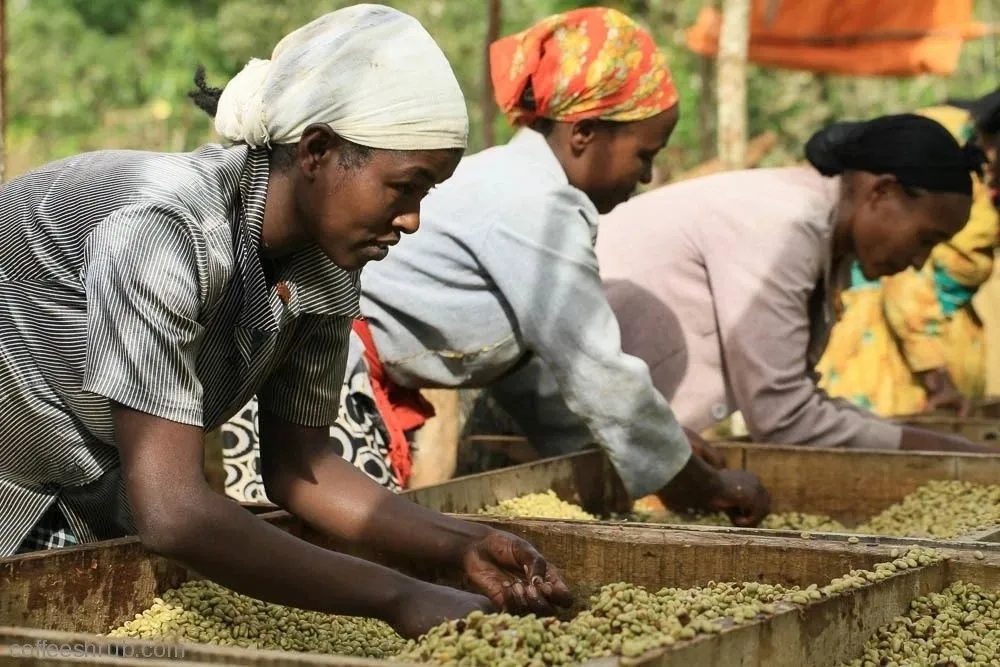
The green beans are pale yellow, plump, complete in appearance, and low in defect rate, belonging to the G1 grade. As a single-origin pour-over coffee, Red Cherry coffee beans are roasted by Front Street Coffee at a medium-light level. After roasting, the Red Cherry coffee beans have an even color and an obvious berry aroma. Below, take two beans from the Front Street bean list—Front Street Yirgacheffe Red Cherry and Front Street Yirgacheffe Konga—as examples. These two Front Street Ethiopian coffee beans are both natural processed, come from the same Yirgacheffe region, but are from different processing stations.
Front Street Yirgacheffe Red Cherry Coffee Beans and Front Street Yirgacheffe Konga Coffee Beans
Brewing Parameters
Dripper: V60#01 Water Temperature: 90-91℃ Dose: 15g Coffee-to-Water Ratio: 1:15 Grind Size: Medium-fine grind (80% passing through China standard No. 20 sieve)
Front Street. Natural Red Cherry Coffee Beans Country: Ethiopia Region: Yirgacheffe Processing Station: Aricha Altitude: 2300m Variety: Local Heirloom Processing Method: Natural Grade: G1
Front Street. Natural Konga Coffee Beans
Country: Ethiopia
Region: Yirgacheffe
Washing Station: Worka Konga Processing Station
Altitude: 1850 to 2050 meters
Coffee Variety: Heirloom
Processing Method: Natural
Grade: G1
Front Street Coffee Brewing Method Sharing
Three-stage extraction. Use 30 grams of water for a 30-second bloom, then pour in a small stream in circles until 125 grams and pause; when the water level drops and is about to expose the coffee bed, continue pouring until 225 grams and stop; when the water level drops and is about to expose the coffee bed, remove the dripper. (Start timing at the beginning of the bloom.) Extraction time is 2'00".
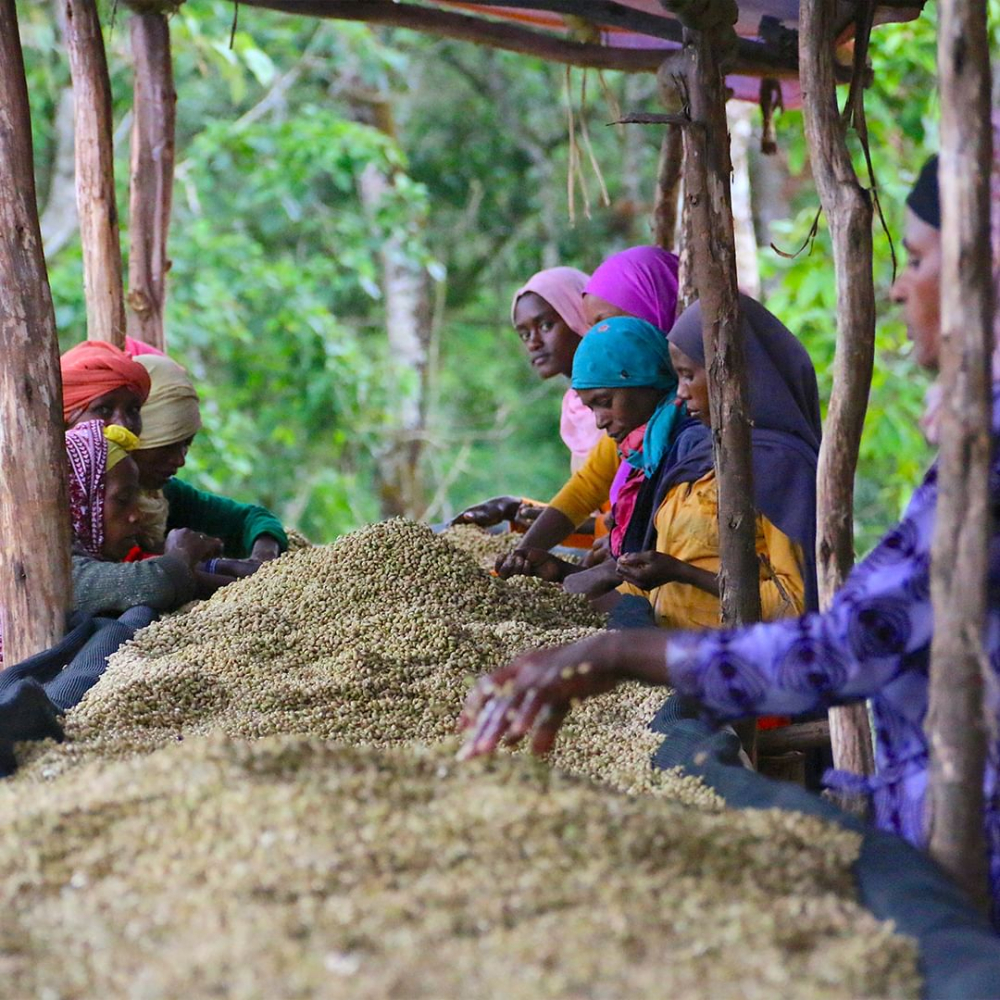
Front Street Yirgacheffe Red Cherry Coffee Beans: Lemon, citrus, berry, sweet orange, with relatively high overall sweetness, a sweet aftertaste with caramel and cream flavors, and a finish with black tea aroma.
Front Street Yirgacheffe Konga Coffee Beans : At high temperature, it is berry, cream, honey, citrus, with a juicy mouthfeel and bright acidity; after the temperature drops slightly, it turns to berry, cream, smooth, citrus.
The above content is compiled by CoffeeHunters, a coffee news website.


