







Search Results for: three-stage washed
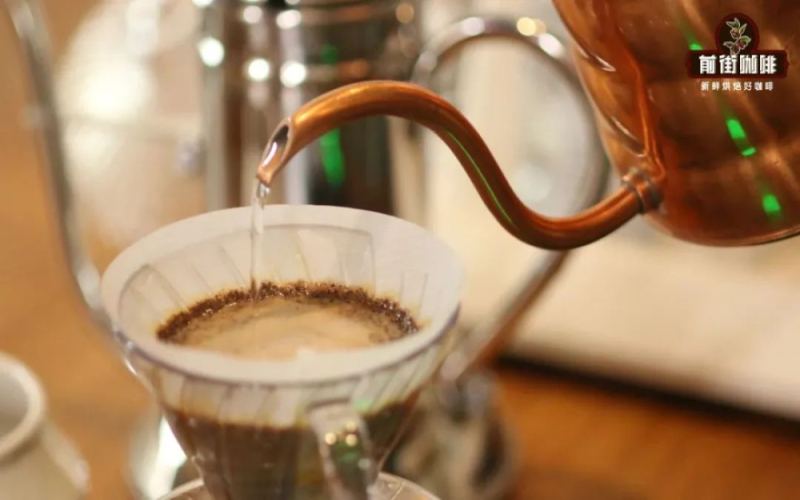
Analysis of the Differences Between One-Pour and Three-Pour Hand Brewing: How Pouring Technique Affects Coffee Flavor and Extraction
There are many ways to pour water when making pour-over coffee, and among them the one-pour method and the three-stage method are two common yet strikingly different techniques. The one-pour method originates from Japanese swordsmanship; it looks simple to perform, but places extremely high demands on water-flow control. The three-stage method, by contrast, extends the extraction time through staged pouring, enhancing the layers of flavor. This article uses a comparative experiment at Front Street Coffee, using the same washed Yirgacheffe beans, brewed with the one-pour method and the three-stage method respectively, to analyze the differences between the two in the shape of the coffee bed, flavor performance, and extraction time, and to explore why the three-stage method is more favored by baristas. Whether you are a beginner or an advanced player, understanding the core points of these techniques can help you flexibly choose according to the beans and parameters, and brew a more satisfying cup of coffee. [more…]
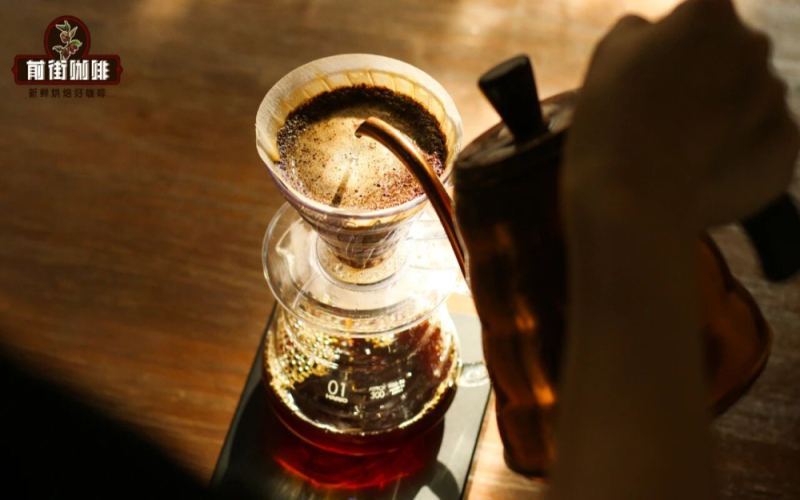
Pour-Over Beginner's Guide: How Three-Stage Pouring Extraction Makes Coffee Layers More Distinct
Segmented extraction is a common and practical brewing method in pour-over coffee. Front Street Coffee also often uses three-stage extraction in daily production to enhance the layering of the coffee. Many friends who are just getting into pour-over coffee are curious: what advantages does three-stage extraction actually have? What flavor extraction tasks does each pouring stage undertake? Why does this method make coffee taste more layered? This article will take the Panama Hacienda La Esmeralda washed Green Label Geisha as an example, separating the coffee liquid from the three extraction stages for tasting one by one, analyzing the flavor characteristics presented in the front, middle, and back stages, and comparing the overall taste changes after mixing, to help beginners understand the principles and practical application effects of three-stage extraction. [more…]
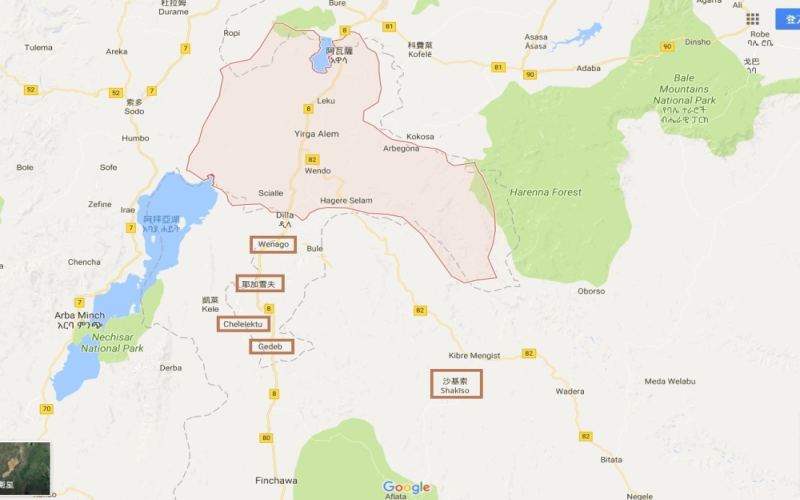
Front Street Coffee Natural Yirgacheffe Wote Flower Pour-Over Guide: From Origin Flavor to Detailed Three-Stage Parameters
As the most representative micro-region in Ethiopia, Yirgacheffe is renowned for its vibrant citrus acidity and floral aromas. Starting from Front Street's naturally processed Yirgacheffe Worka, this article systematically reviews the region's background, the differences between washed and natural processing, and the impact of high altitude on flavor, and provides complete pour-over parameters and a three-stage pouring procedure, including key information such as dripper selection, water temperature, coffee-to-water ratio, and grind size, to help coffee enthusiasts consistently reproduce a cup that balances floral aromas with fruity sweetness. [more…]
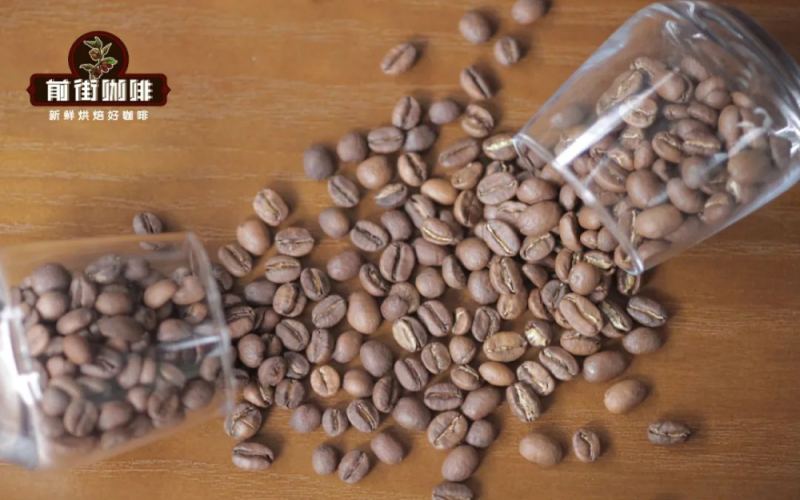
Yirgacheffe Pour-Over Guide: Flavor Characteristics, Roasting Logic, and Three-Stage Extraction Practice
Yirgacheffe, with its complex profile of citrus, lemon, berries, and floral notes, plus a clear tea-like body, has become the go-to entry choice for many coffee lovers. This article focuses on this classic Ethiopian bean, sorting out the key factors behind its flavor formation—from the introduction of the washed processing method and the accidental discovery of medium-light roasting, to the equipment setup, grinding, and water temperature parameters needed for home pour-over. At the same time, using 15 grams of coffee and a 1:15 coffee-to-water ratio as an example, it breaks down the specific steps and timing of a three-stage pour, and explains the roasting settings of Front Street Coffee's three Yirgacheffe daily-drinker beans, helping readers reliably reproduce a bright, delicate cup at home. [more…]
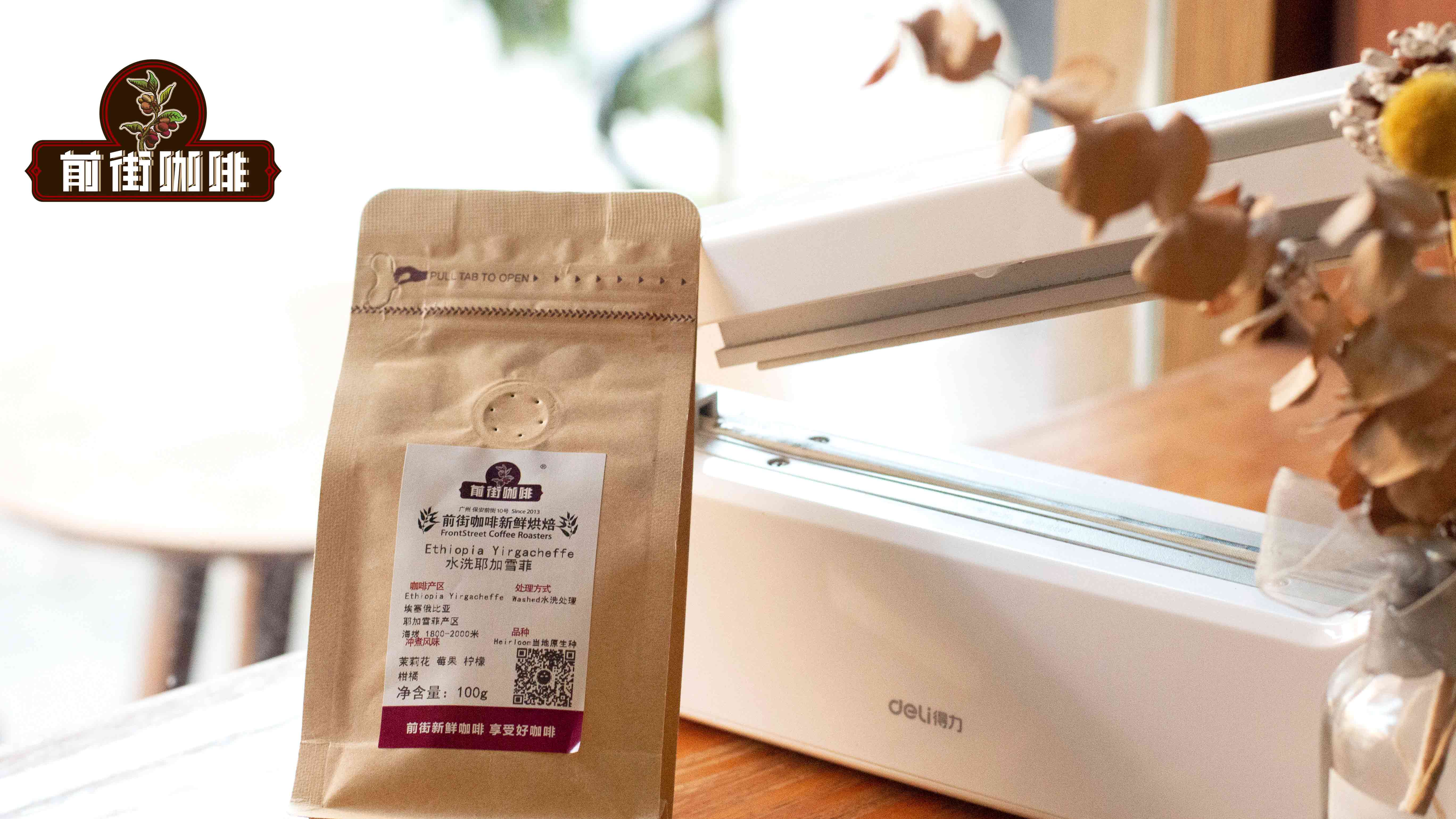
The Complete Guide to Light-Roast Yirgacheffe Pour-Over: Flavor Analysis of Gudingding Washed Beans and the Three-Stage Bloom Pouring Technique
Yirgacheffe is renowned for its bright, sweet-tart citrus, lemon, and berry notes, along with its rich floral aroma. It is usually given a medium-light roast and prepared as pour-over. This article uses Front Street Coffee's Yirgacheffe Gudingding Cooperative washed beans as an example, breaking down everything from the producing region's background and the washed processing flow to brewing parameters and blooming technique. You will see how Gudingding became independent from the Worka Cooperative in 2012 and grew into a representative of Yirgacheffe's specialty micro-regions; you will also learn the details of fermentation, channel washing, and African raised-bed drying in washed processing. The brewing section covers the complete setup of a V60 dripper, 92°C water temperature, 15 grams of coffee, a 1:15 coffee-to-water ratio, and medium-fine grinding, with a three-stage pouring timeline and water distribution to help beginners build a reusable pour-over framework. [more…]
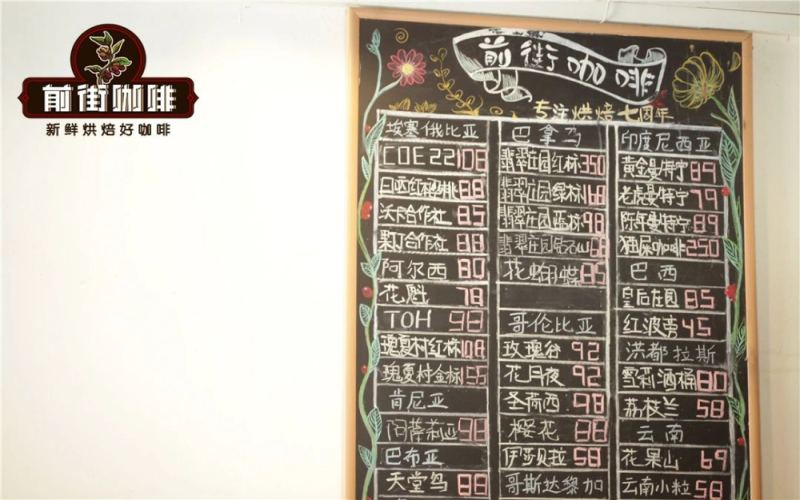
Front Street Coffee Yirgacheffe Pour-Over Guide: Washed vs. Natural Flavor Differences and Three-Stage Extraction in Practice
Yirgacheffe is the entry-level choice for many coffee enthusiasts getting into light-roast, fruit-acidity coffees, and the washed Gedingding and natural Red Cherry offered by Front Street Coffee precisely showcase the flavor differences between two processing methods from the same region. This article will start with the evolution of washed and natural processing techniques, analyze how medium-light roasting preserves the layered notes of citrus florals and tropical fruit, and then use 15 grams of coffee with a 1:15 coffee-to-water ratio as an example to break down in detail the parameters and pouring technique of the three-stage pour, helping you consistently brew a clean and bright cup of Yirgacheffe at home. [more…]
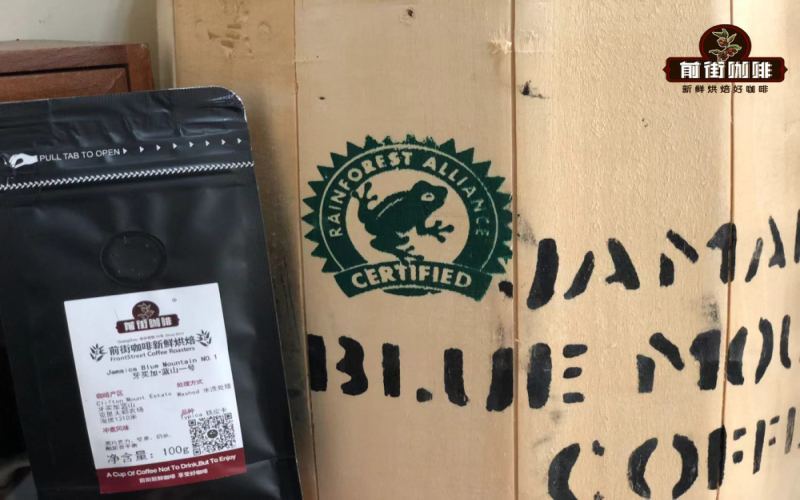
Jamaica Blue Mountain Coffee Beans Pour-Over Guide: From Origin Grading to Three-Stage Extraction Practical Detailed Explanation
Blue Mountain coffee has long been regarded as a treasure among coffees, and its rich, mellow taste has captivated countless enthusiasts. To recreate an authentic cup of Jamaican Blue Mountain coffee at home, you first need to understand its origin background, washed processing method, and grading standards, and then master the matching brewing parameters and techniques. Starting from Front Street's Blue Mountain No. 1 coffee beans, this article sorts out the core knowledge of Blue Mountain coffee and provides a complete pour-over procedure—including equipment preparation, water temperature and grind size selection, coffee-to-water ratio, and the specific details of three-stage pouring—to help you consistently extract the classic Blue Mountain flavor interwoven with dark chocolate, nuts, and caramel. [more…]
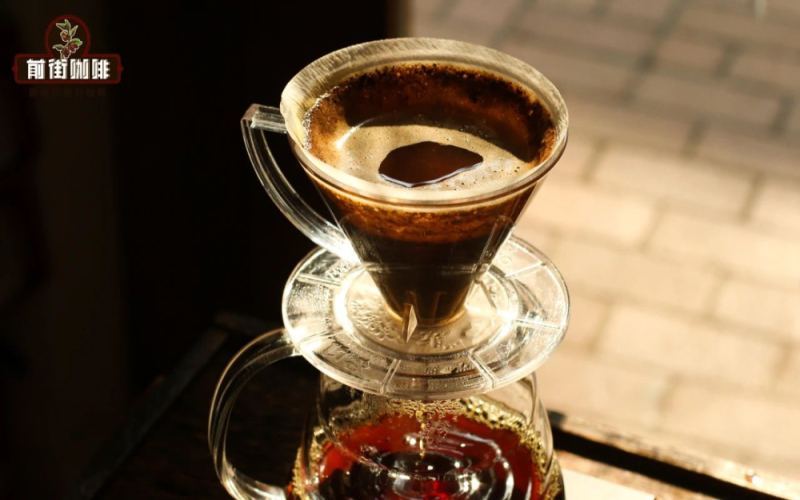
How to Determine the Coffee-to-Water Ratio for Pour-Over Coffee? A Practical Guide from Calculation to Three-Stage Pouring
The coffee-to-water ratio in pour-over coffee directly determines the strength and extraction yield of the final cup, and it is the first core parameter beginners need to master. Drawing on Front Street Coffee's brewing experience, this article first explains what the coffee-to-water ratio means and how to calculate it, then explains why water should be poured in stages, and provides a universal three-stage method suitable for beginners: 15 grams of coffee, a 1:15 ratio, 225 milliliters of total water, completed in three pours of 30, 95, and 100. The article also includes a list of equipment, bean selection advice, reference water temperature and grind size, and specific steps for using Front Street washed Yirgacheffe with a Hario V60, helping readers build a stable brewing framework. [more…]
Pour-Over Coffee: One-Pour vs. Three-Pour Comparison — A Comprehensive Analysis of Steps, Ratios, and Brewing Methods
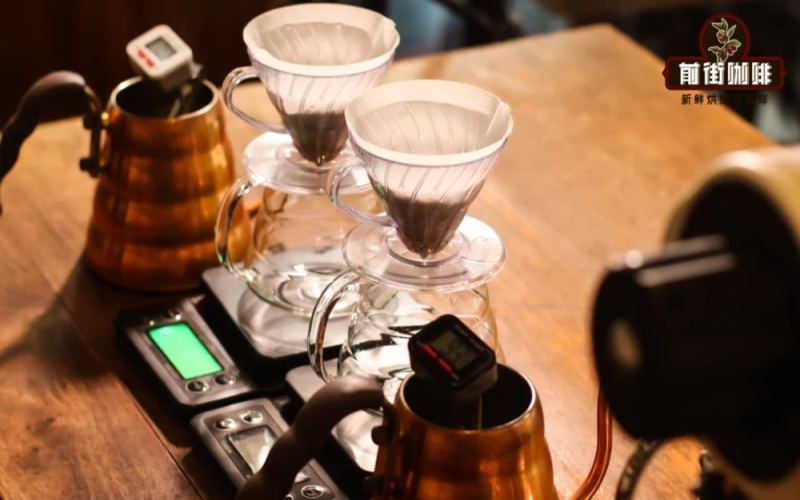
One of the charms of pour-over coffee lies in using different pouring techniques to bring out the diverse flavors of the same bean. Currently, the two most widely used methods—single-pour and three-stage—each have their own followers. Single-pour involves completing the target water volume in one go after blooming; it is simple to operate but extremely demanding on water flow stability and grind size. The three-stage method divides pouring into three phases, enhancing layering and compatibility through staged extraction. Using 15 grams of coffee and a 1:15 coffee-to-water ratio as an example, this article breaks down in detail the specific steps, pouring timing, and parameter requirements of both methods, and combines the brewing performance of Front Street Coffee Huakui and Colombia Huila Washed Caturra to help you find a brewing rhythm that suits you. [more…]
Step-by-step pour-over three-stage tutorial | What is pour-over coffee and how to calculate the water-to-coffee ratio? Three-stage pour-over coffee guide with water volume and pouring ratio for each stage
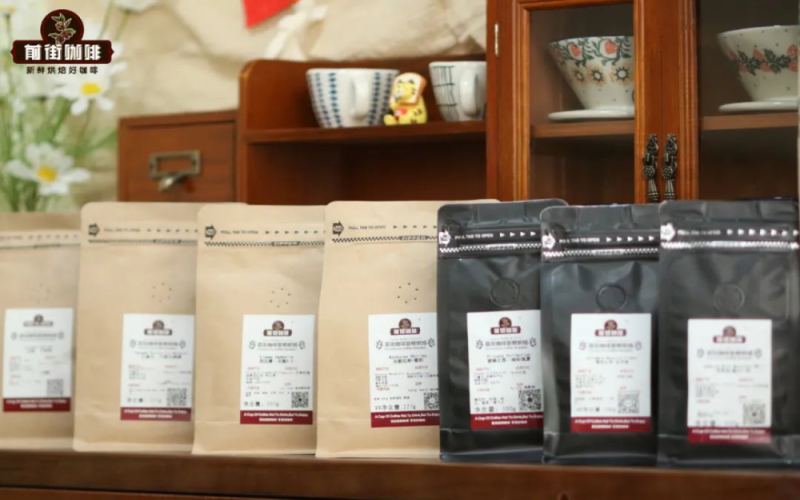
I don't know under what circumstances everyone first learned about pour-over coffee. For Front Street, it was one day when I walked into a café and saw the barista pouring water in circles over the coffee grounds in the dripper, and then getting a cup of rich, aromatic black coffee. I found it absolutely fascinating, and so I fell under the spell of pour-over coffee. What does pour-over coffee mean? [more…]
Pour-Over Coffee Three-Stage Pouring Technique: A Detailed Guide to Water Distribution and Calculation for Each Stage
The charm of pour-over coffee lies in precisely controlling the extraction process through staged pouring, allowing each cup to present rich layers of flavor. This article will guide you through the basic principles of pour-over coffee, essential equipment, how to calculate the coffee-to-water ratio, and a detailed breakdown of the three-stage pouring method's specific operations and water distribution. At the same time, we'll share Front Street Coffee's brewing experience, including how to adjust parameters based on coffee bean characteristics, as well as the calculation logic and practical tips for each stage of water in the three-stage pour. Whether you're a beginner just starting out or an enthusiast looking to refine your skills, you'll find practical guidance here. [more…]
Colombia Huila Pour-Over Techniques Explained: A Complete Guide from Terroir to Three-Stage Extraction
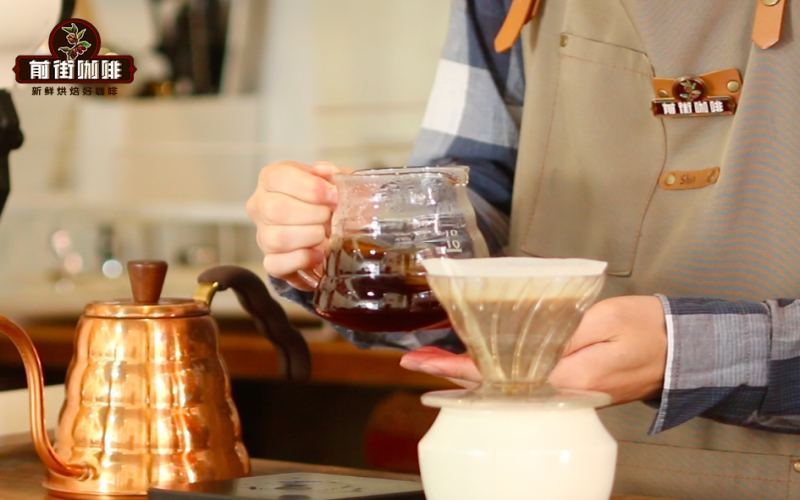
Colombia, as the world's second-largest coffee producer, is known for the specialty coffee from its southern Huila Province, celebrated for its caramel sweetness and delicate berry acidity. Front Street Coffee selects washed Caturra from Huila Province and uses a medium-dark roast to bring out nutty and dark chocolate notes. This article will begin with the history of coffee cultivation in Colombia and the characteristics of its producing regions, then explain in detail the roast profile of this bean, and teach you step by step how to brew the best flavor using the three-pour method. Whether you are a beginner just getting into pour-over or an enthusiast looking to refine your technique, you will find practical parameters and key operating points here. [more…]
Colombian Coffee Beans Pour-Over Parameters and Flavor Analysis: Grind Size, Water Temperature, and Review of Five Front Street Coffee Beans
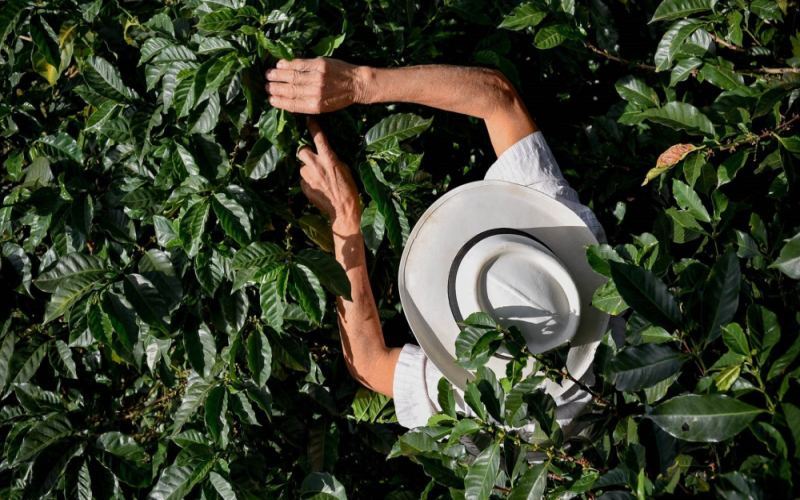
Colombia, as the world's third-largest coffee-producing country, is known for its coffee beans' balanced and gentle flavor, making them highly sought after whether as single-origin or in blends. This article starts from the flavor characteristics of the producing regions and provides a detailed explanation of the pour-over extraction method recommended by Front Street Coffee, including medium grinding, 90°C water temperature, a 1:15 coffee-to-water ratio, and a three-stage pouring technique. It also introduces one by one the five Colombian coffee beans currently on sale—Huila Caturra, Hanami, Tsukiyo, Sakura, and Rose Valley—covering processing methods such as washed, anaerobic natural, double anaerobic washed, and anaerobic enzyme washed, helping you fully understand the brewing key points and flavor performance of Colombian coffee. [more…]
How Many Pours Can You Really Split Into for Pour-Over Coffee? A Full Breakdown of the Three-Pour Method's Key Steps and Timing Control
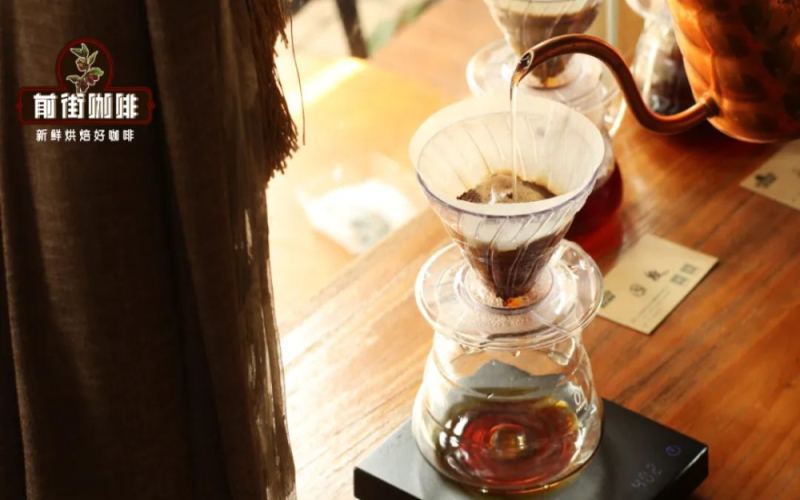
The pouring method in pour-over coffee directly influences the final flavor profile, and staged pouring is a core technique that the vast majority of coffee enthusiasts will encounter. After blooming, should you pour all the water in one go or pause midway? What is the most reasonable number of stages? And how do different numbers of stages change the mouthfeel, aroma, and layers of the coffee? Drawing on Front Street's actual brewing experience, this article systematically sorts out the definition and working mechanism of staged pouring, and through three sets of comparative experiments reveals the relationship between the number of stages and extraction efficiency and flavor performance, while also offering the most beginner-friendly operational advice to help you more consistently bring out the best in a bean in your daily brewing. [more…]
Papua New Guinea Specialty Coffee Beans: A Detailed Guide to Sigri AA Flavor Characteristics, Grading System, and Roasting Recommendations
Papua New Guinea is located in the southwestern Pacific, with an equatorial rainy climate and vast tropical rainforests. Its highlands, at elevations of 1,300 to 1,800 meters, produce coffee of outstanding quality. This article focuses on the AA-grade beans produced by the country's famous Sigri estate, outlining the characteristics of its Typica variety, three-stage washed processing method, cupping flavor performance, and diverse roasting directions. It also introduces the origin background and taste characteristics of this coffee bean recommended by the Front Street brand, providing coffee lovers with a complete understanding from origin to cup. [more…]
Yirgacheffe Washed Gudingding Pour-Over Parameters Sharing | What Are the Differences in Pour-Over Brewing Water Temperature, Pouring Technique, and Extraction Time Between Dark Roast and Light Roast Coffee Beans?
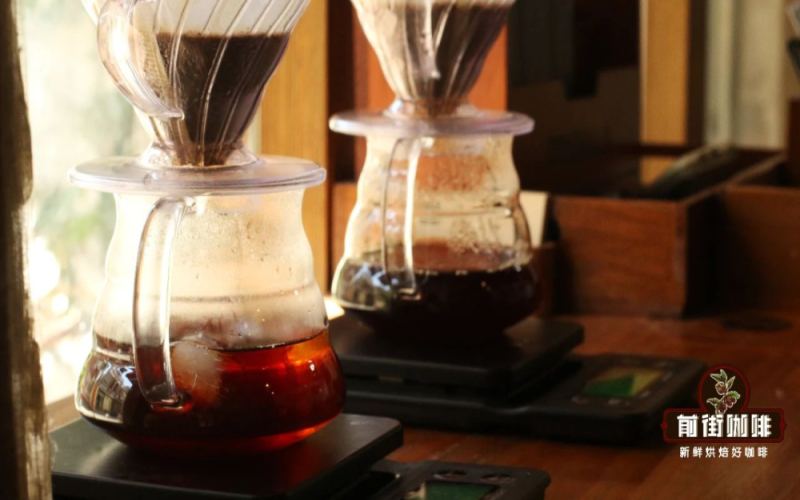
For more specialty coffee knowledge, please follow: Front Street Coffee (Frontsteet Coffee). The most charming thing about pour-over coffee is its adjustability. Many customers who often come to Front Street for coffee also try making pour-over at home, and they always say that pour-over coffee is too difficult. [more…]
Beginner's Guide to Pour-Over Coffee: A Detailed Look at Equipment Selection, Coffee-to-Water Ratio, and Three-Stage Pouring Techniques
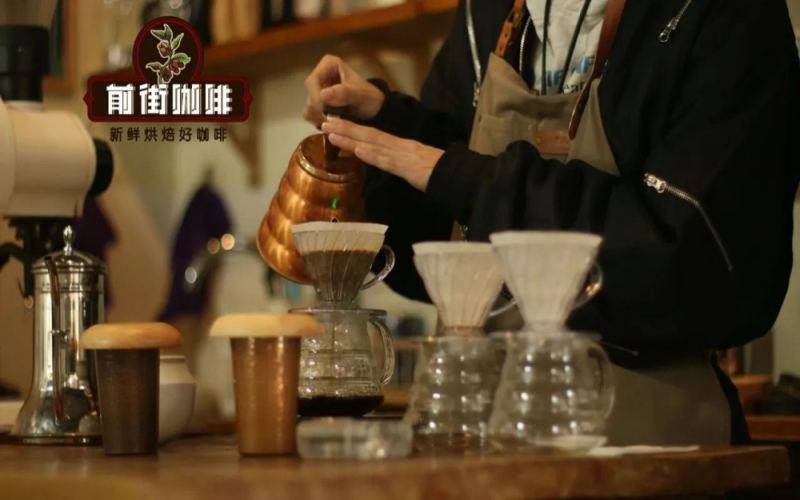
Want to brew a delicious pour-over coffee at home but don't know where to start? Drawing on the production experience of Front Street Coffee, this article systematically lays out all the equipment and ingredient selection points needed for pour-over, including how to judge coffee bean freshness, grind size references for grinders, water quality selection, and recommendations for drippers and pour-over kettles. It also explains in detail the coffee-to-water ratio, water temperature range, and the specific operation of three-stage pouring, and uses a Panama Boquete washed Geisha as an example to fully demonstrate each step from blooming to the end of dripping, helping beginners quickly build a pour-over framework. [more…]
A Complete Guide to Pour-Over Coffee Ratios: How Much Water Should You Actually Use for 15 Grams of Coffee?
The flavor expression of pour-over coffee is closely related to the coffee dose, grind size, coffee-to-water ratio, and pouring technique. For an ideal cup of pour-over coffee, exactly how much coffee grounds should be used, and how much water should accompany them? Taking 15 grams of grounds as an example, Front Street Coffee, combined with SCAA concentration recommendations, analyzes the coffee-to-water ratio range of 1:12 to 1:15, and explains why 1:15 has become a commonly used parameter in cafes. The article also compares the differences in extraction ratios with espresso, and includes the complete brewing data and three-stage operation details of Front Street Yirgacheffe Gedingding, helping enthusiasts build a reproducible brewing framework. [more…]

Yirgacheffe Coffee Flavor Analysis and Pour-Over Tutorial: A Complete Guide from Origin to Extraction
Yirgacheffe has won the hearts of many coffee lovers with its elegant floral aroma and bright fruity acidity. To recreate this fresh, non-bitter pour-over at home, you first need to understand its origin background, processing method, and roasting logic, and then master key parameters such as grinding, water temperature, and pouring. This article begins with the origins of Front Street Yirgacheffe, explains how washed processing shapes its clean citrus notes, analyzes why it is so widely popular, and shares the specific steps for a three-stage pour-over, helping you brew a Yirgacheffe at home that is closer to the café flavor. [more…]
Washed Yirgacheffe Pour-Over Guide: Flavor Profile Analysis and Brewing Parameters & Techniques
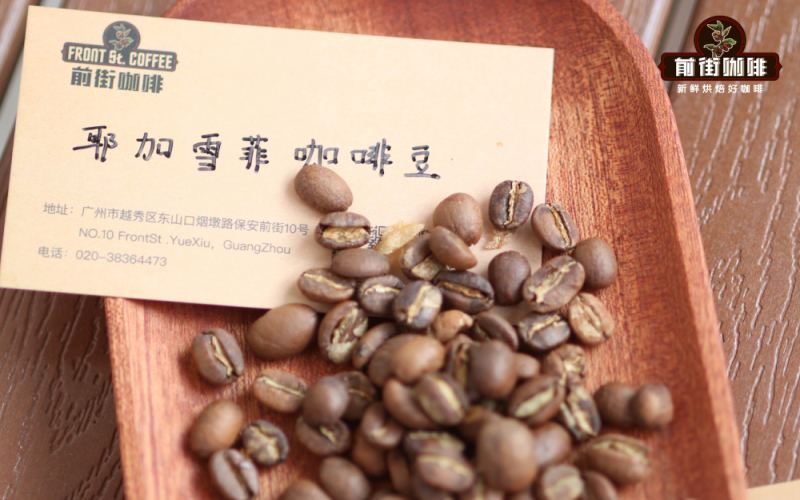
Front Street's washed Yirgacheffe is renowned for its fresh floral and fruity aromas of jasmine, citrus, lemon, and berries, and many coffee lovers want to recreate it at home after tasting it in the shop. This article begins with the origin background of Front Street Yirgacheffe, the advantages of the washed processing method, and the choice of roast level, then breaks down in detail the equipment preparation required for pour-over, grind size settings, water temperature control, and dripper selection, and shares the complete hands-on steps of three-stage pouring. Whether you are a beginner just starting out or a seasoned brewer looking to refine your technique, you can find practical reference here to fully release the floral and fruity aromas of this classic Yirgacheffe. [more…]