







Does a Three-Pour Method Give Higher Coffee Extraction?
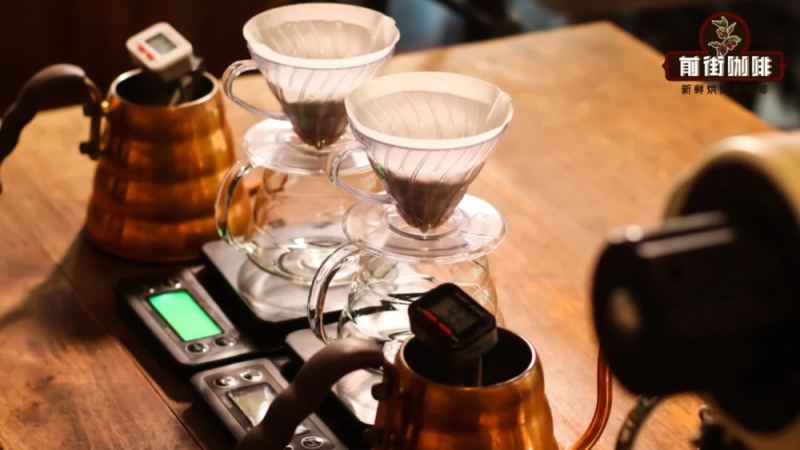
Pour-over coffee offers two common approaches: the one-pour method and the three-stage method. The one-pour method finishes the target water volume in a single pour after blooming, which is simple but very demanding on water flow stability and grind size. The three-stage method splits pouring into three phases to build layering and even extraction.
Using 15 grams of coffee at a 1:15 ratio, the target water volume is 225 grams. The one-pour method pours 30 grams for a 30-second bloom, then adds the rest at once. The three-stage method divides the remaining water into timed pours, which tends to support a more even extraction and can lead to higher coffee sweetness and clarity.
One of the charms of pour-over coffee lies in using different pouring techniques to interpret the diverse flavors of the same bean. Currently, the two most widely circulated methods—the one-pour method and the three-stage method—each have their followers. The one-pour method emphasizes completing the target water volume in a single pour after blooming; it is simple to operate but extremely demanding on water flow stability and grind size. The three-stage method divides the pouring into three phases, enhancing layering and compatibility through staged extraction. This article uses 15 grams of coffee and a 1:15 coffee-to-water ratio as an example to break down in detail the specific steps, pouring timing, and parameter requirements of both methods, and combines the brewing performance of Front Street Coffee's Huakui and Colombia Huila Washed Caturra to help you find a brewing rhythm that suits you.
For more specialty coffee knowledge, please follow: Front Street Coffee (Frontsteet Coffee)
One of the most fascinating aspects of pour-over coffee is that different pouring methods can bring out completely different flavor profiles from the same bean. When it comes to pour-over techniques, the most discussed are undoubtedly the one-pour method and the three-stage method. Below, let's look at the characteristics of each.
What is the one-pour brewing method?
The one-pour method is the first method many enthusiasts learn when they start with pour-over. Its logic is very straightforward: first do a blooming pour, then in the second stage pour all the remaining target water at once. Note that the one-pour method does not mean pouring only once; the whole process actually includes two stages: blooming and proportional pouring. A method that truly involves only one pour is usually called the "single-pour" method.
Brewing process First complete the preparation work (warm the dripper and server, grind the coffee, prepare water at the appropriate temperature), and pour the coffee grounds into the dripper. Using 15 grams of coffee and a 1:15 coffee-to-water ratio as an example, the target water volume is 225 grams.
Start timing at the same time as the first pour. Pour 30 grams of hot water in a spiral from the center outward. The coffee grounds absorb water and gradually expand, forming a plump "coffee burger." Stop when you reach 30 grams and let it bloom for 30 seconds. When the scale reaches the 31st second, begin the second pour, still spiraling from the center outward in a "mosquito coil" pattern, keeping the stream stable and vertical, using a small flow rate (about 4g/s). The liquid level rises steadily. After the foam is released and covers the entire surface of the coffee bed, gradually draw the stream from the outermost ring toward the center. Continue pouring until 225 grams. Once all the coffee liquid has dripped into the server, remove the dripper and the extraction is complete.
What are the characteristics of the one-pour brewing method?
Clean, clear, and stable flavor expression Compared with multi-stage pouring, coffee brewed with the one-pour method usually has a lighter body and higher cleanliness and clarity. Because there is less human intervention throughout the process, it can more directly and stably reproduce the coffee's own flavor.
The theory is easy to understand, but it makes demanding requirements on basic pouring skills The principle of this method is the easiest to grasp, but the stability of pouring is crucial. The one-pour method does not have many techniques to speak of; the only difficulty lies in controlling the stability and size of the water stream. Therefore, it is very suitable for beginners to practice. If the pouring stream is not controlled properly, negative flavors will be exposed more obviously than with other methods.
Stricter requirements on parameters This is especially reflected in the grind size. If the grind is too coarse, it is easy to underextract; if it is too fine, it is easy to overextract due to prolonged immersion time. Without technique variables to adjust, grind size control must be more precise than with other methods.
What is the three-stage brewing method?
This is a relatively common brewing method. Simply put, it divides the entire pouring process into three parts, including the first blooming pour. Taking the brewing of Colombia Huila Washed Caturra as an example, the parameters used by Front Street are: 15 grams of coffee grounds, 1:15 coffee-to-water ratio, water temperature 88°C, medium-coarse grind, 65% passing rate on a No. 20 standard sieve.
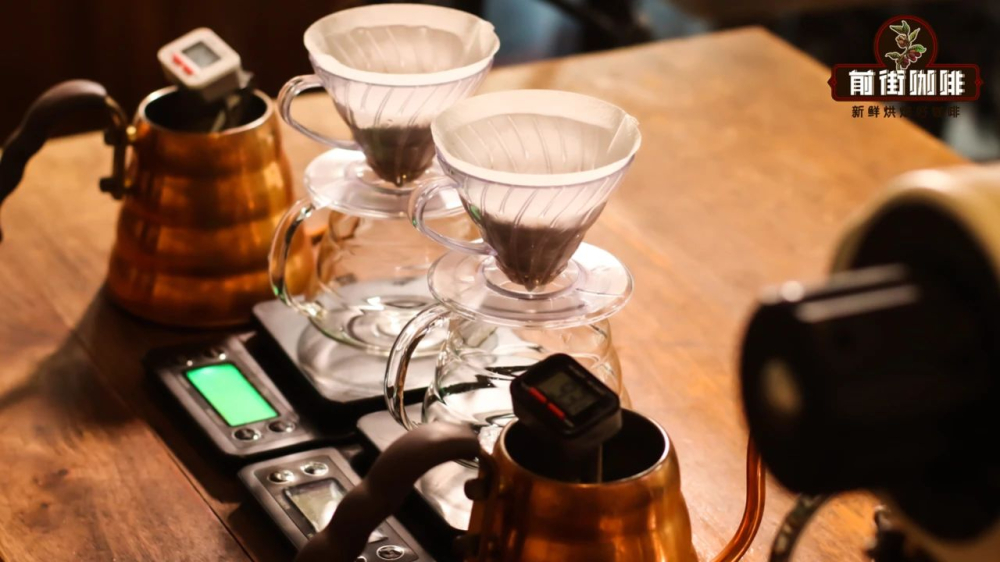
Brewing process First complete the preparation work (warm the dripper and server, grind the coffee, prepare water at the appropriate temperature), and pour in the coffee grounds. Start timing at the same time as the first pour. Pour 30 grams of hot water in a spiral from the center outward. The coffee grounds absorb water and expand, forming a plump "coffee burger."
Stop when you reach 30 grams and wait 30 seconds for blooming. When the scale shows the 31st second, begin the second pour, spiraling from the center outward, with a stable and vertical stream. When the water stream hits the coffee bed, foam will form. This stage allows the coffee foam to be fully released and cover the entire surface of the coffee bed, with the liquid level rising to the base of the short ribs. The amount of water poured in this stage is 100 grams.
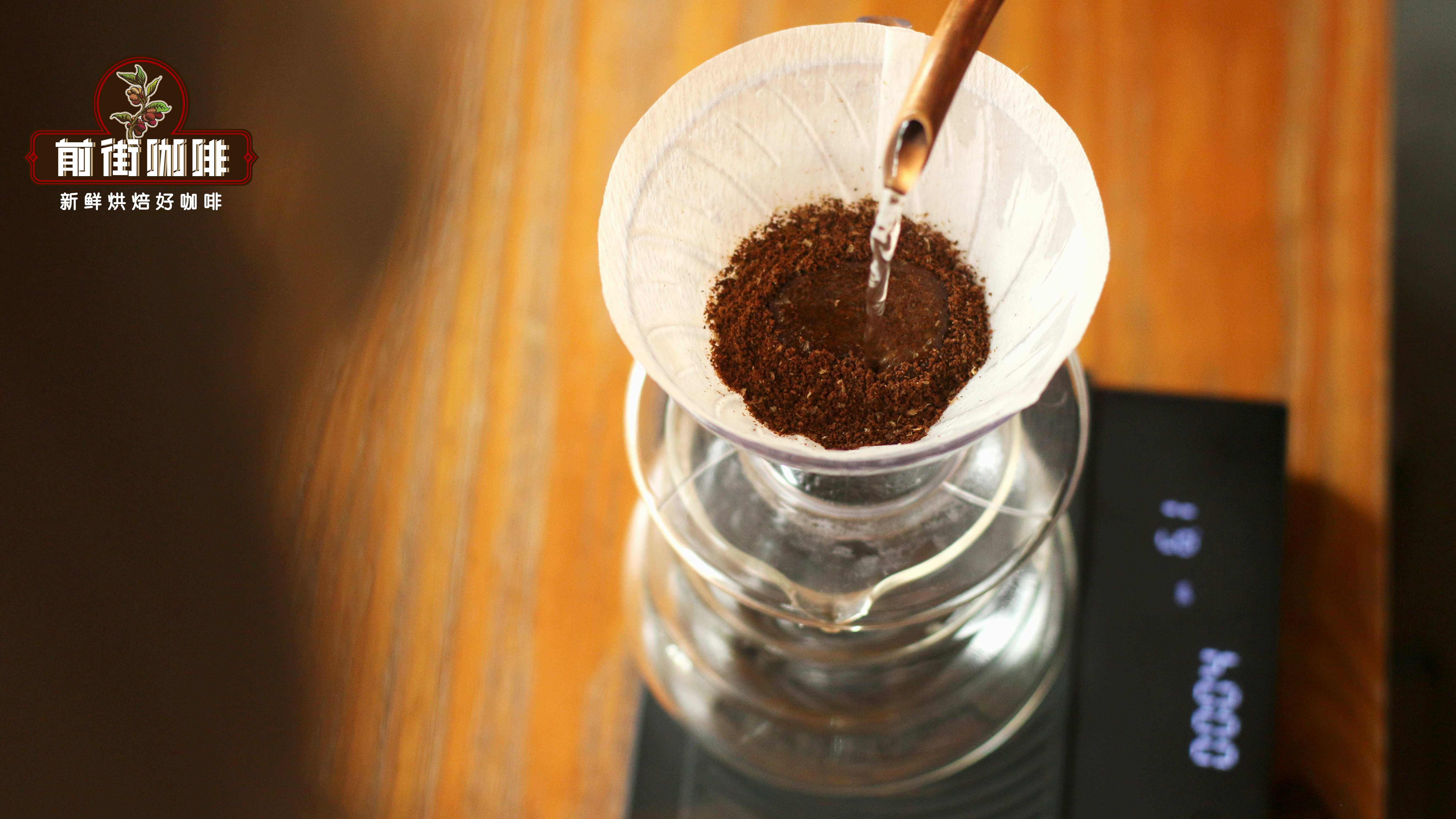
When the liquid level drops to half, begin the final pour, also spiraling from the center outward in an "aroma-seeking" pattern, pouring 95 grams. The originally dark brown foam gradually turns light yellow, and the liquid level returns to the height it was at during the second pour. After all the coffee liquid flows into the server, remove the dripper and end the extraction.
How do you determine when to pour again?
The three-stage pouring has two re-pouring points: the second stage and the third stage. The timing of the second stage is easy to grasp, usually 30 seconds after the blooming ends. The third stage is harder to judge because there is no fixed time; generally, you pour again when the water level drops to 1/2 or 2/3.
When the water level drops to 1/2 or 2/3, there will not be too much water accumulating in the dripper, nor will the coffee bed be exposed because the water level is too low, avoiding uneven extraction between the upper and lower layers of coffee grounds;
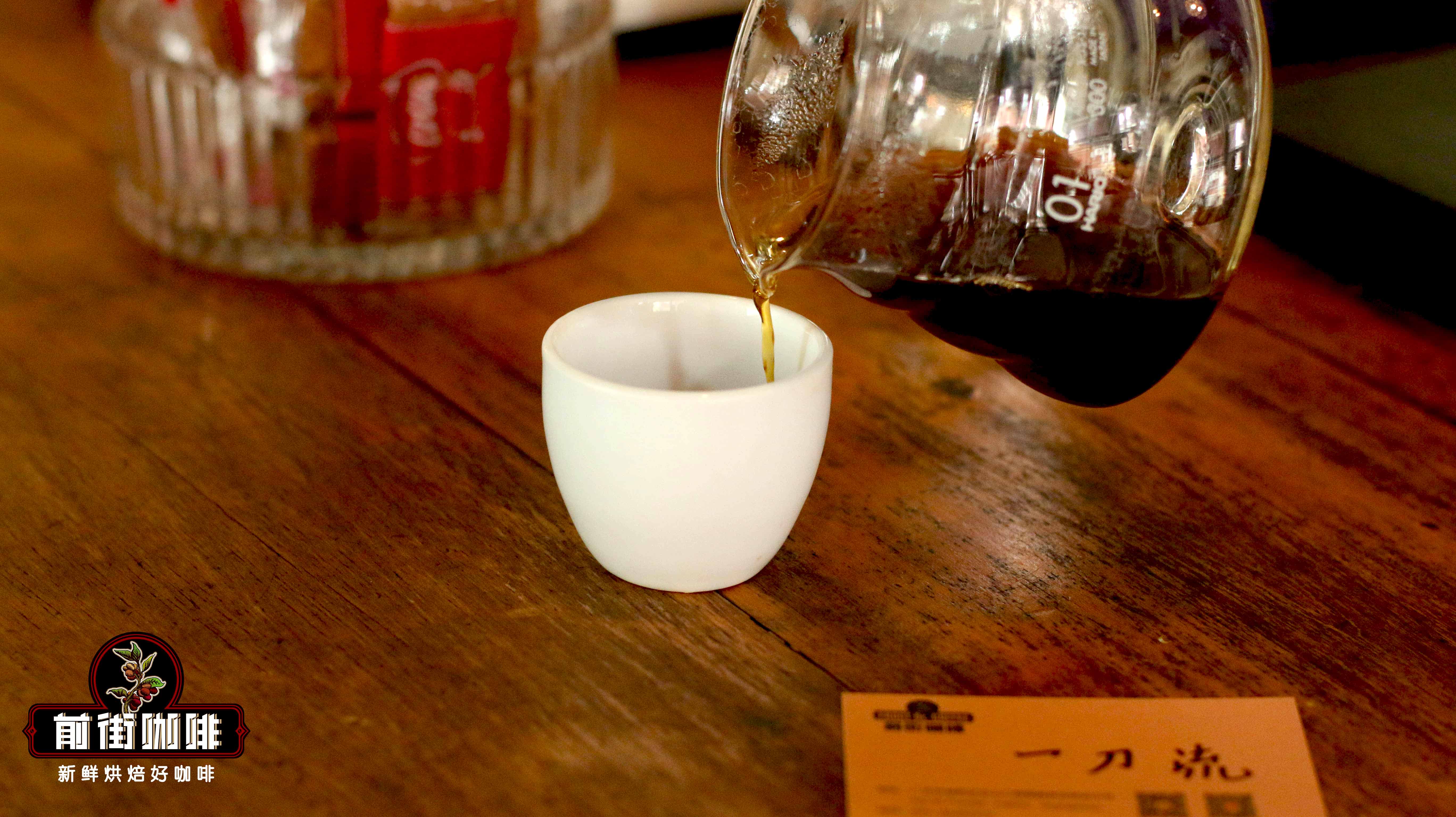
After the water level drops, the stream can directly penetrate the accumulated water and stir the lower coffee bed. If the water level is too high, the impact force of the stream is insufficient, causing the upper layer of the coffee bed to be overextracted while the lower layer is underextracted.
What are the advantages of three-stage extraction?
Enhances coffee flavor During extraction, flavor compounds can be more fully extracted, improving the coffee's layering. For example, Front Street Coffee's Huakui, when brewed with the one-pour method, presents bright fruity acidity, with fresh citrus and cranberry flavors on the palate, accompanied by a faint floral aroma; when switched to three-stage extraction, the mouthfeel becomes much rounder, and you can taste creamy strawberry, lemon, orange, and black tea flavors, with very rich layering.
Strong compatibility For coffee beans from different origins and with different roast levels, the three-stage method can better showcase their flavors;
For the brewer, if you pour too much water at the beginning and find the water level rising too quickly, you can temporarily split the pour and extend the brewing time, then continue after the water level drops, thereby avoiding underextraction caused by too fast a flow.
The above content is compiled by CoffeeHunters, a coffee news website.


