







How Does Coffee Growth Shape Yirgacheffe Pour-Over Flavor?
Yirgacheffe coffee is recognized for bright citrus acidity and floral aroma, and those traits come from how the plant grows there. The small town sits at high elevation, where cooler air slows cherry development, letting flavor compounds build up. Local smallholders deliver their harvest to cooperatives, and washed processing keeps the cup clean and sweet.
Front Street Natural Yirgacheffe Wachu Flower is G1 grade and brings lemon, jasmine, melon, and spiced tea notes. To brew it as pour-over, use a three-stage pour with a chosen dripper, water temperature, coffee-to-water ratio, and grind size adjusted to the bean. Where coffee can grow at altitude like this, the flavor in the cup reflects it.
Yirgacheffe, as Ethiopia's most representative micro-region, is renowned for its bright citrus acidity and floral aromas. Starting from Front Street Natural Yirgacheffe Wachu Flower, this article systematically outlines the regional background of Yirgacheffe, the differences between washed and natural processing, and the influence of high altitude on flavor, and provides complete pour-over parameters and a three-stage pouring procedure, including key information such as dripper selection, water temperature, coffee-to-water ratio, and grind size, to help coffee enthusiasts consistently reproduce a cup that combines floral aromas and fruity sweetness.
Friends who enjoy Yirgacheffe coffee are likely no strangers to this famous Ethiopian micro-region. The key reason it has secured a place on the global coffee map is that beans produced there often have highly distinctive flavors: rich aromatic layers, lively mouthfeel, bright and lifted citrus-like acidity, accompanied by sweetness and a silky texture, as well as a pleasing fruity character.
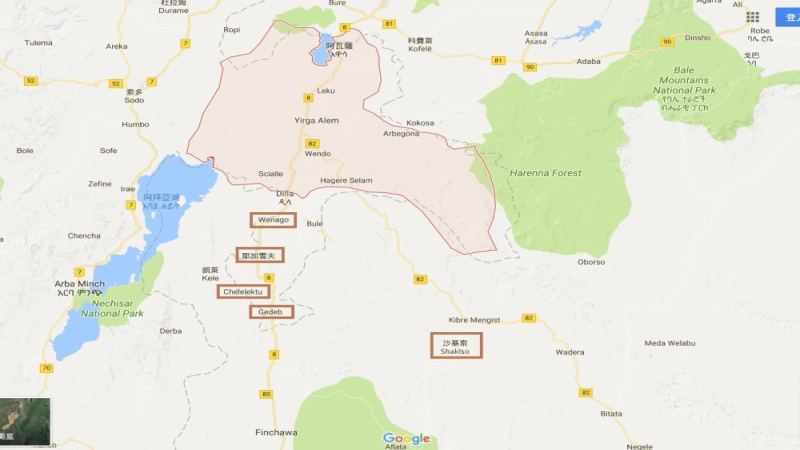
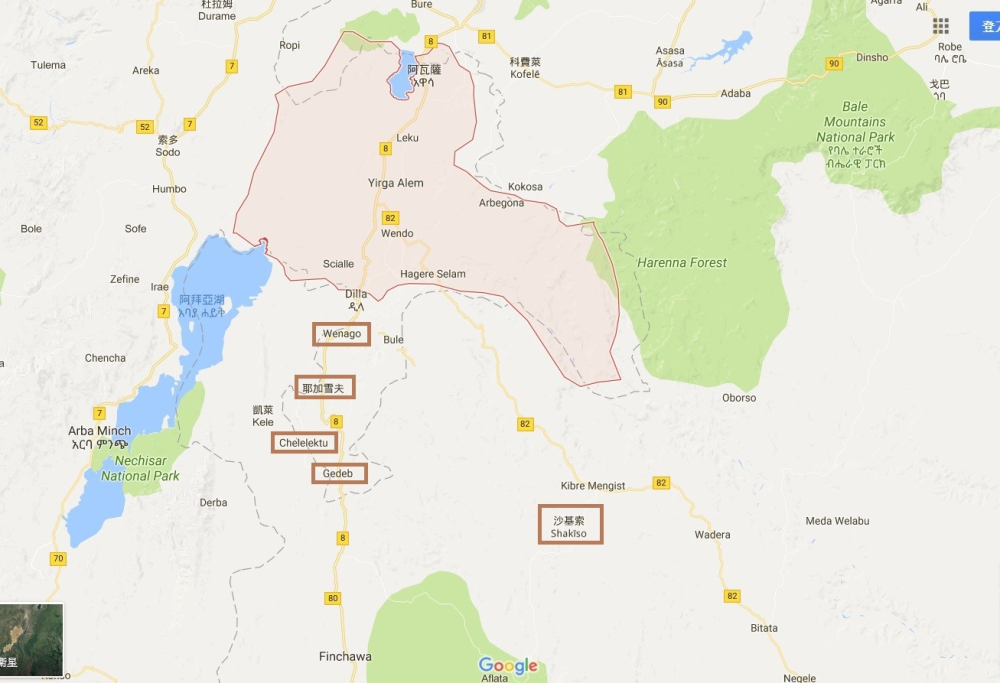
Yirgacheffe itself is a small town with a population of about 20,000, and around it there are three smaller producing areas: Wenago, Kochere, and Gelena Abaya. Because the coffee produced in these places has flavors almost identical to those of Yirgacheffe, they are also included in the Yirgacheffe regional classification.
In terms of production mode, Yirgacheffe mainly relies on local smallholders sending their harvested lots to cooperatives for centralized processing. About 100,000 people make a living from coffee, and the related industry chain forms the main source of the local economy. Thanks to the income brought by coffee, living conditions here are more comfortable than in many villages in Ethiopia, and supporting facilities such as health services and higher schools are relatively well developed. Advanced processing equipment has enabled the Yirgacheffe region to maintain a high standard in washed processing over the long term, with clean, sweet flavors and a complex profile interweaving molasses and citrus.
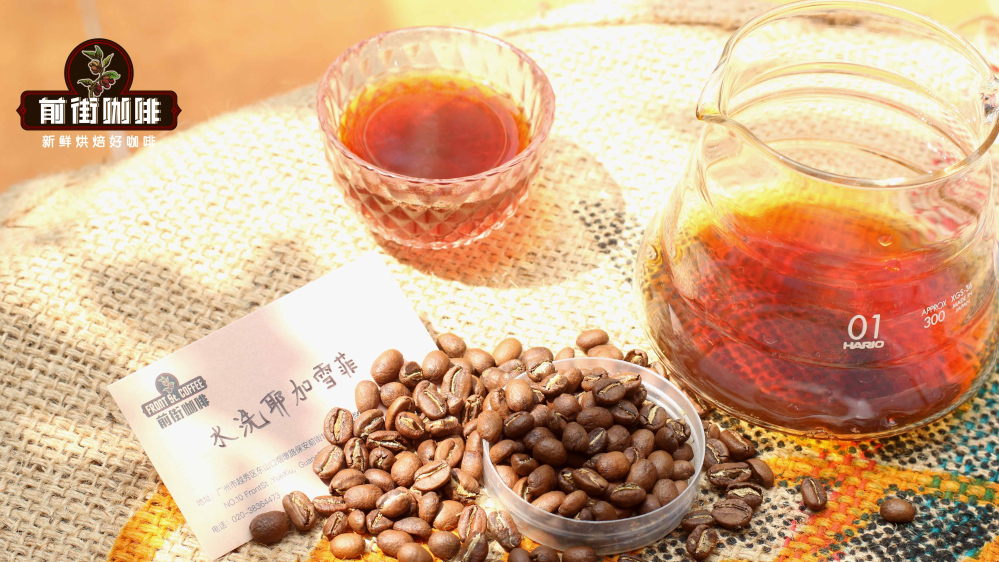
Front Street Yirgacheffe is of the highest G1 grade. Unlike ordinary lots of green coffee, it has very distinct regional flavor characteristics, with a clean and fresh lemon aroma, as well as delicate and elegant jasmine floral notes, and rich aromas and flavors of melon, citrus, ginger, and spiced tea.
The washed method, known in English as Washed Process, is a traditional processing method that uses water to process coffee cherries. The usual steps include flotation, removing the pulp, soaking and fermenting before removing the mucilage, then washing or continuing to soak, drying, and hulling, ultimately obtaining the desired coffee beans. Compared with natural processing, coffee farmers using the washed method must be equipped with a pulper, build washing channels, and have a continuous supply of running water, so it is not suitable for every origin and is commonly found in Colombia, Costa Rica, Panama, Kenya, and elsewhere. But the washed method does have multiple advantages: on the one hand, it reduces the defect rate of green beans, thereby stabilizing quality; on the other hand, it greatly shortens drying time, making production more efficient; and of course, it also allows the coffee to retain the so-called "washed flavor."
After washing, the coffee beans are sun-dried or dried with a dryer until the moisture content drops to about 12%, and finally the parchment layer of the green beans is removed.
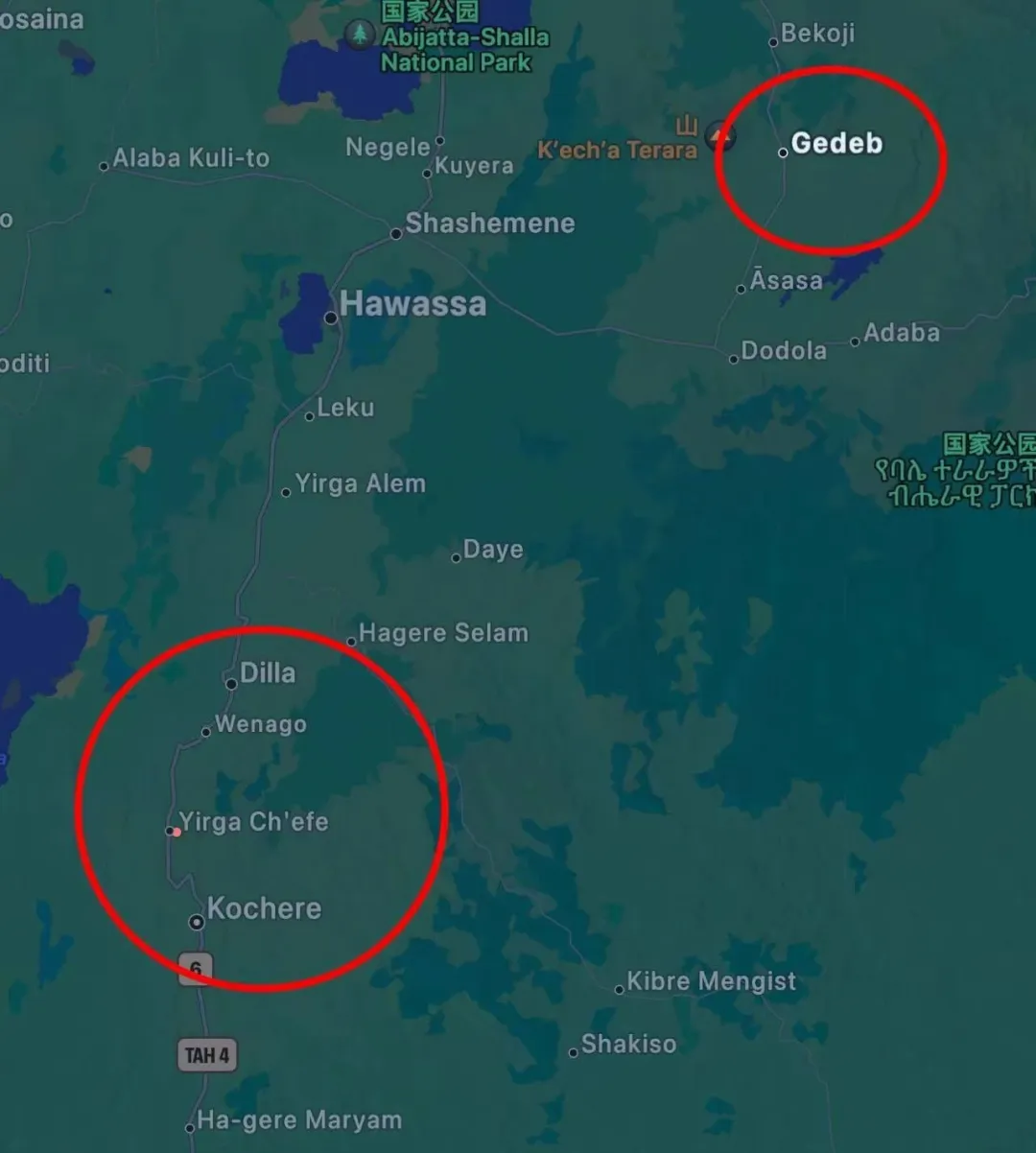
Why is Yirgacheffe coffee so delicious? This is closely related to the local high altitude. According to Front Street, Yirgacheffe is the highest-altitude coffee-growing area in southern Ethiopia. High altitude means less oxygen and colder temperatures, so the coffee growth cycle is prolonged, and the fruit has more time to absorb nutrients, which helps form the best flavors. Therefore, many coffee enthusiasts judge heroes by altitude, and not without reason. In addition, Yirgacheffe is located in the tropics, with an average annual temperature of about 18°C, which is very suitable for growing coffee trees.
Coffee beans: Front Street Washed Yirgacheffe
Dripper: ceramic cake cup
Water temperature: 92°C
Dose: 15g
Coffee-to-water ratio: 1:16
Grind size: EK43s setting 10 (grind to 80% passing a No. 20 sieve)
Three-stage extraction: First pour 15 grams of coffee grounds into the dripper and level them. For the first stage, pour 30g of water and bloom for 30 seconds, while starting the timer at the same time. Use a small stream throughout, pouring from the center point and then circling outward, making sure the entire coffee bed is saturated.
For the second stage, still using a straight, small stream, pour 120g of water, with the aim of raising the entire coffee bed. You can make the circles as large as possible so that all coffee particles enter a state of degassing and extraction. Finish pouring at about 1 minute 05 seconds, when the scale reads 150g.
When the liquid level drops to the halfway point, begin the third stage by pouring 90 grams in small circles with a small stream. Try to control the stream so the circles are not too large, because it is easy to disturb the coffee bed and cause underextraction. Moreover, this gentle washing can also enhance the release of sweet substances in the latter part of the coffee.
The final total amount of water poured is 240 grams. Wait until all the coffee liquid has finished dripping before removing the dripper; the time is about 2 minutes 20 seconds. The Front Street Yirgacheffe Gedingding brewed this way has flavors of white flowers, citrus, and nectarine, and after entering the mouth there is the fresh fragrance of pomelo peel and snow pear tea, accompanied by a clear lingering sweetness. It really resembles a cup of floral tea.
The above content is compiled by CoffeeHunters, a coffee news website.


