







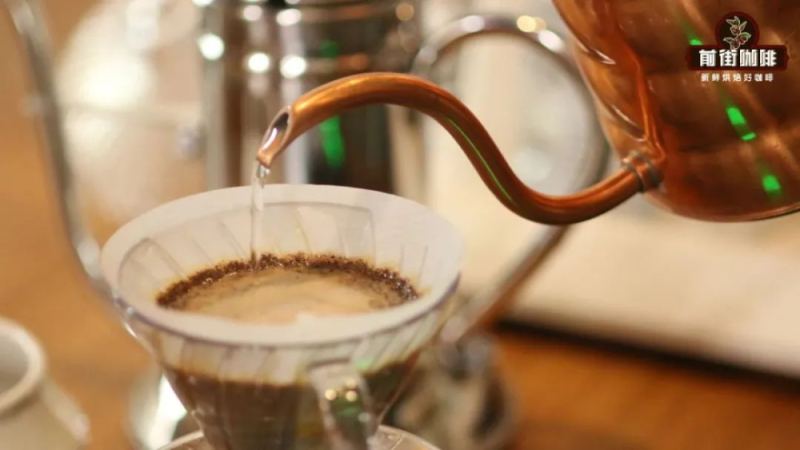
Does One-Pour or Three-Pour Brewing Suit a Yirgacheffe Better?
The one-pour method and the three-stage method produce different cups from the same beans. A comparative test using the same washed Yirgacheffe showed the two techniques differ in coffee bed shape, flavor performance, and total extraction time. The one-pour method pours all remaining water at once after blooming, so it is fast and simple but demands steady water-flow control.
The three-stage method splits the pour into stages, which extends the extraction time and builds more flavor layers, and it is the approach most baristas favor. The one-pour name comes from a Japanese swordsmanship school and describes two total stages, not a single pour. Knowing how each technique shapes the coffee bed helps brewers choose according to the bean and their parameters.
There are many ways to pour water when making pour-over coffee, and among them, the one-pour method and the three-stage method are two common yet very different techniques. The one-pour method originates from Japanese swordsmanship; it looks simple to perform, but places extremely high demands on water-flow control. The three-stage method, by contrast, extends the extraction time through staged pouring and enhances the flavor layers. This article uses a comparative experiment by Front Street Coffee, using the same washed Yirgacheffe beans and brewing them with the one-pour method and the three-stage method respectively, to analyze the differences between the two in coffee bed shape, flavor performance, and extraction time, and to discuss why the three-stage method is more favored by baristas. Whether you are a beginner or an advanced player, understanding the core points of these techniques can help you flexibly choose according to the beans and parameters and brew a more satisfying cup of coffee.
When it comes to staged pouring, some people prefer to pour all the way through in one go, some are used to cutting it cleanly into two, and others favor Front Street Coffee’s most commonly used “all-purpose” three-stage method.
One day, while Front Street Coffee was pouring water, a customer asked curiously, “Why don’t you use the one-pour method? Is it because you think it’s too simple?” He said that when he brews coffee at home, he always uses the one-pour method—clean and decisive—while most baristas tend to prefer the three-stage method, so he guessed that the three-stage method might be harder to master.
What exactly is the “one-pour method”
Just by looking at the name, many beginners confuse the one-pour method with the single-pour method.
Pouring only one stage of the target water amount and emptying it all at once is usually called the “single-pour method.” The “one-pour method,” however, refers to pouring all the remaining hot water at once after blooming, for a total of two stages. The name comes from a school of Japanese swordsmanship. Because the brewing logic is simple and straightforward, it is often one of the first techniques beginners encounter. The “multi-pour method” evolved from the one-pour method.
Generally speaking, the blooming step is already regarded by most people as “standard,” so the key to distinguishing the one-pour method from the “several-pour method” (or staged method) is whether the main extraction stage after blooming is interrupted midway. The number of stages the pouring is divided into after blooming gives the “several-pour method.” For example, the three-stage method commonly used by Front Street Coffee is blooming + 2 pouring stages, which is also the “two-pour method.”
The same beans, one-pour method vs. three-stage method comparison
To figure out the difference, Front Street Coffee used the same batch of washed Yirgacheffe coffee beans and extracted them with the one-pour method and the three-stage method respectively to see how the results differed. The grind size was set to 80% passing a No. 20 sieve (EK43s grinder setting 10), 15 grams of coffee powder, a powder-to-water ratio of 1:15, a water temperature of 92°C, and a resin V60 dripper.
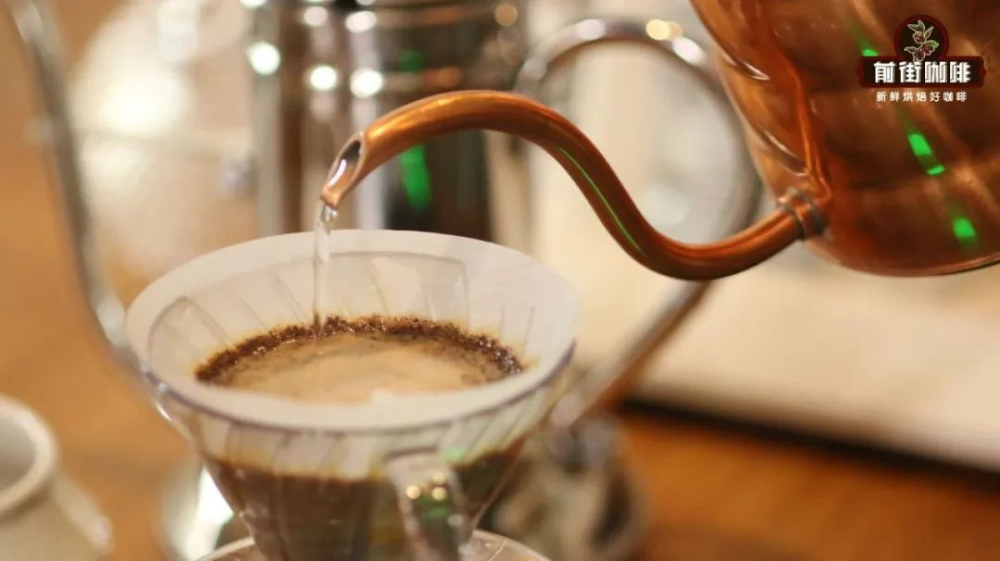
After brewing, a comparison showed that the three-stage method produced a flat coffee bed with an evenly distributed coffee wall, while the one-pour method left a relatively flat pit, with the grounds mainly accumulating at the bottom.
One-pour method: 30 grams + 195 grams, stop pouring at 1 minute 28 seconds, total duration 1 minute 58 seconds. The flavor is mainly citric acidity and citrus aroma, clean and clear, with a relatively thin mouthfeel and a short finish.
Three-stage method: 30 grams + 95 grams + 100 grams, stop pouring at 1 minute 31 seconds, extraction time 2 minutes 08 seconds. The flavor has floral notes, citrus, lemon, and green tea, with more layers, full fruit acidity, obvious sweetness, and a lasting aftertaste.
Why use three-stage pouring?
Adding one more pouring stage has the most direct effect of adding an interval pause, which extends the extraction time by more than ten seconds and allows fuller contact between the coffee and water. In addition, pour-over is essentially a process of washing and stirring; the water flow makes the coffee grounds tumble in the dripper, thereby bringing out more flavor substances. Taking the two sets of data above as an example, the duration of staged washing was more than 10 seconds longer than that of no staging.
If you are a beginner with average water-control ability and not yet skilled enough in technique, staged pouring can help you compensate for mistakes caused by “carelessness” according to the situation. For example, if the earlier pouring took longer than planned, you can increase the flow later to pull the extraction time back. The reason Front Street Coffee often uses the three-stage method is that, after comprehensive consideration, it seeks a result that is stable, easy to learn, and highly versatile.
Why is the seemingly simple one-pour method actually harder?
The main extraction of the one-pour method has only one stage and does not require timed water cuts, so the stability and size of the water flow directly determine the success or failure of a cup of coffee, placing stricter demands on basic pouring skills. Therefore, the one-pour method is very suitable for friends who have just started practicing pour-over. Under the same parameters, if you cannot brew the same taste, then the problem can only lie in the pouring.
For advanced players, controlling the blooming time is the key to the one-pour method. Everyone knows that a 30-second bloom is only a reference and needs to be adjusted according to the coffee’s resting period to ensure the coffee bed is fully saturated and absorbs water. For example, when Front Street Coffee brewed a bag of beans 2–3 days after roasting, it only bloomed for 30 seconds and also used the one-pour method. During extraction, bubbles kept emerging, and the coffee showed a thin mouthfeel and sharp acidity, which was very likely caused by incomplete blooming.
So there is no standard answer for how many stages to divide the pouring into. Whether it is the one-pour method or the three-stage method, it must be considered together with the coffee beans and the other parameters of the entire brewing plan. If your coffee beans are not good enough in quality and the grind size is not judged accurately, any technique can easily brew unpleasant negative flavors.
- END -
The above content is compiled by CoffeeHunters, a coffee news website.


