







What does Yirgacheffe coffee taste like, and how do you brew it?
Yirgacheffe tastes of citrus, lemon, and berry with clear floral aromas and a tea-like body. Ethiopia introduced washed processing from Central and South America in 1972, and the wetland conditions around Yirgacheffe suit it well, raising cleanliness and aroma. For home pour-over, use 15 grams of coffee at a 1:15 ratio.
The flavor depends on growing environment, variety, processing, roast profile, and technique. Medium-light roasting brings out the bright, delicate layering. A three-stage pour, with attention to grind, water temperature, and timing, helps reproduce a consistent cup at home. Ethiopian coffee grows at high elevations, which slows cherry ripening and concentrates sweetness and acidity.
Yirgacheffe, with its complex profile of citrus, lemon, berry, and floral notes, plus a clear tea-like body, has become the go-to starting point for many coffee lovers. This article focuses on this Ethiopian classic bean, outlining the key factors behind its flavor formation—from the introduction of the washed processing method and the accidental discovery of medium-light roasting, to the equipment setup, grinding, and water temperature parameters needed for home pour-over. Using 15 grams of coffee and a 1:15 coffee-to-water ratio as an example, it breaks down the specific steps and timing of a three-stage pour, and explains the roast settings for Front Street Coffee's three Yirgacheffe daily drinker beans, helping readers consistently reproduce a bright, delicate cup at home.
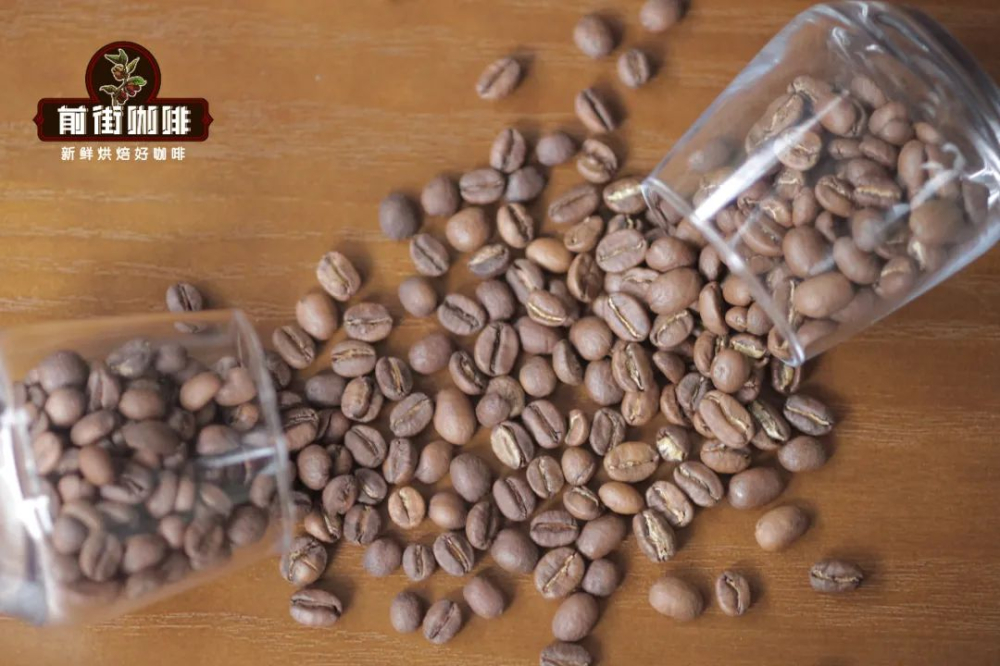
Yirgacheffe from Ethiopia is known for its bright and delicate layering, and is the first bean many people try when getting into specialty coffee. It is very suitable for pour-over or cold drip extraction, and can make people realize that coffee is not limited to just bitterness.
What are the characteristics of Yirgacheffe coffee beans?
When people mention Yirgacheffe flavor, they usually mean the intertwined sweet-tart notes of citrus, lemon, and berry, along with obvious floral aromas and a clear tea-like body—once you've tasted it, it's hard to forget. To present such a refined taste, the growing environment, variety, processing method, roast profile, and brewing technique are all indispensable. Among Front Street Coffee's own roasted bean lineup, the three most popular daily options are: Geddid Cooperatives, Red Cherry, and the washed Yirgacheffe daily drinker bean.
Ethiopia is located on the African continent and has limited water resources, so traditionally it mostly used the ancient natural method to process green beans, meaning they were dried directly by sunlight. Because the operation was relatively rough, overall coffee quality tended to be low. In 1972, in order to improve coffee bean quality, Ethiopia introduced washed processing technology and equipment from Central and South America. Yirgacheffe itself is a wetland area, making it more suitable for washed processing than other producing regions. The multiple stages of washing remove defective beans, significantly reducing the defect rate, improving cleanliness, and making the aroma clearer and more transparent. This transformation amplified Yirgacheffe's inherent citrus-lemon character, making the cup feel even fresher and brighter.
In the past, the coffee people drank was mostly charred and bitter, and the source of that intense bitterness was often roasters roasting beans very dark, with flavor profiles leaning toward nuts and dark chocolate. Yirgacheffe beans are relatively small, and if dark roasted they are prone to uneven heating or even scorching, so roasters tend to prefer medium-light roasting. Unexpectedly, the lighter roast level instead allowed Yirgacheffe to show lifted acidity and highly recognizable fruit flavors, one could say it opened a new stage for fruit-acid coffee. A love of sweetness and fear of bitterness also happens to match the public's taste preference, and this is exactly why Yirgacheffe is so popular around the world. Front Street Coffee wants to present the classic Yirgacheffe taste, so all three Yirgacheffe beans on its lineup are set to medium-light roast.
What equipment is needed for pour-over coffee?
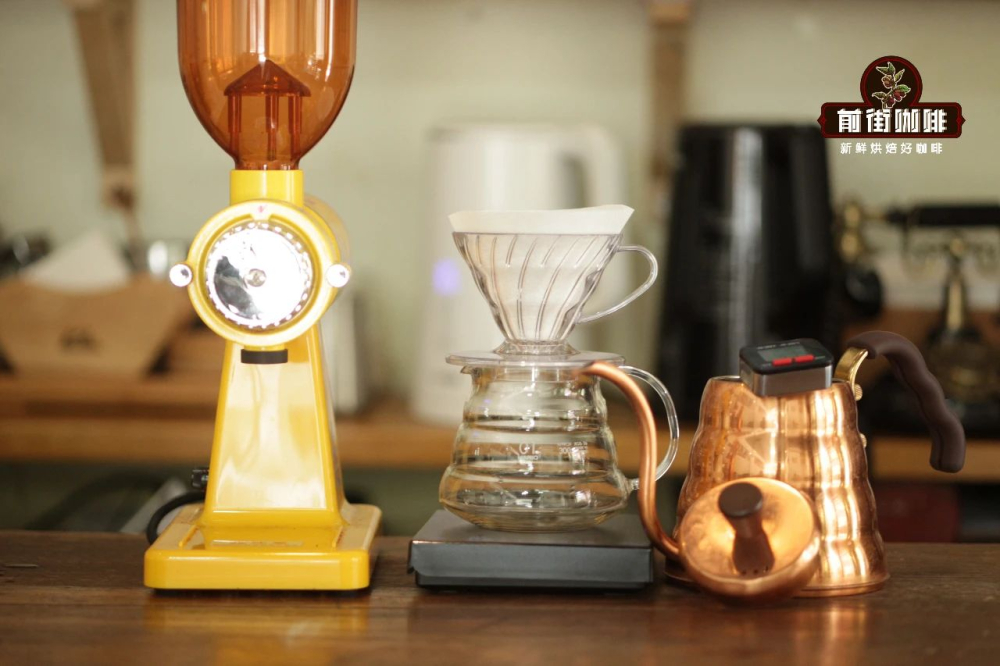
To make pour-over at home, you need to prepare: a pour-over kettle, a dripper, a server, a grinder, filter paper, a digital scale, and a thermometer.
The grinder is very important in pour-over, and generally falls into two categories: hand grinder and electric grinder. Whichever you choose, the goal is to get evenly ground coffee. The coarseness of the grounds directly affects the taste: too coarse easily leads to under-extraction and a weak flavor, while too fine easily leads to over-extraction and bitterness. When adjusting grind size, Front Street Coffee uses the Chinese No. 20 0.85mm standard sieve; medium-light roasted coffee beans consistently use a 75–80% passing rate, while medium-dark roast uses 70–75%.
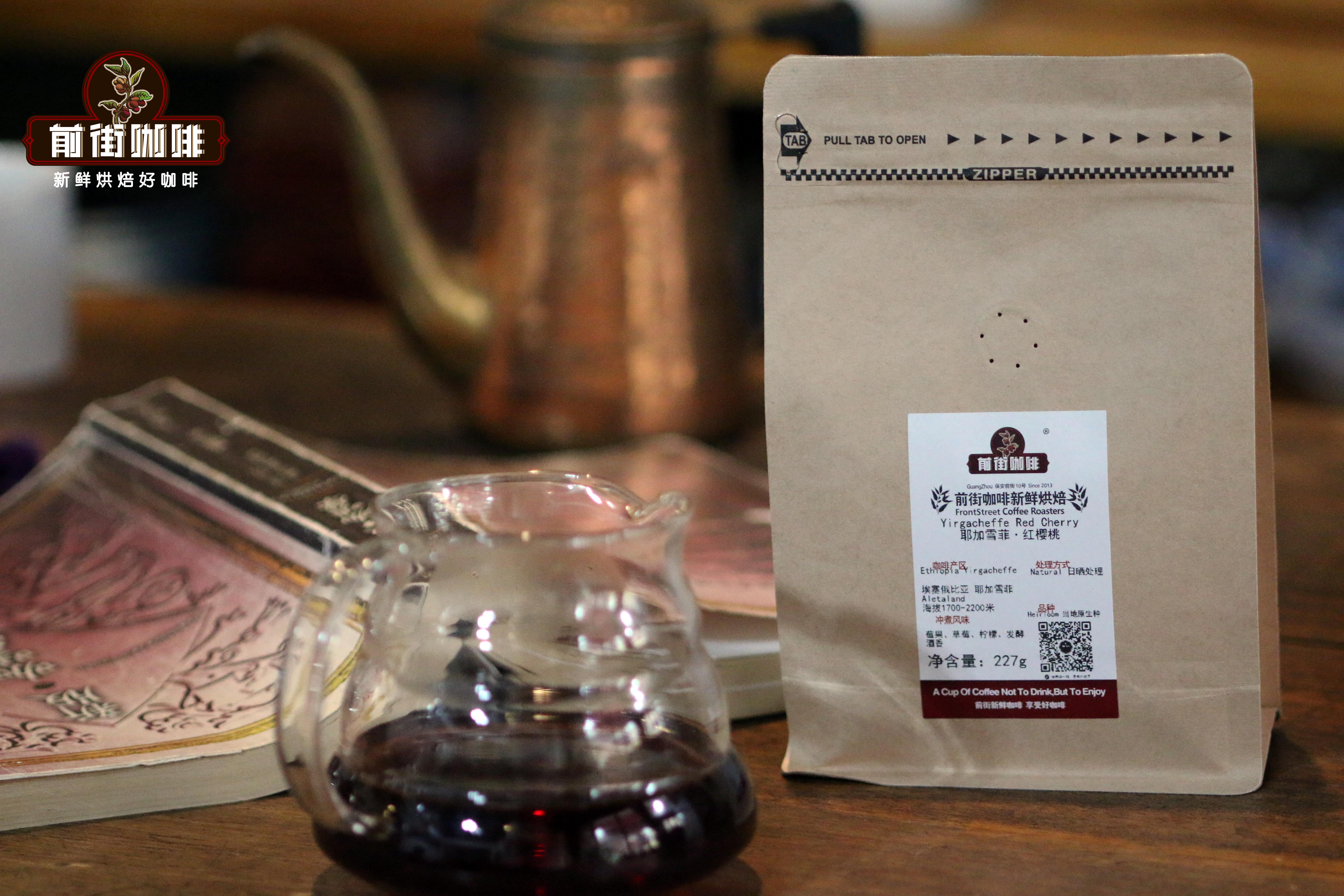
Yirgacheffe is a high-altitude bean with a medium-light roast, and Front Street Coffee wants to extract richer aromatic compounds, so it chooses a grind size with an 80% passing rate on the No. 20 standard sieve, corresponding to a setting of 10 on the store's EK43s grinder.
A thermometer is used to measure the hot water temperature. The role of water temperature is similar to that of grind size: the higher the water temperature, the higher the extraction efficiency, the easier it is to release various compounds, and the higher the concentration. If you brew with hot water close to boiling, it is easy to bring out unpleasant bitter compounds, so the brewing parameters for medium-dark roasted coffee beans differ from those for light roast. For medium-dark roasted beans, Front Street Coffee recommends 87–90°C, while light roast needs a higher water temperature to stimulate aroma, so 91–93°C is used.
There are many dripper styles on the market, and different designs bring different brewing results, and they also need to be paired with the corresponding filter paper to separate coffee grounds. Front Street Coffee stores choose Hario V60 and KONO drippers for daily service: the V60 mainly handles lighter roasted beans, while the KONO handles darker beans. Here, Front Street Coffee baristas use a resin V60 dripper to extract Yirgacheffe.

The V60 dripper body has spiral ribs connecting the top and bottom and a large central hole, which can speed up the flow of water downward; the spiral vent groove design lengthens the water flow path and increases the contact time between coffee grounds and hot water. Each stream of water converges along the grooves toward the center of the dripper, so the pressure on the coffee grounds is more concentrated, and the extracted coffee has richer layering.
The pour-over kettle is responsible for steadily pouring hot water into the coffee grounds. A gooseneck kettle can pour a stable stream, more evenly washing the coffee bed and releasing flavor compounds. The digital scale is used to control the total poured water amount and extraction time, with the goal of executing the brewing according to a preset plan. Front Street Coffee recommends buying a fast-display digital scale with a timing function, or simply searching for a pour-over coffee digital scale when shopping.
Brewing technique
There are various pour-over pouring techniques online, such as one-pour, three-stage, 4:6 method, etc., and different techniques will create different flavors in the cup. Based on past brewing experience, Front Street Coffee recommends that beginners use the three-stage pour. Three-stage extraction helps dissolve flavor compounds more fully and increases the layering of the cup, while avoiding over-extraction caused by steeping too long.
If using 15 grams of coffee powder with a 1:15 coffee-to-water ratio, the total water amount is 225ml. The three-stage water amounts are divided into 30ml, 95ml, and 100ml, and the weights shown on the digital scale are 30g, 125g, and 225g.
Fold the filter paper and fit it to the dripper, wet the filter paper with a small amount of water and let it sit more snugly, then discard the water in the server. Next, add the coffee powder and tap lightly to distribute the coffee bed evenly. In the first stage, gently pour 30 grams of water to bloom, with a bloom time of 30 seconds; in the second stage, pour to about 125 grams, evenly and steadily circling outward. Then wait for the coffee liquid to drop, and when it has dropped by half, pour the final stage of water to 225 grams. After all the coffee has finished dripping, the total extraction time is generally about 2 minutes. Finally, remove the dripper, swirl the coffee liquid in the server to mix it evenly, and you can begin tasting it while it is hot.
People like pour-over coffee because they can actively explore the flavor expression of extraction: adjust the brewing method according to the bean variety and roast level, choose different vessels to feel the changes brought by extraction, and regulate grind size, temperature, flow rate, and pouring technique to adjust extraction. Every step can bring a different taste and aroma experience, and this is exactly the charm of pour-over coffee.
For professional coffee knowledge exchange and more coffee bean information, please follow Coffee Workshop (WeChat public account cafe_style)
For more specialty coffee beans, please add the private WeChat of Front Street Coffee, WeChat ID: qjcoffeex
The above content is compiled by CoffeeHunters, a coffee news website.


