







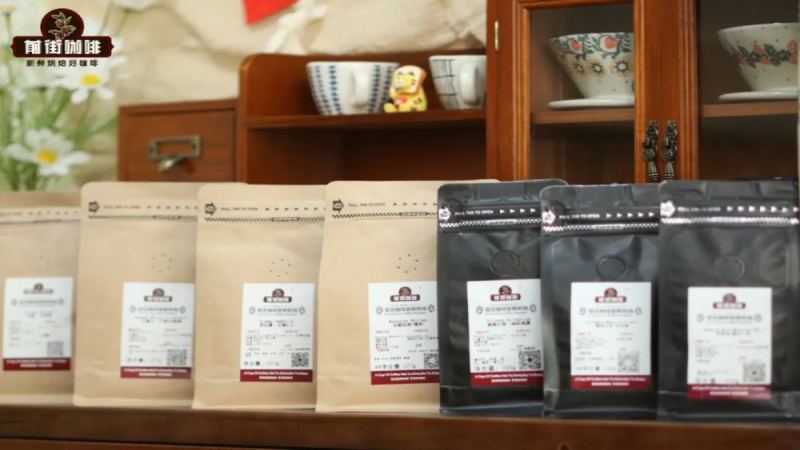
I don't know under what circumstances everyone first learned about pour-over coffee. For Front Street, it was one day when I walked into a café and saw the barista pouring water in circles over the coffee grounds in the dripper, and then getting a cup of rich, aromatic black coffee. I was amazed and fell into the charm of pour-over coffee.
What does pour-over coffee mean?
Coffee beans undergo a series of chemical reactions during high-temperature roasting, producing various aromatic compounds. When we brew coffee, we use water and equipment to release these aromatic components. Pour-over coffee first involves grinding coffee beans into powder, then pouring hot water to contact the coffee bed, "dissolving" the substances in the coffee. Essentially, it uses a dripper with filter paper or other tools to filter out the coffee grounds so they don't enter the server, resulting in a cup of clear, clean-tasting black coffee.
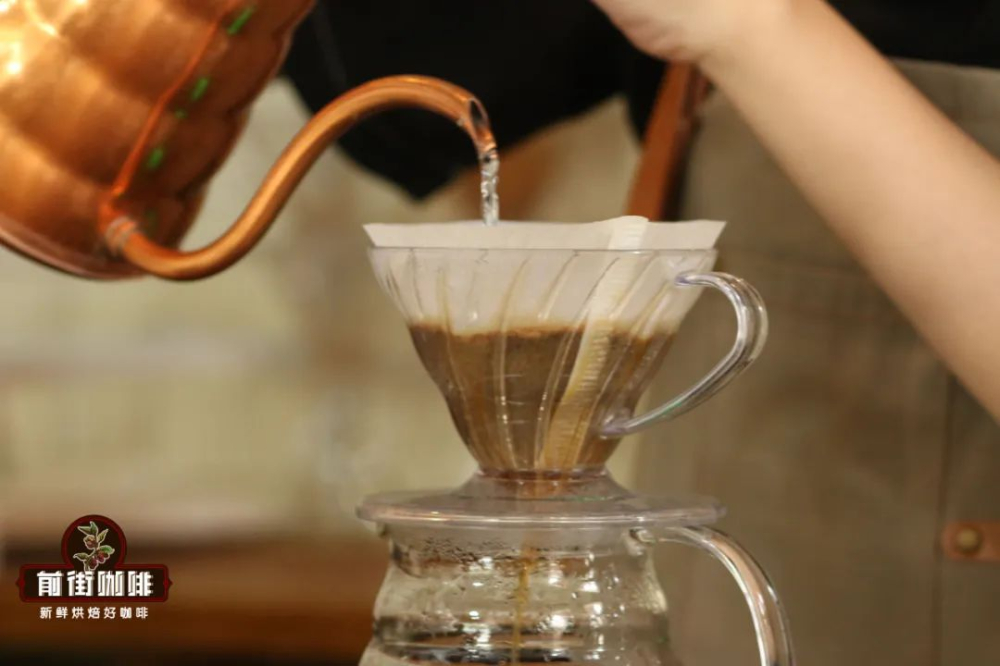
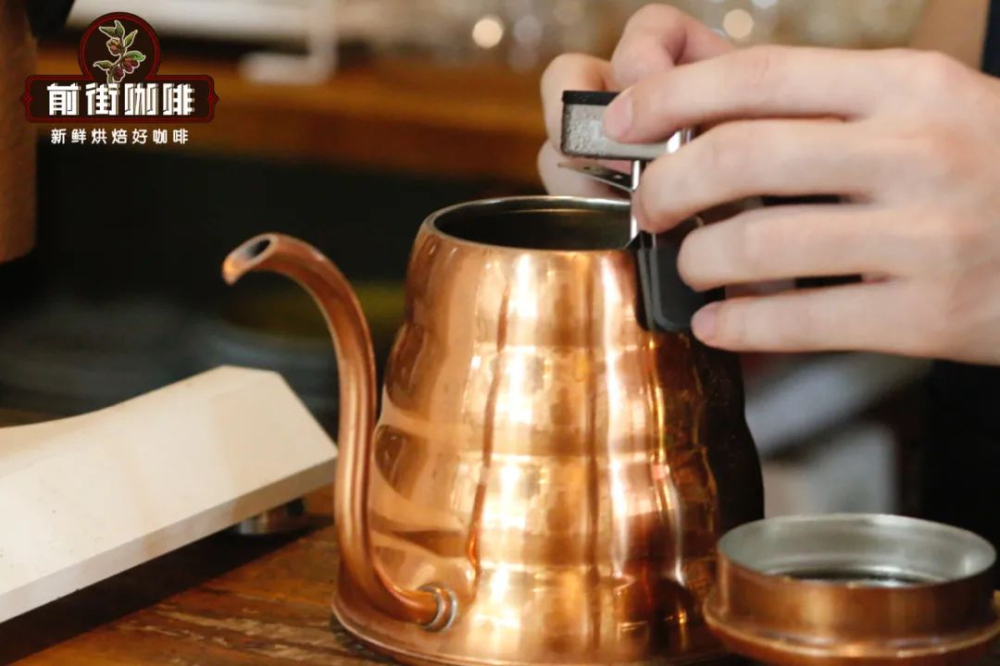
You should know that from bean selection to extraction, every step and process has more or less influence on the flavor of pour-over coffee. Therefore, to brew a cup of pour-over coffee, based on Front Street's brewing experience, besides quality coffee beans, Front Street believes you need at least these tools: a pour-over kettle for pouring water, a dripper and filter paper for filtering coffee grounds, a server, a grinder for grinding coffee beans, a scale for recording water volume and time, and a thermometer for measuring water temperature.
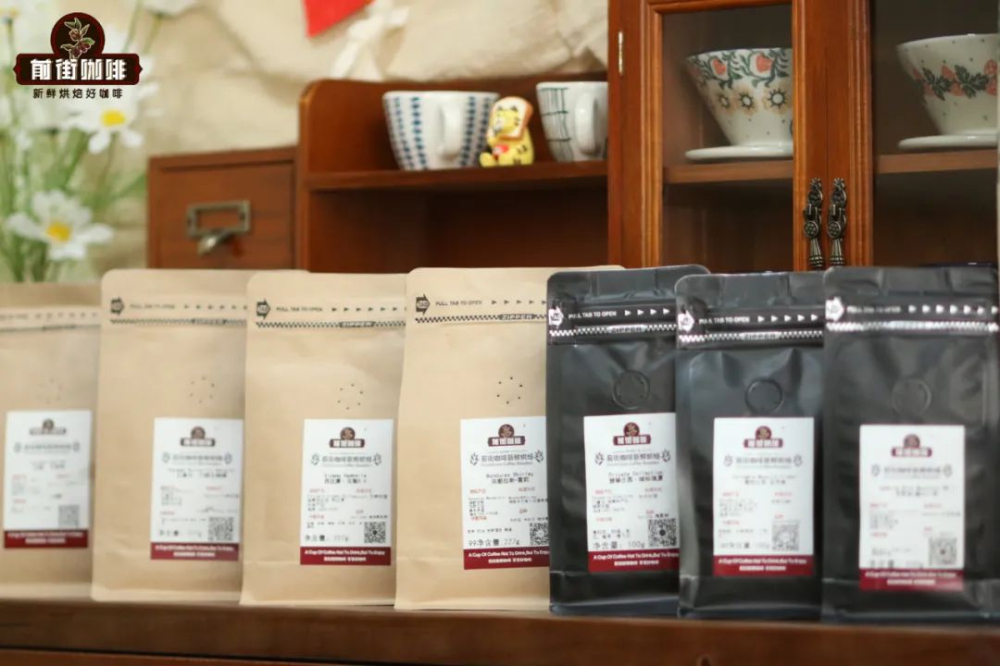
Good coffee is of course inseparable from good raw materials — quality coffee beans. Front Street recommends choosing coffee beans within 4-30 days after the roast date, during their optimal flavor period, which is more conducive to stable extraction and gives pour-over coffee a fuller flavor. To ensure the freshness of coffee beans, Front Street ships coffee beans freshly roasted within 5 days, and you can usually receive them in 1-3 days, so the coffee beans you receive are roughly within the optimal flavor period, and you can start exploring how to extract them.
What is the pour-over coffee-to-water ratio? And how is it calculated?
The so-called coffee-to-water ratio is the ratio of coffee grounds to total water volume, which directly affects the strength of the coffee. Regardless of which brewing method is used, Front Street always determines the coffee-to-water ratio before extraction. For example, Front Street's café typically uses 15 grams of coffee grounds per single cup with a 1:15 coffee-to-water ratio, meaning a total of 225ml of hot water is poured.

With all other parameters unchanged, the more water poured, the lower the coffee concentration and the more dispersed the flavor; the less water poured, the higher the concentration and the more concentrated and full-bodied the coffee flavor. In addition, the more water poured, the higher the extraction yield, and the more soluble substances are obtained. (Extraction yield is the proportion of dissolved substances extracted from the coffee relative to the weight of coffee grounds.) With later pours, the extraction efficiency continuously decreases and undesirable bitter compounds are released, affecting the final taste of the coffee. So we need to find the appropriate coffee-to-water ratio to regulate the optimal concentration and extraction yield.
Why do we use staged pouring?
We usually see baristas pause midway during pour-over brewing to wait for the water level to drop before continuing to add water — this is staged extraction.

The first stage involves pouring a small amount of hot water to wet the coffee grounds, with the purpose of releasing internal gases to avoid affecting subsequent extraction stages. This step is called "blooming." The most common blooming method is to pour water at twice the weight of the coffee grounds and let it bloom for 30 seconds. For example, with Front Street's 15 grams of coffee grounds, use 30ml of water for blooming — this is also the easiest "blooming formula" for beginners to grasp. Staged pouring is counted by whether there is a pause in pouring after the blooming stage. For example, if the pouring after blooming is divided into two stages, then including the bloom it is a "three-stage pour," and so on; if the pouring after blooming has no pause and is done all at once, it is called a "one-pour method."
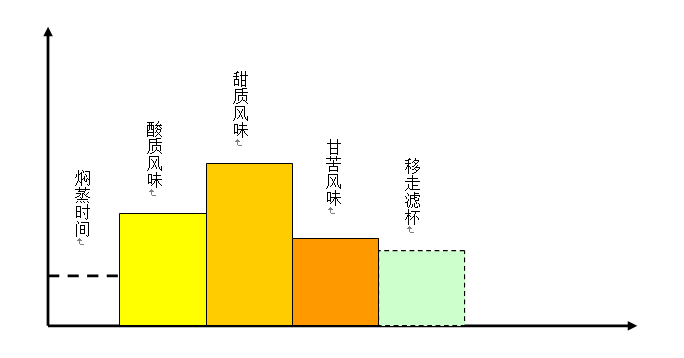
The reason baristas use staged extraction is that during the pour-over process, different substances in the coffee are extracted at different rates. The order of flavors released by hot water is: acidity, sweetness, bitterness. In staged pouring extraction, apart from the blooming stage, under the same coffee-to-water ratio, the more stages there are, the less water per stage, the more times the coffee bed is washed and agitated, and the higher the extraction yield.
Additionally, more stages extend the total extraction time. The more coffee substances released at each stage, the richer the flavor layers. But Front Street wants to remind everyone of one thing: the more stages, the longer the operation takes, increasing the risk of over-extraction. In the later stages, larger molecular substances in the coffee are more easily released, which actually masks the sweetness. Thus, more stages of pouring is not necessarily better. So how should staged pouring be calculated?
The universal three-stage pour-over method
Based on past brewing experience, Front Street recommends that beginners adopt the three-stage pouring method. Three-stage extraction helps more fully dissolve flavor substances during extraction, adds layers to the mouthfeel, and avoids over-extraction from too long steeping.
If using 15 grams of coffee grounds with a 1:15 coffee-to-water ratio, 225ml total water, the three stages are divided as: 30ml, 95ml, 100ml, and the scale readings would show: 30g, 125g, 225g.
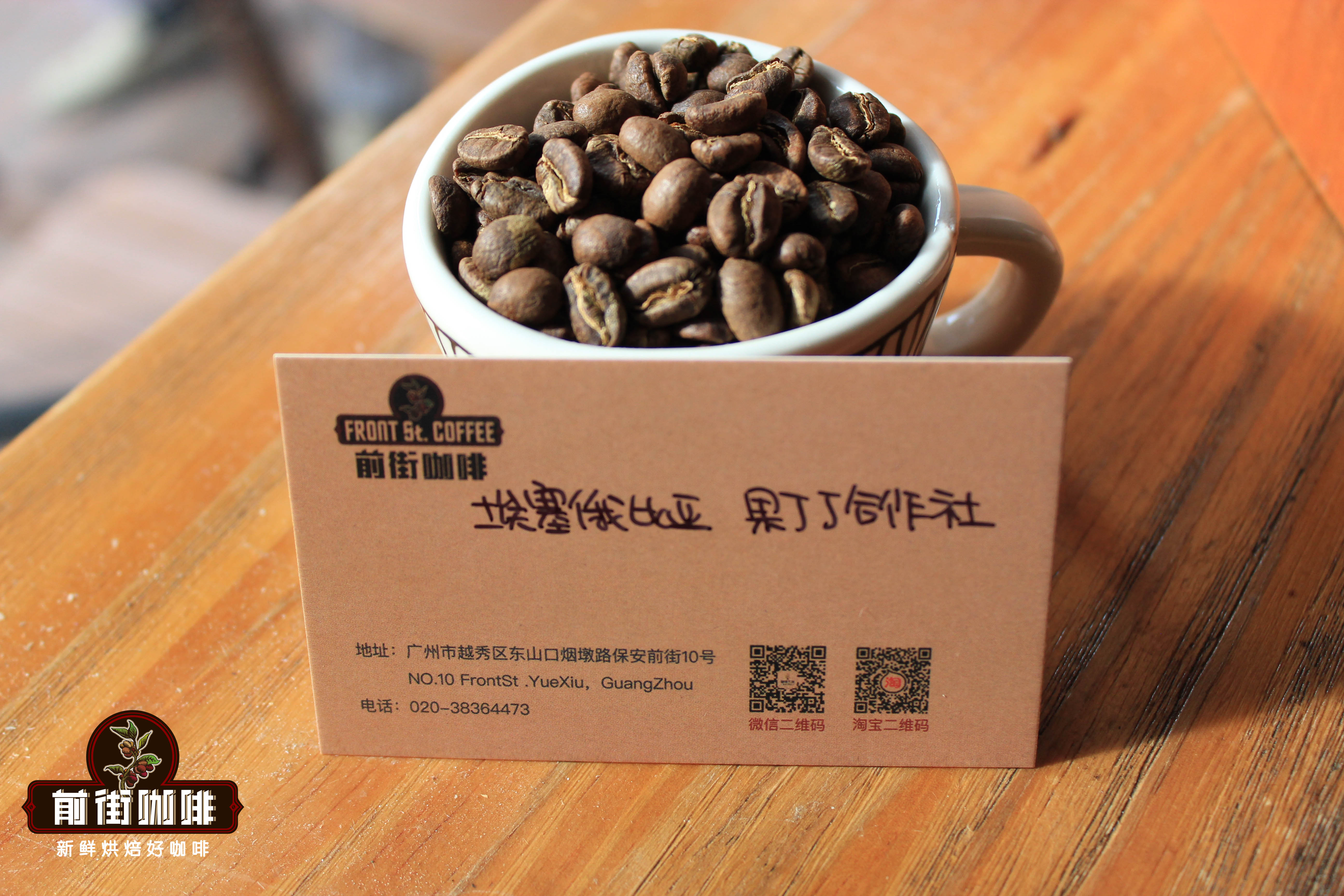
Here Front Street uses its own roasted washed Yirgacheffe Goudingding Cooperative coffee beans, paired with a Hario V60 dripper for brewing. The V60's spiral design allows coffee grounds to degas better, maximizing the activation of aromatic acid compounds' volatilization and dissolution. Since Yirgacheffe is light-roasted, the coffee beans are harder in texture and require high-temperature water of 92°C-93°C to bring out the floral and fruity notes in the coffee.

For grind size, Front Street recommends a medium-fine grind (78% passing rate on Chinese standard No. 20 sieve), similar in coarseness to fine granulated sugar. Too coarse a grind cannot extract the rich, rounded flavor substances, and the brewed coffee will taste thin; too fine a grind easily causes over-extraction at high water temperatures, and the brewed coffee easily becomes bitter.
Regarding the brewing ratio, Front Street believes 1:15 to 1:16 are both acceptable. If you want a richer mouthfeel, use 1:15; if you want to more clearly perceive the floral sweetness, use 1:16 to let the flavors spread out more.
First, place the folded filter paper into the dripper and fit it snugly. Pour 15 grams of ground coffee into the dripper, and tare the scale to zero.

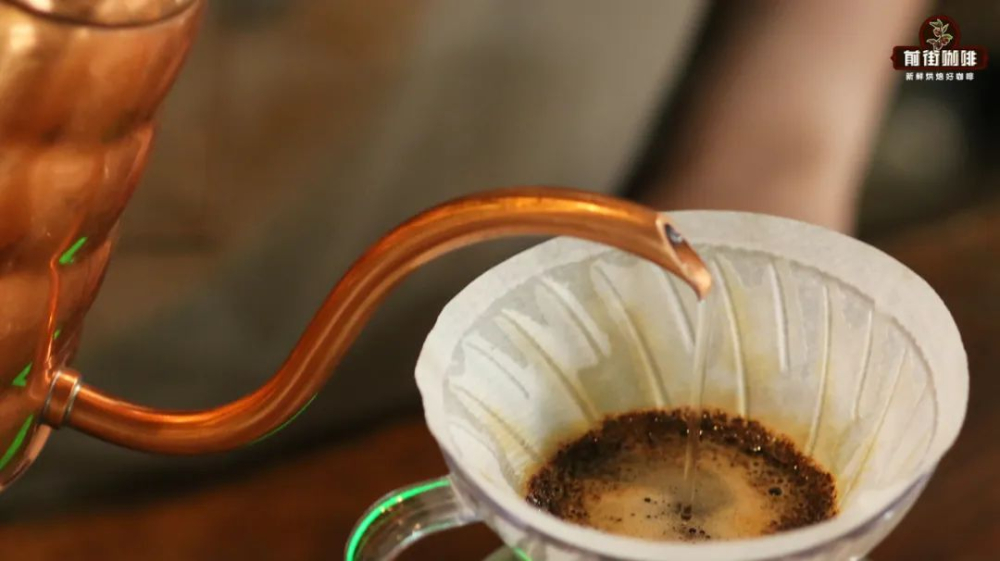
For the first stage, pour 30g of water to bloom for 30 seconds. Start timing as you begin pouring. Use a slow, small stream starting from the center and spiraling outward, making sure to wet the entire coffee bed.
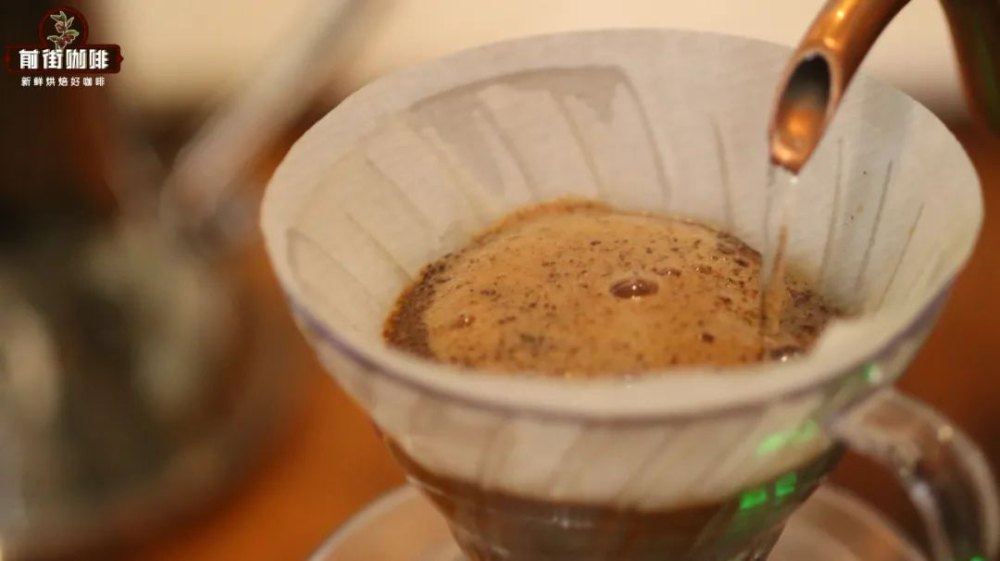
After 30 seconds, begin pouring the second stage of 95g with a slightly stronger, steady stream. The purpose is to lift the entire coffee bed. The water stream should be poured vertically and evenly. At this point, the scale timer shows 125g, and pouring should be completed in about 55 seconds.
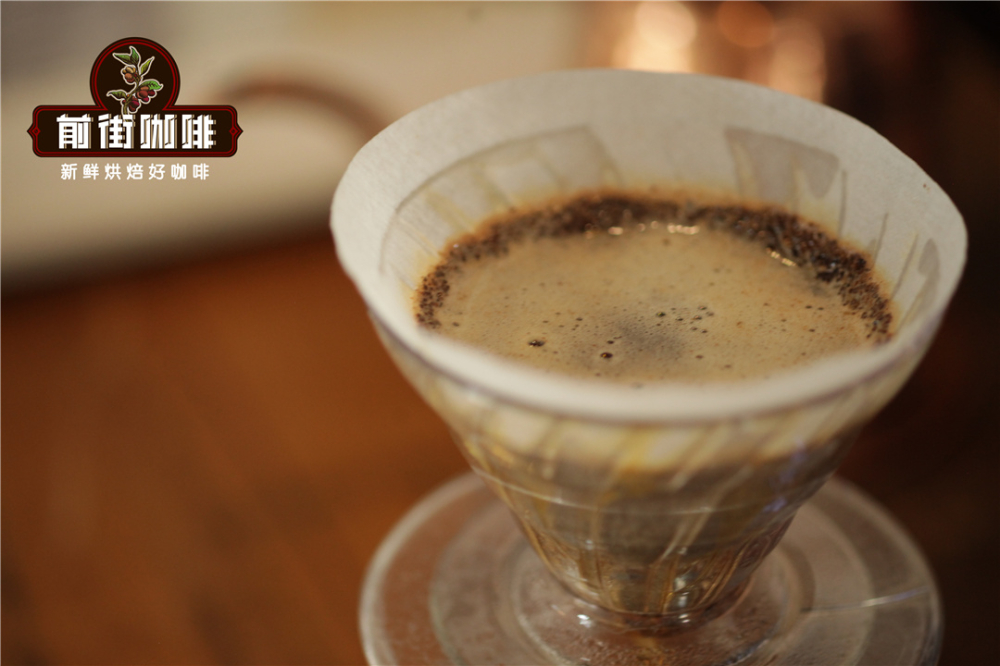
When the water level drops to about halfway, begin the third stage: pour 100 grams with a small stream in a small spiral, trying to keep the stream from circling too widely, which could disturb the coffee bed and cause under-extraction. The final total water amount is 225 grams, and the drip should complete in about 2 minutes. Remove the dripper, swirl the coffee in the server to mix evenly, and it's ready to taste.

The water amount for each stage is not fixed. We can adjust based on our accumulated pour-over experience and understanding of the coffee beans. Front Street believes there are thousands of ways to brew a delicious cup of coffee. As long as we study and practice more, mastering the various parameters of pour-over coffee is not difficult.
For professional coffee knowledge exchange and more coffee bean information, please follow Coffee Workshop (WeChat official account: cafe_style)
For more specialty coffee beans, please add the personal WeChat of Front Street Coffee (FrontStreet Coffee), WeChat ID: qjcoffeex
The above content is compiled by CoffeeHunters, a coffee news website.


