







How Should You Brew Huila Coffee in a Pour-Over?
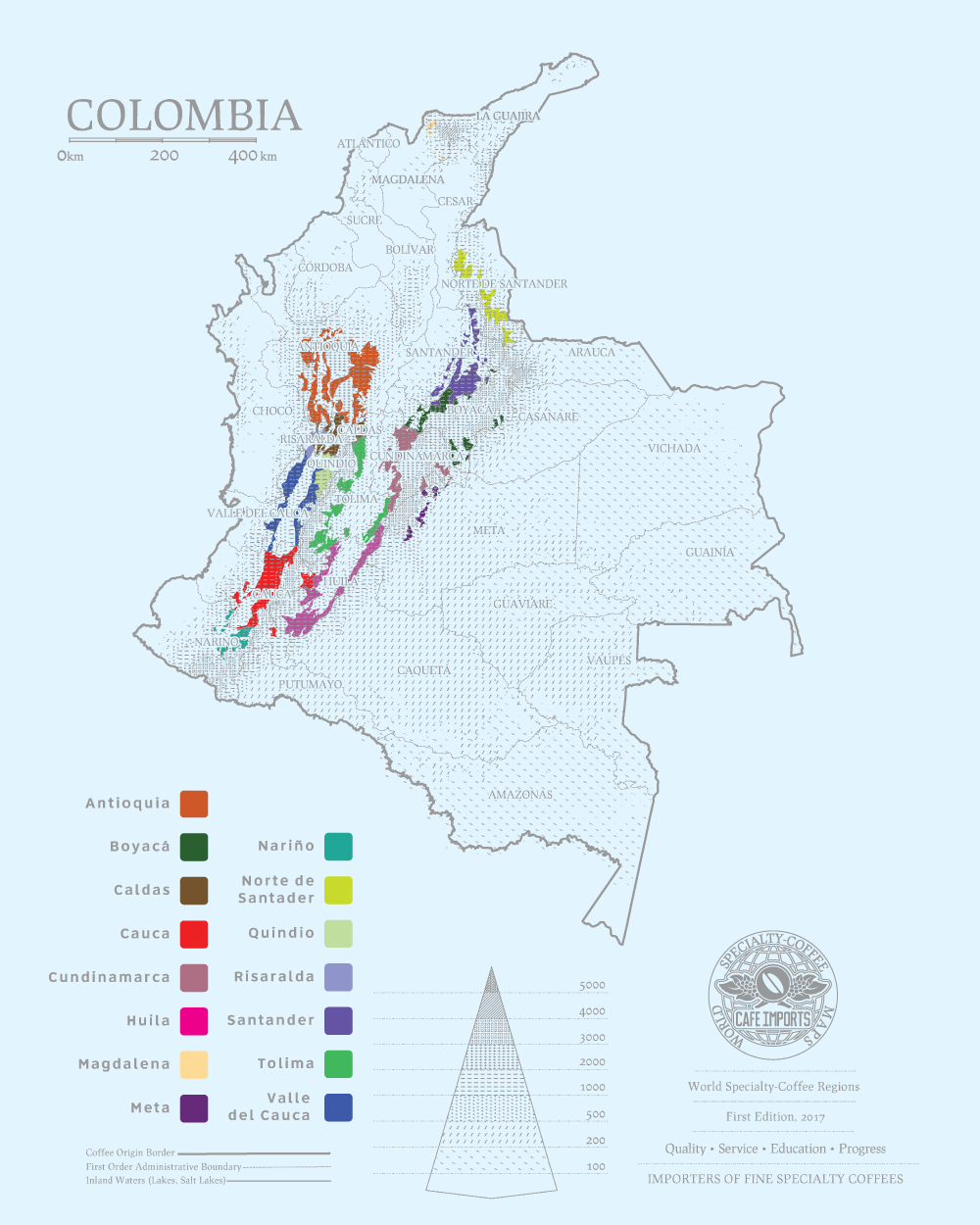
Huila, in southern Colombia, produces specialty coffee known for caramel sweetness and delicate berry acidity. Commercial coffee cultivation in Colombia dates to the mid-1830s, and the Andes topography and tropical microclimates suit the crop. Colombia ranks second worldwide in production and is the largest exporter of Arabica and washed beans, with about 875,000 hectares planted across 14 growing regions.
Smallholders dominate: roughly 60% of Colombian coffee farms are under one hectare. Around 75% of the country's coffee is sold overseas, and the crop contributes 10% to 16% of agricultural GDP. For brewing, a washed Caturra from Huila roasted medium-dark shows nutty and dark chocolate notes, and a three-stage pour works well for control.
Colombia, as the world's second-largest coffee producer, is known for the specialty coffee from its southern Huila Province, celebrated for its caramel sweetness and delicate berry acidity. Front Street Coffee selects washed Caturra from Huila Province, using a medium-dark roast to showcase nutty and dark chocolate notes. This article will start from the history of coffee cultivation in Colombia and the characteristics of its producing regions, explain in detail the roast profile of this bean, and teach you step by step how to brew the best flavor using the three-stage pouring method. Whether you are a beginner just getting into pour-over or an enthusiast looking to refine your technique, you can gain practical parameters and key operating points from it.
For more specialty coffee knowledge, please follow: Front Street Coffee (Frontsteet Coffee)
Front Street Coffee (FrontStreet Coffee) has learned that commercial coffee cultivation in Colombia can be traced back to the mid-1830s, and throughout the entire twentieth century, coffee remained the country's most important agricultural export. The topography of the Andes region, combined with numerous tropical microclimates, created uniquely favorable conditions for coffee cultivation and also helped Colombian coffee build a widely recognized reputation around the world. Front Street Coffee (FrontStreet Coffee) has always been committed to sorting out the flavor lineages of various coffee-producing countries, regions, varieties, and processing methods, building a consultable data system, and hoping to explore the vast world of coffee in depth together with every coffee lover.
Characteristics of Colombian Coffee
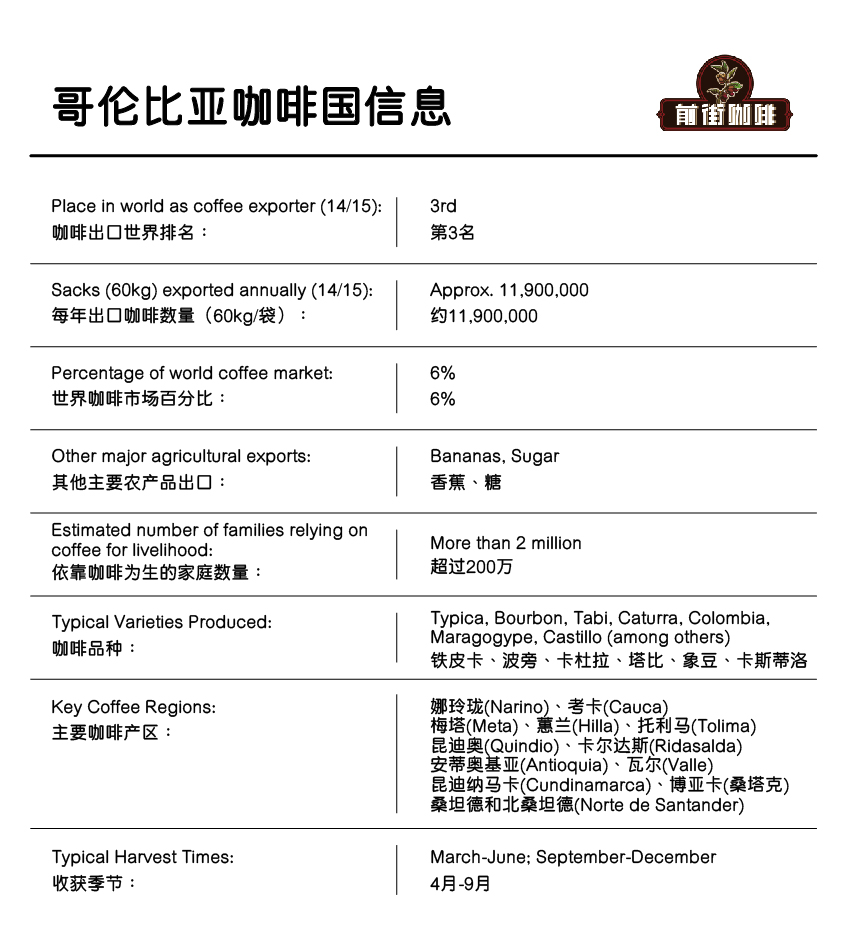
Colombia's climate conditions are like a "natural farm" tailor-made for coffee. The country ranks second in the world in coffee production after Brazil, and is also the world's largest exporter of Arabica coffee and the largest exporter of washed coffee beans. Colombia has planted about 875,000 hectares of coffee across 590 municipalities and 14 coffee-growing regions. On average, 75% of the country's coffee products are sold overseas, and the coffee crop contributes 10% to 16% of agricultural GDP. What surprised Front Street Coffee (FrontStreet Coffee) quite a bit is that the vast majority of this coffee comes from smallholder farmers—60% of Colombian coffee farms are less than one hectare in size, while those with more than 20 hectares account for only 0.5%.
Colombian coffee is a representative high-quality example among Arabica varieties, traditionally often deep-roasted, with a strong and memorable taste. Its flavor profile is full and rich in aroma, with bright, high-quality acidity, excellent overall balance, and sometimes nutty notes, with a long finish. Whether judged by appearance or quality, Colombian coffee can be considered superior.
Volcanic Soil + Family-Style Management
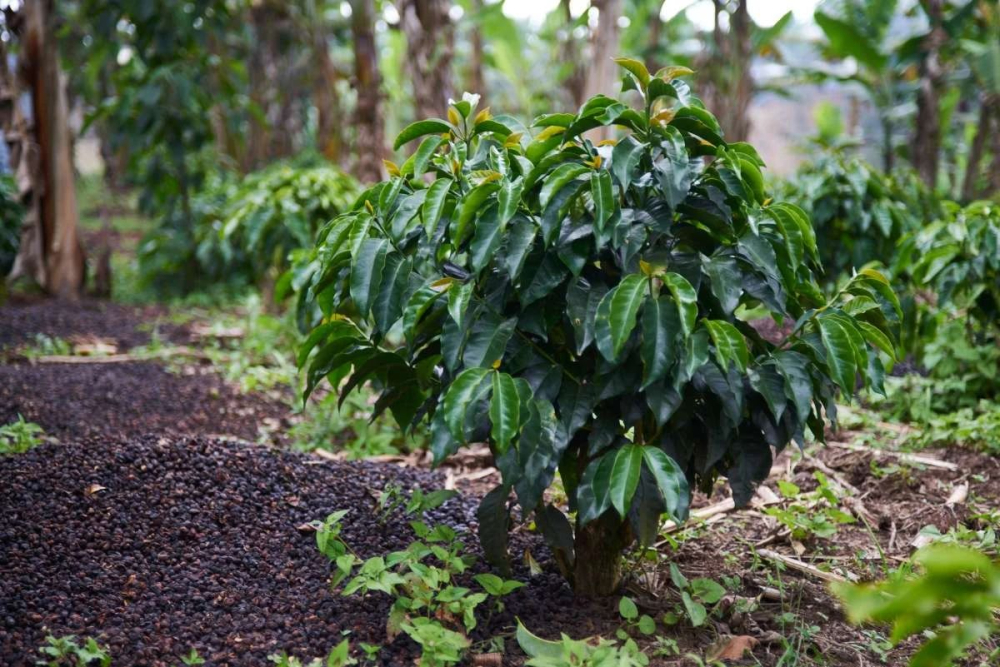
It is said that coffee was first brought in by missionaries from Venezuela in 1730 and began to be cultivated in the southeast of the country. Later, due to civil war and political changes, the cultivation areas gradually shifted to the western mountains. Under the ideal conditions of high altitude and volcanic soil, Colombian coffee has been favored by high-end consumers in the United States and Japan since the 1940s. Local farmers insist on waiting until the fruit is fully ripe before hand-picking. They cherish the land they rely on for survival and are moderate in everything from fertilizer selection to land clearing, so the soil rarely shows fatigue or degradation. In coffee gardens, farmers also plant tall trees or banana trees beside the coffee trees, and set up shade sheds at the seedling stage to ensure the cool and humid environment needed for coffee growth. Inside the coffee grove, humidity is relatively high and temperature differences are small, so the coffee beans mature slowly, which is conducive to the accumulation of caffeine and aromatic substances. In addition to natural endowments, another key factor why Colombian coffee beans are superior to Brazilian ones lies in the family-style management model—they do not have heavy machinery for harvesting and irrigation, nor can they afford to hire large numbers of workers, so all the fruit is carefully selected by hand, resulting in outstanding quality.
Colombian Coffee Producing Regions
Colombian coffee beans can be divided into two categories by producing region: commercial beans and specialty beans. Commercial coffee beans mainly come from the central and northern parts of the country, mostly operated by large-scale corporate farms. Among them, the better-known are the "MAM" three major producing regions—Medellin, Armenia, and Manizales. In flavor, they present the familiar Central American style, with prominent fruity acidity. Bucaramanga, produced in the northeastern Santander Province, is known for its low acidity and rich bitter aroma, with a style similar to Indonesian Mandheling. This phenomenon may be related to lower altitudes leading to reduced acidity.
Specialty coffee beans are concentrated in the south, usually at altitudes above 1,500 meters, and with many volcanoes, giving rise to quite a few well-known specialty producing regions, including Cauca, Huila, Meta, Tolima, Nariño, and others. Coffee from these regions has caramel sweetness as its main thread, accompanied by delicate berry aroma and acidity, with especially prominent sweetness.
As the world's second-largest coffee producer, Colombian coffee, with its striking aroma of chocolate and nuts, has become the favorite of countless coffee lovers. In order to let everyone experience the classic profile of Colombian coffee, Front Street has specially selected a washed coffee from Huila Province as a representative work of this producing region. You can purchase it at the Front Street flagship store or the Front Street Taobao store.
Huila
Huila Province is located in the southern section of Colombia's Central Cordillera and is the country's most famous specialty coffee producing region. Surrounded by mountains, with cultivation altitudes above 1,500 meters, several important rivers in Colombia meet here, bringing abundant water resources and humid air.
Unlike the general impression of Colombian coffee as "balanced and smooth," many Colombian specialty coffees produced in smallholder micro-lots actually have distinct regional personalities. In recent years, as the international market has placed greater importance on coffee quality and raised its requirements for specialty coffee, the original system of grading by bean size has gradually been abandoned in favor of micro-regional selections provided by micro-region production organizations—dozens of smallholders combine their respective harvests into one micro-lot for sale, and therefore there is a greater opportunity to directly screen out many specific smallholder coffees of outstanding quality through lot-by-lot cupping.
Front Street Colombia Washed Huila Coffee Beans
Producing Region: Colombia
Variety: Caturra
Processing Method: Washed
Roast: Medium-Dark Roast
Altitude: 1500-1800m
Roasting Suggestions
This Front Street Colombia Huila bean has relatively high density, uniform screen size, and plump bean shape. The Front Street roaster hoped to present this Front Street Colombia Huila bean with aromas of nuts, dark chocolate, and caramel, so after first crack the heat was adjusted and the roasting time was extended, finally discharging at 3'00'' and 202°C.
When the drum temperature rose to 185°C, the beans were charged, the damper was set to 3, the heat was 120, and the turning point appeared at 1'32", at 98.6°C; when the drum temperature reached 140°C, the damper was adjusted to 4; at this time the bean surface turned yellow, the grassy smell completely dissipated, and it entered the dehydration stage. When the drum temperature reached 192°C, the heat was lowered to 80 and the damper was opened to the maximum 5; at 8'30", wrinkles and dark spots appeared on the bean surface, and the toasted bread smell clearly changed into coffee aroma, which can be regarded as the prelude to first crack. At this point it is necessary to listen carefully for the sound of first crack. First crack began at 9'15", developed for 3'00 after first crack, and the beans were discharged at 202°C.
Front Street Colombia Huila Pour-Over Coffee Tutorial
The greatest advantage of pour-over coffee is that it can present the flavor of the coffee beans in their original form. Different coffee beans can all have their respective flavors extracted through pour-over. Moreover, compared with espresso machines, pour-over has an obvious advantage in ease of operation. Therefore, many coffee shops offer a variety of pour-over beans to choose from, while espresso beans are often fixed by the shop.
Front Street introduces a common brewing method called "three-stage pouring." Simply put, it divides the entire pouring process into 3 stages, including the first stage of bloom pouring. Today, taking the brewing of Front Street Colombia Huila Washed Caturra as an example, the parameters used by Front Street are: 15 grams of coffee powder, powder-to-water ratio 1:15, water temperature 88°C, medium-coarse grind, with a 75% pass rate through a No. 20 standard sieve.
Brewing Process
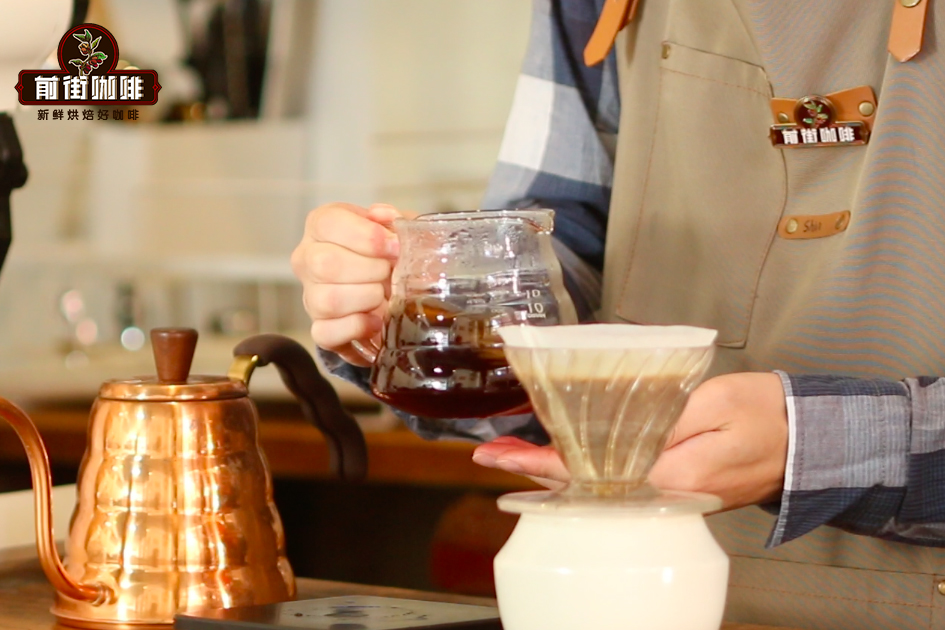
First, do the preparation work (warm the dripper and server, grind the coffee powder, prepare water at the appropriate temperature), then pour in the coffee powder. Begin the first stage of pouring while starting the timer. Pour 30 grams of hot water in the first stage, circling from the center outward. After absorbing water, the coffee powder gradually expands, forming a bulging "coffee hamburger."
Stop when 30 grams of water has been poured, and wait for a 30-second bloom time. When the electronic scale shows the 31st second, begin the second stage of pouring, circling from the center outward, keeping the stream stable and vertical. When the water column strikes the coffee bed, foam is produced. This stage of brewing lets the coffee foam be released, covering the entire surface of the coffee bed, with the liquid level rising to the base of the short ribs. The pouring amount for this stage is 100 grams.
When the liquid level drops to the 1/2 point, begin the final stage of pouring. This stage also pours 95 grams along the center outward in an "aroma-seeking" manner. The originally dark brown foam gradually turns into pale yellow coffee foam, and the liquid level also rises back to the height of the second-stage pour. After all the coffee liquid has flowed into the server, remove the dripper and end the extraction.
How Do You Determine the Timing for the Next Pour?
There are two re-pouring time points in three-stage pouring, namely the second stage and the third stage. The timing for the second pour is very easy to grasp. Usually, the second pour can be carried out 30 seconds after the bloom. The third pour is harder to master because there is no fixed time point; generally, you pour again when the water level has dropped by 1/2 or 2/3.
When the water level has dropped by 1/2 or 2/3, there will not be too much water accumulating in the dripper, nor will the coffee bed be exposed because the water level has dropped too low, thus avoiding uneven extraction between the upper and lower layers of coffee powder.
After the water level drops, the water stream can directly penetrate the accumulated water and stir the lower coffee bed. If the water level is too high, the impact force of the water column will be insufficient, causing the upper layer of the coffee bed to be over-extracted while the lower layer of coffee powder is under-extracted.
The above content is compiled by CoffeeHunters, a coffee news website.


