







Search Results for: threaded base
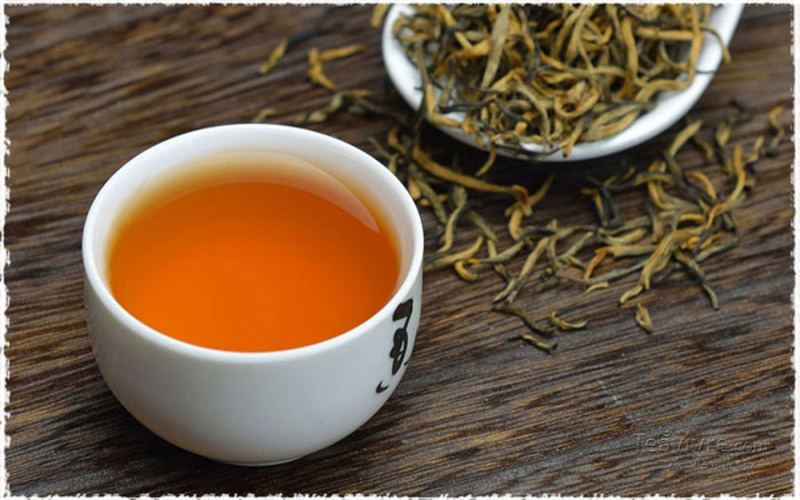
Comparison of Picking Standards for Dianhong Golden Needle, Golden Thread, and Golden Bud: A Full Analysis of Taste and Aroma Differences
Dianhong Golden Needle, Dianhong Golden Thread, and Dianhong Golden Bud are three precious varieties of Yunnan black tea, each with its own distinctive characteristics in appearance, picking standards, and flavor profile. Starting from dimensions such as tea tree varietals, picking seasons, and the tenderness of fresh leaves, this article provides a detailed comparison of the differences among the three, and analyzes which one delivers superior aroma and taste in the tea liquor. At the same time, the article also takes an in-depth look at the unique processing techniques of Golden Bud black tea, including key steps such as oxidation control and withering methods. Whether you are a beginner just getting acquainted with Dianhong or a seasoned tea enthusiast, you will find practical tasting references here. Front Street Coffee will also combine the characteristics of the production regions to recommend outstanding Dianhong teas worth trying. [more…]

Heytea Chengdu limited-time launch of Sichuan Pepper Dianhong, Sichuan peppercorn and chili in milk tea sparks heated discussion
Recently, milk tea enthusiasts eager to try new things noticed an unusual new product from Heytea while keeping up with major chain brands. According to rumors online, this drink, called "Sichuan Pepper Dianhong," incorporates spices such as red Sichuan pepper into its blend, and the milk cap is garnished with shredded chili peppers, creating a visually striking effect. Many people initially suspected the images were composite fakes until the official product introduction confirmed that Heytea had indeed created a "chili milk tea." The product is available only for a limited time at the Chengdu Chunxi Road store, and its ingredients include Hanyuan red Sichuan pepper, Jinyang green Sichuan pepper, and Yunnan long pepper. Officials explained that the chili shreds are only meant to enhance aroma and that the spiciness is mild, while also offering a heavier numbing version for those who want it. This drink quickly sparked heated discussion online, with sharply divided opinions. [more…]

An Analysis of the Flavor Differences Between Espresso, Americano, and Pour-Over Coffee: A Complete Thread from Italian Tradition to Specialty Brewing
Coffee culture has evolved through several waves, from the instant coffee era to the rise of espresso, and then to the flourishing of specialty pour-over. Each brewing method embodies a different philosophy of flavor. Espresso uses high pressure for rapid extraction, showcasing the intense, pure essence of coffee; Americano is diluted with hot water, giving rise to variations such as Americano, Long Black, and Lungo; pour-over coffee emphasizes parameter control and technique details, presenting layered and distinct flavor changes. This article will use these three coffee types as a framework to sort out their respective historical origins, brewing principles, and flavor characteristics, and, using Front Street Golden Mandheling as an example, demonstrate how to reveal the mellow, sweet-aftertaste charm of black coffee through brewing techniques. [more…]
A Complete Analysis of Kenyan Coffee Regions: From SL Varieties to the K72 Washing Method and the Historical Thread of the Auction System
Kenya is located in the equatorial zone of East Africa, with the Great Rift Valley running north to south through the country. The plateaus within its borders have an average elevation of about 1,500 meters, providing exceptional terroir conditions for coffee cultivation. Coffee is Kenya's second-largest agricultural export after tea, grown mainly on volcanic plots at elevations of 1,600 to 2,100 meters from the capital Nairobi to the areas around Mount Kenya. This article systematically examines the varietal composition of Kenyan coffee, the microclimatic characteristics of each major producing county, the iconic K72 washed processing method, the green bean grading system, and the evolution of the auction system from the colonial period to the rise of smallholder cooperatives—taking you deep into the complete picture of this heavyweight of African specialty coffee. [more…]

From Portobelo to Boquete: The Historical Thread of Panamanian Coffee and the Path to Geisha Specialization
Although Panama is not the first country in Central America to grow coffee, it has become a name impossible to avoid in the world of specialty coffee thanks to its unique terroir and refined approach. From a barrel of coffee beans arriving in Portobelo in 1742, to American elites heading south to establish estates at the end of the 20th century, and then to the SCAP and BOP competitions propelling Geisha to legendary status, Panama's coffee story is full of twists and turns. Front Street Coffee guides you through this history, analyzing the natural conditions and cultural background of three major producing regions including Boquete, and sharing the flavor profile and brewing approach of washed Boquete Geisha, helping coffee enthusiasts understand the ins and outs of Panama's high-end specialty coffee path. [more…]

How to Choose Freshly Roasted Coffee: Balancing Budget and Drinking Frequency
Freshly roasted coffee beans reveal different facets depending on the brewing method. When buying beans day to day, you need to consider how quickly you'll drink them, how much to buy at a time, and whether you mainly make black coffee or milk coffee at home. Pour-over easily brings out the aroma, a coffee machine emphasizes intensity, and a moka pot amplifies richness, so when choosing beans you should first decide which [more…]

Recommend a Few Coffee Beans Suitable for Cold Brew: Balancing Budget and Drinking Frequency
Choosing coffee beans suitable for cold brew is something you gradually learn to judge through tasting experience. When buying beans day to day, you need to consider how quickly you'll drink them, how much to buy at once, and whether you mainly make black coffee or milk-based coffee at home. The flavor notes on the packaging can offer clues, but they can't replace the actual drinking experience—whether the acidity is mellow, whether the sweetness lingers, and the mouthfeel [more…]

Hacienda La Esmeralda Red Label Geisha: How to Read Panama Geisha's Grading System
In the specialty coffee world, Geisha from Panama's Hacienda La Esmeralda is a name that's almost impossible to avoid. When buying Geisha, product pages often feature terms like "Red Label," "Green Label," and "Auction Lot"—but what exactly do they mean? This article uses Hacienda La Esmeralda's Red Label Geisha as a thread to help you make sense of the grading system. Emerald [more…]
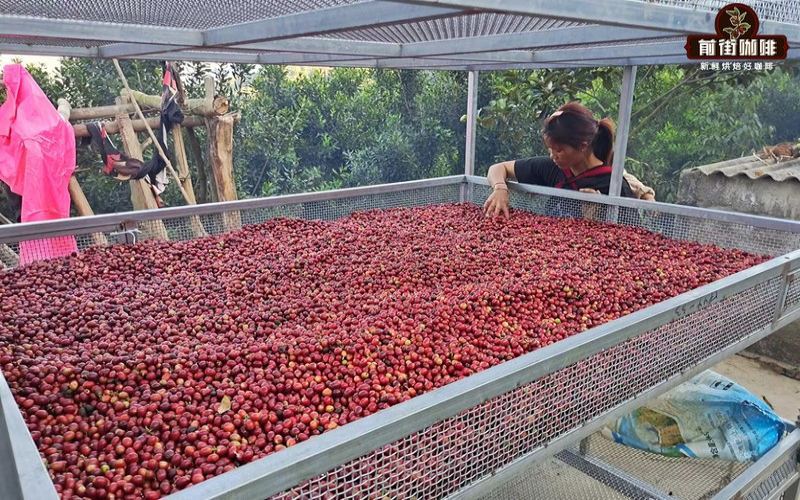
What kind of coffee beans are easier to find the right fit for a Bialetti moka pot: balancing budget and drinking frequency
When it comes to coffee beans suitable for a Bialetti moka pot, start by considering how you plan to drink it every day. For everyday bean purchases, you need to think about how quickly you'll go through them, how much to buy at once, and whether you'll mainly be making black coffee or milk-based coffee at home. If you mainly drink black coffee, you can pay more attention to aroma and aftertaste; if you often add milk, then you need to consider whether the intensity and body can hold [more…]
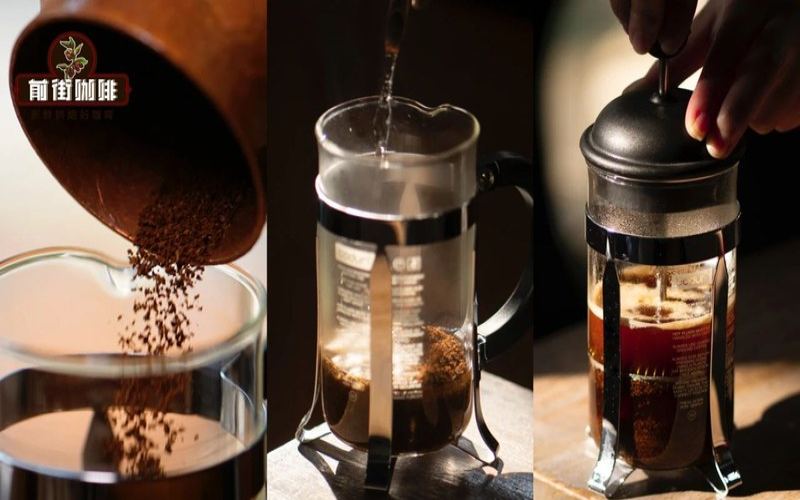
How to Choose Coffee Beans for Home: Balancing Budget and Drinking Frequency
When it comes to coffee beans for home use, you have to start with what actually ends up in the cup. For everyday bean buying, you need to think about how fast you'll go through them, how much to buy at a time, and whether your household mainly drinks black coffee or milk coffee. The roast level of the beans determines the basic taste, the origin and processing method bring aromatic differences, and the equipment you use will change the strength—so when choosing beans, you need to weigh all these factors. [more…]

How to Choose Coffee Beans for Pour-Over? A Guide to Flavor Differences Across the Three Major Regions from Africa to Central and South America, with Single-Origin Recommendations for Beginners
Want to get into pour-over coffee, but overwhelmed by the dazzling array of single-origin beans? Actually, choosing beans isn't hard—the key is to first understand the flavor profiles of the three major producing regions: African beans are known for bright acidity and floral notes, Central and South American beans have a balanced mouthfeel with nutty and chocolatey tones, while Asian beans are mellow, sweet-bitter, and low in acidity. This article follows that thread, outlining the flavor differences and brewing points of representative beans sold by Front Street Coffee, such as Ethiopia Yirgacheffe, Kenya Little Tomato, Indonesia Mandheling, Colombia Huila, and Brazil Red Bourbon, to help those new to pour-over lock in a direction based on their own taste preferences and gradually transition from entry-level options to estate-grade single origins. [more…]

Frequent fraying issues reported after washing CHAGEE-themed scarves, consumers say quality is concerning
As temperatures drop, many Chagee fans have dug out scarves, shawls, and other merchandise they snapped up during previous limited-edition promotions, ready to work them into their everyday outfits. However, multiple consumers report that these scarves began fraying at the edges and shedding yarn shortly after use or washing. From Guangdong to Suzhou and Chongqing, fans everywhere have been posting photos of their scarves "falling apart," sparking widespread discussion about the quality of the brand's merchandise. This article sorts through consumers' experiences, craft analysis, and the hidden concerns behind brand merchandise marketing, offering reference for coffee lovers. [more…]
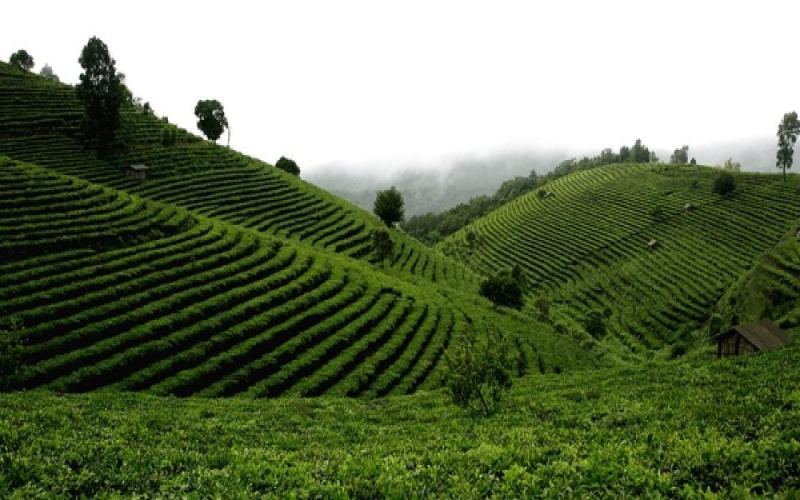
Why Is Darjeeling First Flush Black Tea Green? Also on the Regional Differences of Black Tea from Yunnan, Taiwan, and Fujian
Darjeeling's spring-picked tea is also a black tea, so why is it green? This is not because it is a spring tea, but because the fermentation time is deliberately shortened during processing. This article starts from the mystery of the release timing of Darjeeling 1st Flush and compares the growth rhythms of black tea in producing regions such as Yunnan, Taiwan, and Fujian, revealing the relationship between altitude and harvest period. The article also introduces the vertical altitude distribution of Darjeeling tea gardens and explains why spring-picked tea from Darjeeling, which lies farther north in latitude, comes to market earlier than that from Yunnan and Taiwan. Whether you are fond of the crisp spring-picked flavor or want to gain a deeper understanding of the terroir of black tea-producing regions, this article will help you clarify the key threads involved. [more…]

From Yemeni Ports to Espresso Bars: The Origins of Mocha Coffee, Its Recipe, and Why It's Fading from Menus
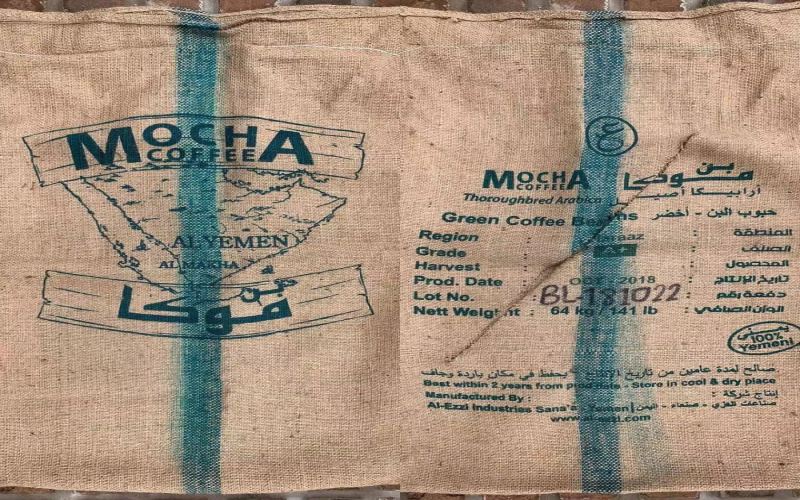
The name Mocha always conjures up images of chocolate and coffee blending together, but its origins actually point to an ancient port in Yemen. From the coffee trade monopoly of Mocha Port in the 15th century, to Italians using cocoa powder to imitate the flavor of Mocha beans in the 18th century, to the rise of fancy coffee drinks after World War II, Mocha coffee has undergone a rather winding evolution. This article traces the historical thread of Mocha coffee, explains its essential differences from a latte, introduces the specific method and recipe for a traditional Mocha, and analyzes why this high-sugar drink appears less and less on menus amid the specialty coffee wave and healthy eating trends. At the end, Front Street digs out its long-stored chocolate sauce to revisit the process of making an iced Mocha with everyone. [more…]
What's the difference between a mocha and a latte? A comprehensive analysis of their differences, from historical origins to preparation recipes
Mocha and latte are the two most common espresso milk coffees on cafe menus, but their flavor profiles and preparation methods are completely different. Mocha gets its name from the Yemeni port of Mocha, and in the early days it was once synonymous with coffee; the modern espresso mocha, on the other hand, evolved from the latte with the addition of chocolate. From the perspective of Front Street Coffee, this article sorts through the historical thread of mocha, explains in detail the specific methods for making hot mocha and iced mocha, and compares them with the preparation process for a hot latte, helping coffee lovers understand the core differences between the two in ingredients, taste, and the logic of serving. [more…]

From Aroma to Aftertaste: Master the Complete Professional Coffee Tasting Process and Flavor Description Methods
Drinking coffee and tasting coffee are two different things. Truly professional tasting requires engaging the senses of smell, taste, and touch, progressively capturing the three-dimensional character of a cup of coffee—from dry aroma and wet aroma to the flavor changes at high and low temperatures. This article uses Front Street Coffee's tasting class as a thread, systematically outlining the basic process of tasting coffee, and drawing on the dimensions of COE cupping to explain one by one the methods for judging and describing aroma, cleanliness, sweetness, acidity, mouthfeel, flavor, aftertaste, and balance. Whether you are a beginner just getting started or an advanced enthusiast looking to improve your ability to articulate what you taste, you will find actionable tasting approaches and practical references here. [more…]

The Grade Classification and Specialty Positioning of Yunnan Small-Bean Coffee: From Historical Origins to Front Street Coffee Washed Bean Recommendations
Yunnan small-bean coffee is a topic that domestic coffee enthusiasts cannot avoid, but does it actually count as specialty coffee? Front Street Coffee starts from the cultivation history of Yunnan coffee, sorting out the complete thread from the first coffee tree introduced by missionaries to the entry of international brands such as Nestlé and Starbucks for purchasing. At present, Yunnan's cultivation is dominated by Catimor, which carries Robusta genes, and there is a gap in flavor compared with pure Arabica, but specialty-grade beans do exist, only in limited proportions. The article also introduces Yunnan coffee's five-level standard divided by screen size, color, clarity, odor, and moisture content, as well as the new grading system promoted by the YCE trading center. Finally, Front Street Coffee recommends washed Yunnan small-bean everyday drinking coffee and the sun-dried bean "Front Street 2013" named after the brand, along with suggested pour-over parameters. [more…]

The Complete Guide to Cold Brew Coffee: Origins, Principles, Caffeine Truth, and Bean Pairings
On a hot summer day, cold brew coffee becomes the favorite of many coffee lovers. But when it comes to its origins, brewing principles, caffeine content, and which beans to use, there are all kinds of claims floating around. From the perspective of Front Street Coffee, this article sorts out the historical thread of cold brew coffee, from the Dutch sailor legend to its actual invention in Kyoto, Japan, explains in detail the water-to-coffee ratio, filter paper usage, pre-infusion, and fermentation steps in cold brew equipment operation, and responds to the controversy over whether cold brew coffee's caffeine content is actually high or low. Finally, it offers two cold brew blend recipes commonly used by Front Street Coffee, to help you make cold brew coffee with full aroma and a smooth mouthfeel at home. [more…]
The Variety Evolution of Yunnan Small-Bean Coffee: From Typica and Bourbon to Catimor—Is Catimor Considered Arabica?
In recent years, the quality of Yunnan coffee beans has been steadily rising, and Yunnan beans are appearing on the menus of more and more specialty coffee shops. People habitually refer to them collectively as "Yunnan small bean." So what exactly does small bean coffee refer to? And what variety transitions has Yunnan small bean undergone? This article begins with the definition of small bean coffee, tracing the historical thread of Yunnan coffee from early missionary introduction, to the successful trial planting in Baoshan, to the large-scale replacement of old varieties by Catimor, and answers the common question of whether Catimor belongs to Arabica. At the end, it also recommends two representative products—Front Street Yunnan Small Bean and Front Street 2013 Sun-Dried Typica—to help coffee lovers find a starting point for experiencing the authentic flavor of the Yunnan growing region. [more…]
A Comprehensive Analysis of Kenyan Coffee Regions: From AA Grade and K72 Washed Process to a Flavor Comparison of Three Front Street Coffee Beans
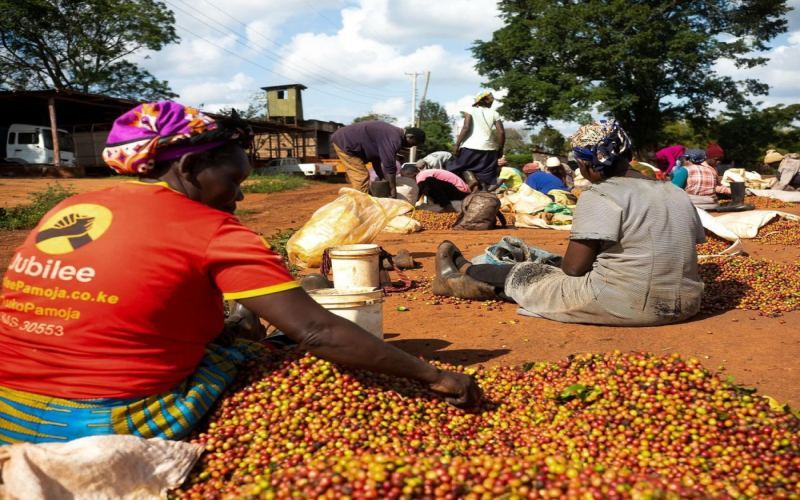
Kenya, as a representative origin of African specialty coffee, occupies an important position in the global coffee landscape thanks to its captivating acidity and aroma. This article systematically reviews the distribution of Kenyan coffee-producing regions, altitude conditions, variety characteristics, and differences in processing methods, and provides an in-depth comparison of the similarities and differences in flavor performance among three Kenyan beans under Front Street Coffee: Karogoto, Asaliya, and Haniya. From the varietal origins of SL28 and SL34 and the historical thread of French Mission Bourbon, to the technical details of the K72 washed method and refined natural process, combined with roasting curves and cupping results, this helps coffee enthusiasts fully understand the unique style of Kenyan coffee and make choices based on their personal taste preferences. [more…]