In the specialty coffee world, Geisha from Panama's Hacienda La Esmeralda is a name that's almost impossible to avoid. When buying Geisha, you'll often see terms like "Red Label," "Green Label," and "Auction Lot" on product pages—but what exactly do they mean? This article uses Hacienda La Esmeralda Red Label Geisha as a thread to help you make sense of the grading system.
The Geisha Story of Hacienda La Esmeralda
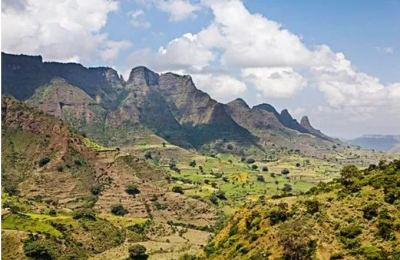
Hacienda La Esmeralda is located in Panama's Boquete region and is the estate that catapulted the name Geisha from obscurity to fame. After introducing the Geisha variety from Costa Rica last century, it was initially used only as a windbreak hedge—until a cupping session stunned everyone and it was formally brought to market. Today, Hacienda La Esmeralda's Geisha is a regular fixture in auctions and competitions, and over the years the estate has developed its own grading system.
Red Label, Green Label, and Auction Lots
Hacienda La Esmeralda typically divides its Geisha into several tiers based on quality and lot. Auction lots are limited batches selected during harvest season, usually sent to the annual auction, with prices and scores at the top of the range; Red Label refers to high-quality lots outside the auction selection, sourced from higher-altitude plots on the estate, with consistent flavor expression; Green Label is positioned as more everyday, coming from slightly lower-altitude areas, still carrying Geisha's characteristic aromatics but at a friendlier price. For most consumers, going with Red Label is often the compromise that balances quality and budget.

What Red Label Geisha Tastes Like
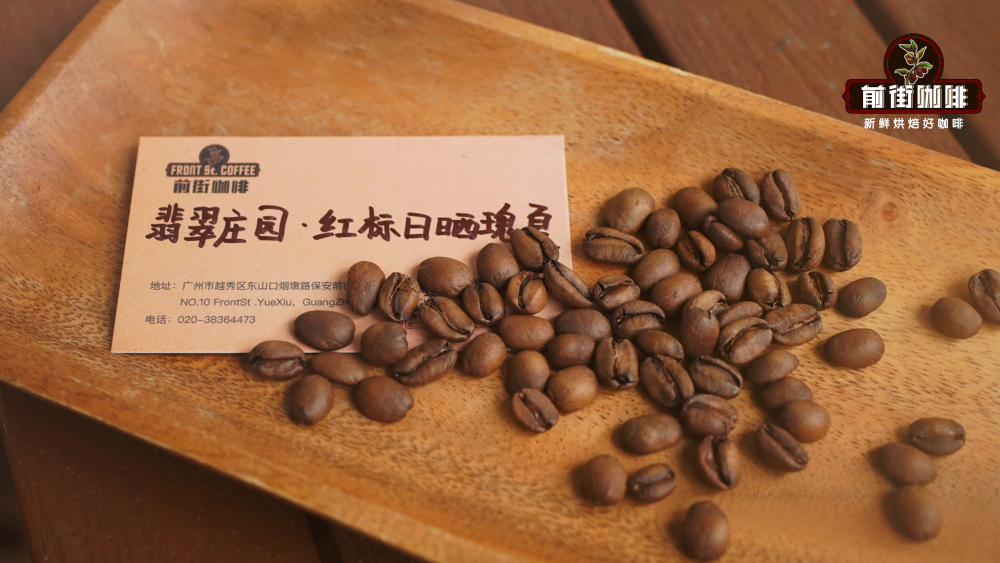
Front Street Coffee's Panama Hacienda La Esmeralda Red Label Geisha takes the classic elegant route. In the dry aroma, you can catch the delicate scent of jasmine; after brewing, citrus and bergamot notes gradually unfold, with a finish that carries a hint of black tea-like finesse. The overall mouthfeel is clean and transparent, with a long, sweet aftertaste, unfolding layer by layer without any off-flavors. Compared to African fruit-forward beans with their bold acidity, Red Label Geisha's acidity is soft and bright—drinking it feels more like savoring a cup of floral tea.
Weighing Price Against Value
Red Label Geisha's price is usually higher than ordinary specialty coffee, determined by its growing altitude, planting density, and the cost of hand-picking. For those new to Geisha, if budget allows, starting with Red Label gives you a more intuitive understanding of "what Geisha should taste like"; if you just want to get a sense of its flavor profile, you can also start with Green Label or Geisha from other regions. In the world of Geisha, there are no standard answers—just choose according to your budget.
Summary
To understand Hacienda La Esmeralda's grading, just remember one line: Auction lots are the pinnacle, Red Label is the stable high-altitude specialty, and Green Label is the everyday staple. Front Street Coffee's Panama Hacienda La Esmeralda Red Label Geisha is for those who want to seriously experience Geisha's floral aromatics and delicate flavors. Starting with it, you'll gradually build your own coordinates for Geisha's flavor.
The above content is compiled by CoffeeHunters, a coffee news website.