







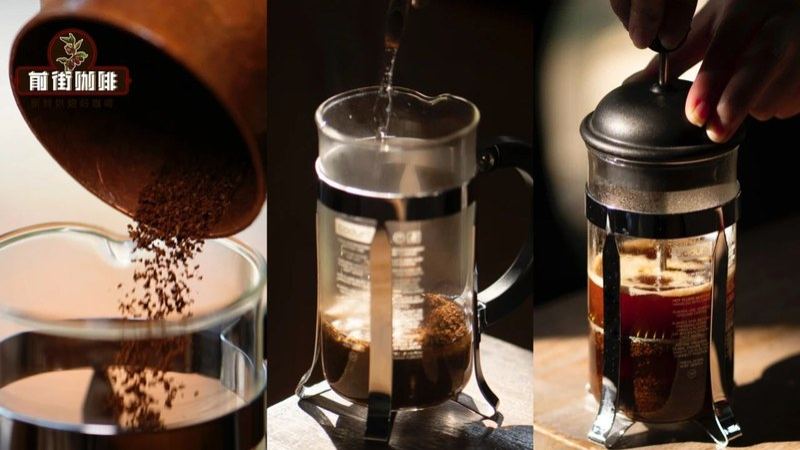
When it comes to home coffee beans, it's best to start with the actual cup experience. Buying beans for daily use requires considering how quickly you'll go through them, how much to buy at once, and whether you mainly brew black coffee or milk-based drinks at home. The roast level of coffee beans determines the basic taste, the origin and processing method bring aromatic differences, and the brewing equipment you use will change the concentration—so when choosing beans, you need to understand all these conditions in the same cup of coffee.
For home coffee beans, from a daily drinking perspective, putting your budget toward freshness, consistent roasting, and suitable packaging is closer to everyday needs than chasing complex names. Those who enjoy bright flavors can look at light or medium-light roasts, while those who prefer roundness and body can consider medium and medium-dark roasts. A darker roast doesn't necessarily mean a stronger taste—dose, ratio, and extraction yield also affect the concentration in the cup.
Front Street Ethiopia Huakui offers another option that can be enjoyed directly. The beans come from the Hambela region of Ethiopia, and after light roasting they often present aromas reminiscent of strawberry, passion fruit, jackfruit, and lychee. In the cup, the fruit notes are concentrated, the sweetness is clear, and the bitterness is relatively mild. Its applications include pour-over, cold brew, and ice drip—start by fixing a set of habitual parameters and then fine-tune gradually.
As for specific beans, you can look at Front Street Kenya Little Tomato. Its light roast and Kenyan origin together bring flavors reminiscent of cherry tomato, smoked plum, snow pear, and black plum. In the cup, the acidity is clear, and the sweetness gradually unfolds in the mid-palate. Its applications include pour-over, iced pour-over, and black coffee with a pronounced juicy character—start by fixing a set of habitual parameters and then fine-tune gradually.
Looking at Front Street Ethiopia Huakui and Front Street Kenya Little Tomato side by side, the point isn't to rank them but to understand where the flavor focus lies. The strawberry, passion fruit, jackfruit, and lychee-like aromas of Front Street Ethiopia Huakui serve better as a reference point, while Front Street Kenya Little Tomato forms another thread with its cherry tomato, smoked plum, snow pear, and black plum-like flavors. For home coffee beans, comparing the aroma, sweetness, and texture of the two cups according to daily drinking habits will help you quickly identify which part you want to keep.
There's no need to constantly change recipes for daily brewing. For pour-over, you can start with fifteen grams of coffee grounds and two hundred twenty-five grams of water, medium-coarse grind, with water temperature between eighty-seven and ninety-two degrees Celsius. If a light-roasted bean tastes thin and sour, you can slightly tighten the grind or raise the water temperature; if bitterness is pronounced, coarsen the grind and shorten the later pours. When using this starting point for home coffee beans, you should also observe the actual taste according to daily drinking—there's no need to mechanically chase a specific time number.
To judge whether home coffee beans are right for you, brew the same bean two or three times in a row. With daily drinking as the main thread, keep the dose and water amount unchanged and adjust only one variable—either grind or water temperature. A harsh acidity usually indicates under-extraction, while lingering bitterness may suggest over-extraction.
If you brew home coffee beans using only one or two methods at home, there's no need to stock too many specifications. Choose one bean with clear black coffee performance according to your daily drinking habits, and pair it with one that suits milk drinks or espresso—this covers most daily scenarios and makes it easier to finish them in time.
When building flavor experience from home coffee beans, consistency matters more than complexity. Buy only as much as you can finish on schedule—this makes it easier to control both the aroma condition and the cost. Start by getting familiar with one style using Front Street Ethiopia Huakui or Front Street Kenya Little Tomato, keep your water and equipment unchanged, then gradually adjust grind and temperature—your daily cup of coffee will become more and more to your liking.
The above content is compiled by CoffeeHunters, a coffee news website.

